
The Texas Tesla Crash: A Legal Showdown Over Self-Driving Technology
The Incident: Analyzing the Texas Tesla Crash The incident that occurred in Texas stands as a sobering flashpoint in the ongoing evolution of…
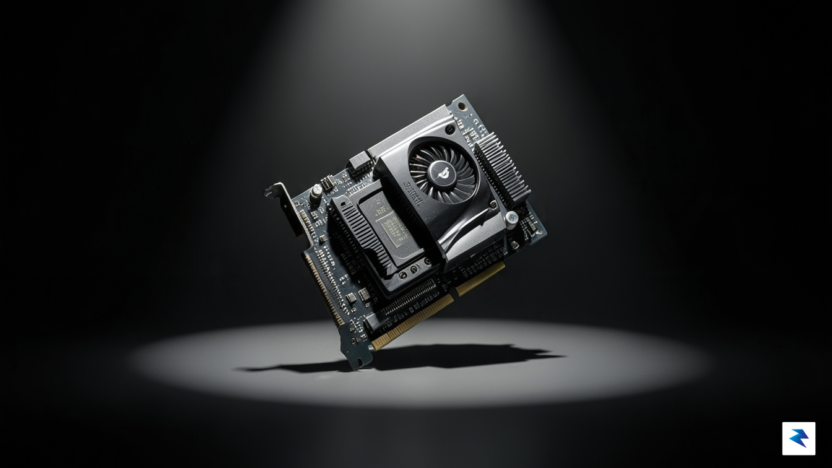
The sticker shock currently greeting consumers browsing for new laptops or custom gaming rigs is not merely an unfortunate coincidence; it is the inevitable result of a massive, structural realignment in global manufacturing. For years, the tech industry operated on a model of decreasing costs and abundant inventory, where hardware became cheaper and more powerful every product cycle. Today, that cycle has been violently interrupted by a confluence of supply chain fragility and an unprecedented scarcity of critical raw materials. What many experts are calling a modern "RAMaggeddon" represents a fundamental shift where high-performance components—specifically memory and storage modules—are no longer treated as commodities to be discounted, but as high-value assets that command top-dollar premiums.
This volatility is compounded by the fact that the semiconductor industry, which powers everything from entry-level tablets to enterprise-grade workstations, is currently struggling to keep pace with a post-pandemic surge in demand. When production lines falter, the cost of the silicon wafers and specialized circuitry required to build a modern machine skyrockets. Manufacturers are no longer able to absorb these inflated logistical and procurement costs, leading to a ripple effect that lands squarely on the shoulders of the end-user. We have moved from an era of surplus, where manufacturers competed on price to gain market share, into a new reality where scarcity dictates the bottom line.
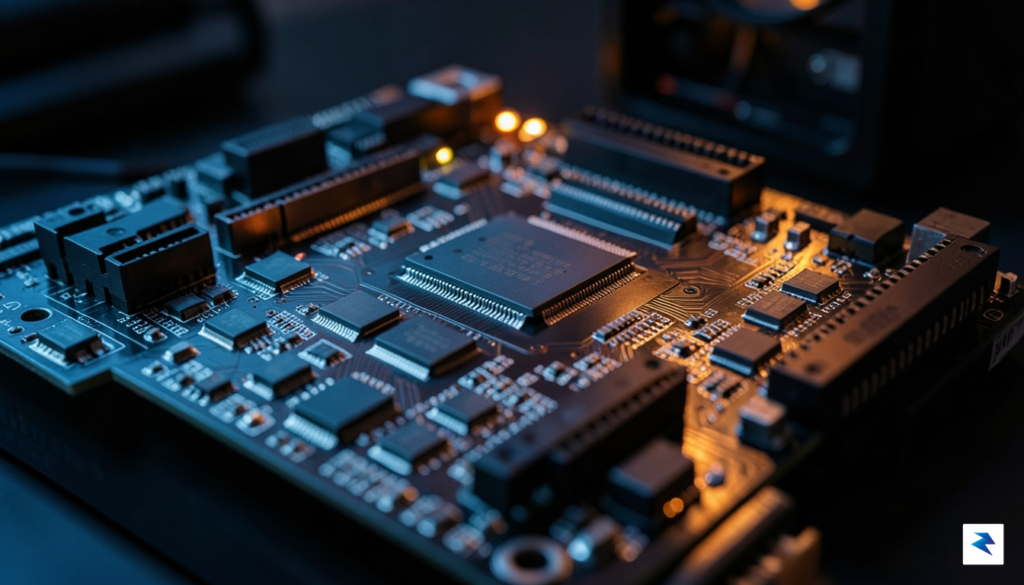
The era of the $500 reliable laptop is rapidly fading, replaced by a pricing structure that reflects the true, unshielded cost of global manufacturing and logistical complexity.
Major tech conglomerates have begun baking these increased expenditures directly into their MSRPs, effectively ensuring that the consumer pays the premium for every supply chain hiccup. Whether it is a shortage of rare earth elements, bottlenecks at major shipping ports, or increased labor costs at assembly facilities, the financial burden is being redistributed. This trend is not expected to be a temporary fluctuation; rather, it is a structural adjustment. Consequently, shoppers are finding that their budget for a mid-range machine now barely covers an entry-level model, forcing many to hold onto aging, slower hardware for much longer than originally intended. This economic landscape suggests that the days of easily accessible, low-cost upgrades are firmly behind us, replaced by a market that prioritizes supply chain resilience over affordability.
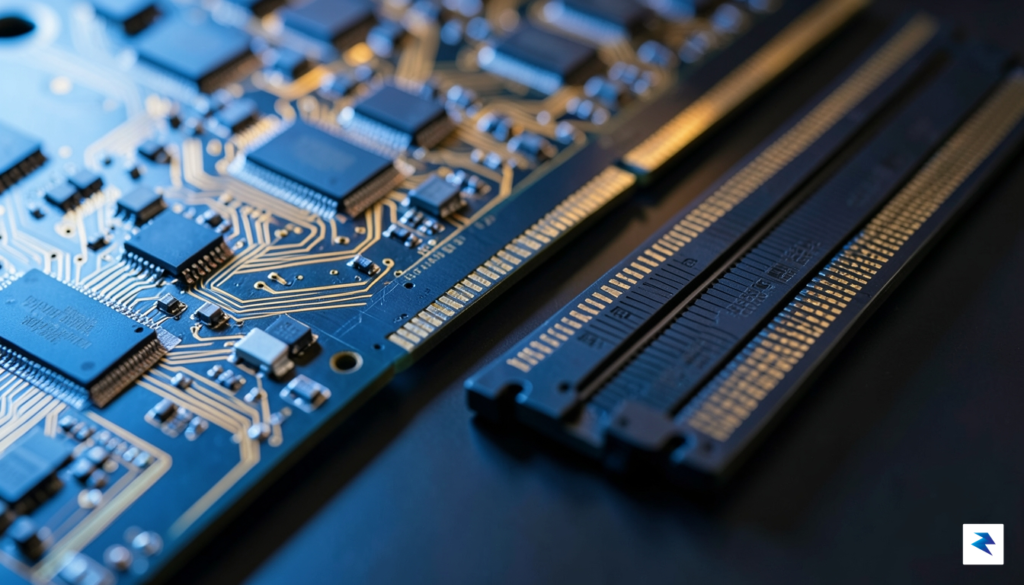
At the heart of the modern computing crisis lies a complex, interdependent ecosystem of semiconductor manufacturing that relies on near-perfect synchronization to function. Every laptop, tablet, and desktop workstation is fundamentally dependent on the steady flow of DRAM (Dynamic Random Access Memory) and NAND flash storage modules. These components are not merely passive parts; they are the high-speed brains and long-term memory centers of your machine. When the production of these specific chips falters due to raw material shortages or manufacturing facility disruptions, the entire assembly line grinds to a halt. Because these facilities operate on incredibly thin margins and require massive, multi-year capital investments to upgrade, they cannot simply “flip a switch” to increase output, leaving manufacturers scrambling to source limited inventory from a shrinking pool of suppliers.
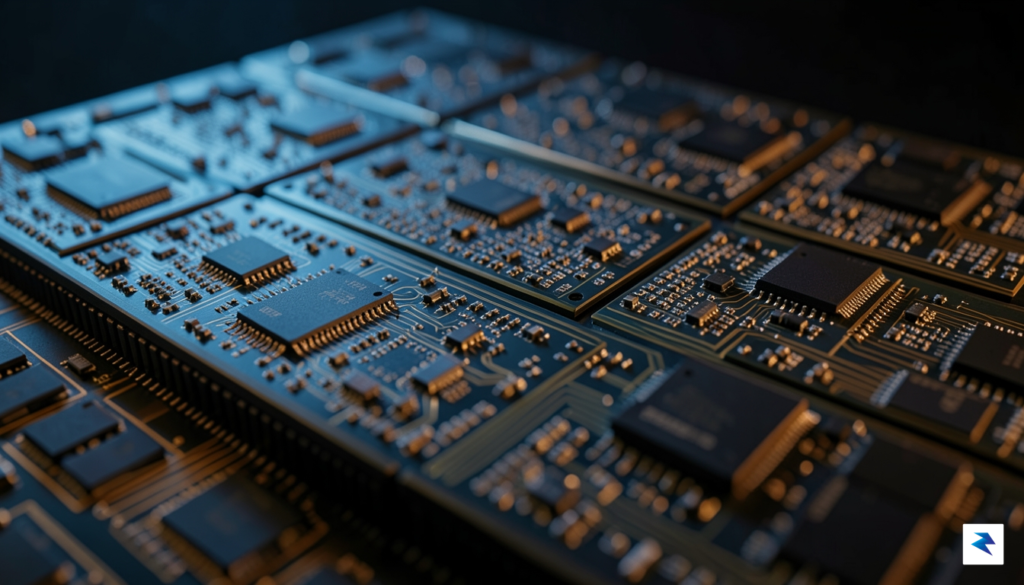
The manufacturing lead times for these components are notoriously long, often stretching across several months from the initial silicon refinement to the final testing and packaging phase. This logistical reality creates a “bullwhip effect,” where small fluctuations in retail consumer demand lead to massive, amplified supply chain imbalances further up the chain. We are currently witnessing the perfect storm of this phenomenon: the sudden, massive spike in demand for remote-work hardware collided with a global stagnation in the production of the very substrates and specialized gases required to etch these chips. Furthermore, geopolitical tensions have introduced significant friction into trade routes, complicating the transport of these delicate modules and forcing manufacturers to pay premium prices for expedited, yet still unreliable, logistics.
The fragility of the global supply chain is most visible when demand outstrips production capacity in a sector that requires years of lead time for factory expansion and infrastructure development.
Beyond the immediate physical scarcity of parts, there is the overarching issue of global market saturation and competition. Automotive manufacturers, smart home device producers, and enterprise server farms are all competing for the same limited wafer capacity as consumer electronics brands. Because high-end workstations and enterprise-grade servers often offer higher profit margins for chip fabricators, budget-friendly laptops and entry-level computers are frequently pushed to the back of the queue. This structural prioritization ensures that while the total volume of chips might remain steady, the accessibility and pricing for the average consumer remain severely compromised. As long as this bottleneck persists, the cost of entry for upgrading your hardware will continue to reflect these intense, multi-industry pressures.

For many consumers, the choice between upgrading today and waiting for a more favorable market is not merely a financial calculation, but a functional necessity. If your current machine is failing, crashing, or unable to run the essential software required for your daily workflow, the theoretical benefits of waiting for price drops or next-generation hardware are effectively nullified by the immediate cost of lost productivity. In these instances, the “wait-and-see” approach is often a false economy. Instead of fixating on MSRP fluctuations, focus on the total cost of ownership and the immediate utility a new device provides. If your livelihood depends on a stable workstation, the potential downtime caused by relying on aging, unreliable hardware far outweighs the marginal savings you might gain by holding out for a future sale.

Determining your path forward requires an honest assessment of your specific use case. If you are a professional—such as a video editor, software developer, or data scientist—the performance-per-dollar ratio of a modern machine often justifies the premium price tag. For these users, newer architectures offer efficiency gains that translate directly into saved time and increased billable hours. Conversely, if your computing needs are primarily casual, such as web browsing, streaming media, or light document editing, your requirements are far more forgiving. In this scenario, you have the luxury of patience. You can afford to wait for seasonal clearance events, holiday promotions, or the inevitable launch of mid-range hardware cycles that prioritize value over bleeding-edge specifications.
The best time to buy a computer is when your current machine stops serving your needs effectively, regardless of what the broader economic trends suggest.
If you find that you must purchase now despite inflated prices, there are several strategies to mitigate the impact on your wallet without sacrificing hardware quality. First, explore the manufacturer-certified refurbished market; these machines undergo rigorous testing and often carry warranties identical to new units, yet they are priced significantly lower. Furthermore, never overlook institutional benefits. If you are a student, educator, or work for a large organization, you should leverage existing education or corporate discounts, which can often shave ten to fifteen percent off the retail price. Additionally, consider opting for a previous-generation model that is currently being liquidated to make room for newer inventory. These machines are often still highly capable and represent the best “sweet spot” in terms of current market value versus peak performance.
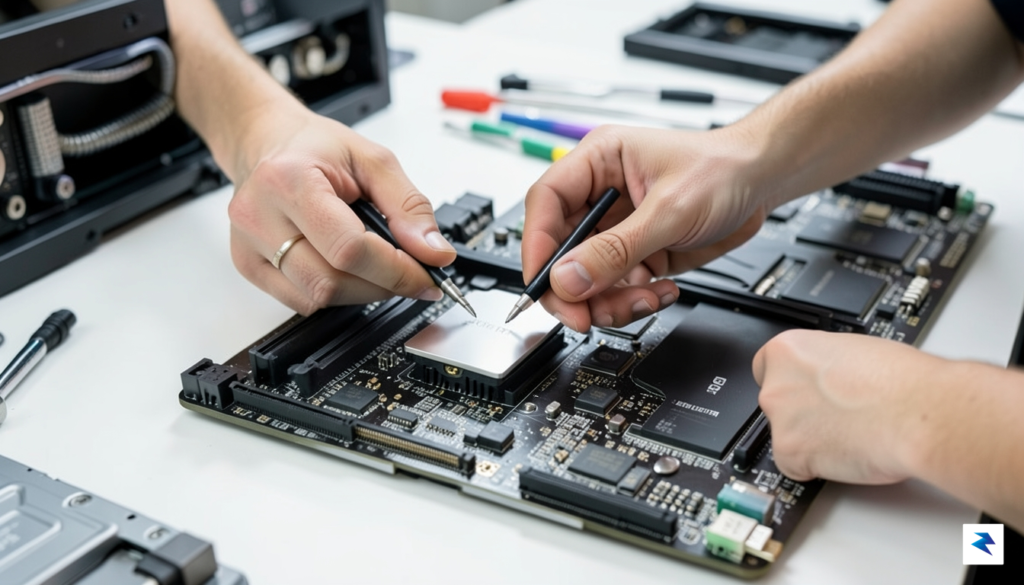
Before rushing into a high-priced purchase, take a moment to evaluate the hidden potential of your existing hardware. Most computers suffer from “perceived obsolescence” rather than true mechanical failure, meaning they feel slow simply because of software bloat and neglected maintenance. By adopting a proactive approach to care, you can revitalize your machine’s performance and squeeze several more years of productivity out of it, effectively bypassing the current inflated market prices.
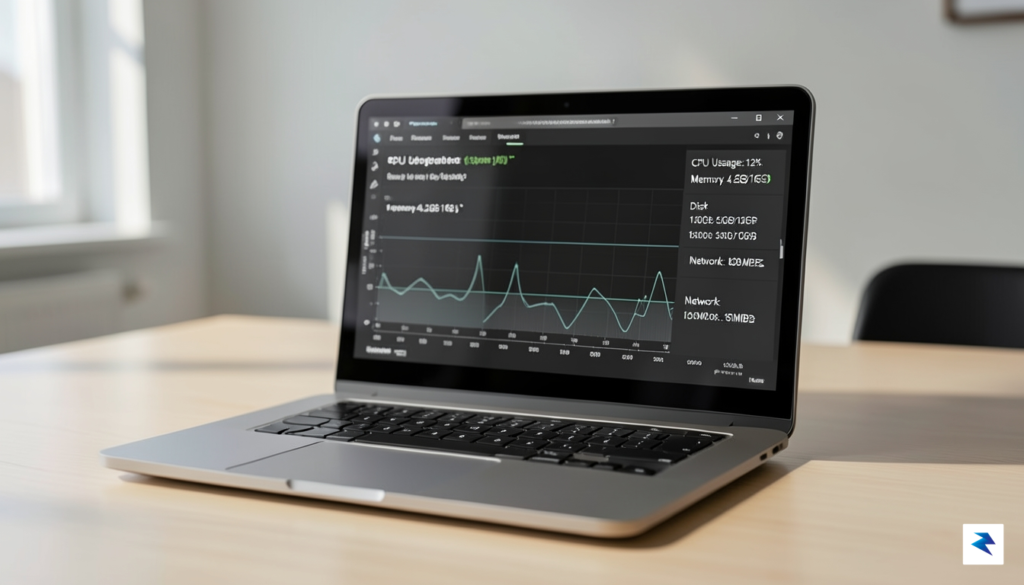
The most immediate and cost-effective way to improve speed is by auditing your software ecosystem. Over time, background processes, unnecessary startup applications, and fragmented files accumulate, creating a bottleneck that hinders your processor’s efficiency. Start by opening your task manager or activity monitor to identify and disable programs that launch automatically upon startup but are rarely used. Furthermore, performing a clean installation of your operating system can remove years of digital debris, effectively returning the machine to its “factory fresh” responsiveness. Regularly clearing your browser cache, managing temporary files, and ensuring that your drivers are updated are simple, free habits that often resolve the sluggishness mistaken for hardware failure.
If software optimization isn’t enough, minor hardware interventions can provide a massive performance boost for a fraction of the cost of a new machine. The most transformative upgrade you can make is replacing an aging mechanical hard drive with a Solid State Drive (SSD). The difference in read and write speeds is astronomical, turning a machine that takes minutes to boot into one that is ready in seconds. Additionally, if your computer allows for it, increasing your RAM capacity is a straightforward way to handle modern multitasking demands without stuttering. For laptop users, replacing a degraded battery can also breathe new life into a machine, allowing you to reclaim the portability that may have been lost as the cell reached the end of its chemical lifespan.
True longevity comes from recognizing that a machine’s utility is not defined by its release date, but by how well it is maintained to meet your specific computing needs.
Extending the lifespan of your current device is not just a savvy financial move; it is an act of environmental stewardship. Electronic waste is a growing global crisis, with millions of tons of discarded devices leaching toxic materials into landfills every year. By choosing to upgrade a component or optimize your system instead of buying new, you significantly reduce your carbon footprint and diminish the demand for resource-intensive manufacturing. Taking ownership of your technology’s health is a powerful way to vote against the culture of disposable electronics while keeping your hard-earned money exactly where it belongs—in your pocket.
Predicting the exact moment when the hardware market will return to a state of equilibrium is a challenge that even seasoned industry analysts are hesitant to tackle with certainty. While the immediate supply chain bottlenecks that defined the last few years are gradually easing, the transition to a more stable market is not a singular event, but rather a slow, grinding process of recalibration. We are currently observing a shift from reactive, crisis-driven logistics to a more strategic, long-term expansion of manufacturing capacity. However, these massive fabrication plants—often referred to as “fabs”—require years of construction and complex equipment calibration before they can contribute to the global supply, meaning that relief in the form of raw hardware availability will likely remain incremental rather than instantaneous.
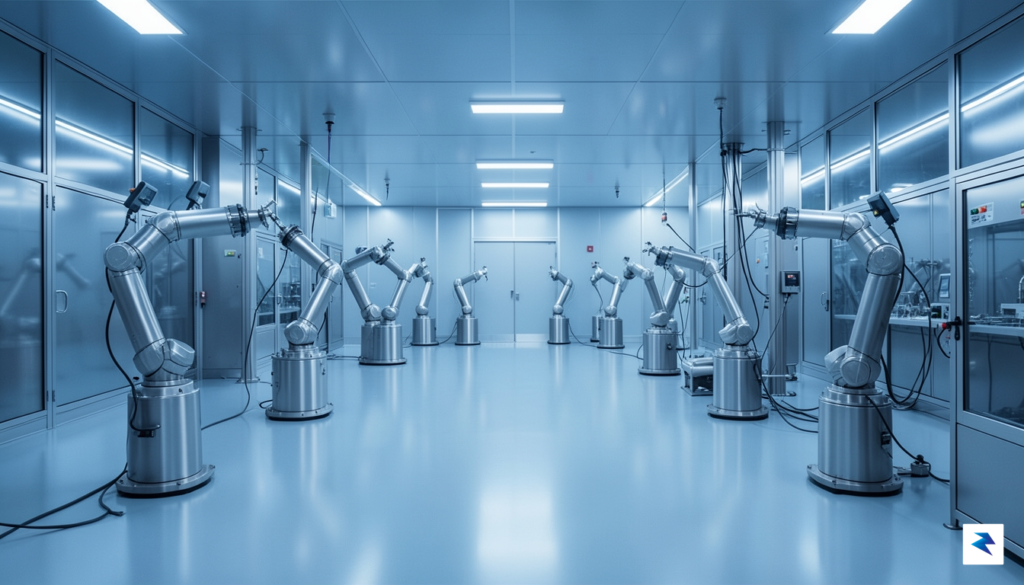
The primary hope for stabilization lies in the significant capital investments being poured into semiconductor manufacturing across North America, Europe, and Asia. These initiatives aim to diversify supply chains that were previously overly reliant on specific geographic regions, thereby reducing the risk of systemic collapse during future global disruptions. While these plants will eventually bolster the number of available chips for desktops, laptops, and professional workstations, they are not a silver bullet for consumer-facing costs. Integrating these new facilities into the global economy is a complex undertaking that will span the next several years, suggesting that market volatility will persist well into the mid-decade mark.
The reality of modern tech pricing is that we are likely witnessing a permanent shift in cost structures, driven by increased labor costs, logistical complexities, and the rising expense of advanced silicon lithography.
Furthermore, it is increasingly important for consumers to adjust their expectations regarding what constitutes a “normal” price point. Many analysts suggest that we may never return to the pre-shortage pricing era that defined the early 2010s. Several factors contribute to this new reality, including the sustained demand for high-performance components, the rising costs of raw materials, and a fundamental shift in how manufacturers manage inventory levels. Instead of the deep, cyclical discounts we once took for granted, the industry is moving toward a model of controlled supply and premium pricing. For the average buyer, this means that while availability will undoubtedly improve, the days of seeing significant price drops on the latest generation of hardware are likely behind us, cementing a higher baseline for the foreseeable future.
Ultimately, the path to stabilization will be defined by a delicate balance between increasing production output and the stabilizing of global logistics. While the hardware market is trending toward a more predictable state, the “new normal” will be characterized by higher entry costs for cutting-edge technology. Savvy consumers should look past the daily fluctuations of the market and focus on the long-term lifecycle of their devices, understanding that purchasing a new computer today is an investment in a market that prioritizes steady, if expensive, supply over the rapid, low-cost availability of the past.
You must be logged in to post a comment.