The Obsession with Quantified Health

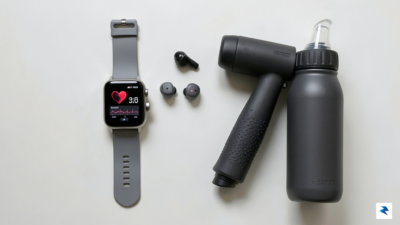
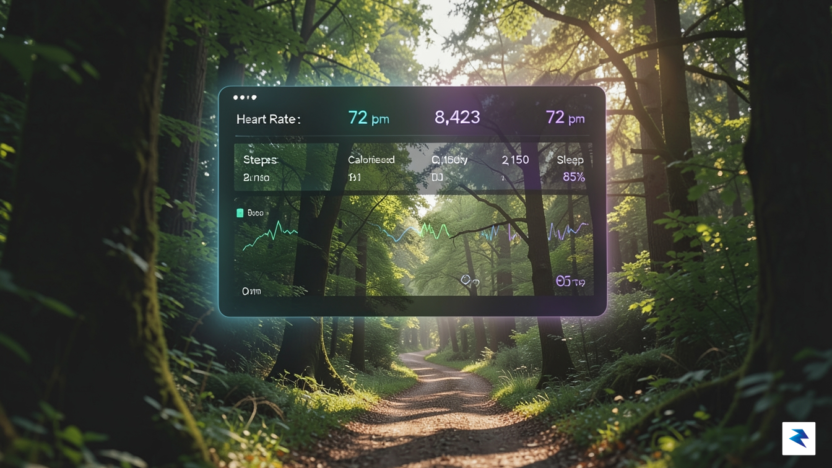
The modern landscape of personal wellness has undergone a radical transformation, moving away from subjective feeling and toward a culture of relentless digital surveillance. We live in an era where our wrists and pockets are populated by sophisticated sensors capable of logging heart rate variability, blood oxygen levels, sleep architecture, and even estimated recovery scores. This “quantified self” movement promises a future of total biological transparency, suggesting that if we can only capture enough data points, we can finally master the mysterious machinery of our own bodies. Yet, this pursuit of digital perfection often creates a paradox: the more we measure, the less we seem to listen to the nuanced, internal signals that have guided human health for millennia.
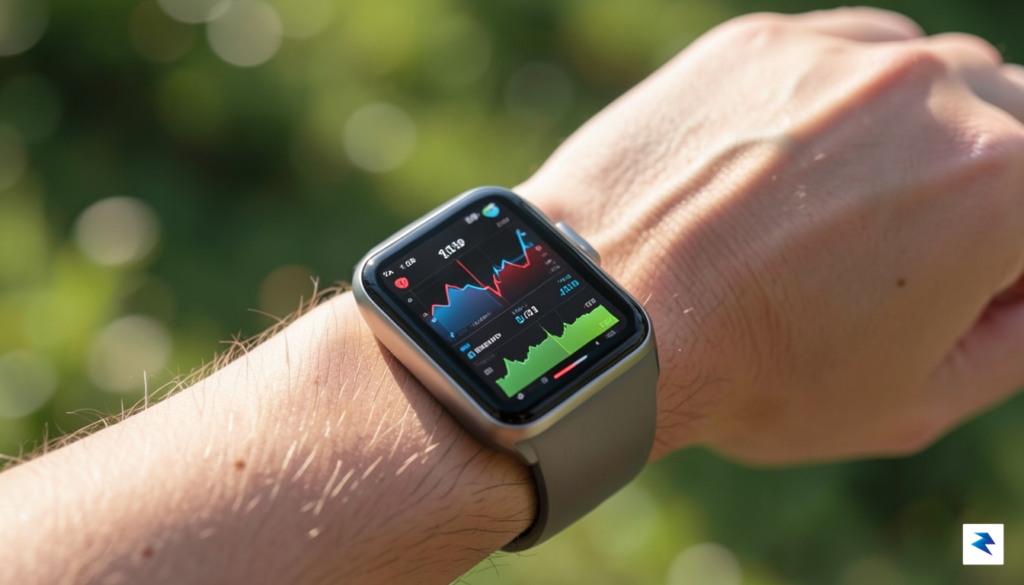
For many, the allure of these metrics stems from a deep-seated desire for validation. When we feel fatigued or stressed, a number on a screen offers a concrete explanation for our subjective experience. We look to our devices to confirm our health status, believing that a high “readiness score” or a perfect sleep cycle is the definitive proof of our physical vitality. However, this reliance on quantitative data frequently blinds us to the reality that health is not a static, measurable output but a dynamic, lived experience. When we permit a proprietary algorithm to dictate how we perceive our own energy levels or recovery needs, we essentially outsource our intuition to a device that is limited by the very sensors it relies upon.
The obsession with precision in health tracking often prioritizes the collection of data over the cultivation of bodily awareness, turning the pursuit of wellness into a source of chronic, low-grade anxiety.
Beyond the simple desire for information, there is a mounting psychological burden associated with this constant tracking that is rarely discussed in marketing materials. When every minor fluctuation in our resting heart rate becomes a cause for concern, we inadvertently introduce a new layer of stress into our daily lives—a phenomenon sometimes referred to as “orthosomnia” or health-related hyper-vigilance. The irony is that the pursuit of health optimization can easily cross the line into obsession, where the anxiety generated by tracking one’s metrics far outweighs the physiological benefits of the data itself. Ultimately, while precision and accuracy are prized in clinical settings, they are often secondary to the mental peace and self-trust that come from learning to interpret one’s own internal cues without the need for a digital intermediary.
Beyond the Scale: The Limits of Consumer Health Tech
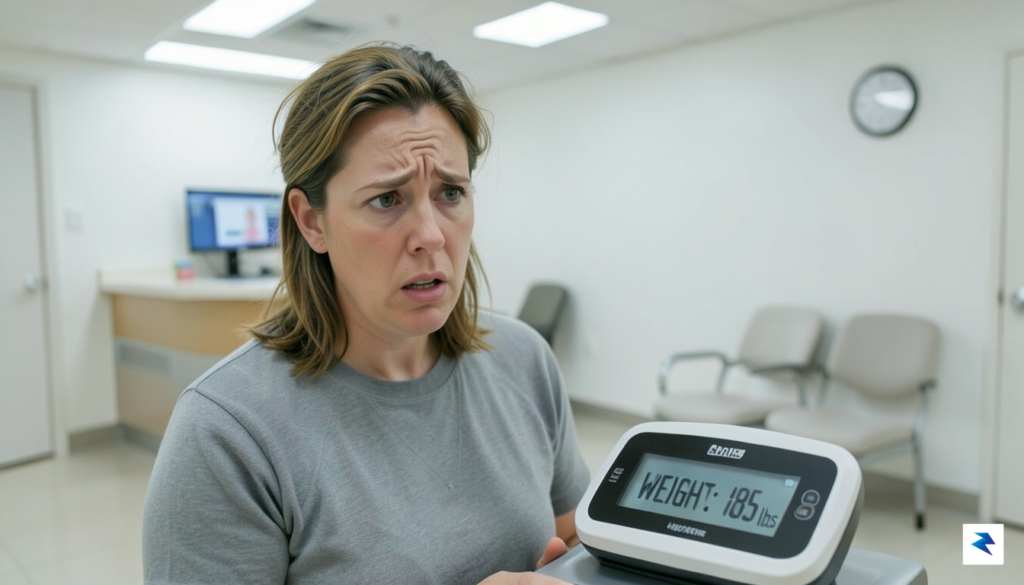
The modern marketplace is saturated with sleek wearables and smart scales that promise a granular view of our internal biology, yet there is a cavernous gap between the data they report and the clinical reality of a medical-grade assessment. Consumer-grade devices often rely on bioelectrical impedance analysis or basic optical heart rate sensors, which are designed for convenience and trend observation rather than diagnostic precision. While a clinical DEXA scan utilizes low-level X-ray technology to provide a high-resolution map of bone density and tissue composition, your smart scale is essentially making an educated guess based on electrical resistance through your feet. These consumer tools are calibrated for the “average” user, meaning they frequently falter when faced with individual variations in hydration levels, skin thickness, or even the time of day, leading to measurements that can fluctuate wildly despite no real change in your physical health.
It is essential to differentiate between wellness tracking—which is meant to encourage movement and general awareness—and medical diagnosis, which requires rigorous validation and peer-reviewed accuracy standards. When we treat a wearable’s output as an objective medical truth, we run the risk of pathologizing normal physiological variations. For example, a minor dip in heart rate variability (HRV) might be flagged by an app as a sign of overtraining or illness, triggering unnecessary alarm for a user who simply had a slightly poor night of sleep or a heavy meal. These small, often insignificant data points can create a feedback loop of health anxiety, where the stress of monitoring the metrics becomes more damaging to our well-being than the actual fluctuations we are tracking.
The danger of modern health tech lies not in the data itself, but in the misplaced authority we grant it; a trend is not a diagnosis, and a dashboard is not a doctor.
Furthermore, the technical limitations of these sensors are compounded by the complexity of the human body. Algorithms struggle to account for the nuance of individual metabolism, hormonal shifts, and environmental factors that a professional laboratory setting would account for during a metabolic rate test or a clinical blood panel. Relying too heavily on these gadgets can cause us to lose touch with our own internal cues, such as hunger, fatigue, and recovery, which are often far more reliable indicators of health than a digital readout. By shifting our focus away from the relentless pursuit of “perfect” data and back toward sustainable lifestyle habits, we can reclaim our relationship with health, treating these devices as simple signposts rather than the ultimate map of our physiological destiny.
The Psychological Toll of Data Overload
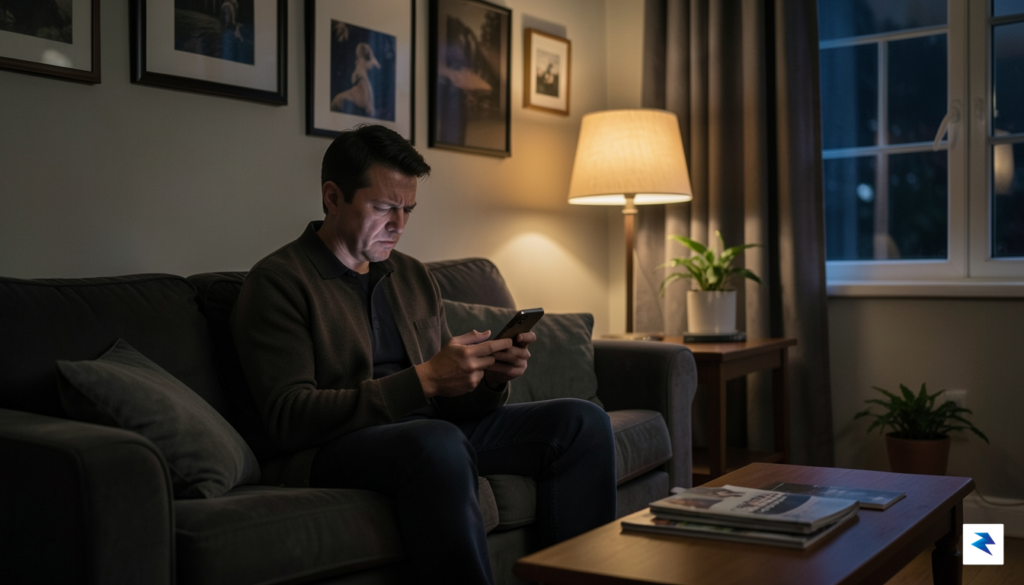
The modern obsession with quantified self-tracking has inadvertently birthed a form of digital orthorexia, where the pursuit of health becomes less about feeling vibrant and more about achieving the “perfect” data set. When we delegate our internal body signals—such as hunger, fatigue, or soreness—to the algorithms of a wrist-worn device, we begin to distrust our own lived experience. This shift transforms the inherently joyful act of movement into a rigid, stressful game of optimization. Instead of appreciating the capability of our bodies to navigate the world, we find ourselves tethered to recovery scores and sleep cycles, often feeling a sense of failure if the numbers do not align with our expectations. This relentless focus on granular metrics can effectively silence our intuitive health practices, replacing the wisdom of our own biology with the cold, sometimes inaccurate, output of a sensor.
Beyond the loss of bodily intuition, this hyper-fixation often leads to a diminished body image and a fragile sense of self-worth. When your daily mood is dictated by a fluctuation in a weight scale or a suboptimal “readiness score,” you grant an external device power over your emotional stability. The cycle of dependency is reinforced by constant notifications and gamified achievements that reward consistency at the expense of genuine rest. Consequently, we may push ourselves through exhaustion simply to close a digital ring or hit a step count, ignoring the vital necessity of recovery. This creates a feedback loop where the fear of an “incomplete” data day triggers anxiety, turning the tool meant to improve our health into a source of persistent psychological tension.

The moment health tracking ceases to be an informative guide and starts to function as a source of anxiety, it has stopped serving its purpose as a tool for well-being.
Ultimately, we must recognize that health is far more than the sum of its measurable parts. Human wellness is deeply tied to social connection, mental rest, and the psychological freedom to move in ways that feel good rather than efficient. By breaking the cycle of dependency on daily metrics, we allow ourselves the space to engage in movement for the sake of pleasure and to listen to our bodies without the intermediary of a screen. True health involves the ability to trust one’s own internal cues, recognizing that sometimes the most productive thing you can do for your body is to ignore the tracker entirely and simply exist in the moment.
Defining True Wellness Beyond Data Points

True wellness is rarely found within the cold, clinical confines of a spreadsheet or a weekly summary report generated by an algorithm. While modern wearables offer a fascinating glimpse into our biological functions, they often act as a barrier to the most important metric of all: our own internal awareness. True health is defined by how we navigate the world, how we regulate our emotions, and whether we possess the stamina to engage in the activities that bring us joy. When we rely exclusively on a digital interface to interpret our physical state, we inadvertently silence the nuanced signals our bodies provide, trading intuitive wisdom for the rigid reassurance of a numerical score.

To cultivate a more sustainable approach to health, we must learn to prioritize intuitive listening over the constant ping of a notification. This requires shifting our focus toward markers that require no sensors or software to track. For instance, consider the quality of your sleep as it pertains to your morning clarity rather than a sleep-stage graph. Ask yourself if you wake up feeling genuinely restored or if you are simply hitting a “readiness score” target. Similarly, pay attention to your mood throughout the day—not just as a reaction to external stressors, but as a barometer for how your current lifestyle choices, nutrition, and movement patterns are serving your nervous system. By observing these markers, we reconnect with the body’s innate intelligence, which remains far more sophisticated than any consumer-grade device.
True wellness is not a metric to be optimized, but a state of harmony to be lived and felt through daily experience.
Adopting a “tech-light” approach to fitness is an effective way to reclaim your autonomy from the grip of constant data tracking. This does not mean discarding your devices entirely, but rather using them as an occasional reference point rather than a daily mandate. You might choose to engage in a week of “blind” training, where you listen to your body’s signals for exertion and recovery instead of checking your heart rate zones or calorie burn. During these periods, focus on how your muscles feel, the consistency of your energy levels, and your overall capacity to recover from intense bouts of activity. Over time, this practice builds a profound level of self-trust, allowing you to move with confidence regardless of whether a screen is there to validate your progress.
Ultimately, shifting away from vanity metrics—such as step counts or arbitrary activity goals—is essential for long-term health and mental clarity. When we stop viewing our bodies as machines that need to be calibrated and start treating them as living, breathing ecosystems, we foster a more compassionate and sustainable relationship with ourselves. By prioritizing how we feel over what a device tells us, we move toward a version of wellness that is not only more accurate but infinitely more fulfilling.
Finding Balance in a Data-Driven World
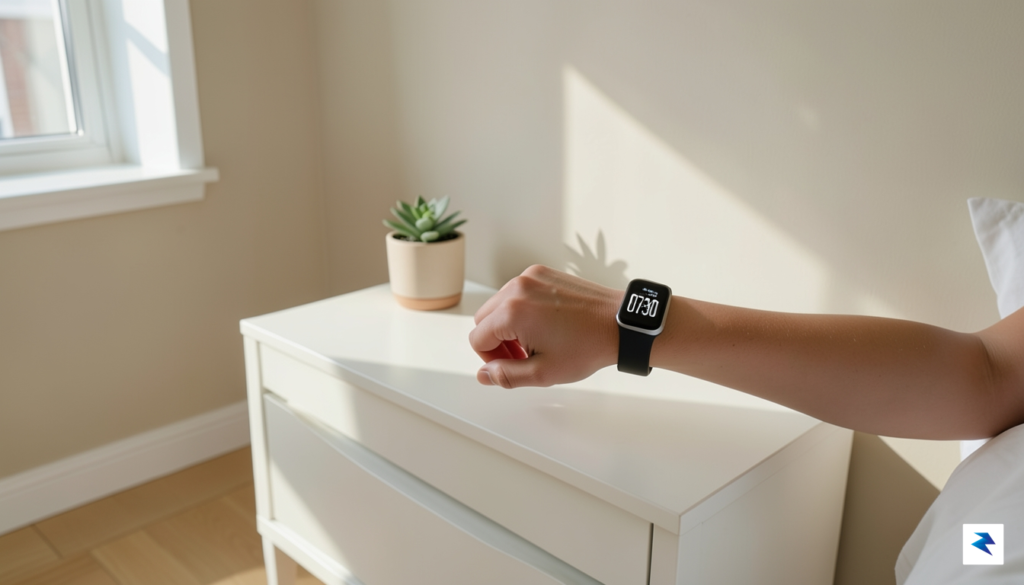
To reclaim your relationship with your health, it is essential to begin viewing your wearable device as a humble assistant rather than an authoritative architect. Start by implementing intentional “data-free zones” in your daily routine, such as leaving your watch in a drawer during weekend hikes or turning off non-essential notifications that prioritize metrics over your lived experience. By creating these boundaries, you invite space for self-reflection that isn’t mediated by an algorithm. Instead of checking your wrist to see if you have “earned” a rest day, try to cultivate the habit of asking yourself how your muscles feel or how your energy levels fluctuate throughout the afternoon. This shift from external validation to internal observation is the first step toward restoring your personal autonomy.

Human intuition remains an incredibly sophisticated, yet underutilized, diagnostic tool that no software update can fully replicate. Your body is constantly sending subtle signals—the tightness in your chest, the quality of your sleep, or the specific way your mood shifts after certain meals—that often fall outside the binary parameters of a tracking app. When we rely too heavily on raw data, we risk muting these vital internal communications, effectively outsourcing our self-awareness to a silicon chip. Prioritizing your own intuition allows you to move away from the clinical obsession of perfection and toward a more nuanced, sustainable understanding of your unique biological rhythms.
True health is found in the harmony between objective metrics and subjective experience; one should inform your choices, but the other should dictate your life.
Ultimately, the goal of using health technology should be to enhance your life, not to manage it like a project that requires constant optimization. If a device is causing you to feel anxious about a missed step goal or stressed by a slightly lower-than-average sleep score, it has ceased to be a tool and has instead become a source of friction. By loosening your grip on the numbers, you allow yourself to pursue well-being as a holistic endeavor rather than a series of statistics to be improved. Remember that your worth and your health are not defined by the sum of your daily data, but by your ability to live with curiosity, presence, and a genuine connection to your own physical and mental state.