Why Your Health Tracker Might Be Doing More Harm Than Good
The Obsession with Quantified Health The modern landscape of personal wellness has undergone a radical transformation, moving away from…
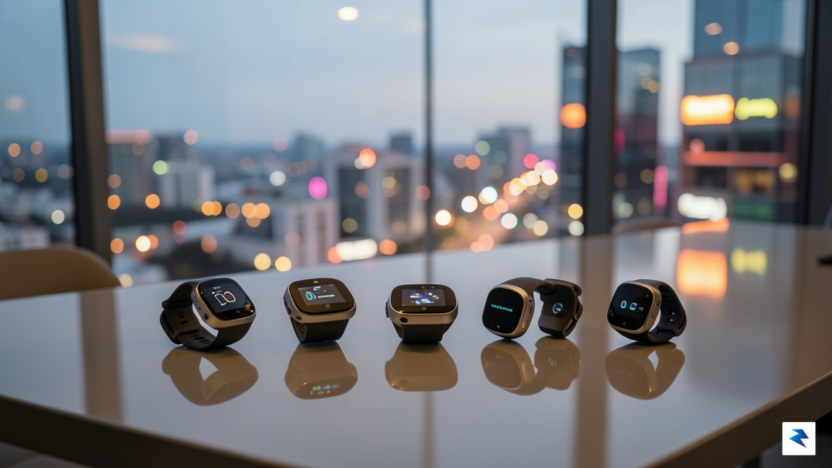
For fitness enthusiasts and health-conscious individuals, Amazon Prime Day has evolved far beyond a simple retail event; it has become the definitive window of opportunity to invest in personal wellness technology. Historically, premium health trackers and smartwatches command a significant price tag, often deterring those who are curious about monitoring their biometric data but hesitant to commit to a major expense. By clustering significant discounts during these mid-year sales, Amazon effectively lowers the barrier to entry, allowing consumers to acquire sophisticated devices like the Fitbit Charge 6 or the family-oriented Ace LTE at a fraction of their standard retail cost.
Fitbit has long held its position as a market leader by bridging the gap between clinical-grade health tracking and everyday usability. The brand’s enduring popularity stems from its intuitive interface, deep integration with mobile ecosystems, and the reliability of its sensor arrays, which provide actionable insights into heart rate variability, sleep stages, and daily activity levels. Because these devices are built to be worn continuously, they are subject to the natural wear and tear of an active lifestyle. Consequently, Prime Day serves as the perfect catalyst for those looking to replace an aging model or for newcomers who have finally decided that it is time to take a data-driven approach to their physical health.
Timing a technology purchase is often a strategic game, and waiting for these specific retail cycles is arguably the smartest way to maximize your budget. While minor sales occur throughout the year, the depth of the price drops observed during Prime Day is rarely matched, making it the most cost-effective moment to upgrade your hardware. Whether you are seeking the advanced fitness-tracking capabilities of the Charge 6 to refine your training regimen or interested in the Ace LTE to encourage healthy habits in younger family members, the current discounts represent a rare intersection of high utility and affordability.
The true value of a fitness wearable lies in consistency; by lowering the initial purchase cost, Prime Day empowers more users to build long-term, sustainable health habits that start with a single, affordable investment.
Ultimately, these price reductions do more than just save money; they democratize access to essential health metrics that were once reserved for elite athletes. When a device becomes more accessible, it becomes a permanent part of the user’s routine, transforming how they perceive their daily activity, recovery, and overall well-being. By taking advantage of this year’s significant markdowns, you aren’t just buying a gadget—you are securing a comprehensive toolset designed to provide the clarity and motivation needed to reach your personal fitness milestones throughout the rest of the year.
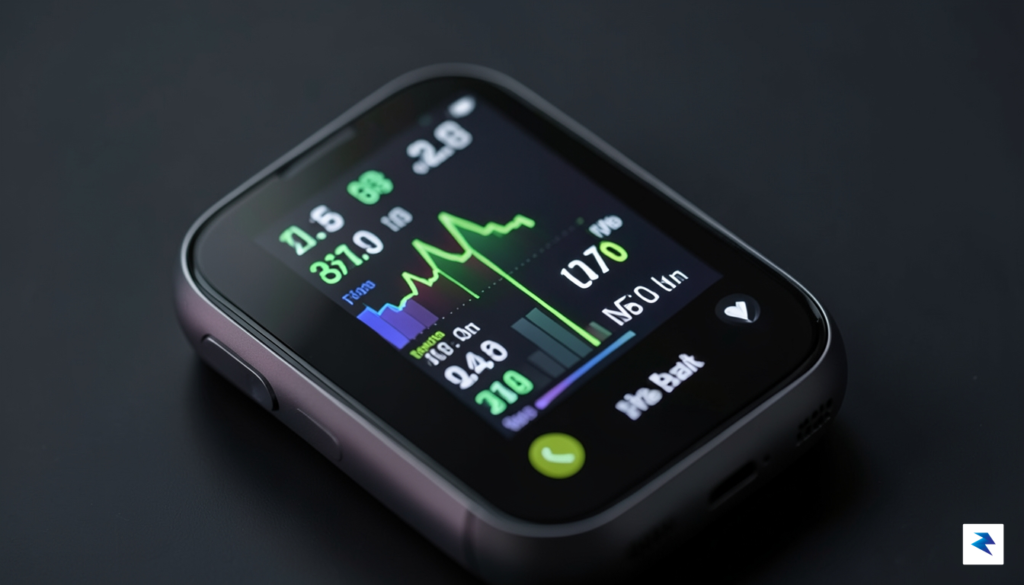
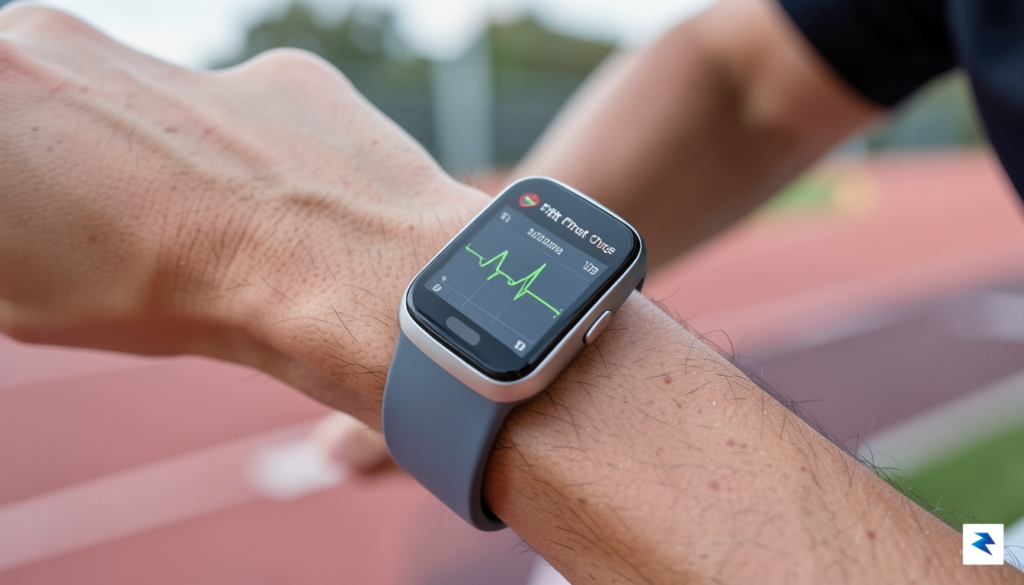
The Fitbit Charge 6 occupies a unique space in the wearable market, effectively bridging the gap between basic fitness bands and bulky, feature-heavy smartwatches. By packing enterprise-grade health sensors into a sleek, unobtrusive form factor, it appeals to athletes who prioritize data accuracy without the distraction of a large screen. At the heart of its performance is an improved heart rate tracking algorithm that has been specifically tuned for high-intensity interval training (HIIT) and rapid changes in cardiovascular output. Whether you are sprinting on a track or powering through a circuit, the device maintains clinical-level precision, ensuring that your calorie burn and intensity zones are recorded with reliable accuracy.
Beyond raw heart rate data, the device offers a sophisticated suite of sensors designed for proactive health monitoring. The built-in ECG app allows users to assess their heart rhythm for signs of atrial fibrillation, while the EDA (electrodynamic activity) sensor monitors your body’s response to stress by measuring small electrical changes in your skin. Furthermore, the inclusion of SpO2 sensors provides critical insights into your blood oxygen saturation levels during sleep, which can be an early indicator of recovery issues or sleep disturbances. These metrics, when viewed through the Fitbit app, provide a comprehensive health dashboard that empowers users to make informed adjustments to their daily routines.
The Charge 6 stands out as the gold standard for those who demand deep, actionable health insights without sacrificing the convenience of a compact, comfortable wearable.
Integration with the Google ecosystem further elevates the Charge 6 above its competitors, transforming it from a passive tracker into a functional daily assistant. The native support for Google Maps provides turn-by-turn navigation directly on your wrist, which is an invaluable tool for cyclists and outdoor runners exploring new routes. Additionally, the inclusion of Google Wallet allows for seamless, contactless payments, meaning you can leave your phone and wallet behind during long training sessions.
When it comes to longevity, the device delivers an impressive battery life that lasts up to seven days on a single charge, depending on usage. This endurance is particularly vital for those who utilize the continuous heart rate monitoring and sleep tracking features, as it eliminates the “charging anxiety” often associated with full-featured smartwatches. By balancing robust technical specifications—such as built-in GPS and advanced health sensors—with a refined user experience, the Charge 6 proves that you do not need a massive display to gain a deeper, more meaningful understanding of your physical performance.
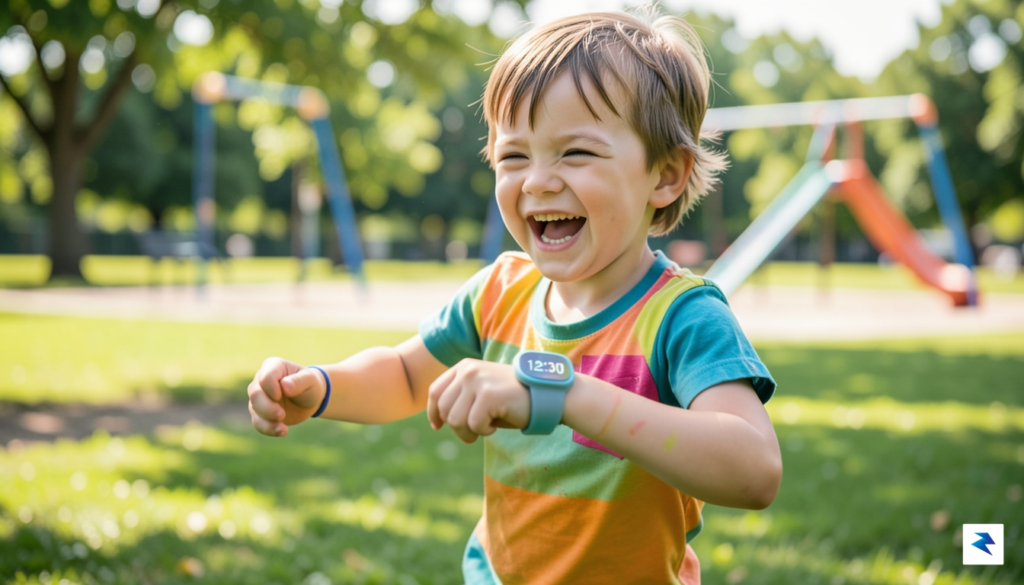
For parents navigating the balance between digital connectivity and physical well-being, the Fitbit Ace LTE represents a significant departure from traditional children’s wearables. Unlike standard activity trackers that merely log steps, this device functions as a dedicated communication and motivation hub tailored specifically for a younger demographic. By integrating reliable LTE connectivity, the watch ensures that parents can maintain contact with their children through calls and messages without the need for a full-blown smartphone, which often introduces unwanted distractions and complex privacy concerns. This direct line of communication is managed entirely through the dedicated Fitbit Ace app, granting parents comprehensive control over approved contacts and ensuring the device remains a safe, contained environment for their children.
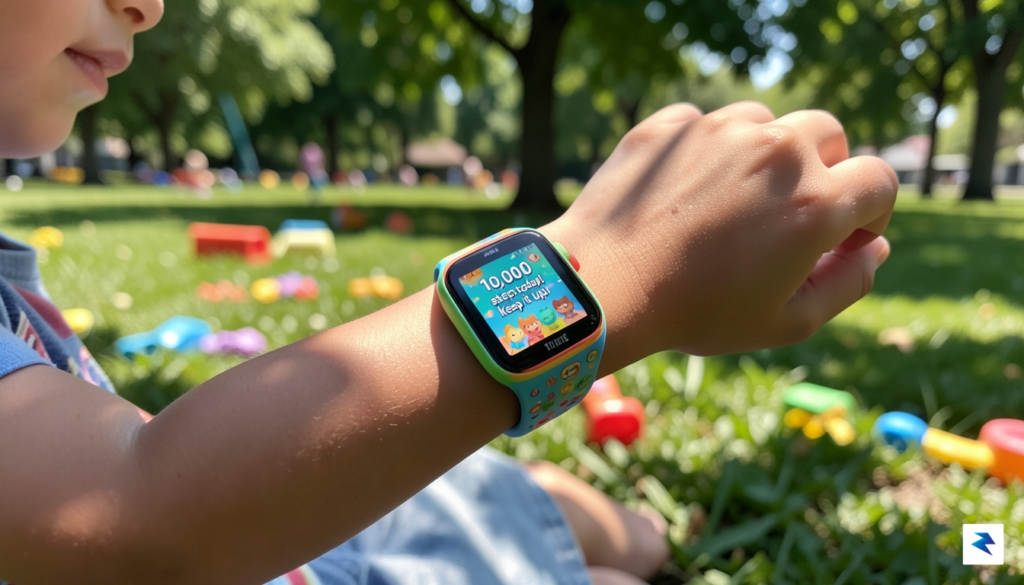
Beyond its safety credentials, the Ace LTE excels at transforming mundane physical activity into an engaging, game-like experience. The device leverages interactive challenges and rewarding digital experiences that evolve as the child moves, effectively gamifying exercise in a way that resonates with today’s tech-savvy generation. Instead of just staring at a static bar graph, kids are encouraged to stay active to unlock new features and virtual milestones within the watch’s ecosystem. This approach shifts the narrative from “exercise as a chore” to “movement as a key to play,” fostering healthy habits that can persist long after the child outgrows the device.
The Fitbit Ace LTE bridges the gap between modern safety requirements and the need for physical engagement, offering a robust, screen-time-balanced alternative to traditional mobile devices.
Durability is arguably just as critical as software for any gadget intended for a child, and the Ace LTE is built to withstand the rigors of an active lifestyle. The design incorporates a rugged, water-resistant exterior that can handle everything from accidental splashes at the pool to the inevitable tumbles that occur on the playground. Furthermore, the intuitive interface ensures that navigation is simple and frustration-free, allowing children to focus on their activities rather than struggling with complex menus. When paired with the peace of mind provided by real-time location tracking and the security of a private, managed network, the Ace LTE stands out as a thoughtful investment for families looking to introduce technology in a controlled, purposeful, and health-focused manner.
When evaluating these Prime Day discounts against historical retail trends, the financial incentive becomes immediately apparent for both casual fitness enthusiasts and parents alike. Historically, Fitbit’s flagship trackers rarely see price cuts that dip significantly below their standard MSRP, making a savings margin exceeding $70 a noteworthy event. By moving the Charge 6 into a much more accessible price bracket, the value-to-cost ratio shifts dramatically in favor of the consumer. You are essentially acquiring a premium-tier health monitoring device—complete with advanced heart-rate tracking, ECG capabilities, and deep integration with Google’s ecosystem—for the price of a budget-tier peripheral. This isn’t just a temporary sale; it represents a strategic opportunity to secure high-end health data tracking at a fraction of the typical cost of ownership.
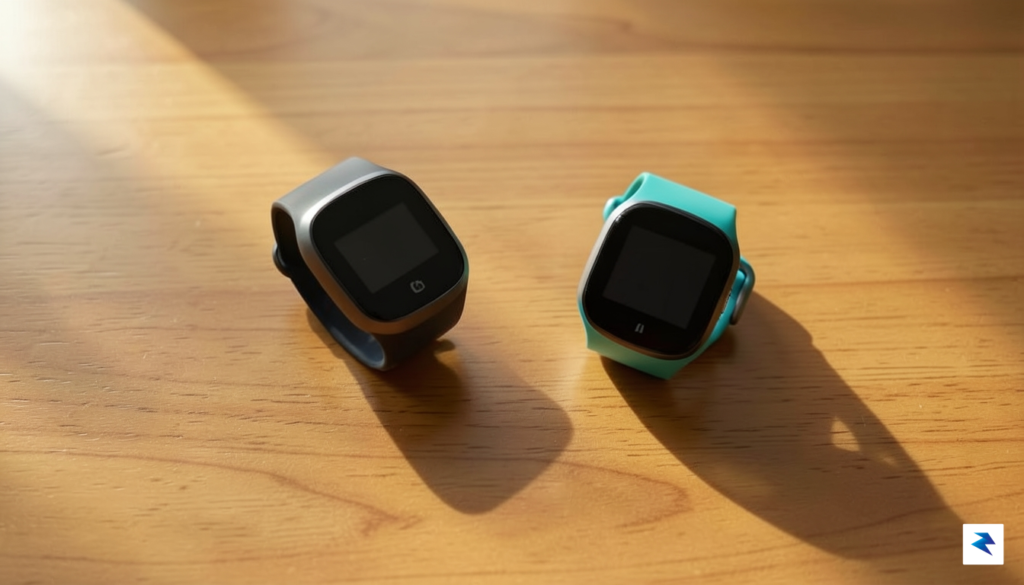
The value proposition for the Ace LTE is equally compelling, particularly when viewing it through the lens of long-term gift planning for the upcoming holiday season. Entry-level pricing on a device specifically engineered for children, which includes robust safety features like real-time location tracking and encrypted communication, is rarely this aggressive. While parents often hesitate to invest in tech for younger children due to the fear of accidental damage or rapid obsolescence, these Prime Day price drops mitigate that risk significantly. Because the Ace LTE is designed with a durable, active-lifestyle-oriented build, the hardware is meant to withstand the daily rigors of a child’s schedule, ensuring that the initial investment provides value over several years of use.
The Bottom Line: Securing these devices during the Prime Day window effectively lowers the “cost-per-day” of your investment, providing a high-performance health and safety tool that retains its utility long after the sale ends.
Beyond the immediate sticker price, one must consider the longevity of these devices in terms of software support and hardware durability. Fitbit maintains a consistent track record of pushing firmware updates that improve sensor accuracy and battery management, meaning your purchase today will likely remain relevant well into the future. The Charge 6, in particular, benefits from Google’s continued commitment to the platform, ensuring that users receive feature enhancements that keep the hardware feeling fresh. By capitalizing on these specific price points, you are not merely buying a gadget on discount; you are investing in a sustainable piece of wearable technology that balances reliable build quality with a long-term software roadmap, ultimately providing a superior return on your hard-earned money.
Selecting the ideal wearable requires a clear understanding of your personal priorities, as the current Fitbit lineup caters to vastly different user experiences. If your primary motivation is optimizing your athletic performance, tracking complex recovery metrics, or maintaining a sleek profile during intense workouts, the Charge 6 is arguably your best companion. It offers a comprehensive suite of health sensors—including an ECG app and EDA sensors for stress management—that are designed for adults who want granular data about their physiological health. Conversely, if your goal is centered around family safety and maintaining a line of communication with your children without the distractions of a full smartphone, the Ace LTE shifts the focus from deep biometric data to location tracking, secure messaging, and activity-based gamification.
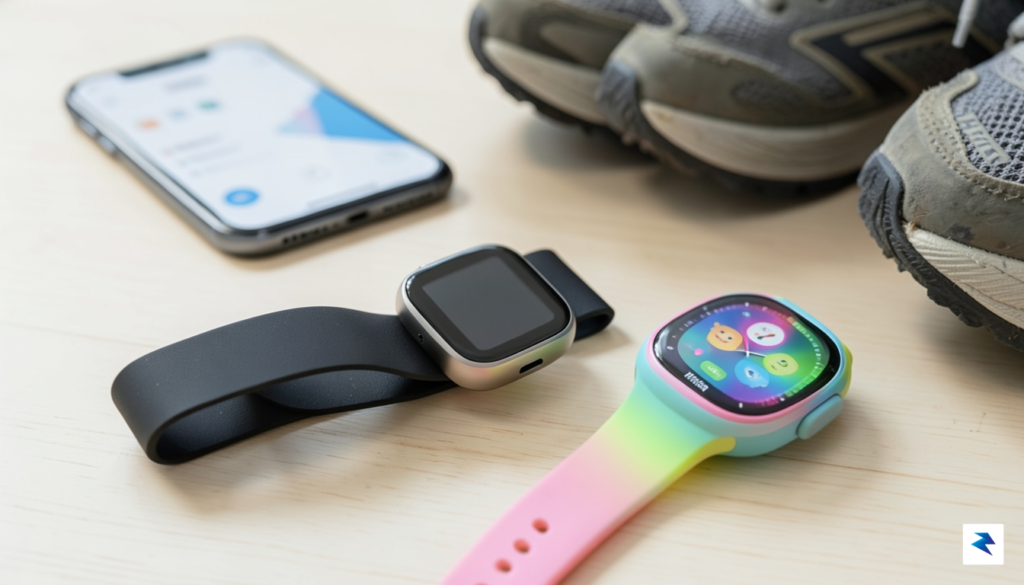
Before finalizing your purchase, it is essential to consider the underlying ecosystem compatibility and the specific hardware requirements of each device. While Fitbit remains highly inclusive, the Ace LTE is specifically engineered to operate within a walled-garden environment that prioritizes child safety, meaning its features are locked into a subscription-based model that manages connectivity independently. Meanwhile, the Charge 6 requires integration with a smartphone to unlock its full potential, including GPS mapping and notification syncing. You should verify that your current mobile device is listed on Fitbit’s compatibility list to ensure seamless syncing, as failing to do so could result in frustrating connectivity hurdles once you take the tracker out of the box.
To ensure your new wearable fits seamlessly into your daily routine, consider this brief checklist before hitting the checkout button:
The best device is not necessarily the one with the most sensors, but the one you are most likely to wear consistently every single day.
Ultimately, your decision should hinge on which device removes the most friction from your life rather than which one offers the most bells and whistles. If you find yourself consistently forgetting to charge your devices or feeling overwhelmed by too much data, a simpler interface might serve you better in the long run. By clearly defining whether you are shopping for a fitness-focused tool or a connectivity-focused safety device, you can take full advantage of current price drops while ensuring your investment supports your long-term wellness or parenting goals.
You must be logged in to post a comment.