
Fine-Tuning Local LLMs: Categorize Questions Efficiently with Qwen 0.5B
Why Local LLMs Matter for Data Classification In an era where data privacy is no longer a luxury but a fundamental requirement, the…

When you click the “Confirm and Pay” button on Airbnb, you are not merely making an inquiry; you are entering into a legally binding contract. This agreement stipulates that the host will provide the specified accommodation for the exact price displayed at the time of booking. Consequently, a host cannot unilaterally alter the terms of this contract, including the nightly rate, simply because market demand has surged due to a major event like the World Cup. Any attempt to demand additional payment after the reservation has been finalized is a direct violation of Airbnb’s platform policies, which are designed to ensure transparency and trust between parties.
Airbnb’s internal policies, particularly the Guest Refund Policy and the Rebooking and Refund Policy, exist to protect travelers from exactly these types of predatory tactics. If a host attempts a “bait and switch” maneuver—where they pressure you to pay a higher rate under the threat of cancellation—they are breaching their agreement with both you and the platform. Airbnb explicitly prohibits hosts from soliciting payments outside of the platform or demanding extra funds that were not part of the original, confirmed reservation. If a host insists on these illicit demands, they are effectively failing to provide the service as promised, which triggers your right to seek intervention through Airbnb’s support channels.
It is essential to understand that you are under no obligation to agree to a price hike once your payment has been processed. If a host contacts you to request more money, you should refrain from paying them through any third-party app or cash transaction, as doing so removes the protections afforded by Airbnb’s secure payment system. Instead, keep all communication within the Airbnb messaging thread, as this serves as vital documentation for the platform’s resolution center. If the host refuses to honor the original price, they are the ones who must initiate a cancellation, which often carries significant financial and reputational penalties for them under Airbnb’s host cancellation policy.
Key Takeaway: A confirmed booking is a locked-in agreement. Never pay extra fees requested via private messages, as this voids your platform protections and provides no guarantee that the host will actually honor the reservation.
Ultimately, your defense lies in maintaining the integrity of the platform’s terms of service. By refusing to engage in side payments and reporting the host’s demand immediately, you leverage the platform’s authority to enforce the original contract. Airbnb’s policies are built to favor the guest when a host attempts to leverage a reservation for personal gain, and standing your ground is often the most effective way to ensure your travel plans remain secure and affordable.
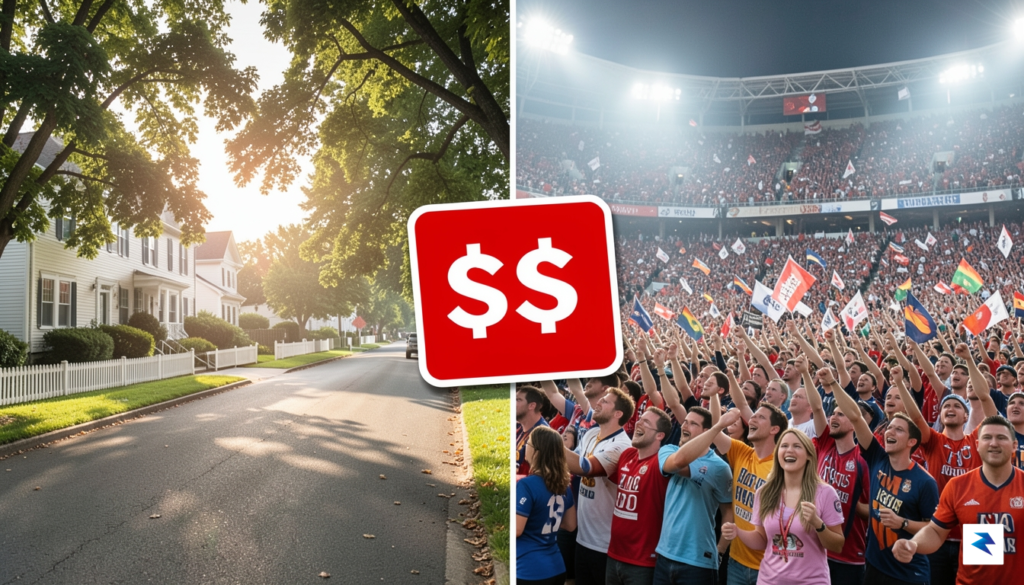
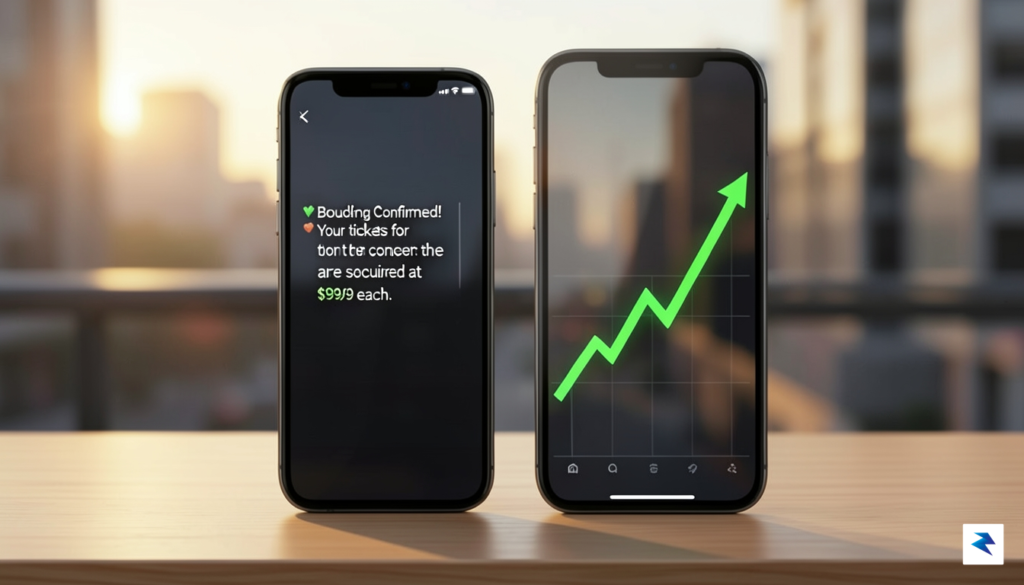
When a mega-event like the World Cup descends upon a host city, the local rental market undergoes a radical transformation. Suddenly, the supply of available accommodations becomes critically scarce, while the influx of international travelers creates an exponential demand spike. For many hosts, this shift creates a profound psychological and financial conflict. Seeing their neighborhood transformed into a high-demand epicenter, some hosts fall victim to a form of “event greed,” where the desire to maximize seasonal profit eclipses their commitment to the integrity of an existing contract. It is a moment where the promise of a significant windfall feels tangible, often leading hosts to disregard the legal and ethical boundaries of a confirmed reservation.
Compounding this human impulse is the prevalence of sophisticated, third-party dynamic pricing algorithms. These tools are designed to monitor market conditions in real-time, automatically suggesting rate adjustments based on search volume, nearby hotel availability, and local event calendars. When a host receives a notification from these automated systems suggesting that their property could command triple the price during the tournament, it creates a powerful sense of lost opportunity. The software effectively gamifies the booking process, turning a residential rental into a speculative asset. Consequently, hosts often feel emboldened by the algorithm’s data to reach out to guests, attempting to coerce them into paying a “market adjustment” fee under the threat of cancellation.
This behavior presents a significant ethical dilemma for the host. While operating a rental property is undeniably a business venture, it is also a service industry built on the foundation of consumer trust. When a host decides to prioritize profit over an existing agreement, they are essentially signaling that their word is only as good as the current market rate. This transactional approach strips the hospitality experience of its human element, reducing the guest to a mere data point in a bidding war. Ultimately, while the temptation to capitalize on a global stage is understandable from a strictly financial perspective, it reveals a fundamental misunderstanding of the Airbnb platform—a system that relies on consistency, reliability, and the sanctity of the booking confirmation to function for both parties.
When a host chooses to leverage a global event to bypass an existing contract, they risk more than just a bad review; they undermine the very trust that makes the peer-to-peer travel economy possible.
Navigating these demands requires guests to understand that these requests are rarely rooted in necessity, but rather in a calculated attempt to extract extra revenue. By recognizing that these price hikes are often driven by cold, automated software rather than genuine changes to the property’s value, guests can better advocate for themselves when faced with such unprofessional ultimatum.

The ethos of home-sharing, once defined by individual hosts opening their spare bedrooms to travelers, has been fundamentally altered by the encroachment of professional property management companies. In this new era of professionalized lodging, many units are no longer managed by residents but by large-scale entities that oversee hundreds of listings simultaneously. These firms leverage sophisticated algorithmic pricing tools that monitor market demand in real-time, effectively treating every calendar date like a volatile stock market asset. When a major global event like the World Cup creates a sudden, massive spike in travel demand, these algorithms often signal that a property is drastically undervalued, prompting managers to seek ways to extract higher premiums from existing bookings.
This pursuit of yield management often prioritizes profit margins over the stability of guest experiences, leading to the systemic issue of automated or coerced cancellations. Because these management firms operate at such a high volume, a single booking confirmed months in advance can feel like a liability when the algorithm predicts that a higher price point can be reached closer to the date. Consequently, hosts may reach out to guests with demands for additional payments, framing them as “service upgrades” or “market adjustments.” If a guest refuses to comply with these unsolicited demands, the host might unilaterally cancel the reservation, gambling that the penalty for doing so is smaller than the surplus revenue they expect to generate from a new, higher-paying guest.

While platforms have implemented financial penalties for hosts who cancel confirmed reservations, these measures are frequently insufficient to discourage bad behavior during peak events. When a host stands to gain thousands of dollars by re-listing a property, a small administrative fee or a temporary hit to their search ranking is often viewed as a simple “cost of doing business.”
Furthermore, human intervention in these disputes is often hampered by the very structure of the platform’s support systems. When a guest encounters a host demanding more money, they are typically funneled through automated chat interfaces or overseas support centers that lack the authority to enforce immediate, meaningful consequences against professional management companies. By the time a case is escalated to a human representative with real decision-making power, the guest is often left in a state of limbo, unable to secure alternative accommodation at a reasonable price. The systemic failure lies in the platform’s reluctance to treat these coercive tactics as a serious breach of contract, choosing instead to treat them as interpersonal disputes rather than the calculated business strategies they actually are.

Securing your accommodation during high-demand events like the World Cup or major festivals requires more than just a quick click on the “reserve” button; it demands a proactive, defensive strategy. The most effective way to start is by thoroughly vetting your host’s track record before you commit a single dollar. Look closely at the host’s profile, specifically focusing on their cancellation history and recent guest reviews. If you notice a pattern of last-minute cancellations or reports of hosts attempting to renegotiate prices after a booking is confirmed, it is a significant red flag. By choosing hosts with “Superhost” status or those who have consistently honored their commitments over several years, you significantly reduce the likelihood of being caught in a predatory pricing scheme.
Once you have secured your booking, your primary defense is maintaining an airtight paper trail within the Airbnb platform. Never move your conversations to private emails, text messages, or third-party messaging apps, as these communications fall outside of the company’s oversight and dispute resolution protocols. If a host asks to discuss “extra fees” or “booking adjustments” off-platform, politely but firmly insist that all correspondence remains within the app. This ensures that if the host attempts to coerce you into paying more, a support agent can easily review the evidence and hold the host accountable to the original terms of service.
Always treat your booking confirmation and the original price breakdown as a binding contract. Taking immediate screenshots of these documents creates a timestamped record that is crucial if you need to escalate a dispute to Airbnb’s customer support team.
Furthermore, be diligent about capturing and storing evidence the moment your reservation is accepted. Take high-resolution screenshots of the total price, the specific dates, and the cancellation policy listed at the time of purchase. Should a host suddenly claim there was a “glitch” or a “pricing error,” having these static images provides an undeniable record of your initial agreement. If a host does attempt to extort more money, do not engage in heated arguments; instead, calmly state that you have a confirmed reservation at the original price and inform them that you will be reporting the request to Airbnb support. By documenting every interaction and refusing to step outside the platform’s safety net, you transform your booking from a vulnerable agreement into a secure, protected asset.

If you find yourself being pressured by a host to pay more than the price you originally agreed upon, the most critical rule is to never pay outside of the Airbnb platform. Any request for a wire transfer, cash payment, or Venmo deposit is a massive red flag and a direct violation of Airbnb’s terms of service. By keeping all communication within the Airbnb messaging system, you create an undeniable digital paper trail that the company’s support team can review. Should a host threaten to cancel your reservation unless you pay an “additional fee,” do not cave into the pressure; instead, firmly state in the app that you expect the host to honor the existing contract at the confirmed rate.
When dealing with a host who is attempting to price-gouge, standard chat support may initially provide generic or unhelpful responses. You must be proactive in requesting an escalation. Ask the representative to elevate your case to a Case Manager immediately, as these individuals have the authority to override standard policies and enforce existing booking agreements. When you speak with them, provide the exact dates of the messages where the host demanded extra money, as this constitutes a breach of the booking terms. Being persistent and calm while explicitly stating that you are being coerced is often the only way to get a senior agent to intervene effectively on your behalf.

It is equally important that you do not cancel the booking yourself under any circumstances. If you cancel, you may be subject to the host’s cancellation policy, which could result in you losing your initial deposit or the full booking amount. By keeping the reservation active, you force the host to be the one to initiate a cancellation, which carries significant penalties for them, including automated reviews and potential removal from the platform. If the host refuses to host you after you refuse their demand, they must process the cancellation, which then triggers Airbnb’s rebooking protection policies.
Remember: Your original booking confirmation is a legal contract. You are not obligated to subsidize a host’s desire to capitalize on high-demand events like the World Cup after the price has already been locked in.
Finally, always document every interaction meticulously. Take screenshots of the host’s demands, your responses, and any subsequent threats, as these can easily disappear if a host manages to manipulate the message thread or delete their account. If the host becomes aggressive or uses intimidating language, report the profile immediately using the “Report this user” function. By documenting the incident thoroughly and refusing to engage with demands outside the app, you place the burden of accountability back on the host and ensure that you remain protected under Airbnb’s guest policies.

As cities prepare to host global spectacles like the 2026 World Cup, municipal governments are increasingly treating short-term rentals not as a convenience, but as a critical piece of urban infrastructure. In response to the rampant price-gouging and housing displacement that often follow high-demand events, many local jurisdictions are now implementing stricter registration requirements, occupancy caps, and specialized tax levies. These regulatory shifts suggest a future where the “wild west” era of event-based hosting is coming to a close. For travelers, this means that while the landscape is becoming more legally codified, it is also becoming more bureaucratic, as cities strive to balance the economic boon of tourism with the stability of their local residential markets.
To remain viable in these changing environments, major booking platforms must move beyond simple mediation and toward aggressive enforcement. The current reliance on host self-regulation has proven insufficient when faced with the immense profit potential of a major sporting event. Consequently, platforms will likely need to implement dynamic price-locking mechanisms that prevent hosts from unilaterally canceling or demanding additional fees once a contract is secured. By integrating smart-contract technology or mandatory platform-backed guarantees, companies can protect the traveler’s peace of mind, effectively shifting the risk away from the consumer and back onto the platforms that profit from these transactions. Without such institutional guardrails, the long-term erosion of consumer trust could drive travelers back toward the reliability of traditional, regulated hotel accommodations.
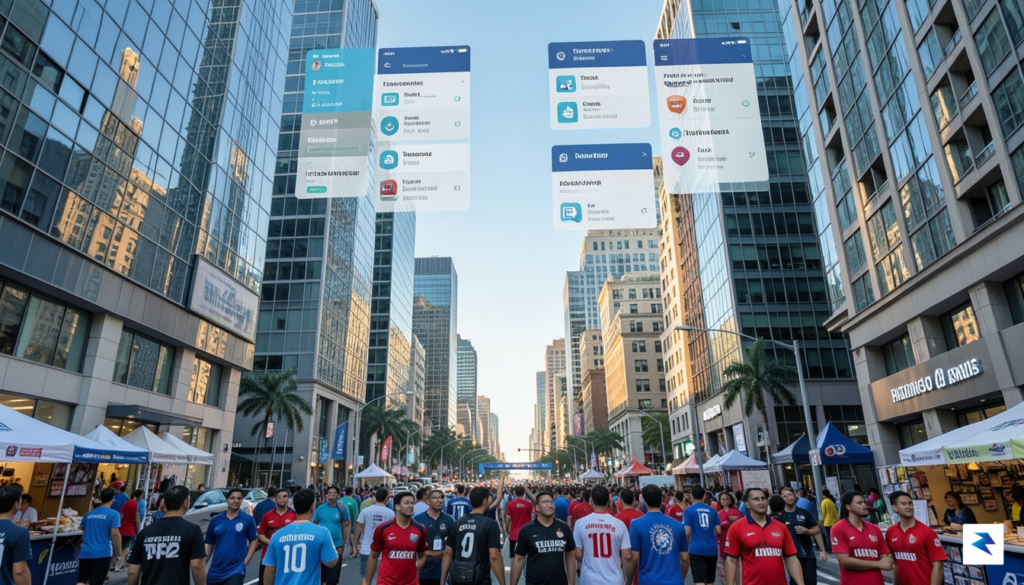
“The stability of the short-term rental market in the face of mega-events depends entirely on whether platforms choose to prioritize long-term user retention over the short-term transaction fees generated by rogue pricing tactics.”
Ultimately, the future of booking event-based travel will necessitate a more cautious approach from the average tourist. While the convenience of a residential stay remains compelling, the volatility of host behavior during peaks necessitates a “buyer beware” mindset. Travelers should increasingly look for listings backed by “Superhost” status or platform-verified property management companies, which are statistically less likely to engage in predatory pricing schemes. As regulations tighten and platforms are forced to evolve, the industry is gradually trending toward a more professionalized model. While this shift may eventually lead to higher baseline costs, it will hopefully deliver a more equitable and transparent experience for those traveling to witness history in real time.
You must be logged in to post a comment.