
Best Ninja Prime Day Deals 2026: Creami, Slushi, and More
Introduction: Elevate Your Kitchen Game The calendar might say 2026, but for home chefs and culinary enthusiasts, Prime Day isn't just another…
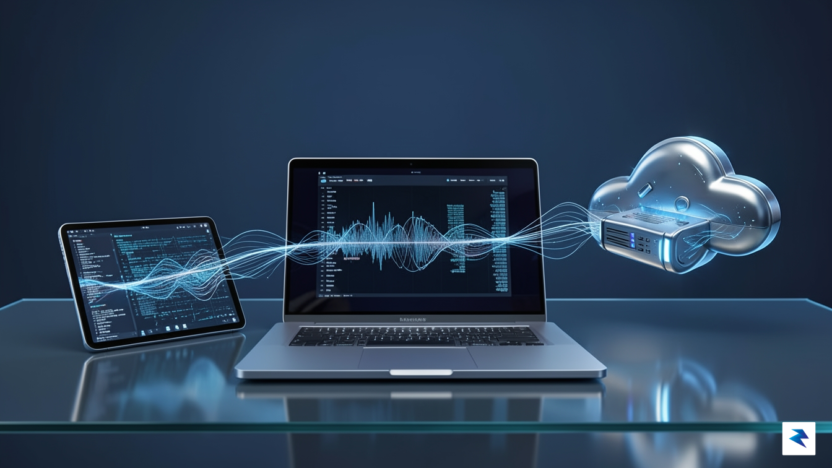
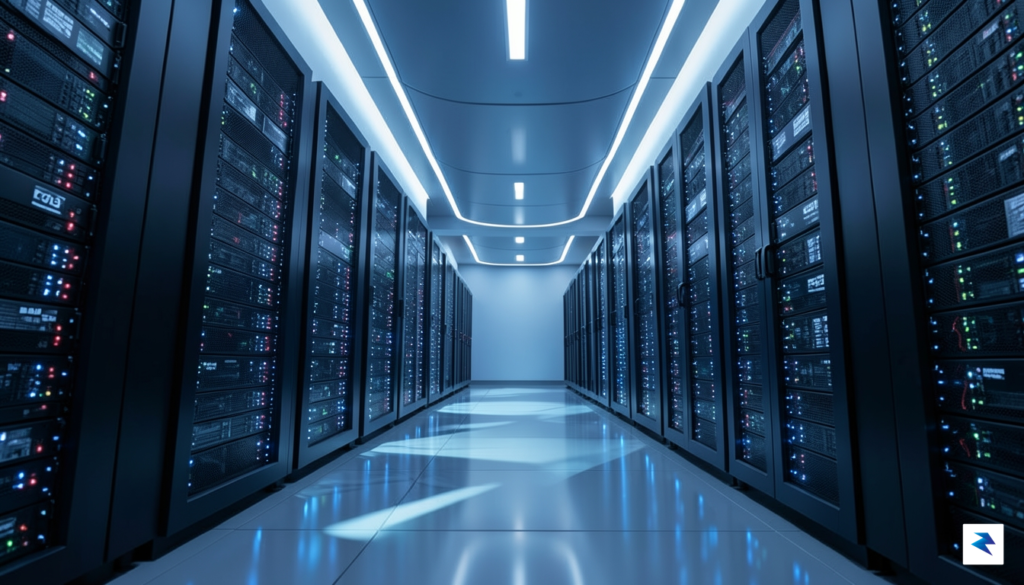
The fundamental shift in the global semiconductor landscape stems from an unprecedented, insatiable appetite for High Bandwidth Memory (HBM). As Large Language Models (LLMs) grow in complexity, they require specialized memory architectures that can move vast amounts of data to processors at lightning speeds. Unlike standard DRAM found in everyday laptops and tablets, HBM is manufactured through a delicate, resource-intensive stacking process that consumes significant foundry capacity. Because tech giants are currently pouring billions of dollars into building out the next generation of AI-ready infrastructure, memory manufacturers are prioritizing these high-margin, enterprise-grade orders over the lower-margin components destined for consumer-grade hardware.
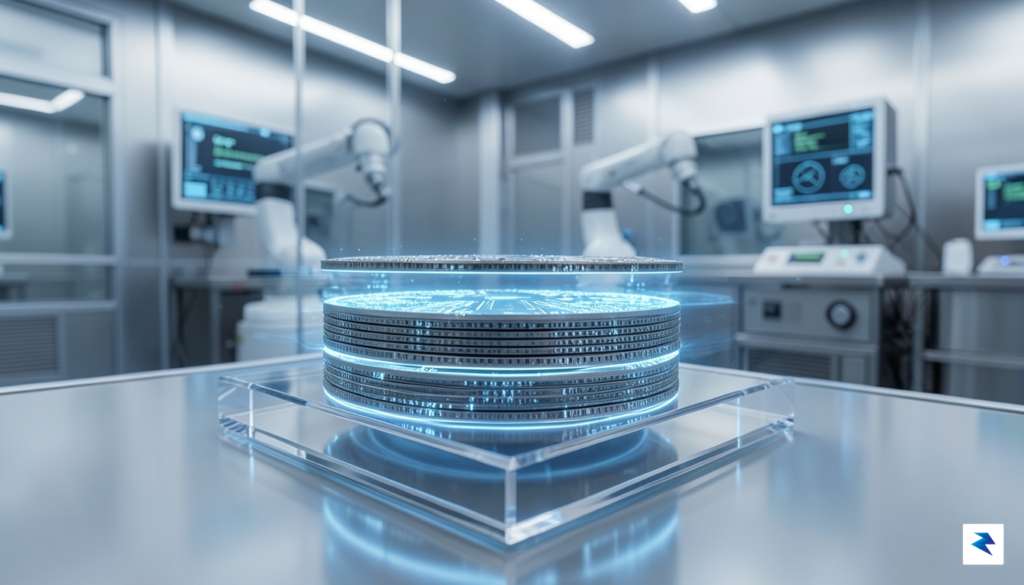
This massive reallocation of resources has created a structural bottleneck in the global supply chain. Semiconductor foundries operate on fixed capacities; when they dedicate a larger portion of their production lines to the high-density HBM chips needed for AI training clusters, the available supply for traditional consumer electronics inevitably shrinks. This “land grab” for silicon is not merely a temporary fluctuation; it represents a fundamental change in how the industry values chip real estate. As capital expenditure for AI infrastructure continues to outpace the production capacity for consumer hardware, the law of supply and demand dictates that the components remaining for devices like Macs and iPads become significantly more expensive to procure.
The competition for silicon is no longer just between rival smartphone makers; it is a tug-of-war between the massive data centers powering the AI revolution and the personal devices that sit in our pockets and on our desks.
Furthermore, the economic implications of this transition are cascading down to the end user. When Apple and other manufacturers face higher procurement costs for memory modules—often due to the scarcity of essential raw materials and the limited number of facilities capable of producing cutting-edge memory—those costs are passed directly to the consumer. This creates a scenario where the price of a standard laptop or tablet rises, even if the actual device architecture has not fundamentally changed. Ultimately, the rapid expansion of artificial intelligence is fundamentally rewriting the economics of the entire tech sector, forcing consumers to subsidize the immense physical infrastructure required to sustain the AI era.
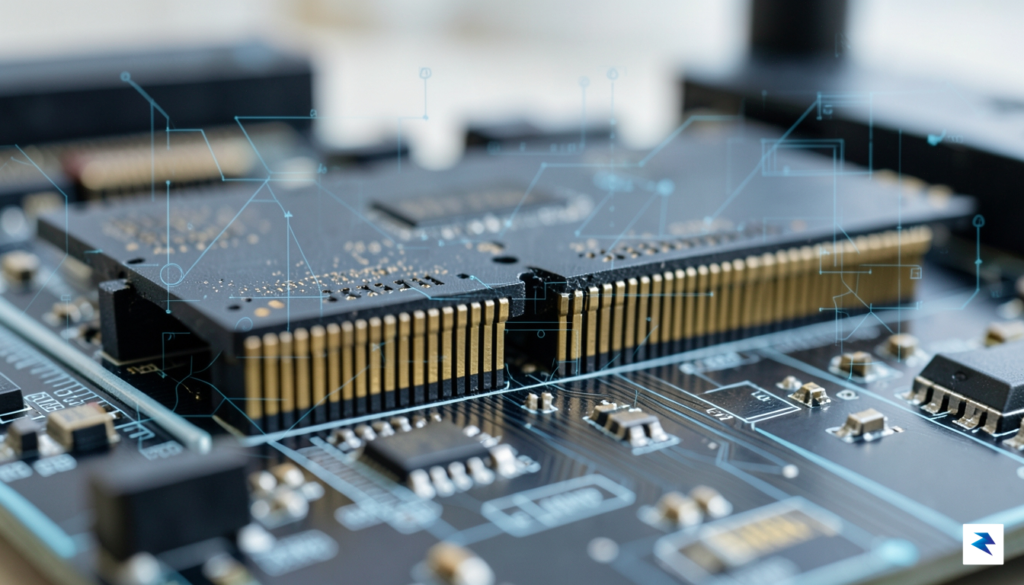
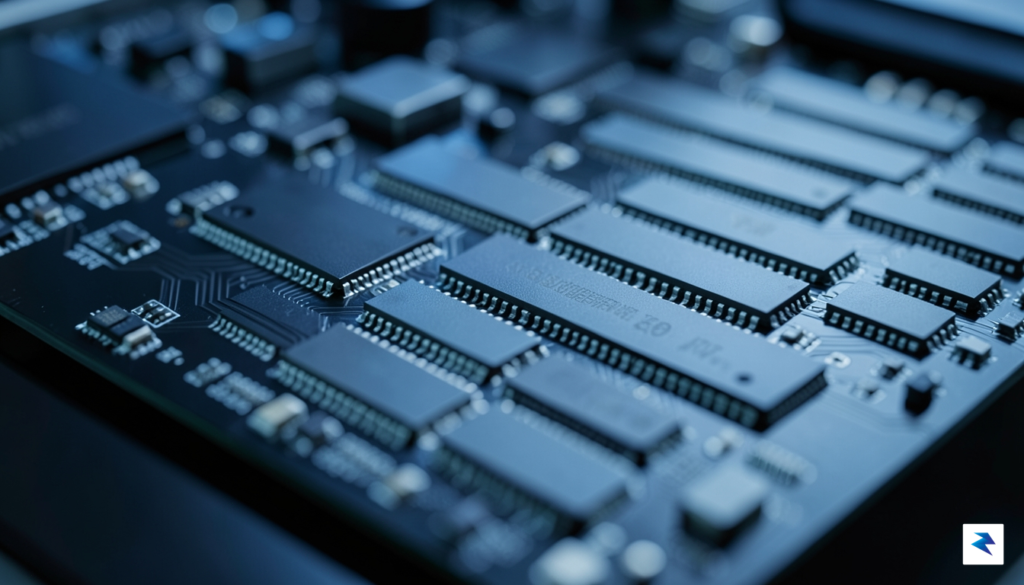
The global electronics market operates on a delicate balance of supply and demand, yet the recent surge in artificial intelligence development has fundamentally disrupted this equilibrium. At the heart of this disruption are DRAM (Dynamic Random Access Memory) and NAND flash storage—the foundational components that power everything from high-end enterprise servers to the MacBook Pro on your desk. When hyperscale data centers begin aggressively bidding for these limited silicon resources to train massive language models, the primary manufacturers of memory chips naturally pivot their production lines to prioritize these high-margin, long-term enterprise contracts. This shift creates a scarcity that reverberates through the entire supply chain, leaving consumer electronics manufacturers competing for the remaining inventory at significantly inflated costs.
For a company like Apple, the impact on the bill-of-materials (BOM) is both immediate and unavoidable. A device’s total production cost is a sum of its parts, and as the market price for high-speed memory modules climbs, the baseline expense required to manufacture a single unit rises in tandem. Because memory is an essential, non-negotiable component that cannot be easily substituted or optimized away, these increased costs must be absorbed somewhere in the financial ecosystem. Consequently, when the wholesale price of NAND flash and DRAM spikes due to the insatiable appetite of AI-driven data centers, the consumer is eventually presented with a higher price tag at the point of sale to maintain corporate profit margins.
The transition toward AI-centric computing has turned memory chips into the new gold, creating a situation where enterprise infrastructure spending directly dictates the retail cost of personal consumer hardware.
Furthermore, the manufacturing mechanics of these components are incredibly complex, often requiring months of lead time and highly specialized clean-room environments. Manufacturers are often hesitant to expand production capacity too rapidly, fearing that a sudden cooling of the AI sector could lead to a massive glut of inventory and crashing prices. This inherent caution, combined with the current prioritize-the-enterprise strategy, ensures that supply remains tight for the consumer sector for the foreseeable future. As a result, the hardware that powers our home offices—laptops, tablets, and mobile workstations—is becoming more expensive not necessarily because of radical new design innovations, but because the foundational memory architecture is being diverted to satisfy the massive, global hunger for computational intelligence.
Apple has long been recognized for its disciplined approach to supply chain management, often leveraging its massive scale to negotiate favorable pricing that protects its margins even during volatile market cycles. Historically, the company has preferred to absorb minor fluctuations in component costs rather than alienating its customer base with frequent price adjustments. However, the current global memory shortage—driven primarily by an insatiable demand for high-bandwidth memory (HBM) required by massive AI data centers—has forced a departure from this traditional playbook. By redirecting silicon production toward the high-margin enterprise AI sector, component suppliers have created a bottleneck that leaves consumer electronics manufacturers like Apple with little choice but to pass these elevated costs directly to the end user.
The impact of this shift is most visible in the latest iterations of the MacBook and iPad Pro lineups, where high-performance unified memory is a cornerstone of the user experience. Because Apple utilizes a proprietary system-on-a-chip (SoC) architecture, the memory is physically integrated alongside the processor, making the cost of these chips a significant portion of the total bill of materials. When the price of the underlying DRAM modules spikes, the retail cost for high-memory configurations—particularly those intended for creative professionals and AI developers—inevitably climbs. Consumers looking to future-proof their devices by opting for 24GB, 36GB, or higher memory tiers are now encountering a steeper financial barrier than they would have seen even eighteen months ago.
The structural shift in the semiconductor market means that consumer hardware is no longer the primary driver of memory innovation; instead, the race to build generative AI infrastructure is dictating both the availability and the pricing of essential components.

Despite these price adjustments, Apple is carefully navigating the delicate balance between maintaining its premium brand positioning and ensuring long-term hardware adoption. By keeping entry-level pricing relatively stable while aggressively raising costs on higher-end configurations, the company is effectively segmenting its audience. This strategy allows casual users to remain within the ecosystem while forcing power users—who often rely on these devices for professional workflows—to absorb the “AI premium.” Ultimately, these price hikes reflect a broader industry reality where the cost of computing power is being redefined by the requirements of artificial intelligence. As the data center arms race continues to consume available memory supply, it is likely that hardware pricing will remain elevated for the foreseeable future, making strategic purchasing decisions more important than ever for the average consumer.

The recent price adjustments on Apple’s Mac and iPad lines are more than just a passing market fluctuation; they could be an early indicator of a fundamental, long-term shift in the economics of personal computing. Industry analysts are increasingly pointing to a multi-year horizon for the current silicon resource crunch, suggesting that the era of consistently decreasing or stable hardware costs might be drawing to a close. This isn’t merely about inflation, but rather a structural re-evaluation of how we price and value the high-performance components that power our digital lives.
At the heart of this sustained pressure is the explosive demand for advanced chips, particularly those vital for artificial intelligence and high-performance computing. Data centers worldwide are in an arms race to build out infrastructure capable of handling the immense computational requirements of AI models, from large language models to complex machine learning algorithms. This insatiable appetite for GPUs, specialized AI accelerators, and crucially, High Bandwidth Memory (HBM), creates intense competition for foundry capacity, driving up costs across the entire semiconductor supply chain. Even components not directly used in AI servers can see their prices affected as manufacturers prioritize the most lucrative, high-demand silicon, leaving less capacity and potentially higher costs for other chip types.
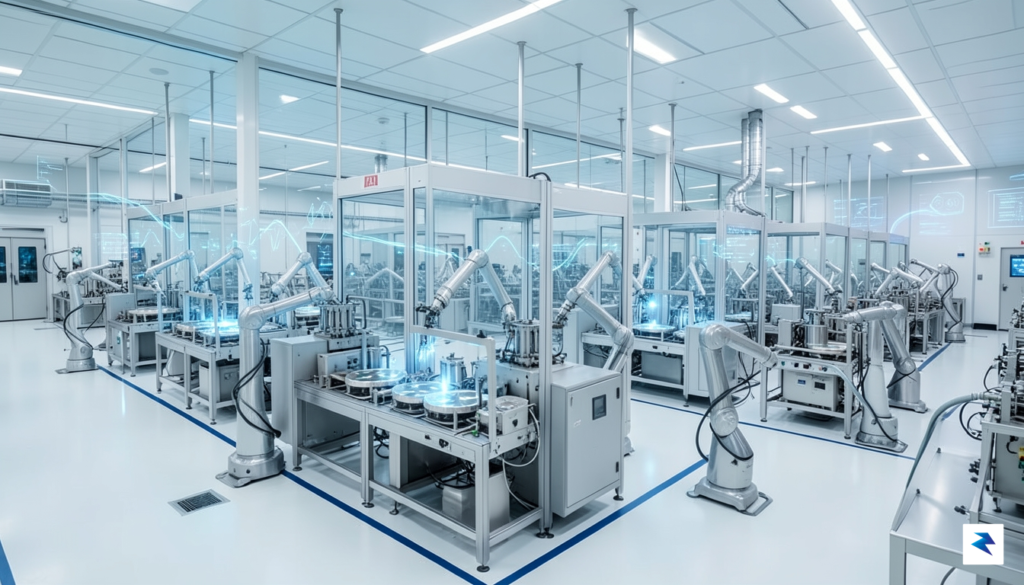
While the industry is responding with massive investments in new fabrication plants (fabs), the reality is that these sophisticated facilities take years to plan, build, equip, and bring to full production. Companies like TSMC, Intel, and Samsung are pouring tens of billions into new foundries in the US, Europe, and Asia, but the full impact of this expanded capacity won’t be felt for another three to five years, or even longer. For instance, a cutting-edge fab can take upwards of three years just to construct, followed by a year or more for tool installation and qualification before it can mass-produce chips. Therefore, any significant relief from increased supply is still a distant prospect, leaving the market undersupplied relative to demand for the foreseeable future.
This prolonged period of constrained supply, coupled with the burgeoning demand from the AI sector, suggests that the elevated prices we’re currently observing might not be temporary. Instead, they could represent a more permanent adjustment to the cost of high-performance computing components. The sheer complexity and capital intensity of manufacturing advanced silicon nodes mean that chipmakers face higher production costs, which inevitably get passed down to device manufacturers and, ultimately, to consumers. The competition for these critical resources is so fierce that it’s reshaping the foundational pricing models for everything from server motherboards to consumer-grade laptops and tablets. It’s becoming increasingly clear that the baseline cost for powerful, connected devices is climbing, reflecting the true expense of cutting-edge technology.
Consequently, consumers should prepare for a future where the expectation of ever-cheaper, more powerful devices may need to be recalibrated. While innovation will continue to deliver performance gains, the cost per unit of that performance might not follow the historical downward trend. This isn’t to say that hardware won’t evolve; rather, it suggests that the price tag attached to that evolution will increasingly reflect the intense global competition for silicon, the escalating costs of manufacturing, and the foundational role these chips play in the emerging AI-driven economy. The current price hikes could very well be the leading edge of a “new normal” for hardware costs, where premium performance commands a premium price for years to come.

Navigating the current landscape of rising hardware costs requires a strategic shift in how we approach personal computing. Instead of feeling pressured to upgrade on a traditional two-year cycle, the most effective strategy today is to extend the functional lifespan of the devices you already own. Simple maintenance tasks—such as regularly clearing storage caches, managing background processes, and replacing degraded batteries—can breathe significant new life into an aging machine. By treating your current hardware with care and addressing minor software bottlenecks, you can effectively bypass the immediate need to purchase new, higher-priced equipment during periods of market volatility.
When an upgrade becomes an absolute necessity, the refurbished market offers a compelling alternative to paying premium retail prices for the latest models. Certified refurbished units from manufacturers or reputable third-party sellers undergo rigorous testing and often come with warranties that mirror those of brand-new products. This approach not only serves as a hedge against sudden manufacturer price hikes but also allows you to secure higher-tier hardware that might otherwise be out of budget. Embracing pre-owned technology is a highly practical way to circumvent the supply chain issues currently driving the costs of raw components like high-bandwidth memory upward.

For those who decide that a new purchase is inevitable, the key to avoiding unnecessary costs lies in understanding your specific technical requirements. Manufacturers frequently bundle expensive memory and storage upgrades that may far exceed the needs of the average user. Before clicking the “buy” button, analyze your actual workflow: if you primarily use your device for web browsing, word processing, and media consumption, the base-level RAM configuration is likely sufficient. By avoiding the temptation to over-spec your machine “just in case,” you can insulate your wallet from the premium pricing currently attached to memory-intensive hardware configurations.
The most cost-effective upgrade is the one that aligns strictly with your actual daily workflow rather than the maximum specifications offered by the manufacturer.
Ultimately, making smarter purchasing decisions is about viewing your technology as a long-term investment rather than a disposable commodity. By prioritizing durability, exploring secondary market options, and resisting the urge to over-configure your systems, you can navigate this era of hardware inflation without compromising your productivity. Developing these habits now will not only help you save money today but will also provide you with a more sustainable and deliberate approach to managing your digital life as technology continues to evolve.
You must be logged in to post a comment.