Tesla Expands Robotaxi Pilots to Florida: A New Phase of Autonomy
Tesla’s Florida Robotaxi Expansion: A Strategic Shift Tesla has officially extended its robotaxi pilot program to the bustling urban…
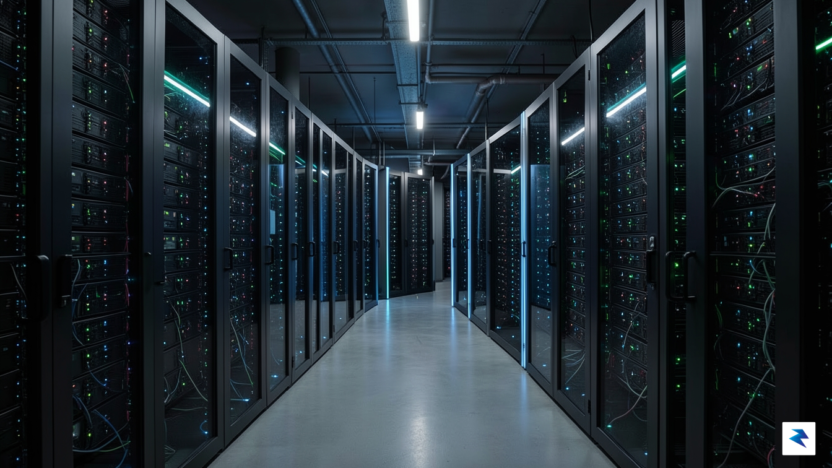
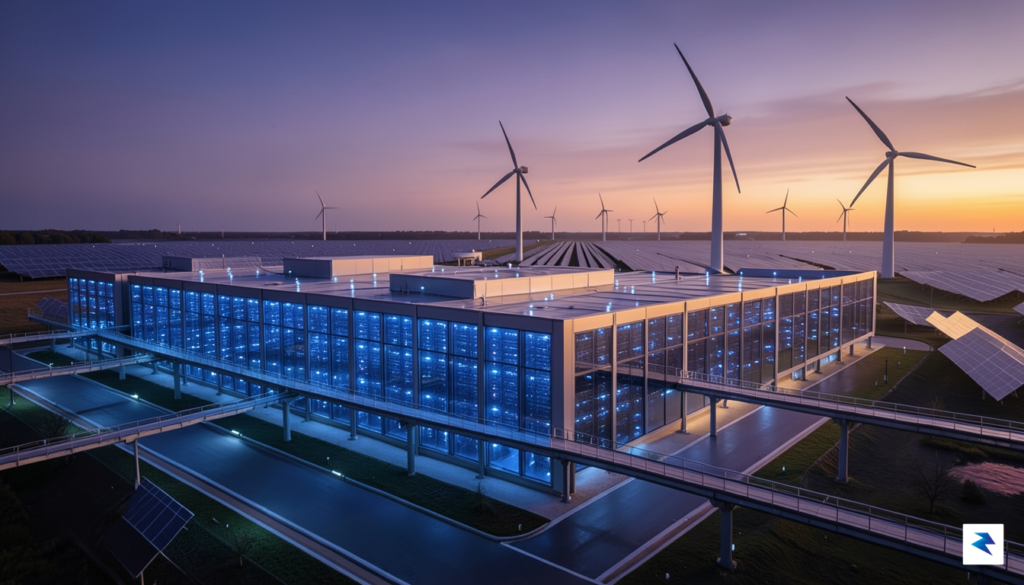
The digital landscape is currently undergoing a structural metamorphosis, driven by a relentless and accelerating hunger for computational power. While the transition of business operations to the cloud laid the initial foundation for this demand, the recent emergence of large language models (LLMs) and generative artificial intelligence has fundamentally altered the trajectory. These sophisticated systems require thousands of high-performance graphics processing units (GPUs) running in unison, generating heat and power requirements that dwarf the cooling and electricity needs of the traditional enterprise servers of a decade ago. As companies across every industry race to integrate AI into their workflows, the sheer density of compute per square foot in data centers is skyrocketing, turning these facilities into massive, hyper-efficient power sinks.
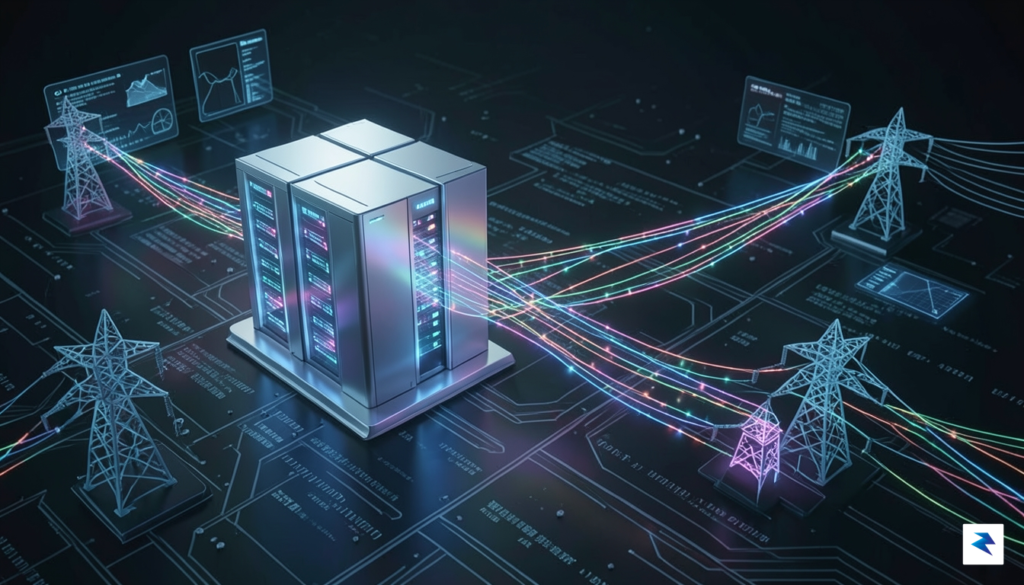
When we look toward the horizon of 2035, the projections are nothing short of monumental. Current analysis suggests that the energy consumption of global data centers is on track to increase fourfold within this relatively short window. To put this staggering scale into perspective, consider the total energy profile of a major global economy. By 2035, the electricity required to sustain the world’s data infrastructure will likely exceed the current total annual power consumption of India, a nation of over 1.4 billion people. This comparison is not merely a statistical exercise; it serves as a sobering reminder that the “cloud” is physically tethered to the ground, requiring a massive, tangible expansion of our electrical grids, substations, and generation capacity.
The impending surge in electricity demand represents one of the most significant infrastructure challenges of the 21st century, as the digital backbone of the global economy begins to compete directly with residential and industrial sectors for grid capacity.
The speed of this transition is perhaps more daunting than the total volume of energy required. Traditional energy infrastructure projects—including building new power plants and laying high-voltage transmission lines—often take years, if not decades, to navigate regulatory, environmental, and engineering hurdles. Conversely, the deployment of new AI clusters can happen in a matter of months. This fundamental misalignment between the rapid, software-driven growth of AI and the slow, hardware-driven development of the power grid creates a precarious “energy crunch.” Unless we see a dramatic acceleration in renewable energy integration, battery storage technology, and grid modernization, the data center sector will face a significant bottleneck that could slow the pace of technological innovation itself.
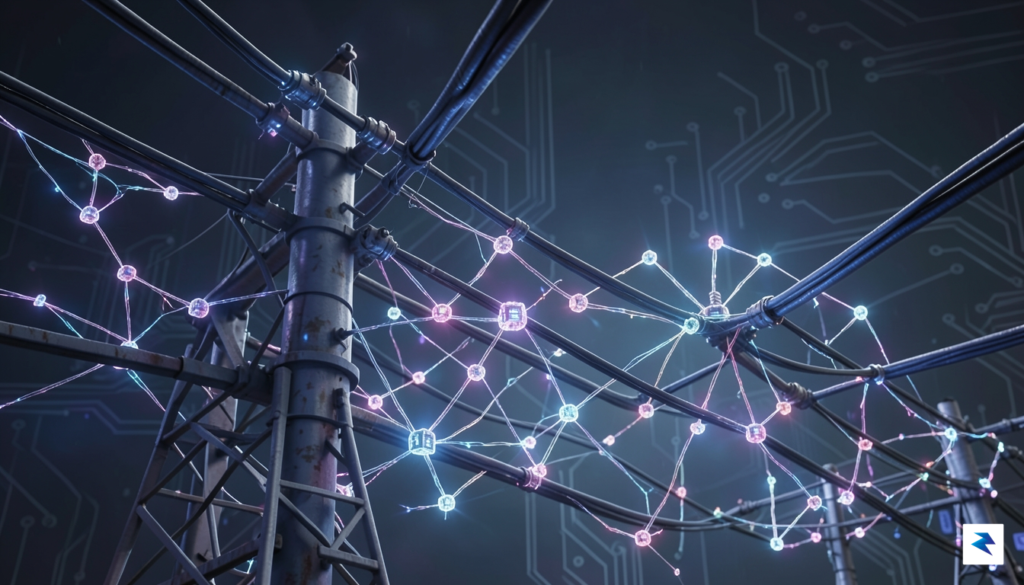
The transition from traditional cloud computing to the era of Generative AI represents a fundamental shift in how we power the digital world. Historically, data centers primarily functioned as massive, passive warehouses for storage and retrieval; they managed web traffic and database queries that relied on relatively efficient, standard server architectures. However, the rise of Large Language Models (LLMs) has fundamentally altered this landscape. Unlike traditional workloads, AI training and inference demand a relentless, high-intensity stream of data processing that requires thousands of specialized GPUs working in perfect synchronization. These clusters consume power at a rate that standard CPUs simply cannot match, effectively pushing the electrical infrastructure of modern data centers to its breaking point.
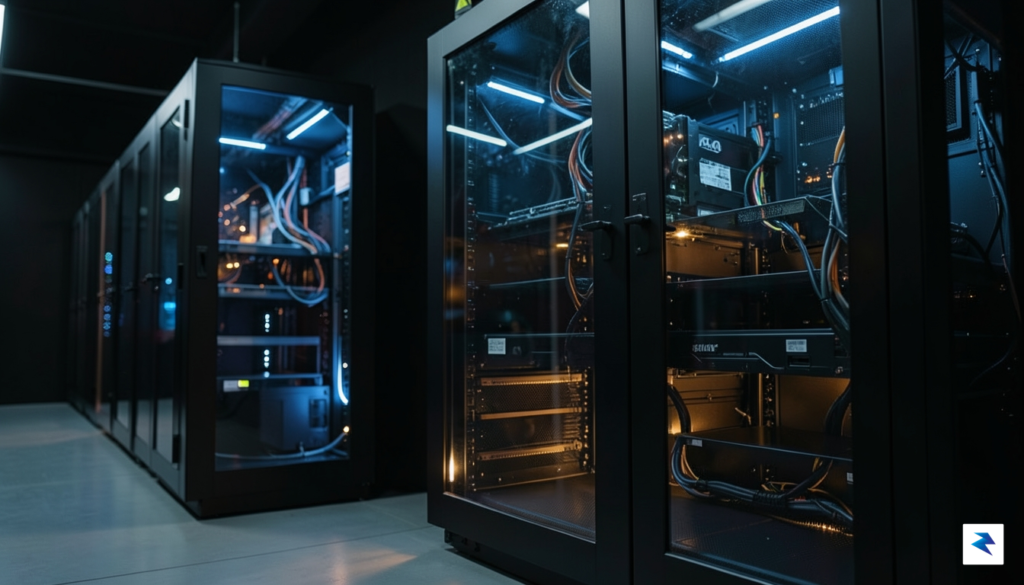
This spike in electricity demand is compounded by the thermal realities of modern hardware. As these specialized AI processors operate at peak capacity, they generate immense amounts of heat, necessitating aggressive cooling solutions that often consume as much electricity as the servers themselves. Traditional air-cooling methods are increasingly insufficient for the high-density racks required by AI, forcing data center operators to transition toward liquid cooling systems and other energy-intensive climate control technologies. This creates a challenging paradox: the very hardware designed to make our digital lives more intelligent and efficient is inherently inefficient from a raw energy consumption standpoint.
The move to AI is not merely an incremental increase in server density; it is a shift from intermittent, low-power processing to a state of perpetual, maximum-load operation that demands a total reimagining of electrical grid capacity.
Furthermore, the scale of this expansion is unprecedented because AI workloads are never truly “at rest.” While a standard cloud storage server might sit idle during off-peak hours, AI models require continuous power for constant inference and retraining to stay relevant. As we push toward 2035, the industry faces the daunting task of scaling energy generation to match a trajectory that is currently exponential rather than linear. We are effectively building a secondary, high-voltage infrastructure atop the existing internet, and the electrical grid is struggling to keep pace with the massive thermal and power requirements of the generative era. Ultimately, the quest for superior artificial intelligence is becoming a race against the physical limits of our energy supply.
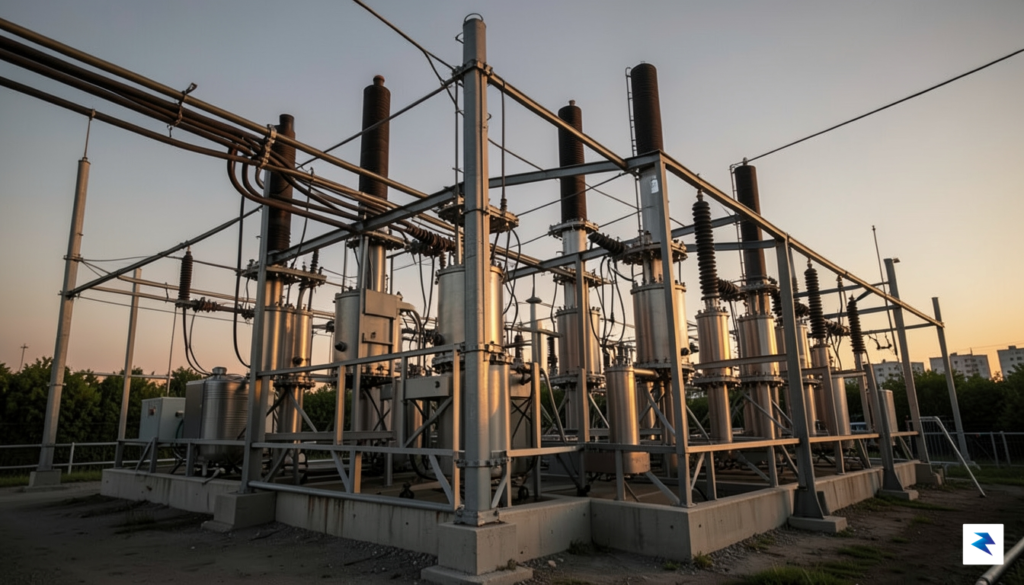
The sudden emergence of hyperscale data centers—massive facilities housing thousands of servers—has placed an unprecedented burden on local and regional electrical grids that were simply never engineered for such concentrated, relentless demand. In decades past, utility providers designed distribution networks based on predictable cycles of residential consumption and light commercial use. Today, however, these networks are struggling to support the “always-on” nature of cloud computing and artificial intelligence workloads, which pull power at a scale once reserved for heavy manufacturing plants or small cities. This rapid influx of demand is pushing aging transformers and long-distance transmission lines to their physical limits, creating a precarious situation where the infrastructure is perpetually running near its maximum capacity, leaving very little margin for error or extreme weather events.
Compounding this technical strain is the problematic “first-come, first-served” model of utility interconnection. Because the queue for grid access has become increasingly crowded, tech giants are now effectively competing against residential developments and traditional manufacturing sectors for the same limited pool of reliable power. When a hyperscale project secures a massive load allocation, it can delay or even stall other essential regional developments, forcing utility companies to make difficult choices about which sectors to prioritize. This creates a ripple effect throughout the local economy; as grid operators scramble to upgrade substations and expand transmission corridors to accommodate these digital giants, the astronomical costs of these capital-intensive projects are frequently passed down to the ratepayer. Consequently, the average residential household may soon find themselves shouldering the financial burden of a grid expansion necessitated primarily by corporate data needs.
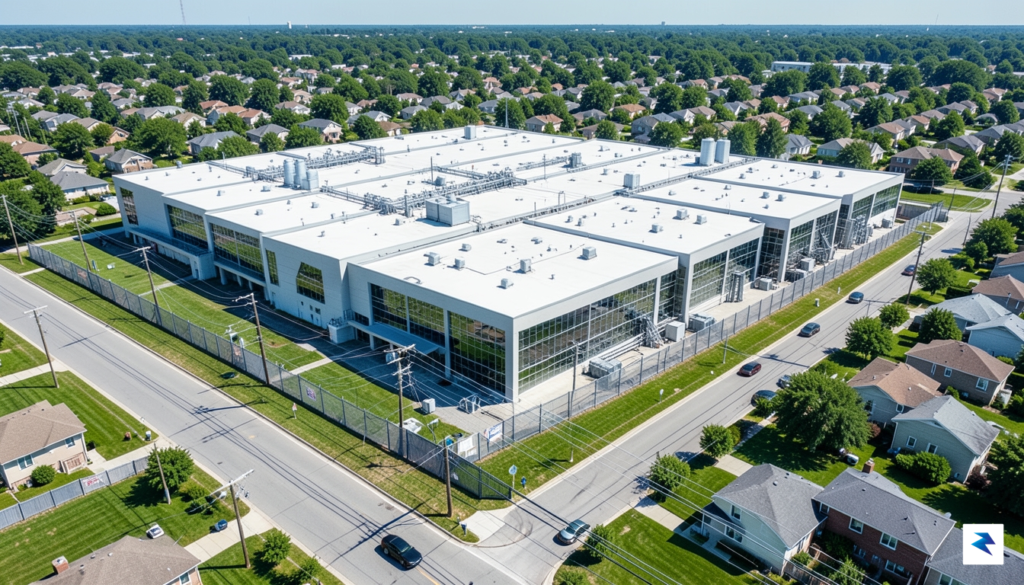
The rapid electrification of the digital economy has outpaced the physical capacity of our energy delivery systems, transforming a silent, background utility into the most contentious resource in the modern corporate landscape.
The potential for a reliability crisis is becoming increasingly difficult to ignore as we look toward 2035. If demand continues to climb at its current trajectory, regional grids may face severe instability, manifesting as localized brownouts or, in worst-case scenarios, rolling blackouts during peak demand periods. Because data centers demand a constant, high-voltage flow to maintain uptime, they cannot easily throttle their energy use during a regional shortage without significant operational consequences. This rigidity forces utility providers to keep baseload power generation running at higher levels, which ironically complicates the transition toward renewable energy sources that are inherently intermittent. Unless there is a massive shift in how we manage energy distribution and prioritize infrastructure investment, the digital transformation could inadvertently undermine the very grid stability that society relies upon for its most basic daily functions.
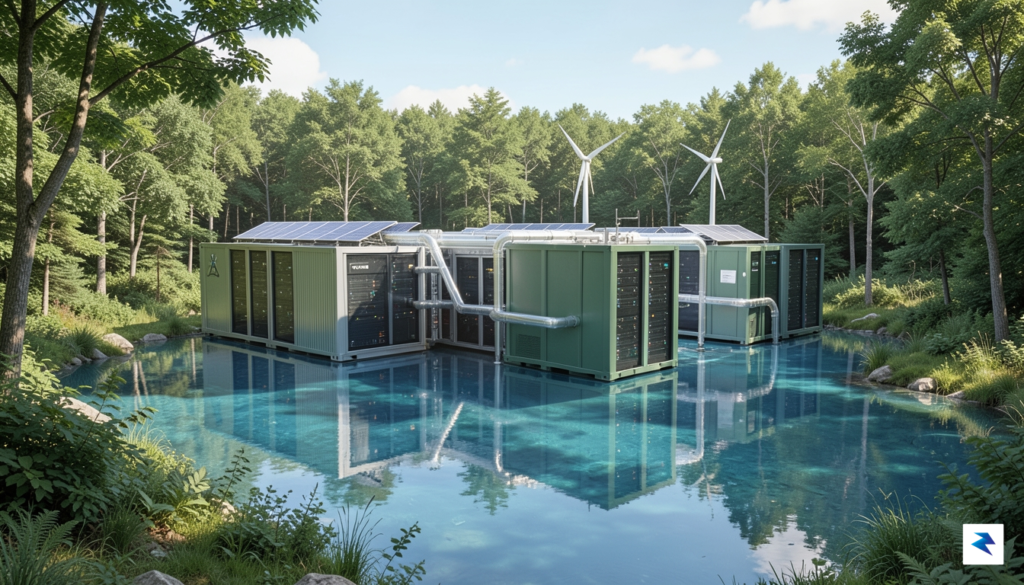
To reconcile the projected fourfold increase in energy demand with global climate commitments, the data center industry is undergoing a structural transformation in how it consumes and sources electricity. For years, the industry relied on Power Usage Effectiveness (PUE) as the gold standard for efficiency—a metric that tracks how much energy is used by the computing equipment versus the cooling and lighting systems. While modern hyperscale facilities have achieved impressive PUE ratings nearing 1.1, the sheer scale of the incoming AI-driven demand means that efficiency alone is no longer sufficient. Consequently, operators are moving beyond simple energy-saving tactics to fundamentally rethink the power architecture of the digital economy.
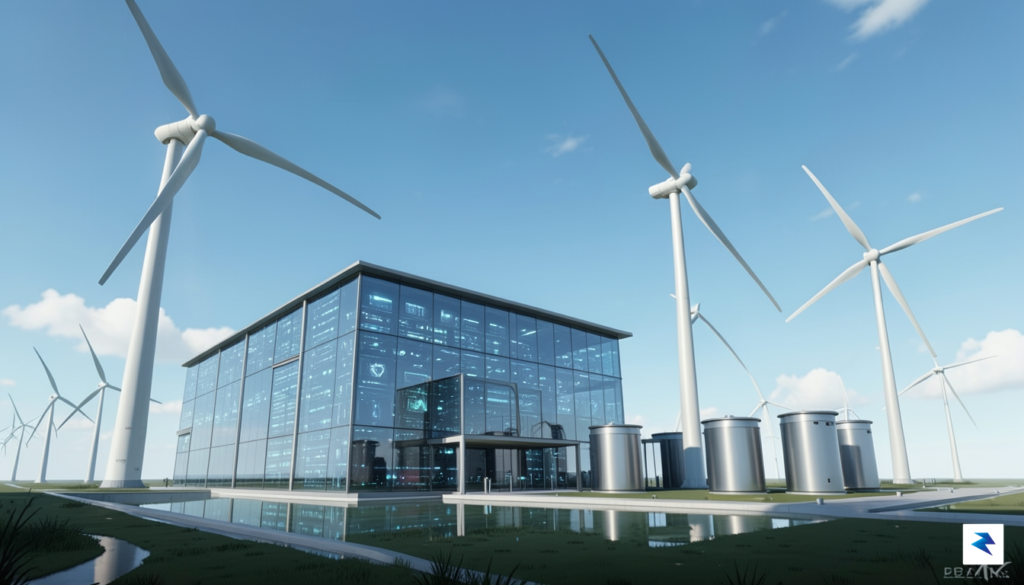
The most significant shift lies in the transition from traditional carbon offsets to a more rigorous approach known as 24/7 Carbon-Free Energy (CFE) matching. In the past, companies might purchase renewable energy certificates that didn’t necessarily align with their actual consumption patterns. Today, industry leaders are shifting toward a granular model where every megawatt-hour consumed by a data center is matched by carbon-free electricity generated on the same regional grid in real-time. This ensures that when a server rack ramps up its processing power at midnight, the renewable source—be it solar, wind, or battery storage—is actively feeding the grid to balance that specific load.
“The goal is no longer just to be net-zero on paper; it is to ensure that the physical electrons powering our infrastructure are sourced from clean energy every hour of every day.”
Beyond grid-level sourcing, innovation is moving inside the data center walls. Many major tech players are aggressively exploring alternative power generation technologies to bypass grid bottlenecks. Small Modular Reactors (SMRs) and advanced geothermal cooling systems are emerging as front-runners for on-site power generation. These solutions offer the high-density, reliable “baseload” power that AI clusters require, which intermittent renewables like wind and solar cannot always provide alone. By investing in these next-generation technologies, the industry is not just reducing its environmental footprint—it is positioning itself as a primary driver of the global energy transition, potentially helping to modernize utility grids for the benefit of all consumers.

As the demand for computational power skyrockets to support the rapid expansion of artificial intelligence, the intersection of technological ambition and national energy security has become a defining challenge for modern governance. Policymakers are no longer merely observers of the digital economy; they are now central architects in a high-stakes balancing act. The challenge lies in fostering an environment where innovation can thrive, positioning a nation as a global AI hub, while simultaneously safeguarding the fundamental right of the public to have access to affordable and reliable electricity. When data centers consume vast swaths of the existing grid, regulators must decide whether to prioritize the rapid scaling of the cloud or the stability of local utility markets.
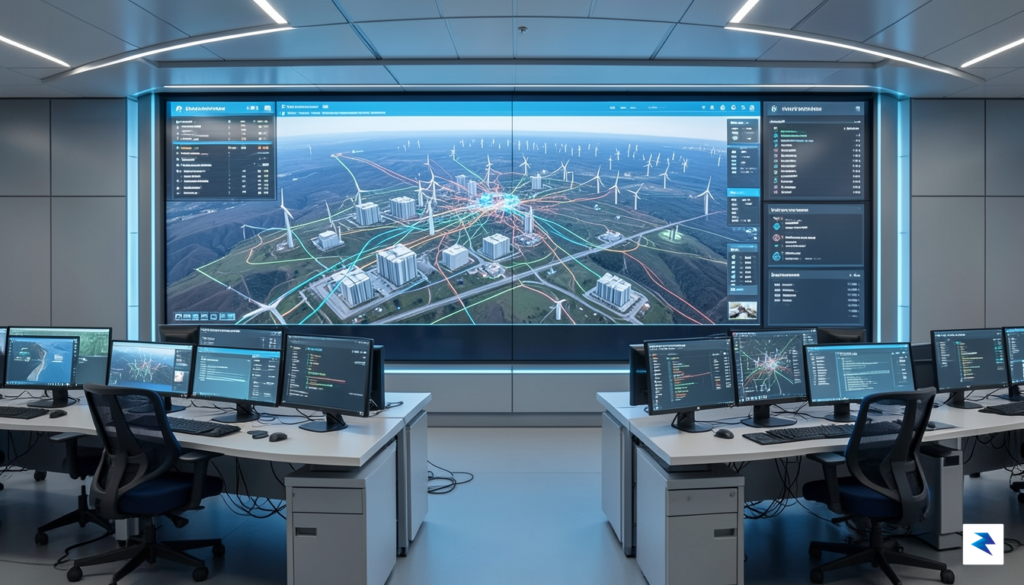
To navigate this transition, we are likely to see a shift toward more rigorous zoning laws and energy-intensity mandates. Historically, data centers have been welcomed as drivers of local tax revenue and high-tech job creation. However, as the 2035 targets for electricity usage loom, cities and states are beginning to reconsider the “at-all-costs” growth model. Future zoning policies may require data centers to prove a net-zero impact on the existing grid or incentivize them to locate in regions with surplus renewable energy capacity. By imposing energy-intensity mandates, governments can force tech giants to optimize their cooling and processing efficiencies, ensuring that the growth of AI does not come at the expense of residential energy security.
The integration of AI infrastructure into our national energy strategy is not just a technological hurdle; it is a fundamental test of how our regulatory frameworks can adapt to unprecedented surges in resource demand.
Ultimately, addressing this impending energy crunch requires a transition from reactive policy to proactive, public-private partnerships. Modernizing the grid infrastructure by 2035 is an immense undertaking that private utilities cannot accomplish alone. Governments must facilitate collaboration by streamlining the permitting processes for new transmission lines and encouraging investment in long-duration energy storage. By aligning the interests of private data center operators with the broader goals of grid hardening and renewable energy integration, the state can ensure that the infrastructure supporting our digital future is as resilient as it is expansive. Without this level of strategic foresight, the very engines of the AI revolution risk being throttled by the physical limitations of our current power systems.
You must be logged in to post a comment.