Top 10 Fun Discord Bots
Are you looking to spice up your Discord server with some fun and engaging bots? Do you want to create an environment that keeps your members…
When EverQuest first launched in 1999, it didn’t just introduce players to the world of Norrath; it fundamentally altered the DNA of online gaming. For over two and a half decades, this digital landscape has weathered the rise and fall of countless industry trends, yet it remains anchored by a community that treats the game not as a disposable product, but as a permanent home. While modern live-service titles are frequently plagued by corporate pivots, aggressive monetization, and the looming threat of sudden server sunsets, EverQuest has persisted. Its survival is not merely a result of inertia, but a testament to a unique social contract between the developers and a player base that values depth, challenge, and long-term investment over the fleeting satisfaction of modern engagement loops.
The contrast between the “flash-in-the-pan” mentality of today’s gaming market and the enduring legacy of EverQuest could not be more striking. Where contemporary games often prioritize rapid player turnover and ephemeral content cycles, Norrath has cultivated a culture of patience and mastery. Players have spent years—sometimes decades—forging reputations within their guilds, navigating the complexities of the game’s unforgiving mechanics, and contributing to a collective history that exists both on and off the servers. This resilience highlights a critical truth about the MMO genre: longevity is not determined by cutting-edge graphics or marketing budgets, but by the strength of the social fabric woven by the players themselves. When a game creates genuine community, it becomes an essential part of the players’ lives, making it far more difficult to abandon than a typical corporate-driven service.
The true magic of Norrath isn’t found in its code, but in the enduring bonds of the people who have called it home for over twenty-five years.
This commitment is currently fueling an unexpected renaissance, most notably through the rise of player-driven initiatives and the dedicated passion behind movements like the EverQuest Legends community. Rather than fading into obscurity, the game is finding new life as players organize their own experiences, preserve the game’s rich history, and introduce a new generation to the challenging, cooperative gameplay that defined an era. This revitalization serves as a powerful rebuttal to the idea that older games must inevitably decline. By focusing on the player experience and respecting the legacy of the world, these fans are proving that EverQuest is not a relic of the past, but a living, breathing ecosystem capable of evolving alongside its audience. The game continues to thrive because, at its core, it remains a space where individual effort and community cooperation are the highest virtues, a philosophy that appears to be more relevant today than ever before.
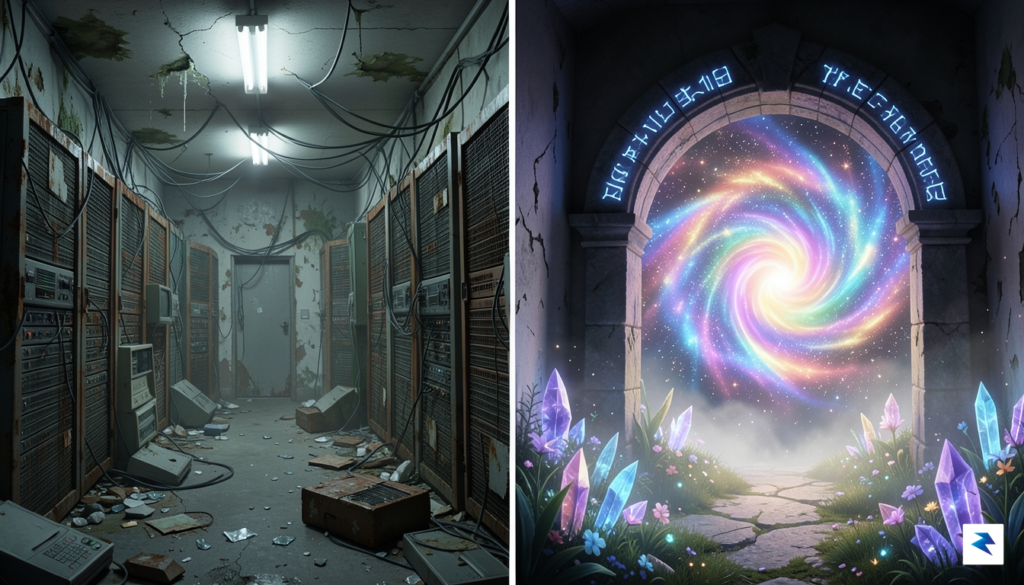
The modern gaming industry is currently defined by the “live-service” graveyard, a landscape littered with projects that prioritized aggressive monetization over the actual player experience. Publishers often view these titles as ephemeral vehicles for microtransactions and battle passes, treating players as metrics to be harvested rather than citizens of a digital world. This transactional mindset creates a profound disconnect; when a game is designed primarily to extract value rather than provide a sanctuary, the audience instinctively senses the artifice. Consequently, these games often lack a soul, failing to foster the deep-seated loyalty required to survive once the initial marketing hype inevitably fades and the servers become financial liabilities.
In stark contrast, EverQuest emerged from an era where the architecture of the game was built on social infrastructure rather than exploitative loops. The developers behind the original Norrath did not set out to build a platform for digital storefronts; they sought to create a persistent, lived-in world where reputation, community, and time investment held tangible weight. This shift in philosophy is critical: because EverQuest was designed to be a virtual home, the community developed a sense of ownership that modern, corporate-driven titles can never replicate. When a game world feels permanent, players are willing to invest years of their lives into their characters, because they trust that their presence and their social standing actually matter to the stability of the environment.
The longevity of a virtual world is not found in the frequency of its content patches, but in the strength of the social bonds forged within its borders.
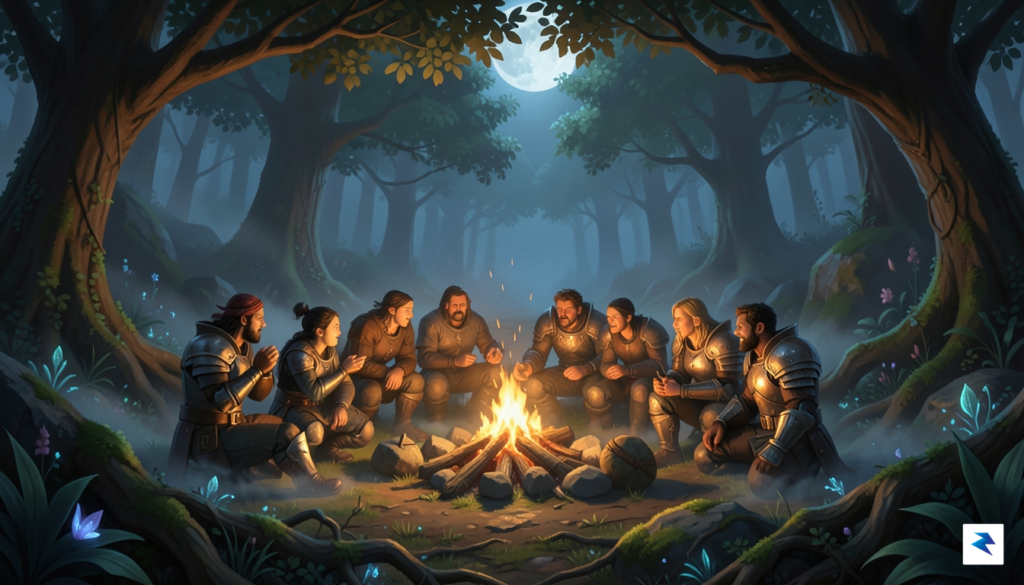
The lack of extreme corporate greed in the early design phase allowed for a level of organic growth that is virtually impossible in today’s risk-averse, shareholder-driven climate. Modern titles are often so focused on “player retention” through manipulative daily tasks and artificial scarcity that they inadvertently kill the very sense of wonder that keeps people coming back. EverQuest thrived by allowing players to set their own goals, whether that meant mastering a difficult raid or simply roleplaying in a quiet corner of the world. This autonomy transformed the game into a social fabric, where the “success” of the product was intrinsically tied to the happiness and cohesion of its population. By refusing to treat its players as mere data points, the game cultivated a level of fervor and dedication that has outlasted thousands of high-budget competitors, proving that in the battle for player attention, a genuine sense of belonging will always outlast the most sophisticated monetization scheme.
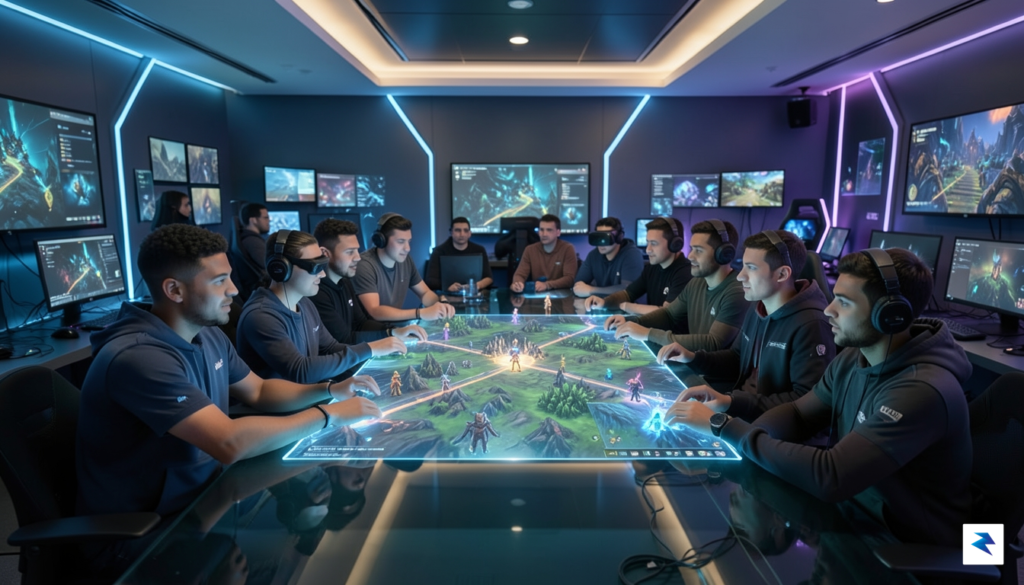
The endurance of EverQuest in the modern era is perhaps the most compelling case study in the history of community-led digital preservation. For decades, the narrative of gaming was dominated by a top-down approach, where publishers held total authority over the lifecycle of a product. When a studio decided a game was no longer profitable, the servers were shuttered, and the virtual worlds were erased. However, the rise of projects like Project 1999 fundamentally inverted this power dynamic. By meticulously reverse-engineering the original code and recreating the exact mechanical friction that defined the early Norrath experience, fans did more than just host a server; they effectively wrestled the stewardship of the game’s soul away from the corporate entity that had largely abandoned its foundational vision.
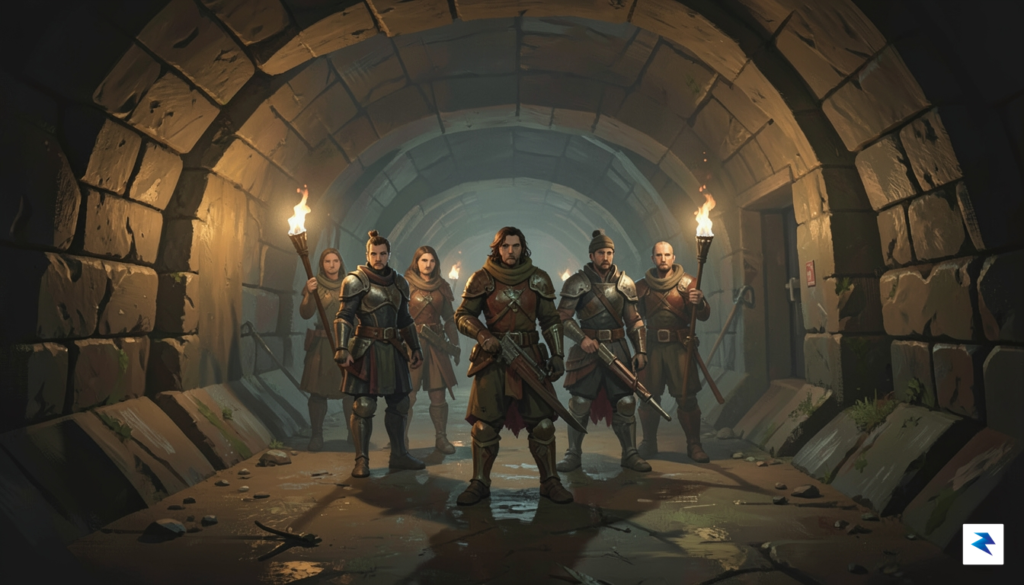
The technical hurdles involved in this revival were staggering, requiring a level of dedication that far exceeds the scope of a standard modding community. To keep these worlds alive, developers within the fan base had to deconstruct proprietary networking protocols and restore balance to systems that had been altered or “streamlined” into oblivion by official updates. These individuals functioned as digital archaeologists, sifting through lines of legacy code to ensure that the difficulty, social cooperation, and sense of danger remained intact. This Herculean effort proves that when players are given the tools to protect the integrity of their favorite titles, they often demonstrate a deeper understanding of the game’s design philosophy than the developers who own the intellectual property. It is a testament to the idea that a game is not merely a product, but a living culture defined by its participants.
The true success of community-led development lies not in the replication of pixels, but in the preservation of the social contracts and shared struggles that make a virtual world feel like a home.
This shift in power highlights a growing disconnect between modern live-service game design and the core desires of the player base. While AAA publishers often focus on engagement metrics, microtransactions, and the constant cycle of “new content” to retain users, community-led projects succeed by focusing on what makes a game timeless: community identity and consistent, predictable mechanics. Because these fan-run servers are fueled by passion rather than quarterly earnings, they are immune to the pressure to chase current industry trends. Consequently, they provide a stable, authentic environment that modern live-service games—constantly shifting under the weight of corporate mandates—struggle to replicate. By creating these spaces, fans have proven that the greatest longevity in gaming doesn’t come from the boardroom, but from the players who refuse to let the magic fade.
At the heart of the current Norrathian renaissance lies EverQuest Legends, a community-driven initiative that functions as both a preservation project and a bold evolution of the original MMORPG experience. Rather than merely cloning the past, the project’s design philosophy centers on a delicate restoration of the game’s core systems. It seeks to capture that specific, lightning-in-a-bottle sensation of 1999—where the world felt vast, dangerous, and genuinely indifferent to the player—while surgically removing the technical barriers that once hindered user retention. By upgrading network infrastructure and streamlining the initial user experience, the developers are attempting to prove that the “brutal” gameplay loop of the early 2000s is not an antiquated design flaw, but a lost art form that modern players are hungry to rediscover.
The development cycle for EverQuest Legends is defined by a rigorous, transparent beta process that treats the player base as active collaborators rather than passive consumers. Unlike traditional studios that hide their iterative stages behind non-disclosure agreements, this project utilizes a continuous feedback loop where veteran players—those who have spent decades navigating the zones of Antonica—work alongside newcomers to stress-test mechanics. This collaborative approach ensures that the “hardcore” identity remains intact; for example, the punishing death penalties and the necessity for group-based progression are preserved, yet the path to achieving these milestones is made clearer through enhanced tooltips, improved quest tracking, and modernized interface navigation. This isn’t about making the game “easy,” but rather making the complexity of the world more legible to a generation raised on high-speed information.
The goal isn’t to change what makes Norrath difficult, but to ensure that when a player fails, it is because of the game’s challenge, not because of a clunky UI or an unexplained system.
Ultimately, the project succeeds by maintaining a strictly authentic foundation while implementing what the community calls “quality-of-life intelligence.” By integrating modern accessibility standards, such as customizable keybindings and high-resolution scaling, the developers have effectively removed the frustration of playing a game designed for CRT monitors on modern 4K displays. This evolution allows the game’s inherent social friction—the reliance on other players to survive, the long treks across dangerous continents, and the slow, deliberate pace of leveling—to shine through as intentional features rather than technical limitations. By bridging this gap, EverQuest Legends is successfully demonstrating that a live-service game does not need to revolve around microtransactions or seasonal FOMO to keep players engaged; it simply needs to respect the player’s time by offering a world that feels persistent, earned, and truly worth inhabiting.
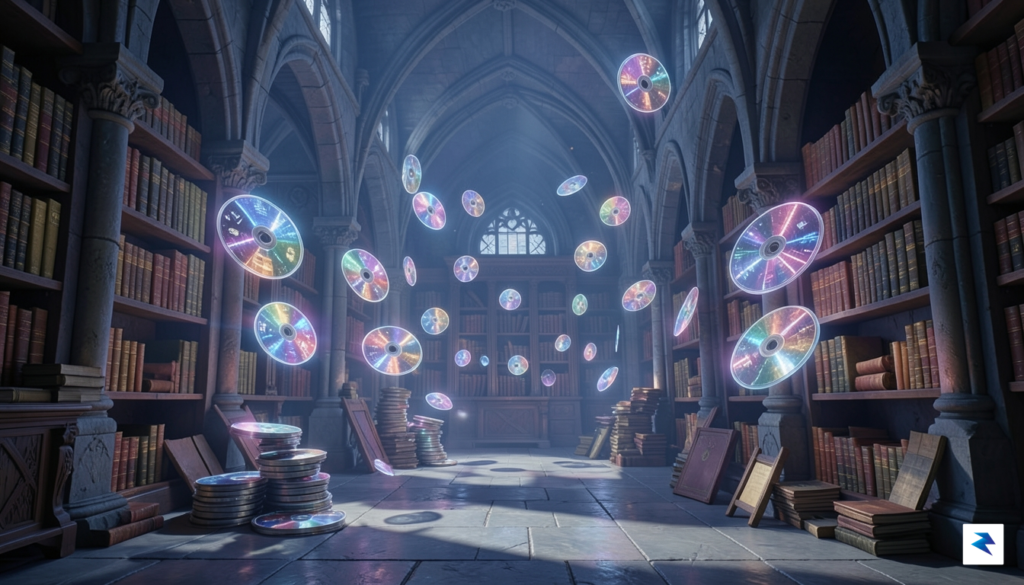
The saga of EverQuest serves as a poignant microcosm for the broader crisis facing digital history in the 21st century. As the industry increasingly pivots toward ephemeral, live-service models designed to maximize quarterly earnings, the cultural legacy of these virtual worlds is often treated as disposable. When a publisher decides that a title is no longer profitable, they do not merely cease updates; they effectively delete a decade of player memories, social hierarchies, and digital archaeology. In this climate, the persistent dedication of fans to maintain, emulate, and revive these environments is not just a hobby—it is an essential act of preservation that fills the void left by corporate indifference.
This dynamic creates an inevitable tension between the legal protections of intellectual property and the moral imperative of cultural conservation. Corporations frequently view fan-run servers and preservation projects as threats to their proprietary control, leading to a landscape fraught with cease-and-desist orders and complex litigation. However, this adversarial stance ignores a fundamental truth: publishers often abandon their own back catalogs, leaving them to rot in digital graveyards. By stifling fan efforts to keep these worlds alive, developers and publishers are not protecting their bottom line; they are actively erasing the very history that established the foundations of their current franchises.
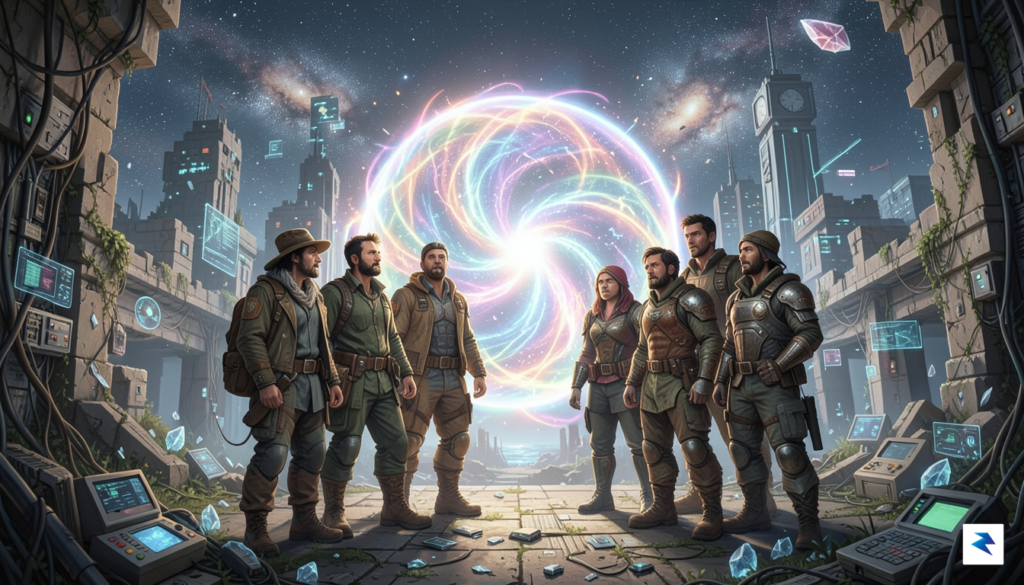
Ultimately, the future of game longevity appears to be shifting away from centralized corporate oversight and toward community-driven stewardship. If the history of gaming is to survive the volatility of modern business cycles, it will be because players—armed with technical expertise and deep emotional attachment—have taken the mantle of preservation upon themselves. Empowering these communities through legal frameworks that favor archival access over strict deletion is the only viable path forward. Without this shift, we risk losing the interactive experiences that defined entire generations of players, turning the history of video games into a fleeting, unrecoverable phenomenon.
The true value of a virtual world lies not in its subscription revenue, but in the collective experience of its inhabitants; when the developers walk away, it is the community that transforms a server into a legacy.
We must recognize that games are more than just products; they are social spaces and cultural artifacts that deserve the same level of protection afforded to film or literature. By acknowledging the legitimacy of fan-led revival projects, the industry could foster a healthier relationship with its past, ensuring that iconic worlds remain accessible to future researchers and enthusiasts alike. The preservation of our digital heritage should not be a battle of attrition, but a collaborative effort that honors the players who built these worlds as much as the developers who initially designed them.
You must be logged in to post a comment.