One Million Passports Leaked: The Reality of Modern Data Security Failures
The Anatomy of a Massive Passport Leak The recent exposure of one million passport records—linked to the Nefos/Puffpal ecosystem—has sent…

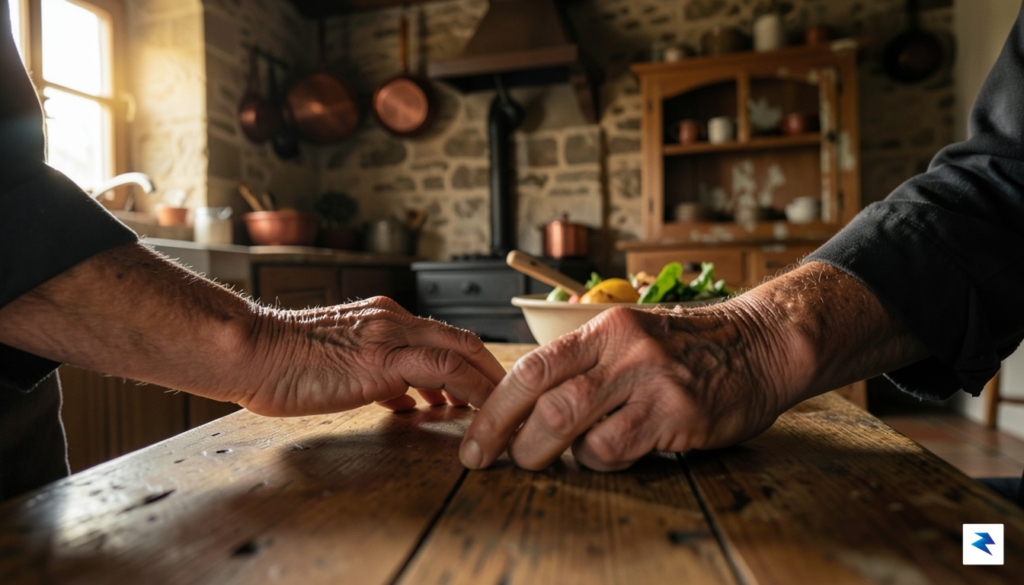
In the quiet corners of rural France, far from the sterile hum of metropolitan hospitals, a peculiar and ancient practice continues to defy the rationalist tide of the twenty-first century. Known as coupeurs de feu—or fire-tamers—these individuals act as conduits for a tradition that predates modern pharmacology and germ theory. They are not doctors, nor are they regulated by the state; instead, they are keepers of a specialized, often whispered, repertoire of prayers and physical gestures. When a person suffers a thermal burn or the searing irritation of radiation therapy, they often turn to these healers, who claim they can “cut” the fire, drawing the intense, throbbing heat out of a wound through nothing more than focused intention and clandestine incantations.
The existence of these healers presents a fascinating paradox within a nation that prides itself on the legacy of the Enlightenment and a robust, state-funded healthcare system. France is a country defined by its commitment to secularism and empirical science, yet the coupeur de feu remains an embedded cultural artifact. Their role transcends mere folk medicine; they function as a psychological and spiritual bridge for those who feel that clinical medicine, while undeniably effective at treating the physical tissue, sometimes fails to address the existential panic and acute agony that accompanies a burn. This reliance on the intangible reveals a profound, lingering human need for comfort that operates parallel to, rather than in opposition to, the clinical environment.
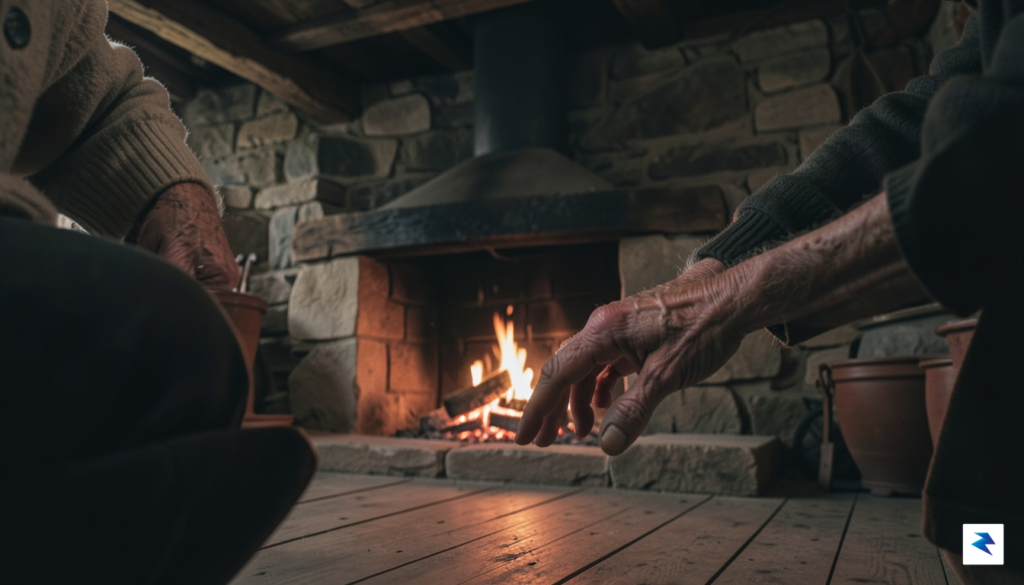
The persistence of the fire-tamer is not a rejection of science, but a testament to the enduring human search for relief when the limits of medicine are reached.
How do these practitioners survive in an age defined by evidence-based medicine and digital connectivity? The answer lies in the subtle, often informal integration of their work into daily life. It is not uncommon for hospital nurses or doctors to quietly suggest that a patient contact a known local healer, acknowledging that the patient’s subjective experience of pain—and their belief in a secondary, traditional treatment—can play a significant role in their recovery. This silent partnership between the scientific and the superstitious creates a unique social fabric where the rational and the mystical coexist in a fragile, unspoken truce. As we peel back the layers of this phenomenon, we are forced to confront a central question: what does the endurance of the fire-tamer tell us about the limitations of our modern, clinical worldview?
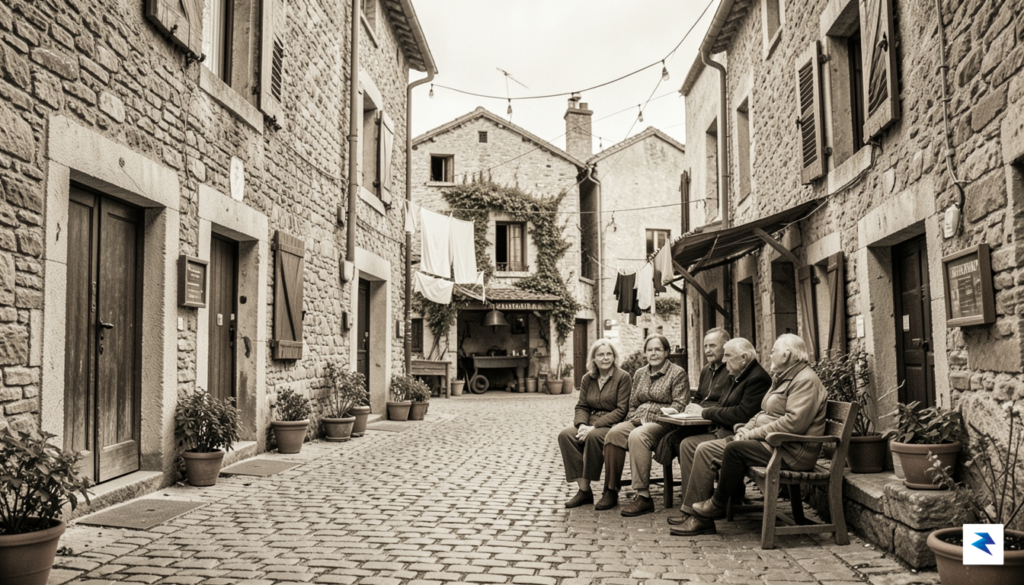
The practice of the coupeurs de feu—or fire-tamers—is deeply embedded in the bedrock of French rural life, emerging from a time when the hearth was both the center of the home and a constant, volatile threat. In agrarian communities that were often physically isolated from the reach of urban medicine, these individuals served as essential conduits for relief. When a farmer suffered a severe burn from a wood stove or a harvester encountered a blistering accident, there was no clinic nearby to provide sterile dressings or specialized care. Instead, families turned to the local healer, a neighbor whose reputation for “cutting” the fire was whispered with a mix of reverence and necessity. This tradition flourished in the quiet, shadowed corners of the countryside, where the boundaries between the physical world and the spiritual realm were far more porous than they are today.
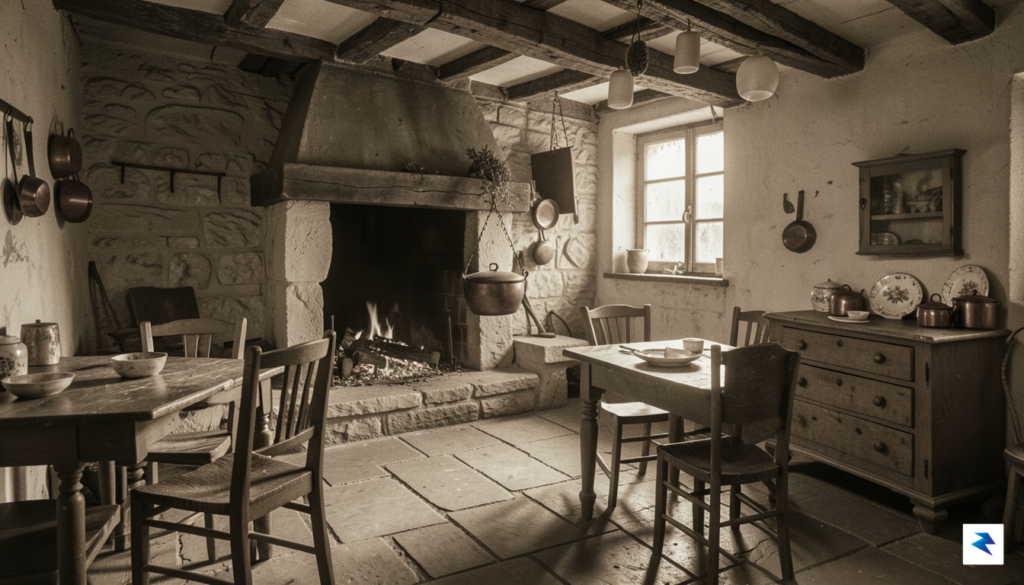
At the heart of this tradition lies the “secret”—a guarded set of prayers, invocations, or rituals transmitted through a strictly defined lineage. The transmission of this knowledge is rarely a casual affair; it is typically passed down within a family or between a mentor and a chosen apprentice, often under the condition that the words remain unspoken until the elder reaches the end of their life. This oral tradition is governed by a strict etiquette: if the secret is revealed to the wrong person, or shared with the intent of financial gain, it is said to lose its efficacy instantly. This inherent fragility acts as a powerful cultural gatekeeper, ensuring that the practice remains deeply personal, guarded, and stripped of any commercial pretense. It is this protective secrecy that imbues the act of fire-taming with such profound psychological weight, transforming a simple recitation of words into a sacred trust.
The secret is not merely a tool for healing; it is a weight of heritage that binds the practitioner to their ancestors, requiring a lifetime of silent stewardship.
The spiritual landscape of the coupeurs de feu is heavily influenced by Catholic tradition, frequently invoking specific saints—most notably Saint Lawrence and Saint Anthony—to intercede on behalf of the sufferer. These prayers often bridge the gap between religious devotion and folk magic, utilizing rhythmic, repetitive patterns that suggest an ancient, pre-Christian heritage repurposed for a Catholic framework. By calling upon the divine to “cool” the skin and “command” the pain to cease, the practitioner creates a powerful placebo effect that is bolstered by the collective belief of the community. In a world where scientific explanations were unavailable, these rituals provided a structured, meaningful way to cope with trauma, offering the injured a sense of agency and hope when faced with the raw, searing reality of a burn.

When the ancient traditions of ‘fire-taming’ or ‘fire-healing’ confront the rigorous scrutiny of modern clinical medicine, the resulting dialogue is often complex and rarely yields straightforward answers. For centuries, individuals known as coupeurs de feu in France have claimed the ability to alleviate burns, often through ritualistic prayers or passes of the hand, without direct physical contact. Science, however, typically demands quantifiable evidence, struggling to measure phenomena like ‘energy’ or the specific mechanisms of ‘prayer’ in a laboratory setting. This fundamental difference in approach creates a significant chasm between empirical observation and deeply held traditional beliefs, forcing a re-evaluation of what constitutes effective care.
One of the most compelling scientific explanations for the perceived efficacy of fire-taming lies in the well-documented power of the placebo effect. This phenomenon demonstrates that a patient’s belief in a treatment, even if inert, can trigger real physiological responses, leading to symptom improvement. In the context of burns or other ailments, the comforting presence of a healer, the ritualistic actions, and the patient’s strong conviction that they are receiving help can significantly reduce pain perception and anxiety. This psychological comfort, while not directly healing the tissue, can dramatically alter the patient’s experience of their suffering and improve their overall well-being during recovery.
Indeed, the profound impact of psychological comfort on the human body’s healing processes is increasingly recognized even within mainstream medicine. Stress and anxiety are known to hinder recovery and exacerbate pain, whereas a sense of calm and reassurance can activate the body’s natural analgesic and restorative mechanisms. The simple act of feeling cared for, believed in, and hopeful can release endorphins, reduce cortisol levels, and improve immune function, all of which contribute to a more positive recovery trajectory. Therefore, while a ‘fire-tamer’ may not physically extinguish a burn, their intervention could be providing crucial psychological support that indirectly aids the healing process and mitigates the patient’s discomfort.
Paradoxically, despite the scientific community’s skepticism regarding the supernatural claims of these healers, a pragmatic acceptance has begun to emerge in some French hospitals. Faced with patients who report genuine relief after visiting a coupeur de feu, and with no harm done, some medical staff have started to observe these healers and, in certain instances, even cooperate with them. This collaboration isn’t an endorsement of mystical powers, but rather a recognition of the positive psychological and anecdotal outcomes reported by patients. When conventional medicine has offered all it can, and a patient finds comfort and improved quality of life through traditional means, the medical community sometimes opts for a complementary approach, prioritizing patient well-being over strict adherence to quantifiable evidence.
Nonetheless, the inherent limits of what science can measure remain a formidable barrier to fully understanding the traditional claims. Modern scientific instruments are designed to detect physical and chemical changes, not spiritual energies or the nuanced effects of intention and belief outside of a placebo framework. This means that while science can explain the psychological benefits and the body’s own healing responses, it struggles to quantify or even acknowledge the ‘energy’ or ‘prayer’ that healers themselves believe is central to their practice. This leaves us with a fascinating dynamic: a realm where empirical data and deeply ingrained cultural practices coexist, occasionally intersect, but often operate on entirely different planes of understanding, each offering unique contributions to human comfort and healing.

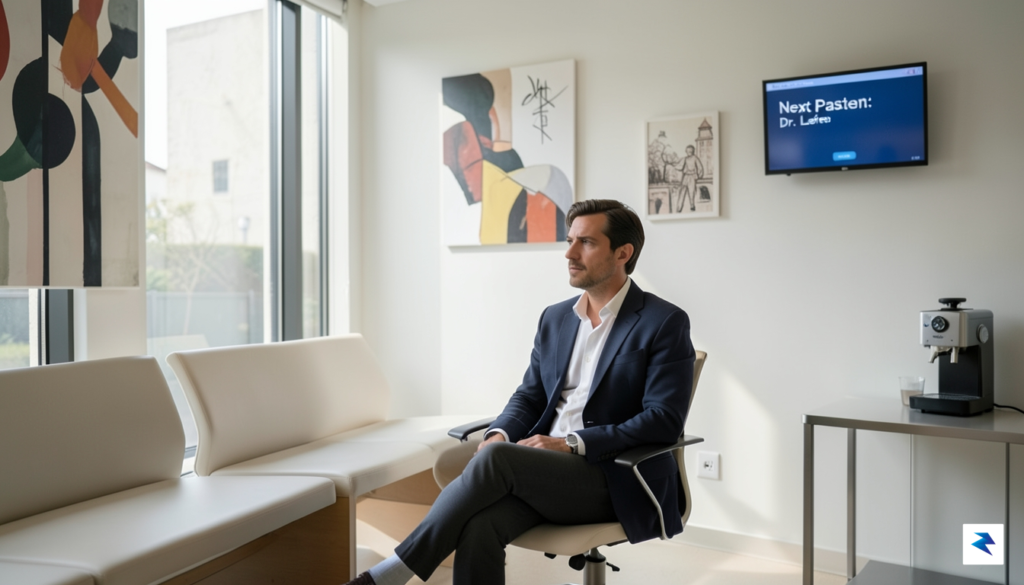
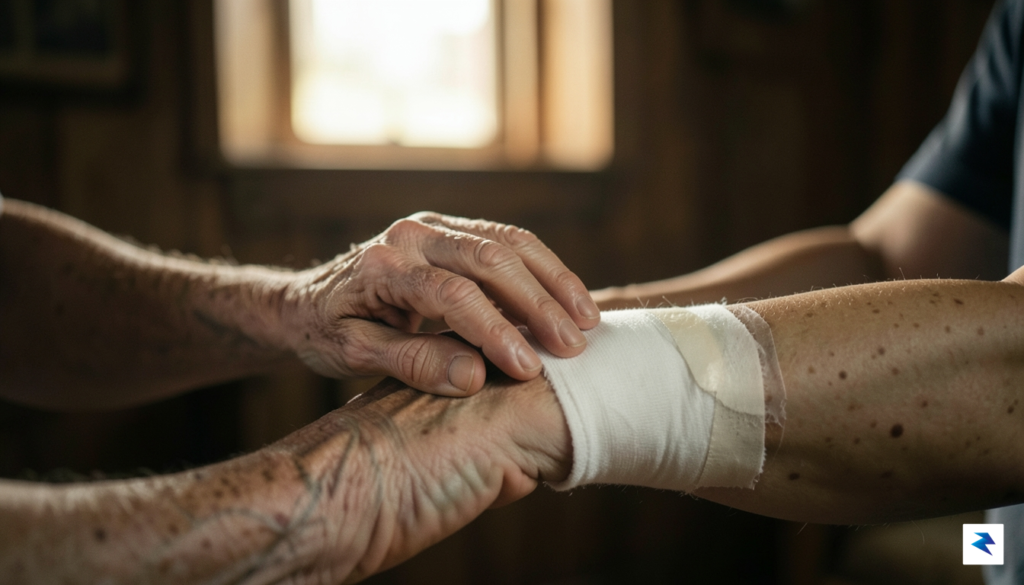
The enduring presence of fire-tamers in a hyper-technological society like France presents a fascinating paradox: why do individuals entrust their physical trauma to traditional healers when world-class medical facilities are readily available? The answer lies not in a rejection of scientific advancement, but in the profound human need for care that transcends clinical efficiency. Modern medicine, for all its life-saving precision, often operates within a framework of standardized protocols and time-constrained consultations. In this environment, the patient can occasionally feel like a set of symptoms to be managed rather than a person in distress. The fire-tamer fills this void by offering a ritualized, human-centric encounter that acknowledges the emotional weight of a burn, effectively treating the anxiety and fear that naturally accompany such a painful injury.
At the heart of this practice is the “therapeutic alliance”—a concept usually confined to psychotherapy but clearly present here in a rural, folk-remedy context. When a patient reaches out to a fire-tamer, they are engaging in a deliberate act of seeking empathy. The ritual—often involving quiet prayer, specific hand movements, or whispered words—acts as a container for the patient’s suffering. It is a shared moment of focused attention where the healer listens, validates the pain, and asserts that relief is possible. This interaction creates a powerful placebo effect rooted in the neurobiology of connection; by lowering the patient’s cortisol levels through soothing, personalized engagement, the healer helps the body’s innate capacity for recovery to function more effectively.
The fire-tamer’s true medicine is not merely the ritual itself, but the restoration of agency to an individual who feels physically violated by a traumatic injury.
Furthermore, these practices provide a critical sense of agency to those who feel helpless in the face of sudden, unpredictable trauma. A burn is a violent, chaotic event that disrupts the body’s integrity; the medical process that follows can sometimes feel equally overwhelming, involving sterile environments and detached expertise. By choosing to consult a fire-tamer, the patient moves from a passive recipient of treatment to an active participant in their own healing narrative. This choice allows them to regain a degree of control over their recovery process, bridging the gap between the cold logic of biological repair and the warm, necessary reality of human comfort. In this light, the fire-tamer remains a vital sociological figure, proving that even in the age of the algorithm, the oldest remedy of all—the presence of another person—remains an essential component of the human experience.

In the corridors of many French hospitals, a quiet, unspoken understanding has begun to emerge between the sterile world of modern medicine and the ancient, secretive practice of “fire-taming.” While medical professionals are trained in the rigorous sciences of wound care and skin grafts, they are increasingly encountering patients who arrive with the expectation that a barreur de feu—a fire-tamer—has already been called. Rather than dismissing these beliefs as mere superstition, a growing number of practitioners are adopting a stance of “silent cooperation.” This approach recognizes that for many patients, the psychological comfort derived from traditional rituals can be a potent catalyst for recovery, acting as a bridge that keeps the patient calm and receptive to clinical intervention.

This coexistence, however, is fraught with profound ethical dilemmas for physicians and nurses alike. Medical staff must navigate the delicate boundary between respecting a patient’s cultural autonomy and upholding the standards of evidence-based practice. The core tension lies in the distinction between complementary and alternative care; when a ritual is used to supplement clinical treatment by reducing anxiety or pain, it is often viewed through a lens of cultural sensitivity. Yet, the danger becomes acute when the reliance on traditional methods leads to the delay of proper medical treatment. For severe burns, where the golden hour of intervention can determine the trajectory of healing, any hesitation to seek professional care can lead to catastrophic, life-altering complications.
The most effective path forward is not the total eradication of traditional beliefs, but the strategic integration of patient support systems that do not compromise the integrity of life-saving medical protocols.
To mitigate these risks, many institutions are moving toward a more transparent dialogue. By acknowledging the patient’s belief system without validating the efficacy of the ritual itself, doctors can maintain the patient’s trust while ensuring that the necessary clinical procedures are never bypassed. This nuanced approach relies on the understanding that healing is a holistic experience, encompassing not just the biological repair of tissue, but the mental and spiritual resilience of the individual. In this evolving landscape, the goal is to transform the traditional friction between science and folklore into a collaborative environment where the patient’s overall well-being is the primary objective, ensuring that ancient traditions serve as a supplement to—rather than a substitute for—the marvels of modern medicine.

The enduring presence of the French coupeurs de feu, or fire-tamers, invites us to look beyond the rigid binary of superstition versus science. At its core, the practice serves as a profound reminder that the human experience of suffering is never purely biological; it is deeply intertwined with our emotional, psychological, and communal landscapes. By offering a sense of agency and comfort to those enduring the trauma of burns, these practitioners provide a form of care that addresses the patient’s need for reassurance and ritual—elements that modern clinical settings, in their pursuit of sterile efficiency, sometimes inadvertently overlook.
While the mechanisms attributed to these practitioners—often described as secret prayers or arcane incantations—defy contemporary empirical validation, their value should not be dismissed as mere folly. Instead, we must recognize that the efficacy of the “healing” they provide may reside in the psychological relief of the patient. When a person feels heard, comforted, and cared for within a cultural framework they trust, the subjective experience of pain can be significantly mitigated. This highlights a crucial truth: healing is as much about the restoration of the spirit and the lowering of physiological stress as it is about the pharmacological or surgical repair of damaged tissue.

True healthcare does not ask us to choose between the scalpel and the spirit; it asks us to integrate the two in a way that honors the total well-being of the human being.
Moving forward, the future of medicine need not be an antagonistic battlefield between ancient traditions and rigorous scientific inquiry. Rather, it can evolve into a more holistic model that respects cultural heritage while maintaining the essential standards of evidence-based practice. By acknowledging the psychological support these traditions offer, medical professionals can foster a more empathetic environment that complements clinical treatment with the human touch. Embracing this synthesis allows us to bridge the gap between ancient wisdom and the modern age, ensuring that we care for the patient not just as a set of symptoms to be treated, but as a person searching for meaning and relief in the face of adversity.
You must be logged in to post a comment.