OpenAI’s 5% Equity Proposal: Can a Sovereign Wealth Fund Democratize AI Profits?
The Case for a Sovereign AI Stake The rapid ascent of artificial intelligence has sparked intense debate regarding who truly stands to benefit…
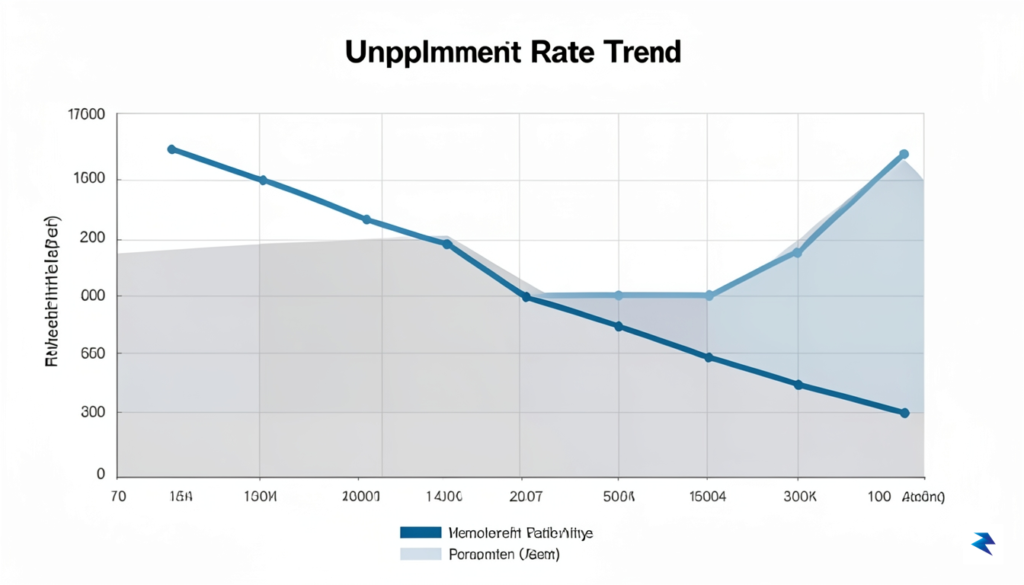
The recent stabilization of the unemployment rate at 4.2 percent serves as a compelling indicator that the American economy is successfully navigating a delicate transition. Rather than signaling a sudden economic downturn, this figure suggests that the labor market is moving toward a more sustainable equilibrium. By cooling at a measured pace, the economy is shedding the overheating tendencies that characterized the post-pandemic recovery, effectively alleviating the wage-price pressures that previously stoked inflationary fears. This movement is not an indication of a structural collapse, but rather a deliberate recalibration toward a healthier, more predictable growth trajectory.
When examining the interplay between job creation and labor force participation, it becomes clear why economists are cautiously optimistic about this “Goldilocks” scenario. The steady influx of new workers into the labor force has helped to balance the demand for labor, preventing the kind of acute supply-demand imbalances that drive rapid, unsustainable wage spikes. Because businesses are now hiring at a more measured rate, the labor market remains robust enough to support consumer spending without necessitating the aggressive monetary interventions that often trigger recessions. This balance is critical; it proves that the economy can support meaningful employment opportunities without overheating the broader financial system.
The current labor market environment represents a rare “soft landing” outcome, where inflationary pressures subside while the fundamental engine of the economy—consumer purchasing power—remains intact and resilient.
Historical benchmarks provide essential context for why current trends are viewed so favorably by policymakers. In previous economic cycles, a shift in the unemployment rate of this magnitude often preceded a sharp contraction; however, today’s data reveals a different narrative rooted in structural resilience. Unlike past eras where labor shortages forced aggressive interest rate hikes, the current environment benefits from a more diversified and adaptable workforce. Modern job seekers and employers alike are operating with a level of flexibility that was less prevalent in decades past, allowing the market to absorb economic friction without causing widespread layoffs or systemic instability.
Ultimately, the current state of the labor market suggests that the economy is functioning within a sustainable “sweet spot.” By maintaining a steady 4.2 percent unemployment rate, the nation is successfully curbing inflationary momentum while ensuring that businesses maintain their capacity to grow. This environment offers the best of both worlds: a labor market that is strong enough to avoid a recessionary trap, yet cool enough to keep price levels under control. As we look toward the coming quarters, this stability will likely remain the foundational bedrock upon which more balanced, long-term economic prosperity is built.

At the heart of modern economic policy lies the persistent fear of a “wage-price spiral,” a self-reinforcing cycle where rising wages drive up the cost of goods, which in turn necessitates further wage increases to keep pace with the cost of living. When workers see their paychecks grow rapidly, corporations often pass these higher labor costs onto consumers by raising prices to maintain profit margins. However, the latest labor market data presents a decidedly different picture, indicating that average hourly earnings are remaining remarkably steady rather than accelerating. This stagnation is, from a macroeconomic perspective, a vital signal that the economy is not currently trapped in a cycle of runaway cost-push inflation.
For the Federal Reserve, the cooling of wage growth acts as a form of relief, suggesting that the primary engine of potential inflationary pressure is losing its momentum. When wage growth outpaces productivity, businesses are frequently forced to hike prices to cover their expenses, creating a feedback loop that central banks work tirelessly to prevent. Because hourly earnings are not surging, companies are under less immediate pressure to aggressively raise their prices to offset labor costs. This lack of upward movement in paychecks provides policymakers with the confidence that the labor market is not overheating, thereby reducing the likelihood of a persistent, inflation-fueling feedback loop.

The moderation in hourly earnings serves as a critical cooling mechanism for the broader economy, signaling to central banks that the structural foundations of inflation are currently contained.
It is important to acknowledge that while this stability is a boon for price control, it presents a more complicated reality for the individual worker who is still navigating the lingering effects of past inflation. However, from the narrow lens of monetary policy and price stability, this trend is arguably the most significant piece of evidence that the economy is achieving a soft landing. By decoupling wage growth from price hikes, the labor market is effectively helping to stabilize the purchasing power of the dollar without requiring draconian interest rate hikes that could trigger a recession. As long as hourly earnings remain tethered to productivity rather than runaway inflationary expectations, the economy remains on a much more sustainable trajectory toward long-term price equilibrium.

As Chairman Kevin Warsh navigates the complexities of his tenure, the latest labor market data arrives as a pivotal instrument for policy calibration. For some time, the Federal Reserve’s primary mandate was defined by a desperate, high-stakes battle against rampant inflation, necessitating a series of aggressive, restrictive interest rate hikes. However, with the labor market now demonstrating resilience without acting as a primary engine for price increases, the underlying premise for such hawkishness is being fundamentally challenged. This decoupling of employment strength from wage-push inflation offers Warsh significant maneuverability, allowing the Federal Reserve to shift its focus from crisis mitigation to the more delicate task of interest rate normalization.
The current cooling of the labor market provides a compelling argument for the Federal Reserve to adopt a more patient, “wait-and-see” approach. By observing that job growth is stabilizing rather than overheating, Chairman Warsh can justify holding current rates steady to assess how previous policy tightening continues to filter through the broader economy. This cautious posture is essential; it avoids the risk of overtightening—a move that could inadvertently trigger a recession—while maintaining the flexibility to respond should new inflationary pressures emerge. Essentially, the data grants the Fed the luxury of time, reducing the need for the blunt instrument of rapid rate adjustments in favor of a more nuanced, data-dependent strategy.
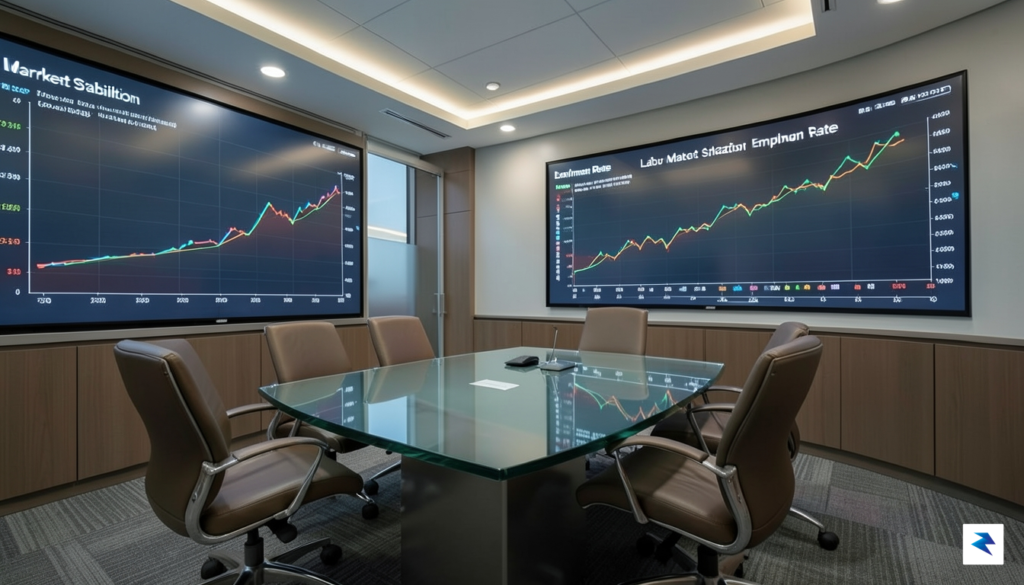
The data suggests that the labor market is no longer the primary driver of inflation, providing the Federal Reserve with the necessary breathing room to normalize policy without aggressive intervention.
Market participants are closely scrutinizing this shift, as the implications for investor sentiment and capital allocation are profound. If the Federal Reserve signals that it is moving toward a neutral policy stance, we can expect a stabilization in bond yields and a potential reduction in market volatility. Investors have long feared that a persistent, hawkish Fed would eventually break the economy; however, a transition to a more balanced, evidence-based approach may bolster confidence in a soft landing. Consequently, the ability of Chairman Warsh to effectively communicate this pivot will be just as critical as the policy decisions themselves, as clear messaging will be the key to managing expectations in an increasingly complex global financial landscape.

The most recent labor data paints a picture of an economy undergoing a deliberate and necessary recalibration rather than a sudden unraveling. By cooling wage growth to a sustainable pace while maintaining steady employment levels, the U.S. labor market has effectively decoupled itself from the runaway inflationary trends that dominated the post-pandemic recovery. This shift suggests that the economy is transitioning into a phase of durable, long-term growth, provided that the current equilibrium between employer demand and worker supply remains intact throughout the upcoming fiscal quarters. For investors, this environment signals a move away from the high-volatility regime of the past few years toward a more predictable landscape where fundamental business performance once again dictates market outcomes.

Despite this optimistic trajectory, stakeholders must remain vigilant regarding potential external shocks that could threaten this hard-won stability. While the domestic labor market currently shows resilience, the broader economic environment remains susceptible to unpredictable variables such as sudden supply chain disruptions or intensifying geopolitical tensions. These factors possess the capacity to force a spike in energy costs or raw material prices, which could inadvertently reignite inflationary pressures regardless of the state of the domestic workforce. Consequently, businesses and workers alike should view the current stability as a window of opportunity to build liquidity and reinforce balance sheets against future volatility.
The current labor-wage equilibrium acts as a vital shock absorber for the economy, preventing the overheating that typically precedes cyclical downturns.
Looking ahead, the implications for consumer spending and business investment are profound. As inflation stabilizes and the labor market finds a sustainable rhythm, consumers are likely to experience a more consistent increase in real purchasing power, supporting steady demand across retail and service sectors. Simultaneously, corporations may feel more confident in greenlighting long-term capital expenditures, knowing that labor costs are no longer spiraling out of control. This dual reinforcement of household and corporate confidence is the bedrock of a healthy economy. Ultimately, if the current data holds, the United States is well-positioned to avoid the “hard landing” scenarios once feared by analysts, instead settling into a period of moderated, sustainable expansion that rewards long-term planning over short-term speculation.
You must be logged in to post a comment.