
The Battle Over Federal Grants: Why Critics Are Fighting Political Oversight
The Shift Toward Political Oversight in Federal Grantmaking For decades, the federal grant-making apparatus has functioned as a cornerstone of…

The passing of Mary-Dell Chilton at the age of 87 closes a transformative chapter in the history of science, marking the loss of a visionary whose intellect fundamentally reshaped the global agricultural landscape. Long before biotechnology became a household term, Chilton stood at the vanguard of a burgeoning field, navigating a landscape often defined by intense skepticism and rigid institutional barriers. As a woman pursuing high-level research in the mid-20th century, she faced a scientific community that frequently overlooked female contributions; yet, her unwavering commitment to understanding the microscopic mechanisms of life allowed her to transcend these obstacles. Her work was not merely an academic exercise, but a radical reimagining of how humanity interacts with the natural world to secure its own survival.
Her journey began in the rigorous academic halls of Washington University in St. Louis, where she honed the precise analytical skills that would eventually lead to the development of the world’s first genetically modified plant. At the time, the idea of “splicing” genetic material into a plant’s DNA was viewed by many of her peers as a theoretical fantasy, if not a scientific impossibility. Undeterred by the prevailing orthodoxy, Chilton meticulously unraveled the secrets of Agrobacterium tumefaciens, a soil bacterium that naturally transfers its own genetic material into plant cells. By decoding this complex biological “hijacking” process, she effectively turned nature’s own tool into a precise instrument for human innovation, a breakthrough that would go on to serve as the bedrock for modern crop engineering.
The true measure of a scientist is found not in the theories they propose, but in the tangible, life-sustaining solutions they leave behind for future generations.
Transitioning from the ivory tower to the private sector at Ciba-Geigy—which would later evolve into Syngenta—Chilton demonstrated a rare ability to bridge the gap between abstract molecular biology and the practical demands of large-scale food production. This move was significant, as it signaled a shift toward applying biotechnology to real-world challenges, such as crop resilience, yield optimization, and food security in a changing climate. By successfully industrializing the laboratory techniques she had pioneered, she helped establish the foundational architecture of the modern food supply chain. Her legacy is woven into the very fabric of the crops we grow today, standing as a testament to how one individual’s persistence can successfully challenge the status quo to feed a growing global population.
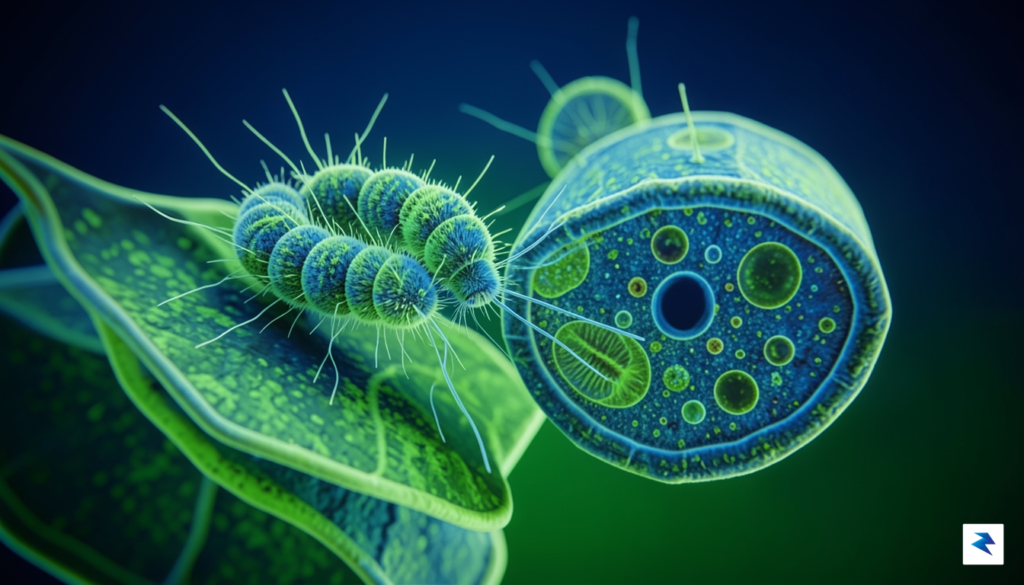
For decades, scientists observed a strange phenomenon in nature: a common soil bacterium known as Agrobacterium tumefaciens possessed the uncanny ability to cause tumors in plants. Mary-Dell Chilton and her colleagues were among the first to unravel the mystery behind this process, discovering that the bacterium was actually a master of genetic engineering. They identified a specific circular piece of DNA, called the Ti (tumor-inducing) plasmid, which the bacterium injects into a plant cell. Once inside, this DNA integrates itself into the plant’s own genome, effectively hijacking the cell’s machinery to produce nutrients that only the bacterium can consume. By demystifying this biological hack, Chilton realized that the bacterium was effectively functioning as a natural delivery vehicle for genetic information.
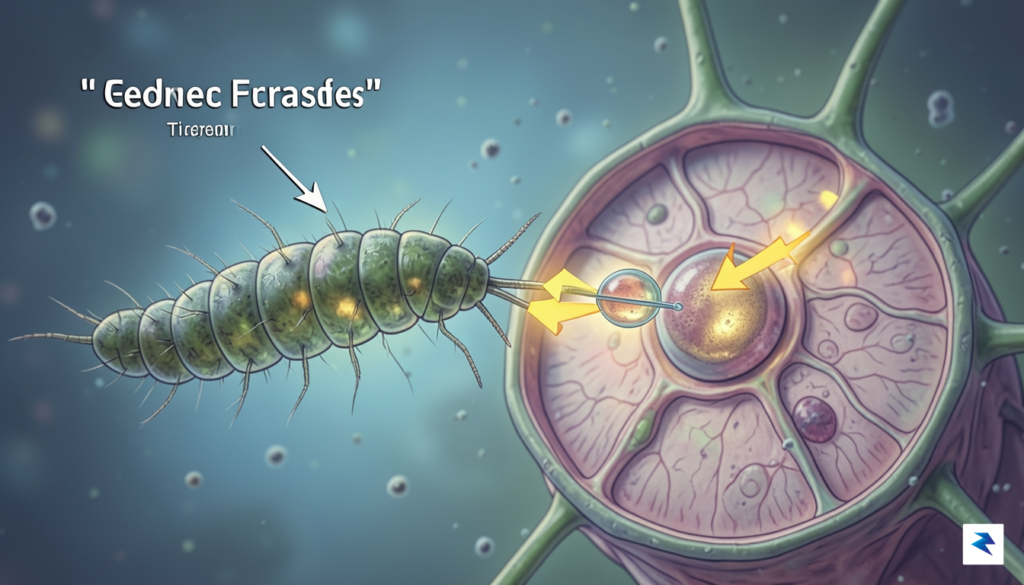
The true genius of Chilton’s 1982 discovery lay in her team’s ability to strip the bacterium of its harmful, tumor-causing traits while retaining its sophisticated “delivery system.” By carefully removing the disease-causing genes from the Ti plasmid and replacing them with desirable genetic instructions, they transformed a pathogen into a precise tool for improvement. This effectively turned Agrobacterium into a microscopic delivery truck capable of carrying beneficial traits—such as drought tolerance, pest resistance, or enhanced nutritional profiles—directly into the plant’s DNA. Because this process utilized the bacterium’s own natural mechanism for moving DNA, it was significantly more efficient and reliable than any artificial method attempted at the time.
The core of the breakthrough was not just in understanding how nature causes disease, but in repurposing that exact mechanism to build life-sustaining agricultural solutions.
This paradigm shift fundamentally altered the landscape of plant biology and agricultural development. Before this innovation, scientists were largely limited to the slow, imprecise process of traditional cross-breeding, which could take years or even decades to isolate a single favorable trait. Chilton’s work provided a surgical level of precision, allowing researchers to introduce specific changes into a plant’s genetic makeup without disrupting the rest of its complex biology. By mastering the art of genetic intervention, she provided humanity with a powerful new toolkit to address global hunger, paving the way for the modern crops that now form the backbone of our international food supply. Her ability to translate the complex language of bacteria into a functional technology remains one of the most consequential achievements in the history of biological science.
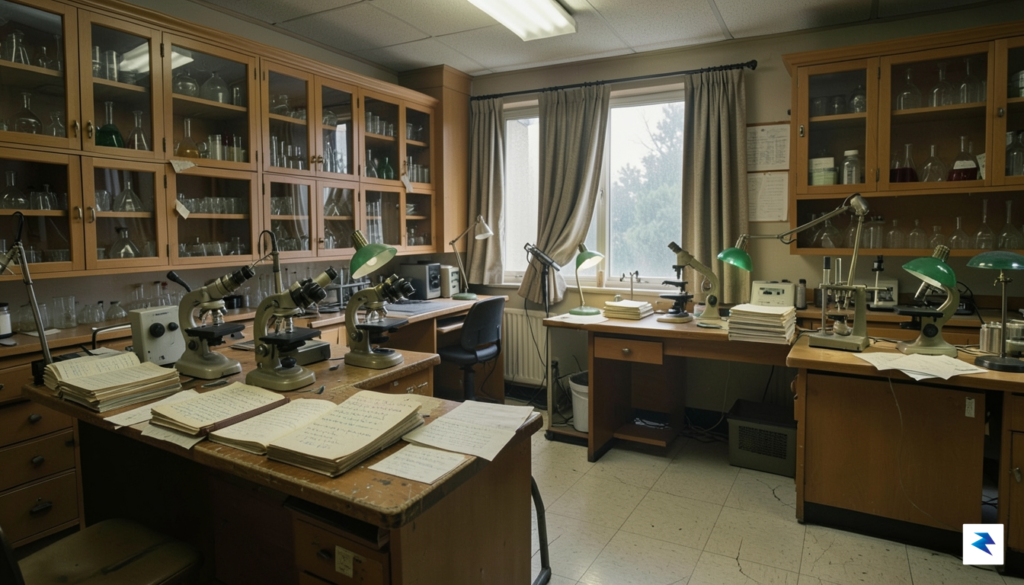
When Mary-Dell Chilton first proposed the radical idea that Agrobacterium tumefaciens could be harnessed to insert foreign DNA into plant cells, she was met with a wall of intense professional skepticism. At the time, the scientific community was deeply entrenched in the belief that such inter-species genetic manipulation was at best unlikely and at worst impossible. Critics argued that even if such an insertion occurred, it would be unstable, transient, or incapable of being passed down to subsequent generations. Navigating this landscape required more than just technical brilliance; it demanded an unwavering resolve to challenge the prevailing orthodoxies of molecular biology.
To dismantle these doubts, Chilton and her team embarked on an exhaustive series of experiments designed to provide irrefutable evidence. They did not simply aim to show that foreign genes could enter a plant; they worked to prove that these genes were integrated into the host genome, properly expressed, and faithfully inherited by offspring. Through meticulous molecular analysis and rigorous validation, they transformed the theoretical into the tangible. Their work silenced many of the harshest critics by demonstrating that the process was not only controllable but also predictable, laying the foundational framework for what would eventually become modern agricultural biotechnology.
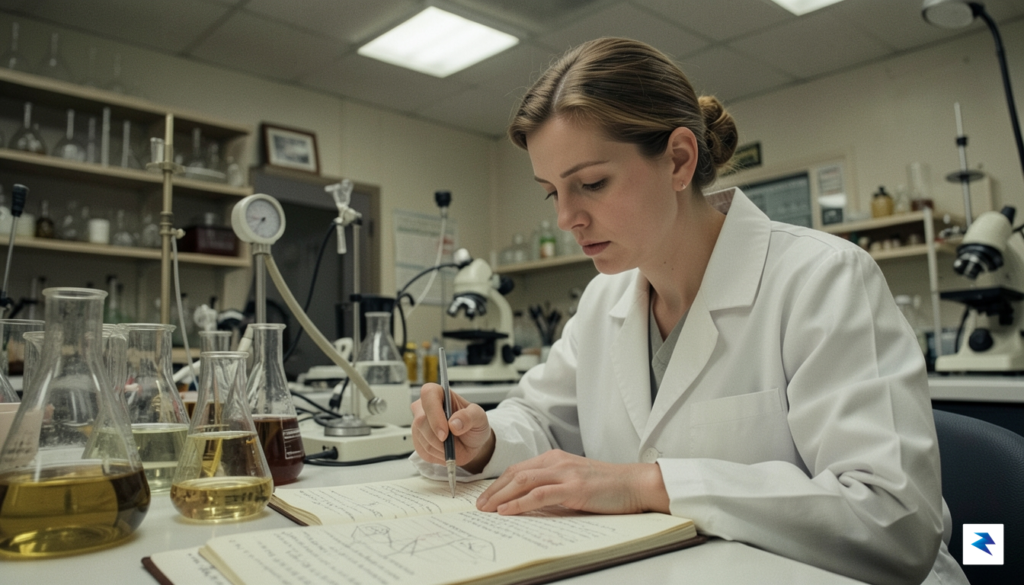
Beyond her prowess at the laboratory bench, Chilton’s legacy is defined by her role as a visionary leader who fostered a culture of curiosity and resilience. She understood that progress in science rarely happens in isolation, and she dedicated herself to mentoring a new generation of scientists who would go on to reshape the world. Her leadership style was characterized by a rare combination of intellectual humility and steadfastness; she encouraged her protégés to question their own assumptions just as rigorously as they questioned established theories. By creating an environment where rigorous debate was encouraged and failure was viewed as a necessary step toward discovery, she cultivated a pipeline of talent that ensured her breakthroughs were only the beginning.
The true measure of a scientific pioneer is not just the discovery itself, but the ability to translate radical ideas into a language that the broader scientific community can eventually accept, validate, and build upon.
Ultimately, Chilton’s success was not merely a triumph of technology, but a triumph of persistence against the comfort of the status quo. She navigated the skepticism of her peers with grace and empirical evidence, never allowing the weight of academic doubt to slow the pace of her discovery. Her ability to remain focused on the long-term potential of her work, even when the immediate reaction was one of dismissal, serves as a masterclass in scientific leadership. Today, as genetically modified crops play a central role in feeding a growing global population, it is clear that her vision was not only correct but essential to the future of our food systems.
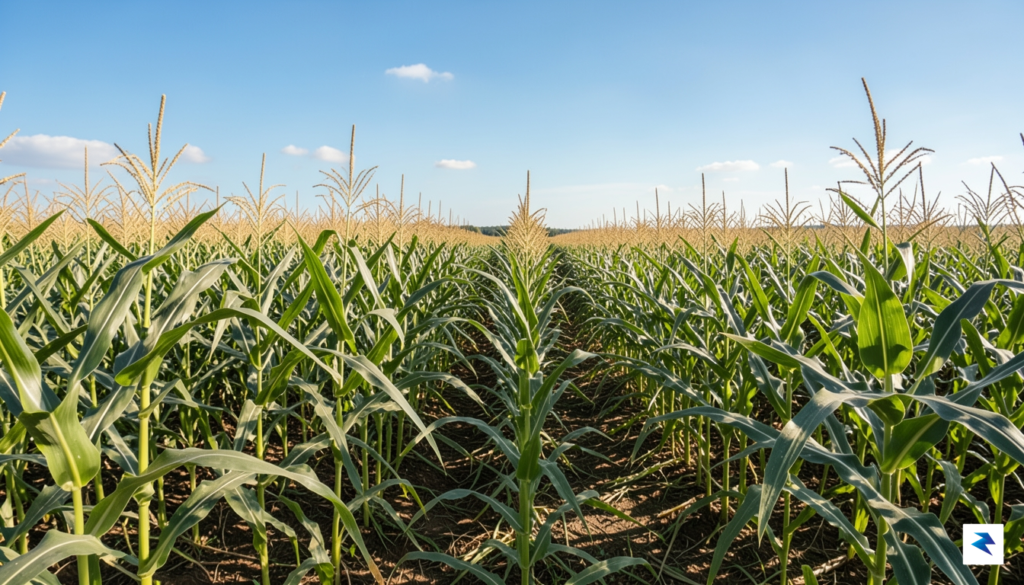
The transition from Mary-Dell Chilton’s pioneering experiments at the lab bench to the vast, commercialized fields of modern agriculture represents one of the most significant technological leaps in human history. By successfully demonstrating that Agrobacterium tumefaciens could be used to transfer foreign DNA into a plant genome, Chilton provided the fundamental toolkit that allowed scientists to move beyond the slow, imprecise methods of traditional cross-breeding. This shift enabled the rapid development of crops engineered to withstand the harsh realities of industrial farming, turning theoretical genetic manipulation into a cornerstone of international food production. Today, her legacy is visible in millions of acres worldwide, where bioengineered traits provide plants with the resilience needed to survive in an increasingly unpredictable climate.
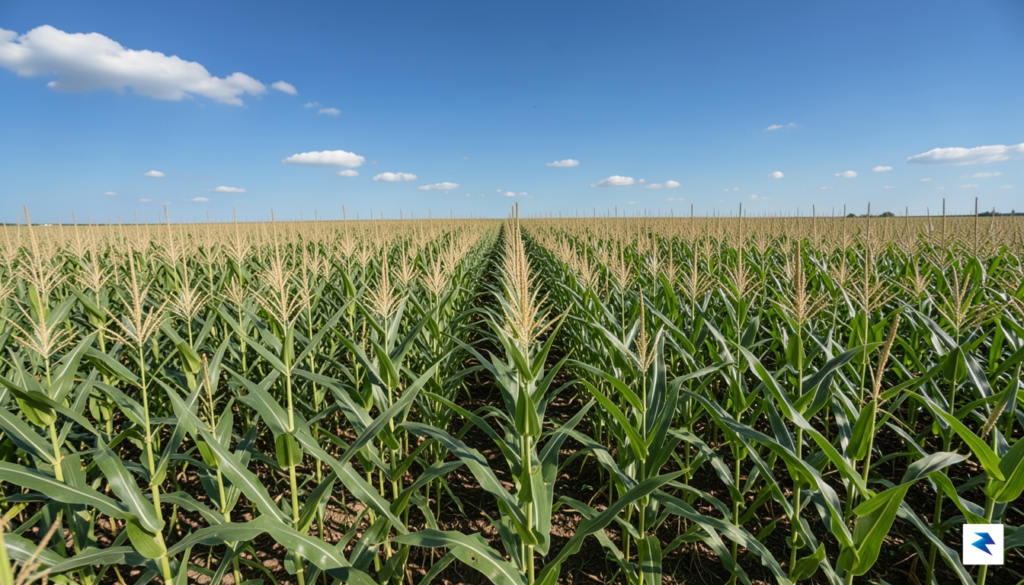
One of the most profound outcomes of Chilton’s work was the creation of insect-resistant crops, most notably those expressing proteins from the bacterium Bacillus thuringiensis, commonly known as Bt. Before this technology, farmers were largely reliant on heavy applications of broad-spectrum chemical pesticides to safeguard their harvests from devastating pest infestations. By integrating the plant’s own ability to repel these threats, Chilton’s research helped usher in an era where crops could effectively protect themselves from within. This has not only led to significantly higher and more reliable yields but has also fostered a decrease in the volume of synthetic chemical sprays required to maintain field health, ultimately benefiting both the farmer’s bottom line and the surrounding environment.
The integration of genetic engineering into agriculture has fundamentally altered how we approach the challenge of nourishing a global population that is projected to exceed nine billion by 2050.
Furthermore, the development of herbicide-tolerant varieties has revolutionized weed management practices, allowing for more efficient land use and reduced soil degradation. Because these crops can withstand specific, targeted herbicides, farmers are able to transition toward “no-till” or “low-till” agriculture, which preserves soil structure and moisture while preventing erosion. This advancement is a testament to the versatility of the technology Chilton championed; it is not merely about increasing output, but about refining the very mechanics of how we interact with the land. As we look toward a future shaped by climate change and fluctuating environmental stressors, the foundation laid by Chilton’s early discoveries remains indispensable, serving as a vital bridge between scientific innovation and the urgent, real-world necessity of global food security.

The accolades Mary-Dell Chilton received during her lifetime, including her prestigious induction into the National Inventors Hall of Fame and her receipt of the World Food Prize, serve as only a partial testament to the profound footprint she left on modern science. These honors recognized more than just a single breakthrough; they validated a fundamental shift in how humanity interacts with the biological building blocks of life. By demonstrating that we could harness the natural, gene-transferring abilities of Agrobacterium tumefaciens, Chilton provided the essential tools for a new era of agricultural independence. Her work did not merely create a lab-grown novelty; it opened the door to a world where crops could be engineered for resilience against pests, drought, and malnutrition, effectively turning the plant kingdom into a collaborative partner in global food security.
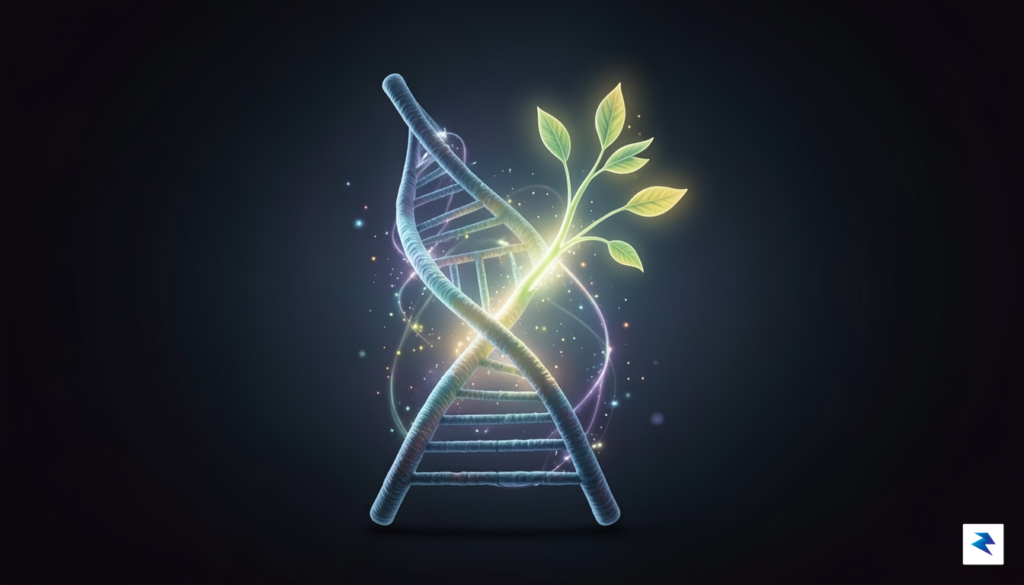
As we look toward a future increasingly defined by the harsh realities of climate change and dwindling natural resources, the foundational methods pioneered by Chilton remain more relevant than ever. Modern innovations, such as CRISPR-Cas9 gene editing and precision breeding, represent the next great frontier in biotechnology, yet these advancements are built entirely upon the bedrock of Chilton’s original discoveries. Where early genetic modification required the “cut and paste” precision of bacteria, today’s scientists are utilizing her legacy to refine the genetic code with even greater accuracy, ensuring that crops can thrive in shifting climates without the need for excessive chemical inputs. Her intellectual curiosity essentially mapped the terrain that contemporary researchers are now traversing to solve the most pressing nutritional crises of the twenty-first century.
“The beauty of our work was not in the modification itself, but in the discovery that nature had already developed a sophisticated mechanism for genetic exchange that we could learn to guide.”
Ultimately, Chilton taught the global community that we do not have to be passive observers of environmental decline. By choosing to work with nature rather than against it, she empowered generations of plant biologists to view the genome not as a static blueprint, but as a dynamic, editable system capable of adaptation. As we continue to face the pressures of a growing global population and limited arable land, the principles she established—rigorous observation, ethical scientific inquiry, and the relentless pursuit of practical solutions—will continue to guide the evolution of sustainable agriculture. Her influence is woven into the very fabric of the food systems that will sustain future generations, proving that her vision was never just about a single lab experiment, but about the long-term survival and prosperity of our planet.
You must be logged in to post a comment.