The Return of the Landline: Why Pinwheel is Betting on Low-Tech for Kids
The Digital Dilemma: Why Parents Are Rethinking Screen Time For the modern child, the digital landscape has shifted from a tool for…
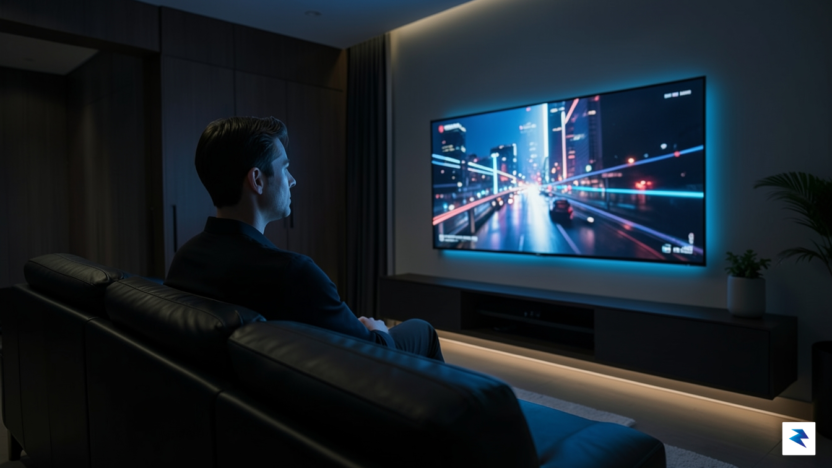
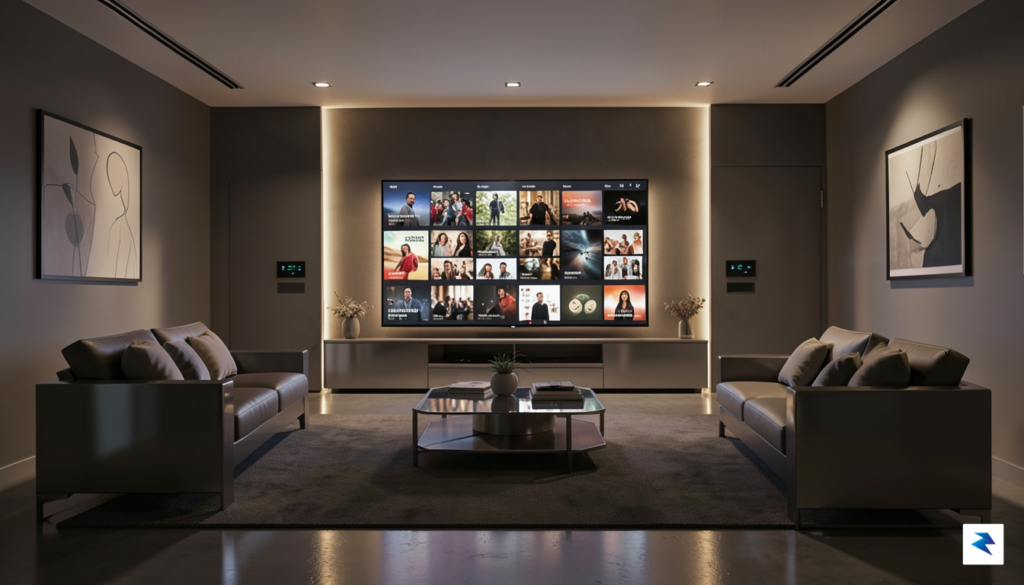
For over a decade, the streaming revolution was defined by the death of the schedule. The promise was simple: total autonomy. Viewers were sold on the idea of watching whatever they wanted, whenever they wanted, liberated from the constraints of traditional broadcast programming. However, the industry has hit a psychological wall known as the paradox of choice. When confronted with thousands of titles across multiple platforms, the initial thrill of freedom often curdles into a paralyzing sense of indecision. Users frequently spend more time scrolling through endless, algorithmically generated menus than actually watching content, leading to a phenomenon colloquially referred to as “streaming fatigue.”
This cognitive load has created a surprising demand for the very thing streaming was meant to replace: the passive, “lean-back” experience of linear television. There is an undeniable comfort in surrendering the remote to a curator, whether it is a human programmer or a sophisticated automated loop. By reintroducing linear-style, always-on channels, platforms like Netflix are essentially acknowledging that choice is not always a luxury. Sometimes, the viewer simply wants to drop into a familiar story without the mental labor of evaluating a dozen different options. It is a return to the simplicity of appointment viewing, updated for the digital age where the “channel” is curated by data rather than a broadcast executive.
The true value of an always-on channel lies in its ability to transform a vast, overwhelming library into a singular, cohesive narrative flow that requires zero input from the audience.
Bridging the gap between algorithmic curation and fixed scheduling is the next logical step in the evolution of entertainment interfaces. While artificial intelligence is excellent at predicting what a user might enjoy based on past behavior, it often lacks the ability to create a “mood” or a predictable rhythm. Linear-style channels provide that rhythm, acting as a digital hearth where audiences can gather for a steady stream of content that feels curated, intentional, and persistent. This strategy does not abandon the on-demand model; rather, it provides a necessary alternative for those moments when the user is mentally exhausted and simply wants the television to do the thinking for them.
Ultimately, this shift represents a maturation of the streaming market. As the initial novelty of on-demand content fades, the focus is shifting toward retention and user experience. By lowering the barrier to entry for a viewing session, Netflix is betting that convenience will keep subscribers engaged longer than a complex navigation menu ever could. By blending the precision of algorithmic recommendations with the reliable comfort of a broadcast loop, the platform is attempting to reclaim the singular magic of the “what’s on TV” experience while keeping the vast power of the cloud at its disposal.
The modern streaming experience is often marred by the “paradox of choice,” a psychological phenomenon where an abundance of options leads to decision paralysis. By introducing always-on, linear-style channels, platforms can effectively bypass the friction of content selection, allowing users to slip into a state of passive viewing without the mental tax of scrolling through endless menus. This shift from an active, search-based model to a lean-back, ambient experience creates a digital hearth that keeps viewers engaged for significantly longer durations. When the platform makes the programming decisions, the user is far less likely to abandon the service out of frustration, effectively cementing the subscription as a foundational element of their daily routine.
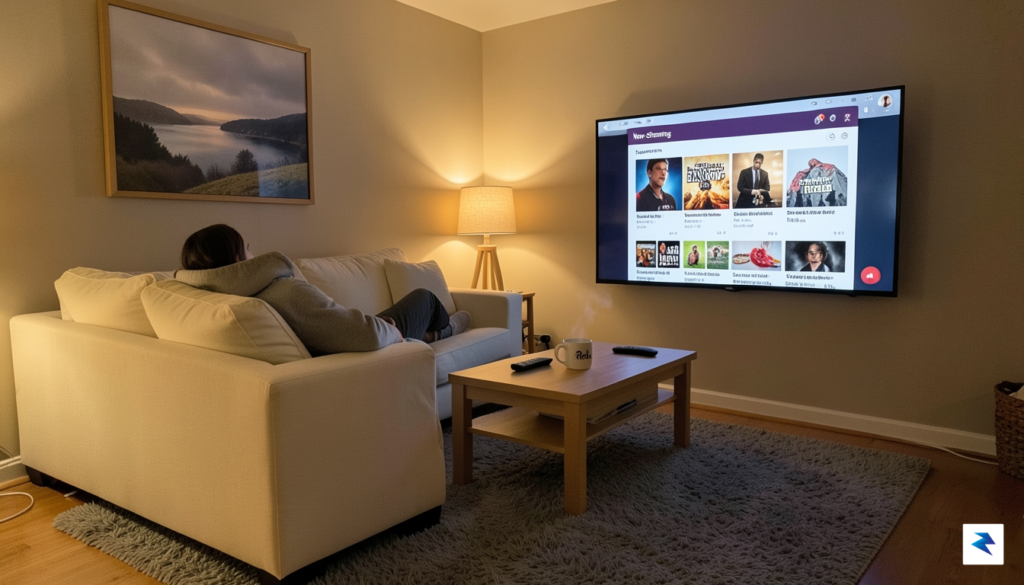
From a business perspective, the integration of genre-specific loops—such as continuous blocks of beloved sitcoms, high-stakes true crime documentaries, or seasonal reality TV—serves as a powerful engine for increasing daily active usage. These curated channels act as a safety net for the viewer; when a subscriber does not have a specific show in mind, they can simply tune into a theme that matches their current mood. This minimizes the risk of the user switching to a competing app or turning off the screen entirely. By fostering a sense of constant availability, the platform transitions from being a library that you visit occasionally into a destination that stays on in the background of your life, substantially increasing total time spent on the service.
The true value of linear programming in a digital age lies in its ability to transform high-effort browsing into low-effort consumption, ensuring the platform remains the default choice for casual relaxation.
Furthermore, this strategy reinforces the perceived value of the subscription by creating a reliable, predictable utility. Users often struggle to justify ongoing monthly costs if they feel they are not “actively” finding something new to watch; however, an always-on channel provides an immediate, tangible benefit that feels like a traditional television experience. By removing the need for manual curation, the platform essentially solves the “what should I watch?” dilemma before it even arises. This results in a higher stickiness factor, as the convenience of a curated loop becomes a habit-forming feature that users come to rely on for unwinding after a long day, ultimately reducing churn rates as the service becomes indispensable to their daily downtime.
The modern streaming landscape has become increasingly fractured, leaving consumers to navigate a chaotic maze of disparate platforms, overlapping content libraries, and a relentless cycle of price hikes. As the “streaming wars” reach a point of saturation, the convenience of the initial on-demand revolution has been eclipsed by the sheer exhaustion of managing multiple monthly subscriptions. By exploring the integration of always-on, linear-style channels, Netflix is not merely experimenting with a new feature; it is signaling a fundamental pivot toward becoming a modern-day cable aggregator. This strategic shift serves as a robust defensive moat, designed to consolidate viewer attention within a single, frictionless ecosystem that feels less like a chore and more like a curated television experience.
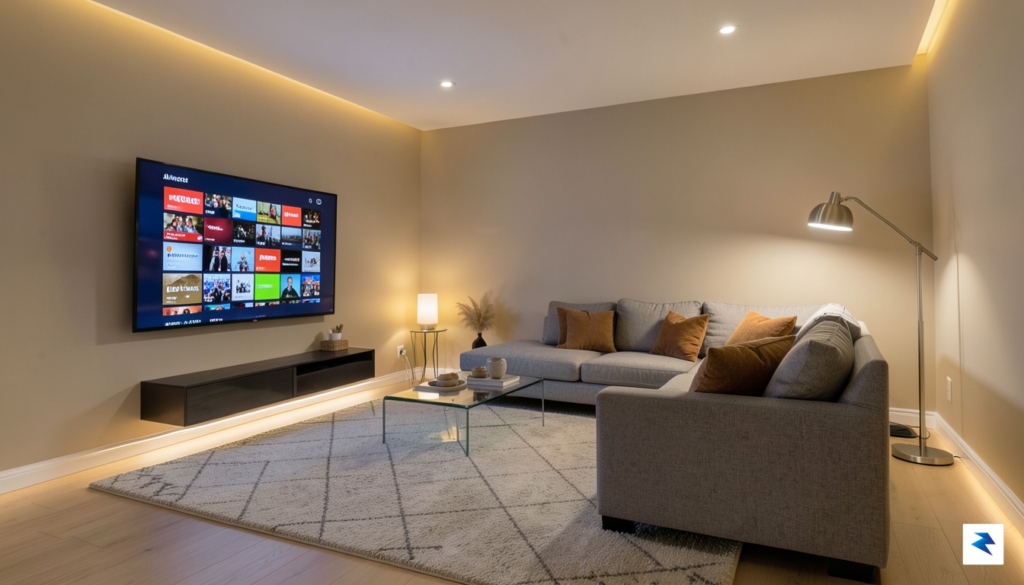
Bundling acts as a powerful psychological and financial anchor for subscribers who are otherwise prone to the “churn and return” behavior that plagues the industry. When a service evolves into an essential hub—integrating third-party content or diverse internal genres into a seamless, always-on interface—it drastically raises the barrier for cancellation. For the consumer, the value proposition shifts from paying for access to a library they might not visit for weeks to engaging with a utility that is always ready to entertain, regardless of their mood. By positioning itself as the primary gateway to a wide array of entertainment, Netflix effectively reduces the likelihood that users will feel the need to jump ship to competitors during dry spells of original programming.
The true power of the bundle lies in its ability to transform a discretionary entertainment expense into a foundational utility of the household.
Looking ahead, the potential for Netflix to leverage its massive scale by partnering with other streaming services or creating multi-tiered, all-in-one subscription packages could redefine the market entirely. If the platform succeeds in aggregating diverse media streams into a singular, cohesive interface, it effectively captures the “default” viewing habits that cable television once monopolized. This model creates a self-reinforcing cycle: the more content a user can access through a single login and interface, the more indispensable that platform becomes. Ultimately, this move acknowledges a simple truth about the current era of media consumption: consumers are tired of managing their own personal TV schedules, and they are ready to pay for the simplicity of a curated, always-on experience that just works.
The trajectory of the entertainment industry has shifted from the rigid, appointment-based viewing of the cable era to the “infinite choice” paradox of the early streaming boom. While the ability to binge-watch entire seasons of a show on demand revolutionized consumer habits, it also introduced a persistent “decision fatigue” that often leaves viewers scrolling through menus for longer than they actually watch content. By experimenting with always-on, linear-style channels, streaming platforms are effectively bridging the gap between two worlds. This hybrid model provides the comfort of traditional broadcast—where the programming is curated and passive—while maintaining the technical flexibility and data-driven infrastructure that made digital platforms successful in the first place.
At the heart of this evolution lies the sophisticated integration of artificial intelligence, which promises to transform these always-on channels into hyper-personalized experiences. Instead of relying on a human programmer to decide what airs at 8:00 PM, machine learning algorithms will likely craft unique, real-time streams for every individual subscriber. By analyzing past viewing behavior, time-of-day preferences, and even mood-based signals, these channels could morph seamlessly from a collection of high-octane action movies in the afternoon to relaxing, episodic sitcoms during dinner. This is not merely a return to the past; it is the implementation of a dynamic broadcast that is uniquely tailored to the specific tastes of the person holding the remote.
The true power of the hybrid model is not in replicating the past, but in eliminating the friction of choice, turning the passive experience of “channel surfing” into a high-precision discovery engine.
Ultimately, the success of this strategy hinges on whether it makes these services indispensable to the daily rhythms of the average household. By offering a “lean-back” mode that requires zero effort, streaming giants are attempting to cement their role as the default background noise of modern life. If they can successfully replicate the communal and low-stress appeal of cable while retaining the vast library of an on-demand service, they will effectively solve the biggest hurdle of the streaming age: the burden of choice. As we move forward, the platforms that manage to balance this curated, always-on utility with the freedom of choice will likely dominate the next decade of media consumption, making the traditional cable box an increasingly distant memory.
You must be logged in to post a comment.