NextEra and Dominion Merger: What a 10-Million Customer Energy Giant Means for You
The Strategic Rationale Behind the Merger The proposed unification of NextEra Energy and Dominion Energy is far more than a simple corporate…
The recent legal maneuver by The New York Times to quash federal subpoenas represents far more than a routine procedural dispute; it is a fundamental clash over the durability of the First Amendment in an era of heightened national security scrutiny. By formally challenging the Department of Justice’s demand for reporter testimony and records, the newspaper has signaled that the sanctity of the newsgathering process is not merely a professional preference, but a constitutional imperative. This tension highlights a recurring, yet increasingly fraught, dilemma: the point at which the government’s interest in identifying leakers and prosecuting security breaches collides with the public’s right to be informed by an independent press. At the heart of this conflict lies the question of whether journalists can effectively hold power to account if they are viewed by the state as an extension of its own investigatory apparatus.
The Department of Justice, in its pursuit of these subpoenas, is ostensibly acting on the necessity of enforcing laws designed to protect classified information and national security infrastructure. From the government’s perspective, the testimony of journalists is often viewed as a “missing piece” in the puzzle of identifying those who compromise sensitive materials. However, The New York Times contends that compliance would set a dangerous precedent, effectively transforming reporters into government agents. If journalists are routinely compelled to testify or reveal their sources under the threat of legal action, the resulting “chilling effect” could cause potential whistleblowers to go silent, thereby drying up the flow of information regarding government misconduct, corruption, or policy failures that the public has a vital interest in understanding.
The core of the legal argument rests on the principle that if the press can be forced to surrender its investigative materials, it can no longer serve as an independent watchdog, effectively neutralizing its function as a check on executive power.
The constitutional arguments invoked by the legal team for the Times emphasize that the First Amendment was intended to protect the press from exactly this type of coercive oversight. By resisting these subpoenas, the news organization is advocating for a robust interpretation of “reporter’s privilege”—a legal shield that, while not absolute, provides necessary protection against the government’s power to rummage through a journalist’s notebooks, emails, and interview logs. The outcome of this struggle will likely echo far beyond the walls of the courtroom, influencing how newsrooms across the country navigate the delicate balance between reporting on matters of national importance and defending their own institutional independence against the machinery of the state.
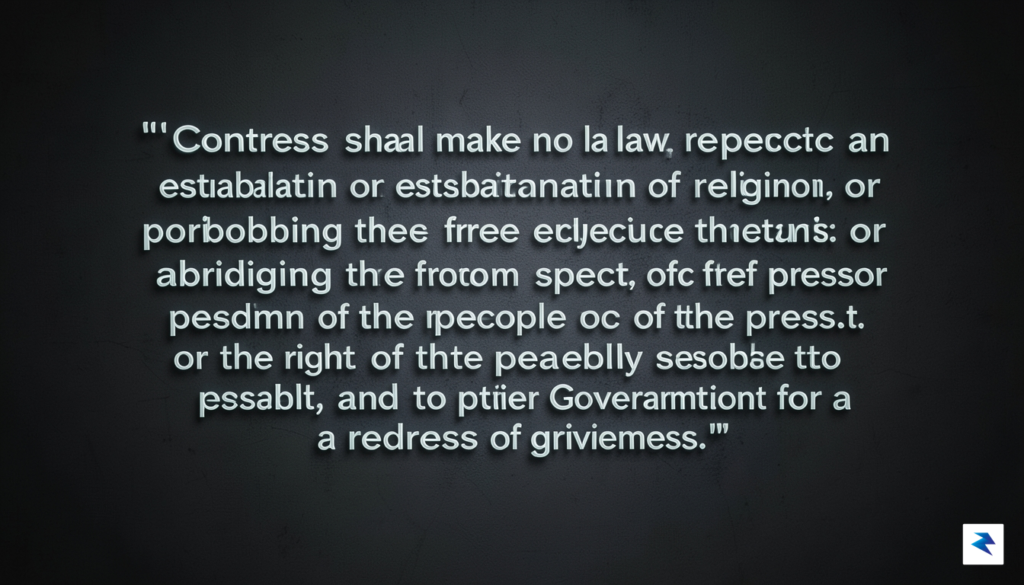
At the core of the ongoing legal confrontation lies the doctrine of reporter’s privilege, a fundamental principle rooted in the belief that a free press cannot function if sources fear retaliation or exposure. This legal protection is designed to shield journalists from being compelled to testify or produce documents that would reveal confidential identities or unpublished materials. Without this safeguard, whistleblowers, government insiders, and vulnerable witnesses might be deterred from coming forward, effectively silencing the investigative reporting that holds powerful institutions accountable to the public interest. By maintaining a metaphorical wall between the newsroom and the courtroom, the privilege ensures that the Fourth Estate remains an independent observer rather than an extension of the government’s investigative machinery.
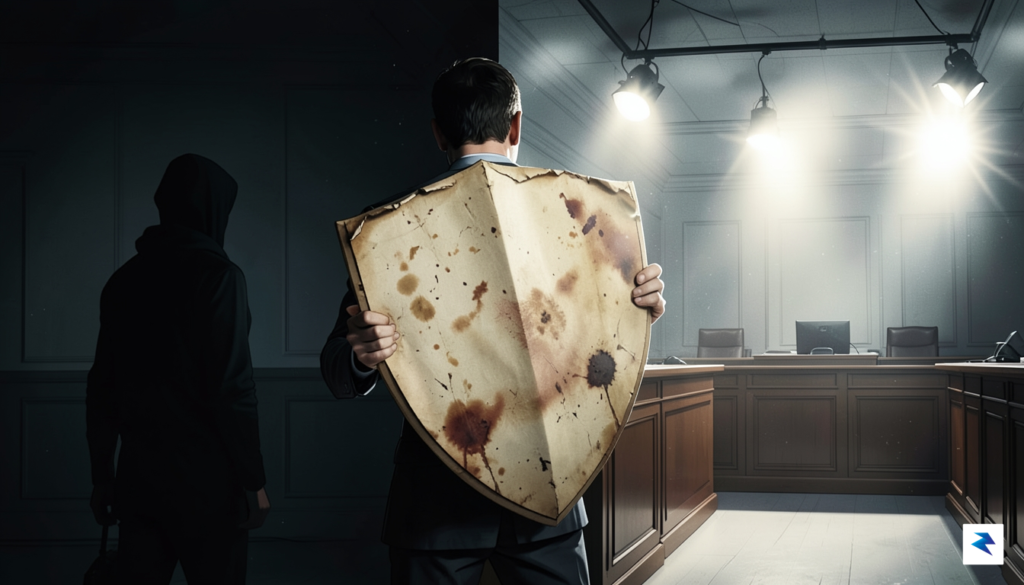
However, the reality of this privilege is far more fragmented than the First Amendment might suggest, particularly within the federal court system. Unlike some state jurisdictions that have enacted robust “shield laws”—statutes explicitly granting journalists the right to refuse to disclose confidential information—the United States federal government lacks a comprehensive, codified shield law. While the Department of Justice often adheres to internal guidelines requiring prosecutors to seek alternatives before subpoenaing the press, these are mere policies rather than ironclad constitutional protections. Consequently, in federal cases, the privilege is frequently treated as a qualified right that can be overridden by a judge if the government can demonstrate that the information is essential to a criminal investigation and unavailable through any other means.
“The independence of the press is not merely a professional courtesy; it is a structural necessity for a functioning democracy that relies on the public’s right to be informed.”
The absence of a uniform federal shield law creates a precarious landscape for news organizations, as they are often forced to navigate a patchwork of conflicting legal standards. When the government demands the disclosure of sources, journalists face a harrowing set of consequences: they must either comply and burn their contacts—thereby destroying their credibility and future access—or risk being held in contempt of court. A contempt ruling can lead to heavy financial penalties or even incarceration, creating a chilling effect that discourages investigative inquiry into sensitive government activities. As this latest legal challenge demonstrates, the fight is not just about a specific set of documents or a single source; it is a defensive line drawn to protect the very methodology of investigative journalism from being dismantled by judicial overreach.
The controversy stems from a series of investigative reports concerning the multi-billion dollar program to replace the existing presidential aircraft. These reports delved into the complex logistical, financial, and structural challenges facing the development of the new Air Force One fleet, shedding light on issues that had largely remained obscured from public view. By examining internal documents and speaking with individuals familiar with the project’s trajectory, the reporting provided an essential window into how taxpayer funds are being managed on one of the most sensitive and expensive military procurement efforts in modern history. The investigation was not merely about the hardware itself; it was a rigorous assessment of government oversight, contractual delays, and the technical hurdles inherent in retrofitting commercial airliners for the highest office in the nation.
Following the publication of these findings, the Department of Justice initiated an inquiry into the origins of the information, ostensibly seeking to identify the sources who provided documents to the press. Government officials have argued that the release of certain technical details could constitute a security risk, effectively framing the disclosure as a criminal act of unauthorized information sharing. This stance places the executive branch in direct opposition to the standard practices of investigative journalism, where the protection of whistleblowers and insiders is often necessary to hold powerful institutions accountable. The government’s pursuit of journalists’ records suggests a push to criminalize the act of bringing government inefficiencies to the light of day, regardless of whether the information exposed actually jeopardizes national security or simply reflects poorly on procurement administration.

The fundamental tension here rests on the distinction between legitimate national security concerns and the government’s desire to shield itself from scrutiny regarding massive public expenditures.
To understand the gravity of this legal battle, one must distinguish between the government’s assertion of a criminal leak and the traditional role of the press in a democracy. The New York Times contends that its reporting was a matter of significant public interest, serving to inform citizens about how their government handles gargantuan defense budgets. While the Department of Justice maintains that the protection of sensitive data is paramount, the media organization argues that the subpoenas represent an overreach that threatens the ability of reporters to communicate with sources on matters of public record and accountability. By attempting to force the identification of these sources, the government is not merely investigating a potential leak; it is effectively creating a chilling effect that could discourage future whistleblowers from coming forward, thereby eroding the transparency that the First Amendment is designed to protect.

The legal maneuverings surrounding these subpoenas extend far beyond the specific documents or internal communications currently under review. At its core, this case serves as a litmus test for the future of investigative reporting in an era where the boundary between national security and the public’s right to know is increasingly contested. When federal authorities attempt to compel news organizations to disclose their sources or surrender sensitive materials, they inadvertently construct a barrier between journalists and the whistleblowers who are essential to holding government institutions accountable. If the courts permit this encroachment, the resulting silence from potential informants could effectively neuter the watchdog function that the press has historically performed for the American public.
This potential for a profound “chilling effect” cannot be overstated, as it threatens to reshape the fundamental dynamics of news gathering. Investigative units rely heavily on the implicit promise of confidentiality; without the ironclad assurance that their identities will be protected, individuals with knowledge of government misconduct or systemic failures are far less likely to step forward. Journalists may find themselves in the precarious position of having to warn sources that their communications could be subject to government subpoena, a reality that naturally inhibits the flow of critical information. As fear replaces transparency, the investigative pipeline risks drying up, leaving the public in the dark regarding matters that directly affect their safety, their taxes, and their democratic rights.
The ability of the press to operate independently of government surveillance is not merely a professional privilege for journalists; it is a structural necessity for a functioning democracy.
Furthermore, the persistent threat of legal repercussions forces newsrooms to engage in a complex, high-stakes calculus every time they prepare to publish classified or sensitive material. Editors and legal teams must weigh the immediate public interest against the very real possibility of prolonged, expensive, and intimidating litigation initiated by the government. This environment of heightened risk can lead to self-censorship, where news organizations, perhaps subconsciously, steer clear of the most sensitive stories to avoid becoming the target of federal investigations. Consequently, the industry may see a decline in the kind of aggressive, deep-dive reporting that uncovers corruption or challenges executive overreach.
Ultimately, the outcome of this legal challenge will echo throughout newsrooms across the country, setting a precedent that will define the limits of journalistic privilege for years to come. If the government’s efforts to pierce the veil of newsroom confidentiality are successful, it will likely embolden future attempts to intimidate the press under the guise of national security. Conversely, a victory for the press would reinforce the vital principle that journalists must remain independent intermediaries, shielded from the coercive power of the state. The stakes are nothing less than the preservation of a robust, independent press capable of serving as a check on power, rather than an arm of the state apparatus.
The history of the American press is defined by recurring collisions between the executive branch’s desire for secrecy and the news media’s commitment to transparency. This latest move by The New York Times to quash subpoenas for its journalists echoes a long lineage of legal confrontations that have shaped the contours of the First Amendment. From the high-stakes battle involving Judith Miller, who famously spent 85 days in jail for refusing to identify a confidential source in the Valerie Plame leak case, to the protracted legal struggle of James Risen, who faced years of government pressure regarding his reporting on a botched CIA operation, the pattern is clear: the government repeatedly tests the threshold of journalistic privilege. These past precedents underscore a fundamental tension, reminding us that the judiciary has historically acted as the primary, albeit inconsistent, arbiter in deciding whether the public’s right to know outweighs the government’s interest in controlling information.
If the court rules in favor of the current motion to quash, it would serve as a powerful reaffirmation of the “reporter’s privilege,” a doctrine that shields journalists from being forced to reveal their sources in legal proceedings. Conversely, a setback for the Times could embolden future administrations to use the subpoena power as a tool to chill investigative reporting, potentially forcing journalists to choose between professional ethical obligations and incarceration. The stakes extend far beyond the immediate case; they touch upon the very definition of a free press in an era where digital surveillance and internal leak investigations have become increasingly sophisticated. As the judiciary weighs these arguments, the decision will inevitably set the tone for how courts handle press freedom in the coming decade, effectively defining the boundaries of investigative independence in a climate of heightened government scrutiny.
The core of this struggle lies in the judiciary’s role as a check on executive overreach, ensuring that the press remains a robust watchdog rather than an arm of the state.
Ultimately, the outcome of this legal motion will be interpreted as a bellwether for the future of investigative journalism. If the judiciary prioritizes the protection of confidential sources, it provides a vital layer of security for whistleblowers who are essential to exposing government corruption and misconduct. However, if the court allows the subpoenas to stand, the resulting “chilling effect” could deter sources from coming forward, effectively silencing voices that are critical to holding power to account. By navigating this complex intersection of law and ethics, the court is not merely deciding the fate of a few documents or phone records; it is determining whether the foundational promise of a free press will remain a vibrant reality or slowly diminish under the weight of legal intimidation.
You must be logged in to post a comment.