
24 Billion Credentials Leaked: How to Protect Your Accounts Now
The Scope of the Breach: 24 Billion Records Explained The sheer scale of this discovery is difficult to comprehend, with 24 billion credential…
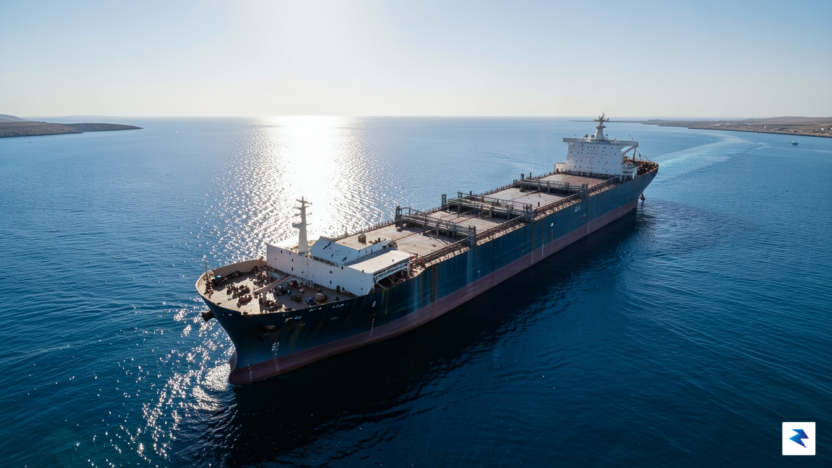
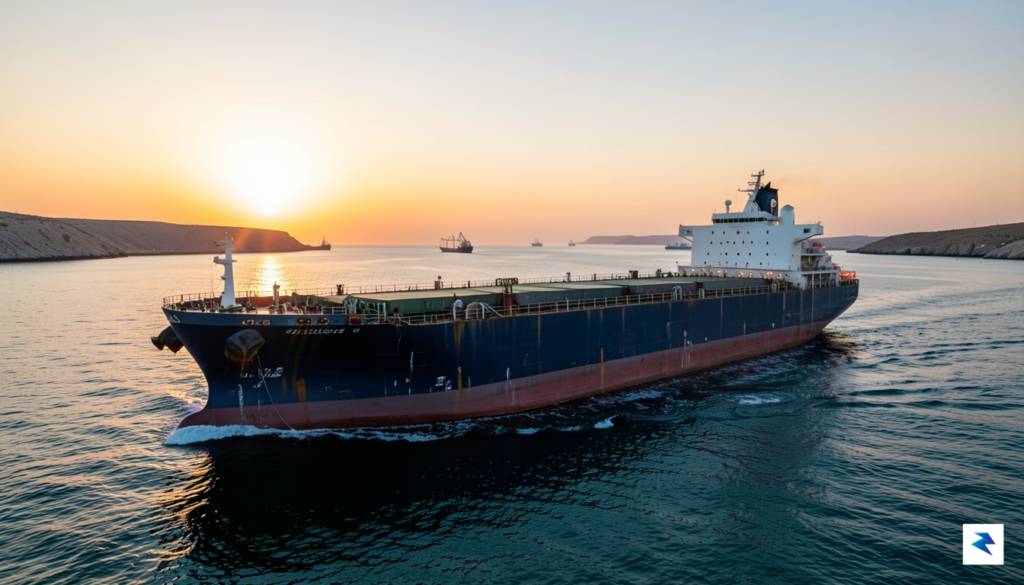
For decades, the Strait of Hormuz has stood as the undisputed jugular vein of the global economy. This narrow waterway, which links the Persian Gulf to the Gulf of Oman and the Arabian Sea, facilitates the daily transit of approximately one-fifth of the world’s total petroleum consumption. Because the geography of the Strait is so constricted, even minor regional skirmishes or political posturing have historically triggered disproportionate spikes in global oil prices, creating a perpetual state of anxiety for energy markets and importing nations alike. By serving as the primary maritime exit point for the vast oil reserves of Saudi Arabia, Iraq, Kuwait, and the United Arab Emirates, the Strait is not merely a regional feature but a fundamental pillar of international energy security.
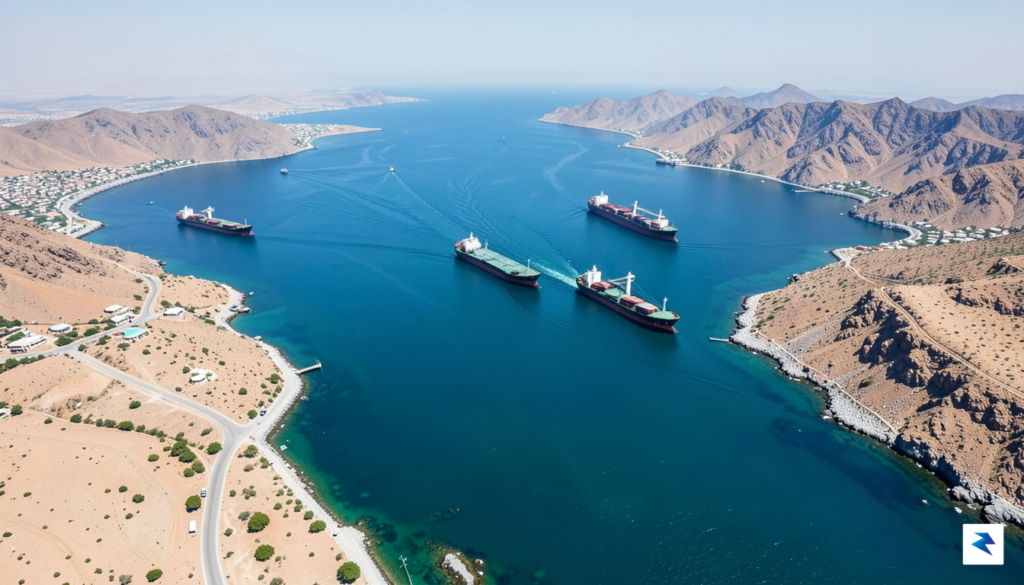
The recent landmark agreement between U.S. and Iranian officials marks a pivotal de-escalation in a region long defined by volatility. By establishing new protocols for maritime passage and military transparency, the deal aims to neutralize the threat of blockades that have previously hampered trade flows. This shift represents a move toward institutionalizing stability, relying on diplomatic channels rather than the precarious brinkmanship that characterized the last several years. By formalizing these de-confliction measures, the international community hopes to dismantle the “risk premium” that shipping companies have been forced to bake into their operational costs, ultimately smoothing the path for tankers navigating these high-stakes waters.
The stabilization of the Strait of Hormuz is not just a diplomatic victory; it is a direct intervention in the supply-side economics that dictate global energy prices. By reducing the perceived likelihood of conflict, the agreement lowers the threshold for shipping logistics and insurance premiums.
The immediate impact of this accord is most visible in the shipping and insurance sectors. Previously, maritime insurers imposed hefty “war risk” surcharges on any vessel entering the Persian Gulf, a cost that was inevitably passed down to the end consumer at the gas pump. With the implementation of this new agreement, these premiums have begun to retreat, reflecting a newfound confidence in the safety of transit lanes. Furthermore, the stabilization of shipping logistics allows for more predictable supply chains, reducing the need for firms to hold massive, expensive inventories as a buffer against potential supply shocks. As these logistical frictions dissipate, the global oil market can finally begin to price energy based on genuine supply and demand fundamentals rather than the paralyzing fear of a sudden, forced closure of this vital maritime artery.
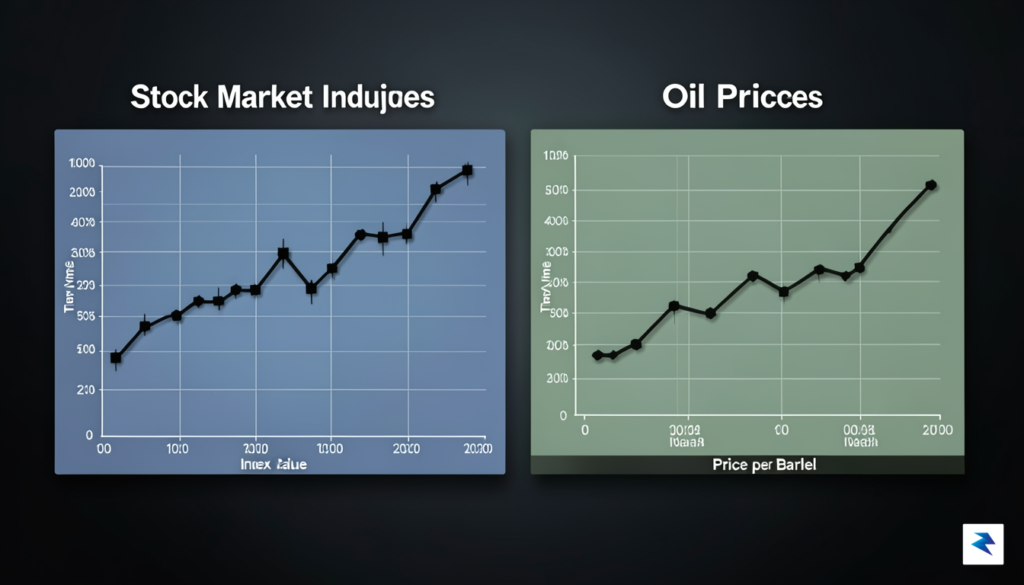
The sudden retreat in global oil prices is a direct reflection of how financial markets dismantle the geopolitical risk premium. In the oil sector, this premium acts as a hidden tax, representing the extra cost traders add to the price per barrel to account for the possibility of supply disruptions. When the Strait of Hormuz—the world’s most critical oil chokepoint—is threatened, traders factor in the worst-case scenario, driving prices upward regardless of current supply levels. Now that a formal agreement has taken effect to ensure the safe passage of tankers, that margin of fear is evaporating, leading to a swift correction in energy markets.
Supply security is the bedrock of global economic sentiment, and its restoration serves as a powerful signal to industries that depend on predictable fuel costs. When the threat of closure hangs over a major transit route, manufacturers, airlines, and logistics companies often hedge their positions at inflated prices to protect against future spikes. With the removal of this uncertainty, the market sentiment has shifted from defensive speculation toward a more stable, supply-demand equilibrium. This predictability is essential for capital investment, as it allows corporations to forecast operational costs with greater accuracy, ultimately filtering down to the consumer level.
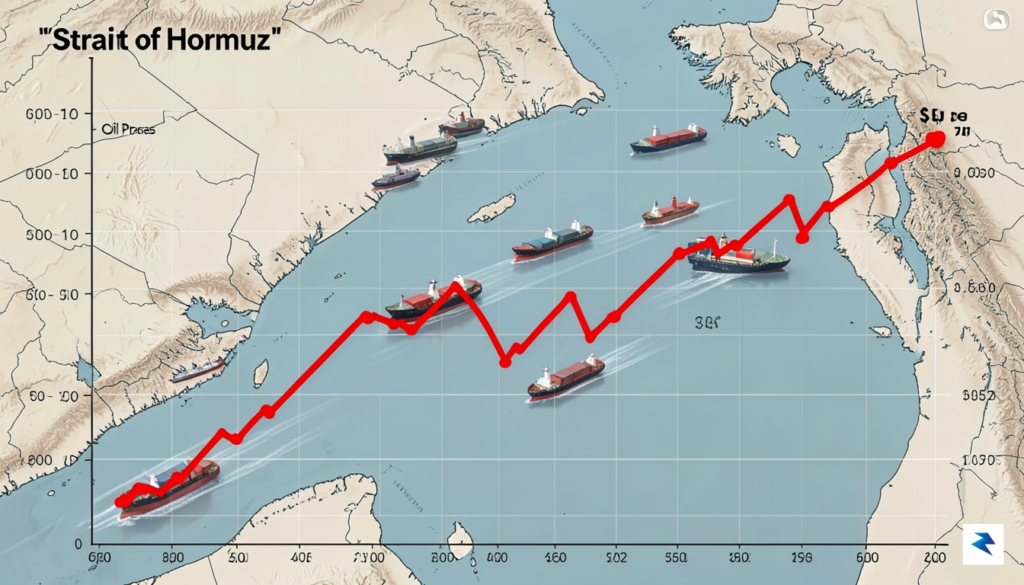
Institutional investors, including hedge funds and large-scale commodity traders, have played a decisive role in this recent price shift. These entities often hold significant positions in oil futures, and their algorithms are highly sensitive to geopolitical news alerts. As soon as the news of the agreement broke, many of these firms began unwinding their long positions—a strategy used to profit from rising prices—in favor of more stable asset classes. This rapid liquidation of contracts has intensified the downward pressure on prices, acting as a corrective mechanism that aligns market valuation with the reality of eased geopolitical tensions.
The evaporation of the risk premium acts as a relief valve for the global economy, tempering inflationary pressures that have been exacerbated by energy costs.
History provides several precedents for this type of market behavior, though rarely with such immediate impact. During previous instances of regional instability, oil prices remained elevated for extended periods due to the persistent “threat” of disruption, even when actual shipments were not physically halted. Unlike those historical cycles, the current response is characterized by speed and efficiency, largely due to the interconnected nature of modern digital trading platforms. By prioritizing transparency and international cooperation, the stabilization of the Strait of Hormuz has essentially reset the baseline for energy commodities, signaling a transition from a period of volatility to one of measured, fundamental pricing.
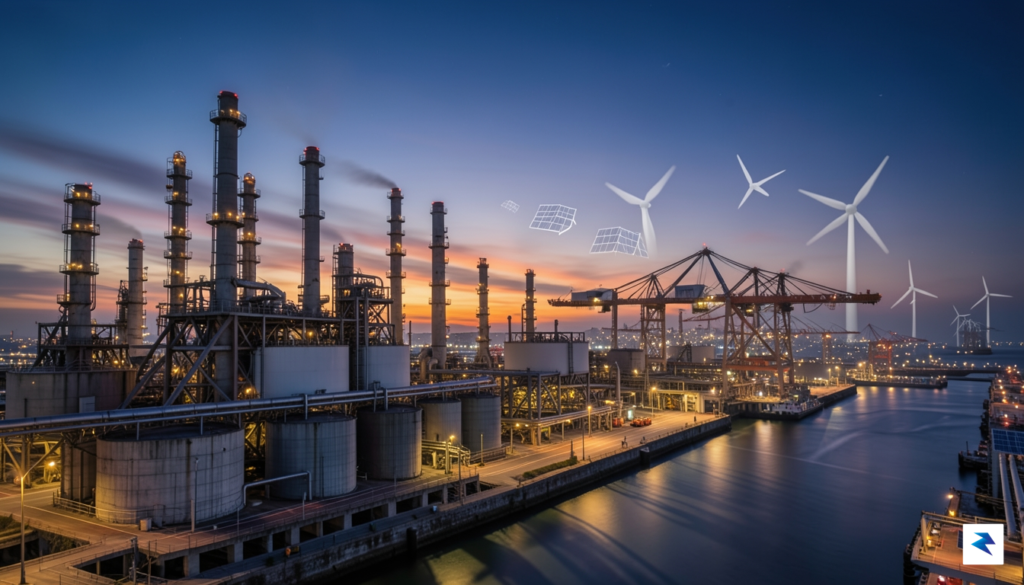
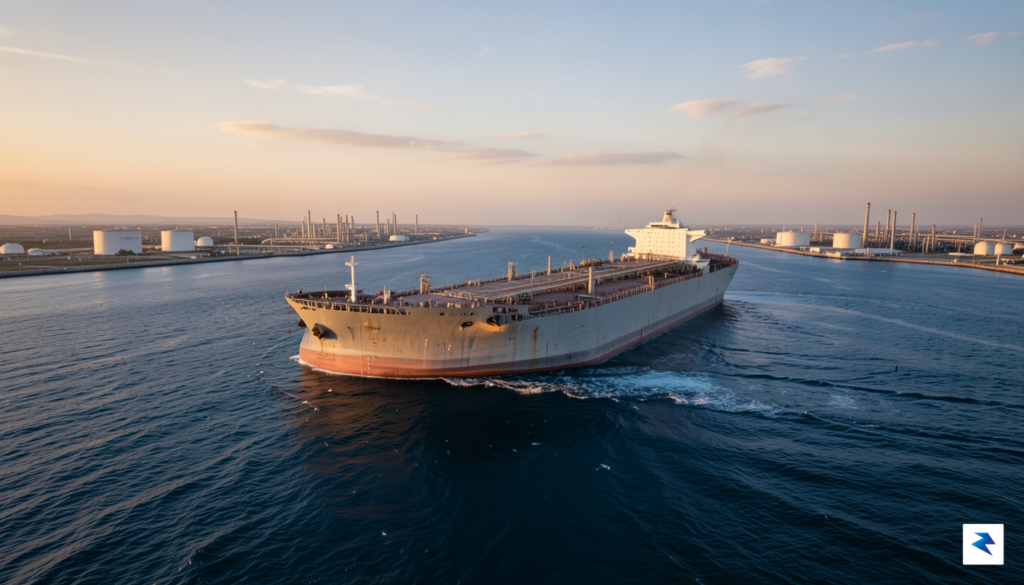
The reopening of the Strait of Hormuz serves as far more than a momentary relief for global oil prices; it marks a critical pivot toward operational normalcy for the world’s most vital energy artery. For years, the persistent threat of transit disruption forced global shipping firms to engage in costly, time-consuming contingency planning. When the Strait is volatile, logistics managers are often required to reroute tankers around the Cape of Good Hope, a detour that adds thousands of miles to transit times and exponentially increases fuel consumption and crew costs. With the return of predictable, reliable transit, energy companies can finally move away from reactive, emergency-based logistics and instead focus on optimizing their long-term supply chain efficiency.
Beyond the immediate savings on shipping routes, the restoration of stability fundamentally alters the financial landscape for maritime insurance. During periods of heightened geopolitical tension, war-risk premiums for vessels passing through the Gulf can skyrocket, effectively adding a “fear tax” to every barrel of oil transported. As these premiums normalize, the overall cost of moving energy products decreases, which ripples back through the entire value chain. This stability is essential for refinery planning, as steady throughput allows plants to operate at maximum capacity without the constant fear of sudden supply shocks or feedstock shortages. When refineries can rely on a consistent flow of crude, they can better manage their maintenance schedules and output targets, ensuring that global fuel supplies remain robust and predictable.
“Reliable energy logistics act as the backbone of global industrial growth, turning the unpredictability of geopolitical tension into the cold, calculated efficiency of a modern supply chain.”
This return to regularity holds profound significance for emerging economies that rely heavily on affordable and consistent energy imports to fuel their industrialization efforts. For many developing nations, a spike in energy prices caused by supply chain bottlenecks can trigger inflationary pressures that stifle growth and strain national budgets. Reliable transit through the Strait provides these nations with the predictability required for long-term infrastructure investment. By reducing the volatility inherent in energy procurement, these countries can plan their power grids, transportation networks, and manufacturing sectors with greater confidence, knowing that the “lifeblood” of their economy is not subject to the whims of maritime blockage. Ultimately, the reopening of this passage is not just about the price of gas at the pump; it is about establishing a foundation of energy security that supports sustainable, global economic development for years to come.
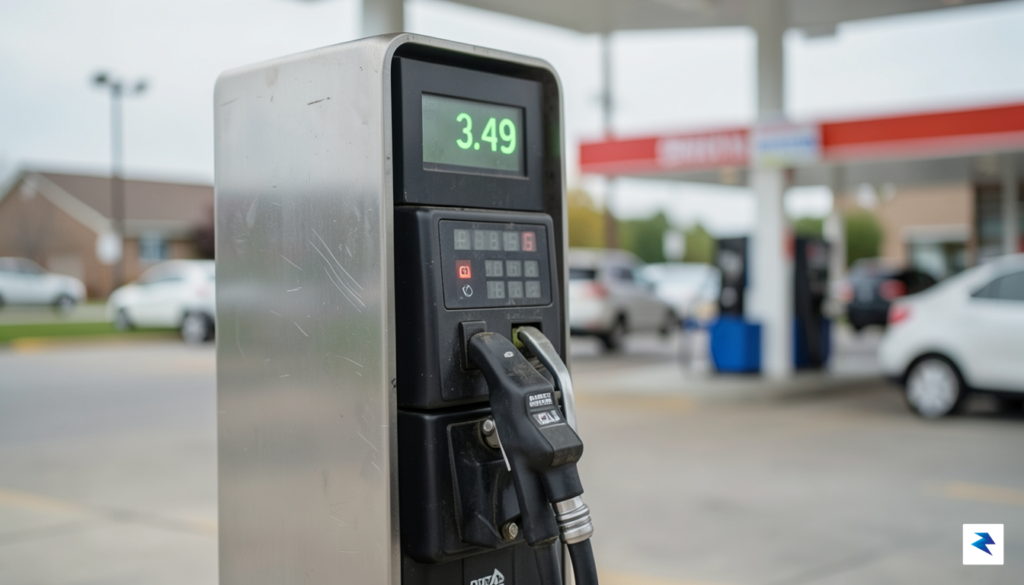
While the geopolitical maneuvering surrounding the Strait of Hormuz often feels detached from our daily routines, the resulting shift in crude oil prices is one of the most immediate variables affecting your personal finances. When global supply constraints ease, the cost of raw petroleum—the primary ingredient in gasoline—typically trends downward. This change doesn’t happen instantaneously at your local pump, however; it follows a well-worn logistical path. Crude oil must first be transported to refineries, processed into finished gasoline, and distributed through regional pipelines and tanker trucks before it reaches your neighborhood station. Consequently, you can generally expect a lag of several days to a few weeks between a global price drop and a noticeable decline in the number displayed on the gas station sign.
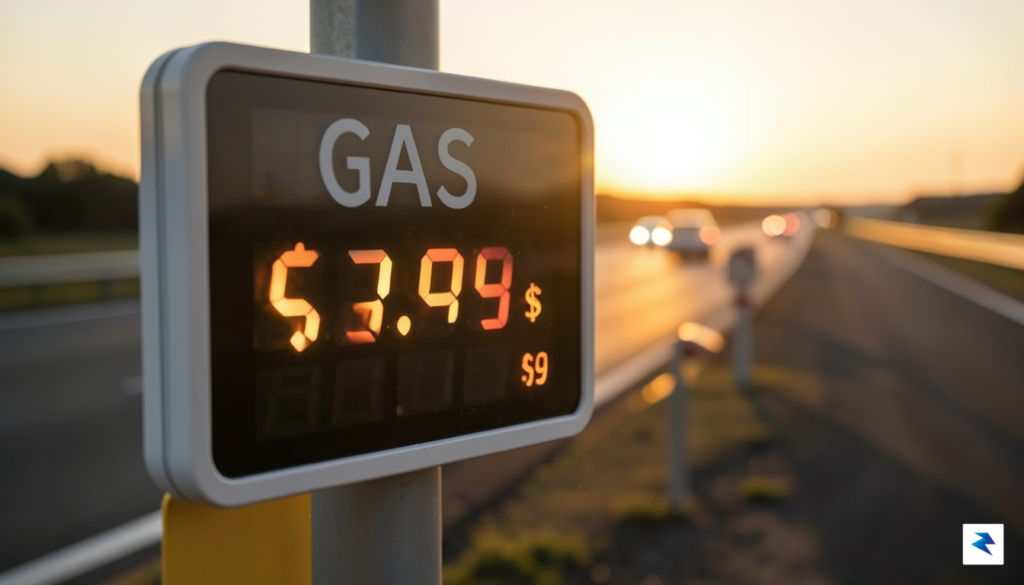
The significance of this drop extends far beyond the convenience of cheaper road trips. Energy acts as a fundamental input for nearly every sector of the modern economy, from the diesel fuel powering long-haul trucking to the electricity used in manufacturing plants. When energy costs fall, the “transportation tax” on goods—the hidden cost baked into the price of groceries, electronics, and household staples—begins to shrink. This serves as a powerful disinflationary force, effectively acting as a silent pay raise for households by reducing the amount of income required to cover essential living expenses. If sustained, this decline in energy costs can help stabilize the Consumer Price Index (CPI), potentially signaling to central banks that the aggressive inflationary pressures of the recent past are beginning to cool.
Lower oil prices function as a broad-based economic tailwind, easing the pressure on supply chains and providing consumers with more discretionary income to spend elsewhere in the economy.
Despite this optimistic outlook, it is crucial to temper expectations regarding the magnitude of these savings. The retail price of gasoline is influenced by a complex web of factors beyond just the cost of crude oil, including regional taxes, seasonal refining mandates, and local market competition. Furthermore, the global oil market is notoriously volatile; supply chain disruptions, shifts in OPEC production quotas, or unforeseen geopolitical tensions can reverse these gains just as quickly as they appeared. While the reopening of a vital maritime trade route is a positive development for price stability, the average consumer should view this as a welcome, if potentially temporary, relief from the high-cost environment of the last few years rather than a permanent structural change in global energy pricing.
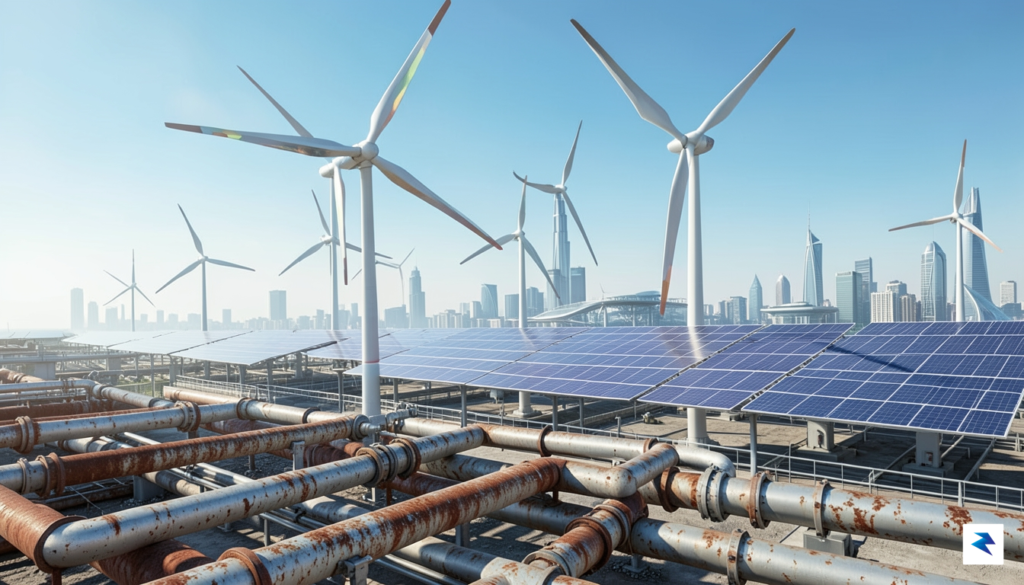
While the recent stabilization of oil prices provides a necessary reprieve for global markets and household budgets alike, it would be a mistake to view this diplomatic breakthrough as a permanent solution to energy insecurity. The reopening of the Strait of Hormuz serves as a stark reminder that the world’s economic lifeblood currently flows through a narrow, precarious maritime bottleneck. As long as a significant portion of global energy supplies remains tethered to this single chokepoint, the threat of future disruptions—whether geopolitical, environmental, or accidental—will continue to loom over industrial planning. True energy security cannot be achieved through short-term agreements alone; it requires a structural evolution in how nations source, store, and distribute their power.
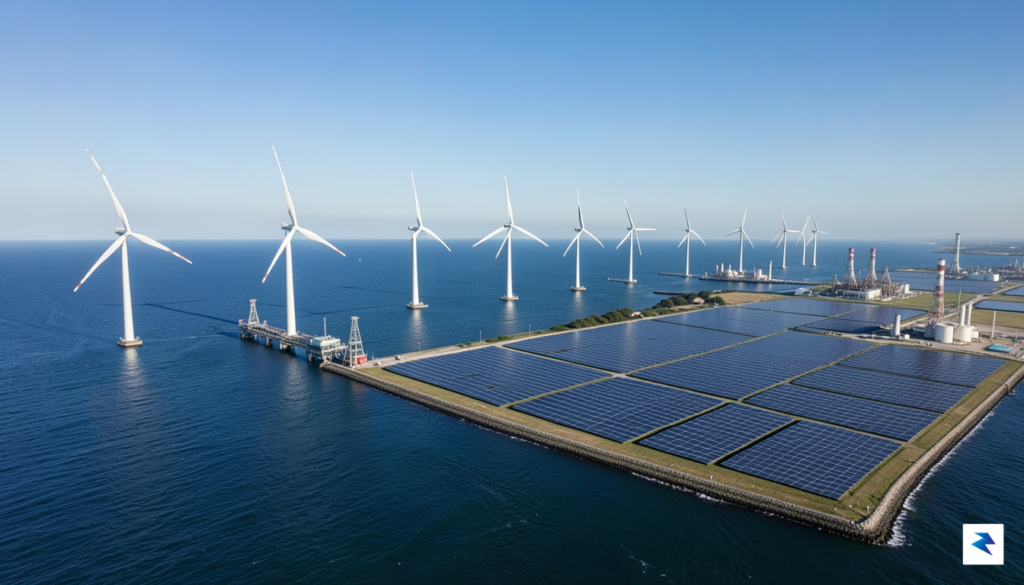
The path forward demands a strategic commitment to energy diversification that extends far beyond traditional fossil fuel markets. By investing in a broader mix of domestic renewables, nuclear, and localized grid storage, countries can insulate their economies from the volatility inherent in resource-rich regions. Diversification is not merely an environmental goal; it is a fundamental pillar of national security. When nations reduce their absolute reliance on global shipping lanes for basic energy needs, they gain significant leverage in international negotiations and minimize the impact of regional conflicts. This transition, however, must be managed with a delicate touch to ensure that the immediate economic recovery of today is not sacrificed for the technological advancements of tomorrow.
True energy security is not found in the absence of conflict, but in the resilience of a system that can withstand it.
Ultimately, the goal is to build a global energy framework that is less sensitive to the tremors of localized political instability. Diplomatic efforts in the Middle East are essential for maintaining current flows, but they must be paired with aggressive investment in infrastructure resilience. Policymakers and industry leaders must work in tandem to prioritize long-term stability over the convenience of the status quo. By fostering a diverse energy portfolio, the global community can transform these moments of crisis into catalysts for a more stable and secure future, ensuring that the next time a regional tension arises, the impact on the average consumer’s wallet is a ripple rather than a wave.
You must be logged in to post a comment.