
Augustus Hits $1B Valuation to Modernize Banking for the AI and Stablecoin Era
The Evolution of Clearing Banks in the AI Era For decades, the global financial system has relied on legacy infrastructure that operates on…
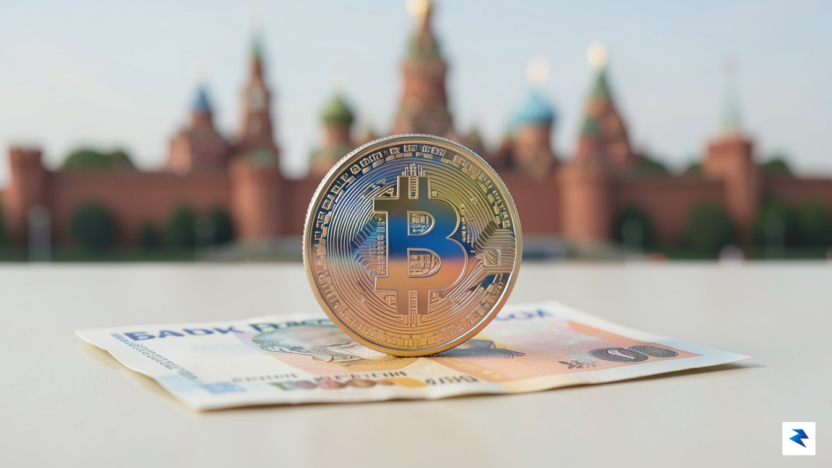

For years, Russia’s relationship with digital assets has been defined by persistent ambiguity, characterized by shifting stances that fluctuated between calls for a total blanket ban and cautious exploration of blockchain technology. The recent passage of the new cryptocurrency market law signals a definitive end to this era of legislative uncertainty. By codifying a structured framework, the Russian government is moving away from a prohibitive approach and toward a sophisticated, state-monitored ecosystem. This shift represents a strategic pivot, acknowledging that while decentralized currencies pose risks to monetary sovereignty, they also offer critical utility for international trade, particularly in an environment hampered by global economic sanctions.
The legislative framework is designed to create a clear divide between domestic retail participation and institutional cross-border utility. Under the new rules, the government has moved to curb speculative retail exposure by implementing a strict annual cap of $3,800 for non-accredited investors. This limitation serves as a guardrail, intended to protect the average citizen from the extreme volatility inherent in crypto markets while simultaneously preventing capital flight. By formalizing these boundaries, the state is effectively treating digital assets as a regulated financial product rather than a wild, unregulated frontier.

The implementation timeline for these mandates is swift, with the law scheduled to take full effect on September 1st. This rapid rollout suggests that authorities are eager to normalize the domestic crypto market before the end of the calendar year, likely to better track transaction flows and tax revenue. For businesses and individual investors, this date serves as a critical milestone, marking the transition from a “gray-market” environment to a legally defined one where compliance will be monitored by centralized financial regulators. As the deadline approaches, stakeholders are scrambling to align their platforms with the new compliance standards, which include mandatory disclosures and stringent identity verification protocols.
The shift toward regulation is not merely a bureaucratic update; it is a calculated effort to harness blockchain’s efficiency for state-sanctioned international settlements while simultaneously tightening the leash on local retail speculation.
Ultimately, this legislative transition marks a significant maturation of the Russian financial landscape. By carving out a space for both small-scale participants and large-scale industrial miners, the government is attempting to balance the need for technological innovation with the imperative of financial stability. Whether this controlled environment will foster a robust, localized crypto economy or simply lead to a more rigid form of state-monitored exchange remains to be seen, but the era of legal ambiguity has officially come to a close.
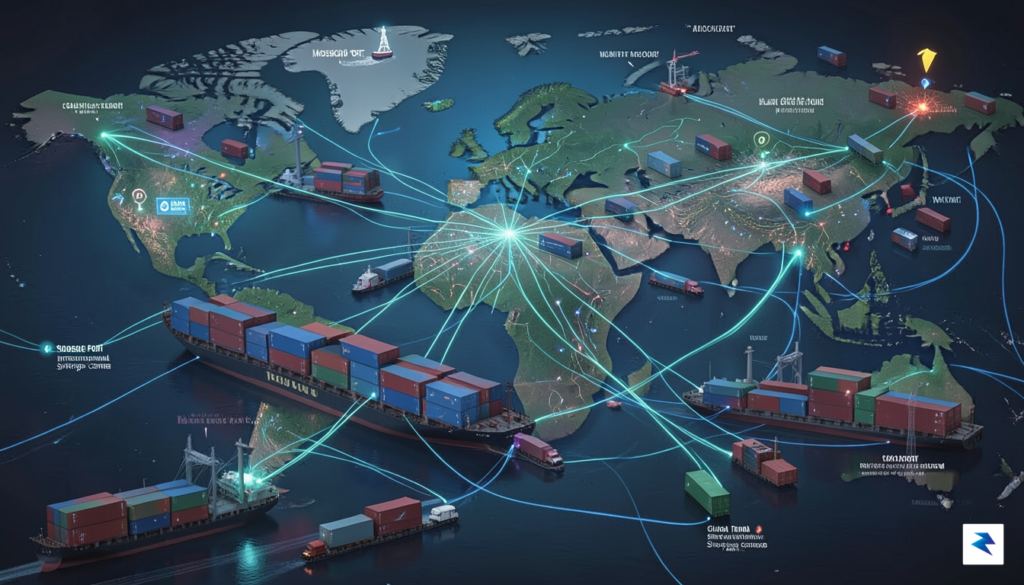
The Kremlin’s recent legislative shift is not designed to empower the average retail investor; rather, it is a calculated maneuver to integrate digital assets into the state’s broader economic machinery. By imposing a modest $3,800 annual cap on non-qualified retail participants, the government is effectively signaling that crypto is no longer a tool for wealth speculation by the masses, but a strategic instrument for national survival. The priority is clear: the state is channeling liquidity and regulatory focus toward institutional players who can facilitate cross-border trade, effectively sidelining the retail market to prevent capital flight and ensure that digital assets remain under the firm control of authorized entities.
At the heart of this strategy is the urgent need to bypass the traditional global financial architecture, which has become increasingly restrictive for Russian entities due to international sanctions. By legitimizing the use of digital tokens for international commercial transactions, the state is creating a parallel channel for trade that operates outside the reach of the SWIFT messaging system. These non-fiat channels allow companies to settle accounts for imported goods and exported commodities without relying on dollar-denominated banking corridors that are currently prone to freezing or secondary sanctions. This transition transforms digital assets from mere speculative commodities into vital conduits for maintaining the flow of essential global trade.

The mechanism behind this pivot relies on the creation of specialized regulatory sandboxes where authorized corporations can interact with digital assets under the watchful eye of the central bank. These firms act as the primary engines of the new system, utilizing high-liquidity digital tokens as a surrogate for traditional currency in international settlements. Because these tokens can be transferred near-instantaneously across borders, they provide a distinct logistical advantage in an era where traditional bank transfers are subject to prolonged vetting and high failure rates. By centralizing this activity among a select group of major industrial players, the government ensures that the crypto ecosystem remains a predictable, manageable asset class that supports the state’s macroeconomic objectives.
The core objective of the new regulation is to institutionalize digital assets as a functional, state-sanctioned utility for international commerce, effectively prioritizing national trade resilience over individual financial autonomy.
Ultimately, this legislative framework serves as a buffer against geopolitical isolation. As Russia continues to grapple with the complexities of modern trade blockades, the ability to utilize digital assets as a medium of exchange provides a critical escape hatch. By limiting the retail market’s footprint, the Kremlin minimizes the risk of domestic financial volatility and ensures that the limited, high-value crypto liquidity is reserved for its most pressing strategic needs. For the average citizen, the door to crypto remains open, albeit narrowly; for the state, however, the digital token has become an indispensable tool of modern economic statecraft.

For the average Russian consumer, the newly enacted legislative framework leaves the door to the digital asset economy only slightly ajar. By instituting a strict annual investment ceiling of 600,000 rubles—roughly equivalent to $3,800—the state is establishing a clear boundary between experimental participation and systemic financial exposure. This threshold is intentionally modest, designed to allow hobbyists and small-scale speculators to test the waters of decentralized finance without jeopardizing their personal financial security or the broader stability of the national ruble. While this cap provides a legal pathway for entry, it effectively keeps the majority of the population from treating cryptocurrencies as a primary vehicle for long-term wealth preservation or significant capital allocation.
The primary driver behind this restrictive policy is a deep-seated institutional concern regarding capital flight and the erosion of monetary sovereignty. In an era of economic uncertainty, the Kremlin is understandably wary of large-scale, rapid movements of wealth into borderless digital assets that bypass traditional domestic banking infrastructure. By limiting individual exposure to a relatively low annual amount, regulators hope to mitigate the risk of a massive, uncoordinated exit from the ruble into volatile offshore assets. Essentially, the government is attempting to strike a delicate balance: it acknowledges the inevitable global shift toward digital assets while simultaneously ensuring that the vast majority of Russian capital remains tethered to the state-sanctioned financial system.
The $3,800 threshold serves as a “safety valve,” permitting enough market engagement to appease public interest while keeping the macro-economic risk of capital flight at a manageable level.

It is equally important to recognize that this legal framework is not intended to foster a crypto-native economy where digital tokens function as a medium of exchange. Despite the official recognition of these assets, the law maintains a firm prohibition against using cryptocurrencies for daily transactions. A consumer might be able to purchase a small amount of Bitcoin or stablecoins within the prescribed limits, but they cannot use those funds to buy groceries, pay for utilities, or settle local debts. This separation between investment and utility underscores the government’s desire to keep the digital asset market contained within a specific, regulated silo. For the average investor, this creates a paradoxical environment where they are invited to participate in the digital asset market, yet are strictly barred from utilizing the technology for the very peer-to-peer commerce that originally defined the crypto revolution.

The integration of digital assets into the Russian trade ecosystem represents a high-stakes experiment in national economic survival. By formalizing crypto-based settlements, the Kremlin is attempting to bypass the traditional SWIFT-dominated financial infrastructure that has largely marginalized the nation’s industrial sector since 2022. However, shifting from traditional fiat transactions to digital tokens for large-scale cross-border trade is fraught with technical friction. Industrial giants face significant liquidity hurdles, as the sheer volume of capital required to procure heavy machinery or raw materials often dwarfs the depth of existing digital asset markets, leading to potential price slippage and volatility risks that could undermine the stability of these trade deals.

Beyond the technical obstacles, there is a fundamental tension between the Kremlin’s desire for control and the inherent pseudonymity of blockchain technology. While the government aims to monitor these transactions to prevent capital flight and ensure compliance with state-mandated trade priorities, the decentralized nature of crypto creates a significant “leakage” risk. If Russian firms rely on public, decentralized exchanges or privacy-preserving protocols to facilitate trade, the state risks losing visibility into its own capital outflows. Consequently, it is highly probable that the government will insist on utilizing state-sanctioned, centralized platforms where domestic regulators can exercise oversight, essentially recreating the very centralized banking architecture they are ostensibly trying to circumvent.
The success of this strategy hinges not just on the legality of the assets, but on the willingness of international trade partners to accept digital tokens that carry the “taint” of potential secondary sanctions.
For companies operating under these new, stringent guidelines, the risk-reward ratio is precarious. On one hand, utilizing digital assets may be the only available pathway to maintaining essential supply chains and avoiding total isolation from global markets. On the other hand, entities that engage in these transactions expose themselves to intense scrutiny from Western financial regulators, potentially leading to total exclusion from the dollar-denominated global financial system. The $3,800 retail cap serves as a stark reminder that the state is prioritizing macro-economic industrial stability over the speculative interests of the general public; it is a calculated effort to keep domestic crypto markets small and manageable while reserving the real power of digital liquidity for high-level state actors and industrial conglomerates.
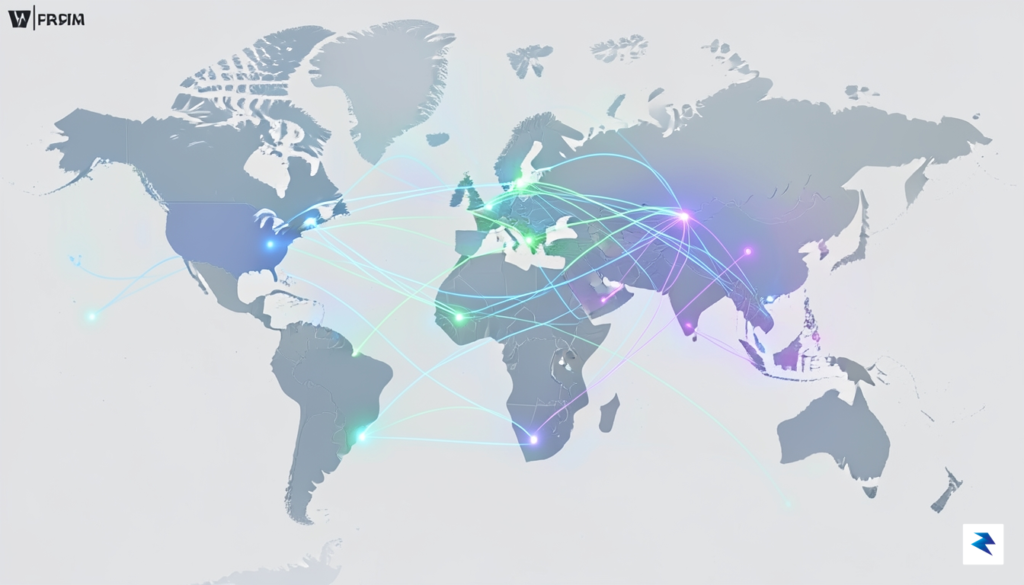
The legislative shift in Moscow is far more than a domestic administrative update; it represents a pivotal moment in the ongoing evolution of the global financial order. By formalizing a framework for digital assets while simultaneously imposing strict retail caps, Russia is signaling a tactical departure from the traditional, Western-dominated banking infrastructure. This move suggests that for nations facing significant economic isolation, cryptocurrency is no longer merely a speculative asset class but a strategic tool for maintaining a degree of financial sovereignty. As major central banks worldwide observe these developments, they are forced to contend with a new reality where digital assets serve as a potential buffer against geopolitical pressure and international sanctions.
This approach mirrors a growing trend among other nations, such as Iran and Venezuela, which have similarly explored decentralized ledgers to bypass traditional settlement systems like SWIFT. However, Russia’s integration of state-regulated crypto markets suggests a more sophisticated long-term vision: the creation of a parallel financial ecosystem. By standardizing how digital assets are traded and limiting retail exposure, the state retains control over liquidity flows while keeping a door open for institutional-level cross-border transactions. This delicate balance reflects a broader “digital sovereignty” movement, where states prioritize the ability to conduct trade outside the purview of traditional global financial monitors.

The weaponization of digital assets by sanctioned states is forcing global regulators to rethink the balance between financial inclusion and national security.
In the long run, this strategy could trigger a significant fragmentation in global crypto regulations. As more countries adopt bespoke frameworks tailored to their own economic survival, the dream of a truly borderless, unified crypto market may face mounting headwinds. We are likely to see a bifurcation of the industry: one side leaning toward integration with established, compliant global financial systems, and the other prioritizing state-sanctioned, isolated liquidity pools. This transition marks the end of crypto’s “Wild West” era and the beginning of a period defined by geopolitical competition, where the underlying blockchain technology is repurposed as a fundamental component of national economic defense.
Ultimately, the global financial system is standing at a crossroads. If major economies follow this path of localized, state-monitored crypto adoption, the international community will have to decide whether to embrace a fragmented, multi-polar digital economy or attempt to create new, global standards that can accommodate these emerging realities. For investors and market participants, this signifies a future where political alignment, regional regulation, and technical infrastructure are inextricably linked, forever altering the landscape of digital asset investment.
You must be logged in to post a comment.