The Zyn Surge: How Big Tobacco is Transforming the Nicotine Market
The Rise of Zyn: Understanding the Nicotine Pouch Phenomenon For decades, the nicotine market was dominated by the visceral, combustion-heavy…
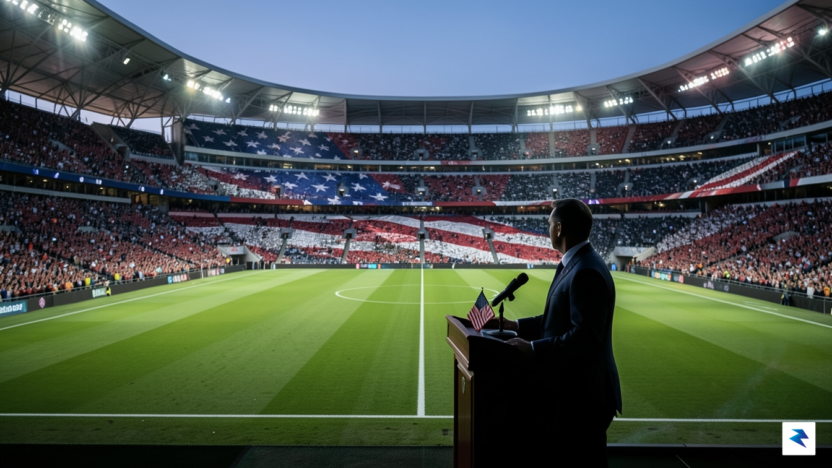

For decades, the FIFA World Cup was framed as a sanctuary of “pure” sport—a neutral stage where the complexities of international relations were theoretically sidelined in favor of athletic prowess. The prevailing narrative suggested that when the whistle blew, national identity was expressed through tactical mastery and physical endurance rather than ideological warfare. However, this romanticized view of sports diplomacy has increasingly collided with the harsh realities of modern statecraft. As the global political climate becomes more polarized, the boundary between the soccer pitch and the seat of government has eroded, transforming the tournament from a mere athletic spectacle into a high-stakes arena for geopolitical posturing.
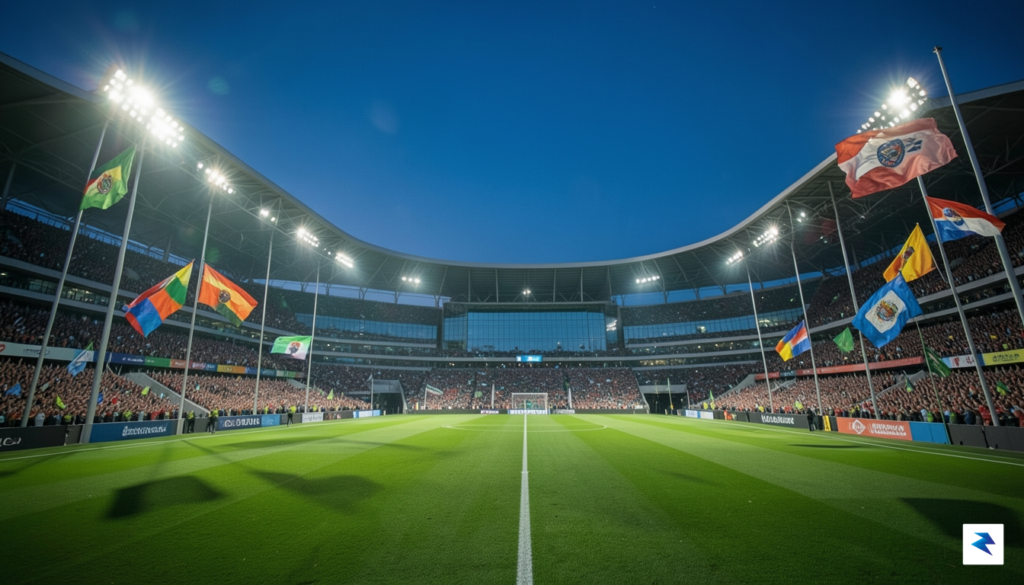
The 2026 World Cup, hosted across North America, serves as a uniquely volatile flashpoint in this evolution. Unlike previous tournaments, the logistical and diplomatic requirements of managing a tri-national event have necessitated unprecedented levels of engagement between world leaders and FIFA officials. When prominent political figures like Donald Trump involve themselves in the organizational mechanics of the sport, it signals a definitive paradigm shift. This is no longer just about infrastructure or scheduling; it is about projecting national influence on a global stage. The intervention of political heavyweights into the administrative inner workings of FIFA suggests that the World Cup has become a potent instrument of soft power, where the host nation’s image is inextricably linked to the political brand of its leadership.
“The World Cup is no longer just a game; it is a broadcast of national values to a global audience of billions, making it an irresistible platform for any leader seeking to bolster their domestic and international standing.”
This blurring of lines presents a complex challenge for the future of international athletics. On one hand, the involvement of heads of state can provide the necessary political capital to execute massive infrastructure projects and ensure security on a grand scale. On the other hand, it risks commodifying the sport, turning athletes and fans into unwitting participants in a broader geopolitical strategy. As national pride becomes increasingly synonymous with the specific agendas of political figures, the World Cup risks losing the very neutrality that once made it a bridge between nations. We are witnessing the dawn of an era where the pitch is as much a territory for statecraft as it is for the beautiful game, fundamentally altering how the world perceives the intersection of power and play.

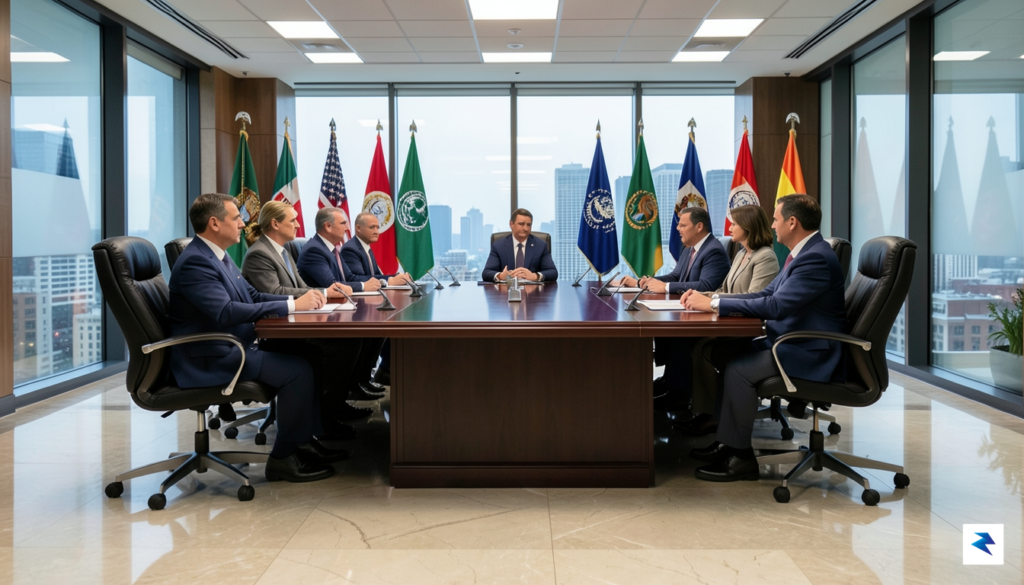
The strategy employed by the administration shifted rapidly from passive oversight to active, high-level intervention, marking a departure from the traditional hands-off approach typically favored by host nations. By bypassing standard diplomatic intermediaries, the White House established a direct line of communication with FIFA’s executive leadership, effectively transforming logistical discussions into leverage for political optics. This pressure was not subtle; it involved a series of high-stakes briefings where federal representatives explicitly linked the success of the tournament’s infrastructure to the continued cooperation of U.S. regulatory and security agencies. Consequently, FIFA officials found themselves navigating a complex web of domestic political demands that threatened to undermine the governing body’s established protocols for tournament scheduling and security management.
The specific friction point centered on the high-profile U.S.-Belgium match, a fixture that the administration viewed as a vital platform for national messaging. Concerns regarding stadium readiness and public transit access became the primary justification for the intervention, yet insiders suggest the motivations were far more calculated. By insisting on specific scheduling adjustments and security protocols that favored American interests, the administration aimed to ensure that the global spotlight would be framed precisely according to their domestic policy goals. This move essentially forced FIFA to choose between upholding its independent governance or bowing to the logistical demands of a superpower host.
The administration’s involvement represents a paradigm shift where the World Cup is no longer merely a sporting event, but a strategic asset in the broader projection of American influence on the global stage.
This aggressive maneuvering is rooted in a desire to maintain total control over the narrative surrounding the tournament’s execution. Beyond the tactical adjustments to the schedule, the administration’s intervention served as a signal that the U.S. intends to be an active participant in the tournament’s operational DNA rather than a passive observer. Such direct involvement has rattled international observers, who fear that this precedent could compromise the autonomy of future host nations. By prioritizing political optics over standard logistical procedures, the administration has effectively redefined the relationship between the host government and the global soccer community, signaling that for the duration of the event, the interests of the state will remain the ultimate arbiter of the game’s presentation.

For decades, FIFA has meticulously cultivated an image of a sovereign, non-political organization, operating under the guise that it exists entirely outside the reach of national agendas. By constitutionally mandating neutrality, the governing body has attempted to insulate itself from the shifting tides of international relations, framing the sport as a universal language that transcends borders. However, this facade of autonomy is being tested like never before. When a global superpower chooses to leverage its influence to shape the narrative or logistics of a tournament, the organization’s carefully constructed firewall begins to crumble, revealing the inherent fragility of its governance model.
At the center of this storm is FIFA President Gianni Infantino, who finds himself in an increasingly precarious position. Balancing the demands of powerful state actors against the organization’s stated values requires a delicate, often contradictory, diplomatic dance. If Infantino bows to external pressure, he risks eroding FIFA’s credibility and appearing as a puppet for political interests. Conversely, if he chooses to resist, he risks alienating the very nations that provide the infrastructure, security, and economic backing necessary to host a mega-event of this magnitude. This internal pressure is not merely administrative; it strikes at the core of FIFA’s legitimacy as an independent regulator of the world’s most popular sport.
The core of the struggle lies in a simple, uncomfortable reality: an organization that relies on the cooperation of states for its most lucrative events can never be truly independent of them.
The question remains whether FIFA possesses the actual leverage to push back against governmental demands when they conflict with the tournament’s mission. Historically, the governing body has often prioritized the path of least resistance, opting for cooperation to ensure the tournament proceeds without major disruptions. Yet, as political interference becomes more overt, the cost of this compliance is rising. Critics argue that by allowing political actors to dictate terms, FIFA effectively compromises its own regulatory authority, setting a dangerous precedent for future tournaments where host nations might feel emboldened to use the World Cup as a tool for domestic or foreign policy gains.
Ultimately, this situation forces a reckoning regarding the future of international sports governance. If FIFA continues to operate as a platform for political maneuvering, it may find its autonomy permanently sidelined in favor of state interests. The challenge for the organization is to determine whether it can evolve into a body that can withstand the weight of superpower influence, or if it is destined to remain a vessel for the geopolitical agendas that its own statutes claim to reject. Moving forward, the decisions made today will likely define the parameters of FIFA’s independence for years to come, proving that the pitch is rarely, if ever, truly neutral.
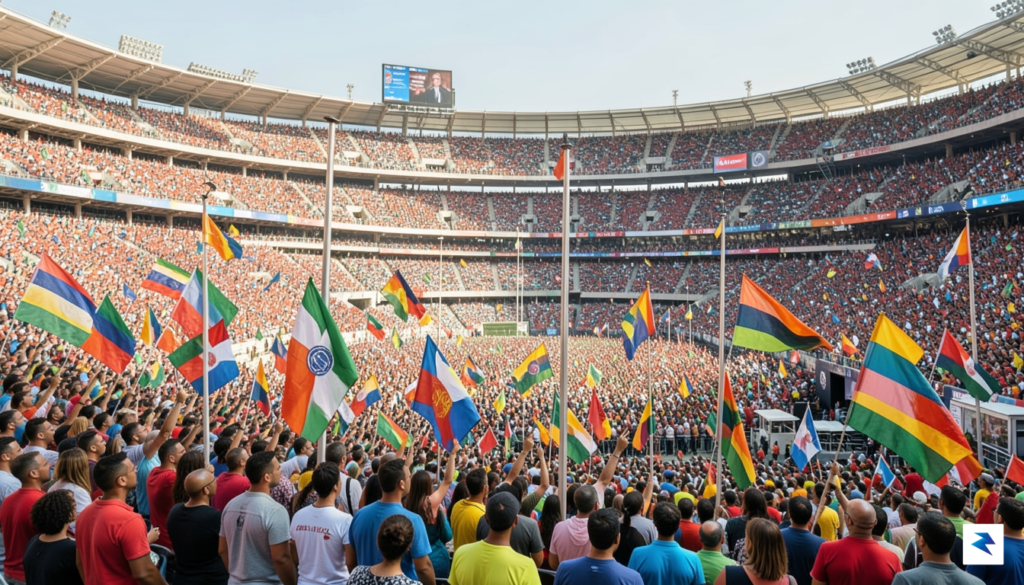
The injection of high-stakes political maneuvering into the preparations for the 2026 World Cup has fundamentally shifted the narrative from a celebration of sport to a complex diplomatic tightrope walk. For the host nations—the United States, Canada, and Mexico—the challenge now lies in disentangling the tournament’s logistical success from the polarizing rhetoric that often accompanies executive intervention. Fans across the globe, accustomed to viewing the World Cup as a neutral ground for international camaraderie, are increasingly wary of how nationalistic policies might impact visa accessibility, security protocols, and the overall welcoming atmosphere that is the hallmark of the beautiful game. This anxiety is not merely theoretical; it influences how participating nations view their commitment to the tournament, as federations must weigh the athletic benefits of participation against the potential for their teams and supporters to become pawns in a broader geopolitical game.
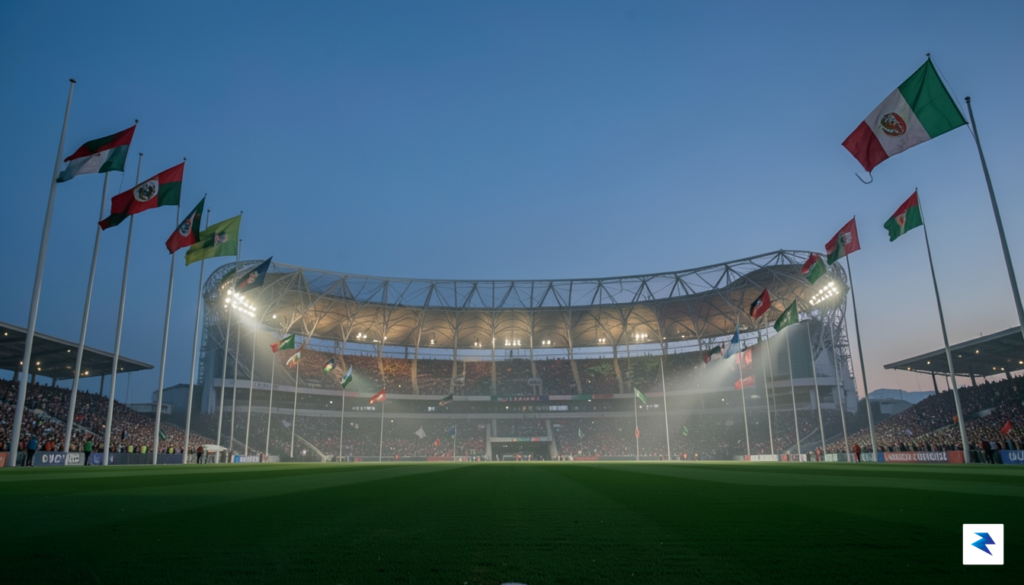
Furthermore, the politicization of such a massive event sets a precarious precedent for future bidding processes. When a head of state treats a global sporting event as an instrument of domestic political leverage, it risks alienating the international governing bodies that seek to maintain a veneer of political independence. If the World Cup becomes a venue for expressing populist agendas, the International Federation of Association Football (FIFA) may face increased scrutiny, leading to a climate where host countries are chosen not just for their infrastructure and passion for the sport, but for their alignment with the political interests of the ruling power. This shift threatens to undermine the spirit of global soccer unity, potentially fracturing the international community into ideological camps that prioritize political signaling over the unifying power of fair play and mutual respect.
The true strength of the World Cup has always been its ability to transcend borders; when we allow political intervention to dictate the terms of engagement, we risk stripping the tournament of the very magic that makes it the world’s most significant cultural event.
Ultimately, the long-term impact of this entanglement could lead to a permanent change in how the global fan base interacts with the host nation. If the 2026 tournament is perceived as an extension of a specific political mandate rather than a shared global experience, the legacy of the event may be defined more by its controversies than its matches. For the sport to thrive, it is essential that the focus returns to the pitch, where the only boundaries that matter are the white lines of the field. Without a deliberate effort to separate the administration of the tournament from the volatile world of international politics, the risk remains that the beautiful game will find itself sidelined by the very forces it was meant to transcend.
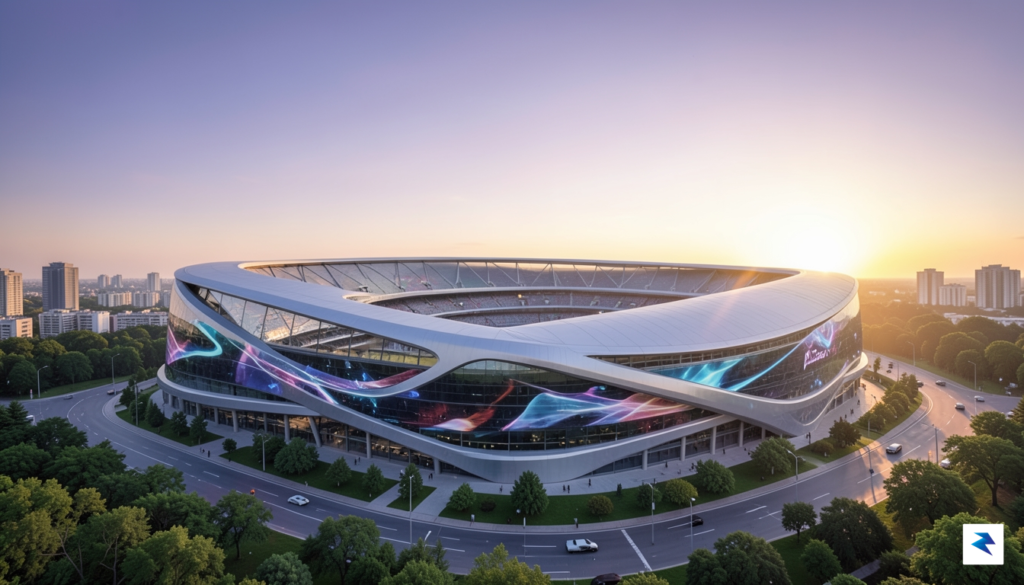
This intervention serves as a definitive turning point, signaling that the era of viewing mega-sporting events as neutral, apolitical playgrounds is effectively over. By injecting high-stakes geopolitical maneuvering directly into the planning and execution of the World Cup, the lines between national branding and international cooperation have become irrevocably blurred. We are witnessing a transition where the prestige of hosting is no longer just about tourism or infrastructure development, but rather a tool for consolidating soft power and signaling domestic strength on a global stage. As nations observe the success—or perhaps the backlash—of these bold moves, it becomes clear that future organizers will likely face even greater pressure to balance global mandates against the whims of shifting political administrations.
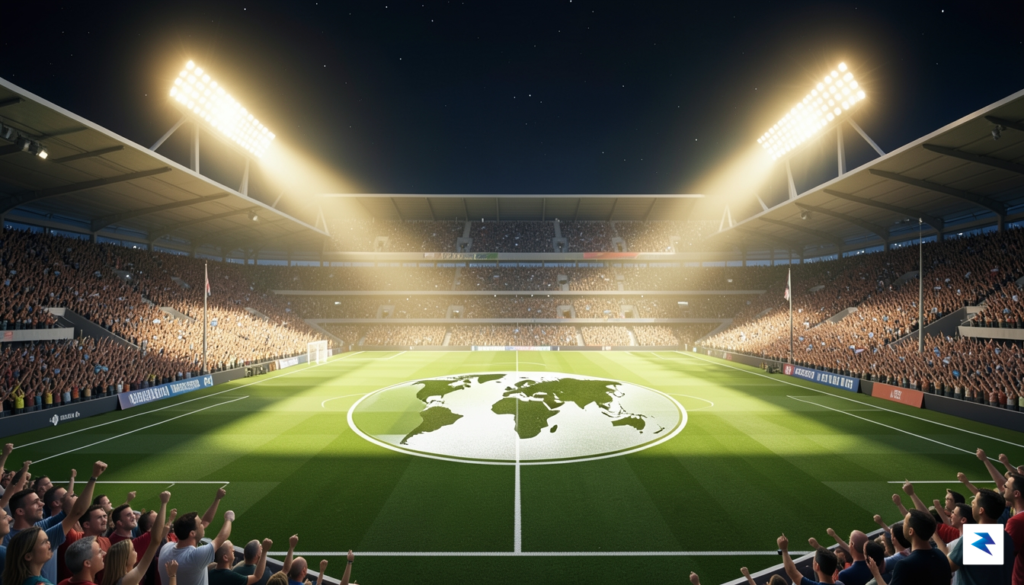
The international sports community now faces an existential question: do organizations like FIFA or the IOC possess the structural integrity to remain independent, or have they become permanent fixtures of global political theater? If governing bodies continue to allow their processes to be influenced by the rhetoric of world leaders, they risk losing the trust of the global fan base that fuels their existence. The precedent set here suggests that in the coming years, hosting rights and logistical decisions may no longer be determined solely by merit, financial viability, or grassroots development. Instead, they may increasingly serve as diplomatic bargaining chips, leaving governing bodies in a precarious position where they must either capitulate to powerful state actors or risk losing the state-level cooperation required to host such massive, multi-city events.
The true challenge for the future of athletics lies in reclaiming the autonomy of the game from the encroachment of state agendas, ensuring that the spirit of competition is not eclipsed by the mandates of the executive branch.
Ultimately, the goal of separating sport from politics may be an idealistic relic of the past, but it remains a necessary standard to strive for. If sports are to remain a universal language, the organizations overseeing them must implement more robust, transparent safeguards to protect the integrity of the game. We must ask whether the international community is prepared to demand accountability from those who seek to use the pitch for partisan gain, or if we are resigned to a future where the outcome of a match is secondary to the political narrative surrounding it. The path forward requires a firm commitment to the idea that while sports exist within a political world, they should never be allowed to serve as a mere extension of any single government’s domestic agenda.
You must be logged in to post a comment.