
Top 10 Fun Discord Bots
Are you looking to spice up your Discord server with some fun and engaging bots? Do you want to create an environment that keeps your members…
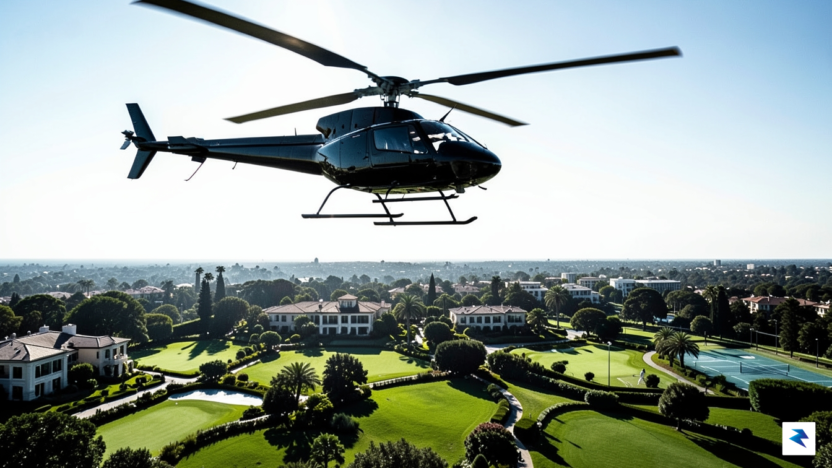
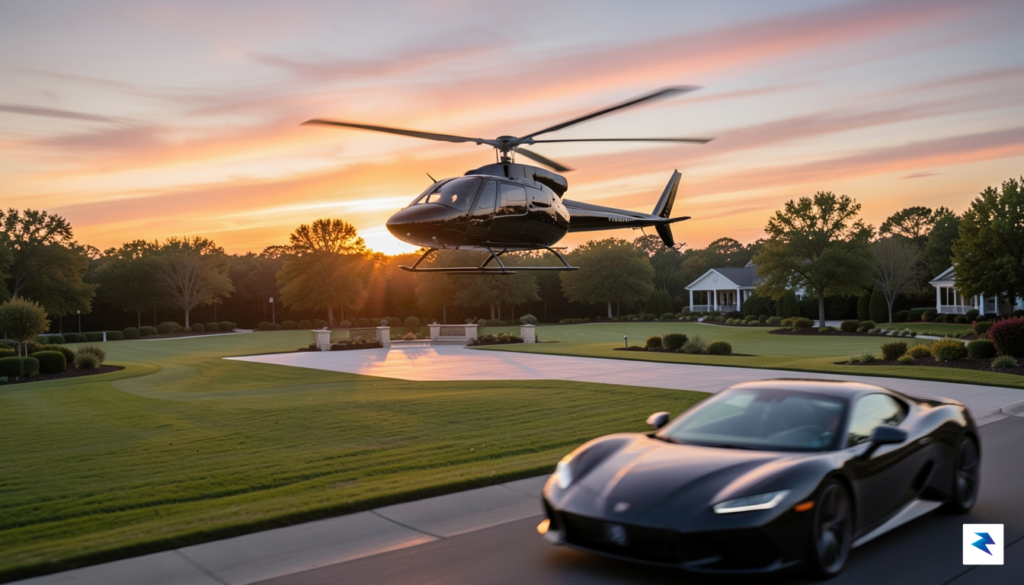
For the ultra-wealthy, the global spectacle of the World Cup is less about navigating the chaos of public infrastructure and more about curating a seamless, invisible transition from their doorstep to the stadium seats. As the tournament draws millions of fans to host cities, traditional travel hubs become strained to the point of paralysis, with long customs lines and overcrowded commercial terminals. To circumvent these bottlenecks, the elite have increasingly pivoted toward a sophisticated private aviation ecosystem that operates entirely outside the reach of standard commercial logistics. By utilizing private charters and bespoke air-taxi services, these individuals effectively transform the skies into a high-speed, private highway, ensuring that their arrival is dictated solely by their own schedule rather than the rigidity of international flight patterns.
The logistical precision required to pull off this level of travel is staggering. Rather than relying on major international airports that are prone to delays during mega-events, private travelers often utilize smaller, specialized executive airfields that are strategically located closer to the host venues. This shift creates what can be described as a transportation bubble; the wealthy move from a private residence to a secluded hangar, board a custom-fitted jet, and touch down at a regional landing strip where expedited ground transport is already waiting. This end-to-end isolation ensures that the traveler never once sets foot in a public terminal or interacts with the congestion that defines the experience for the average fan. By bypassing the primary bottlenecks, they effectively insulate themselves from the systemic stress of global event logistics.
The true luxury of private aviation during a global event is not just the comfort of the cabin, but the total elimination of the friction that defines public travel.
Beyond the convenience of timing, the surge in private aviation during tournaments like the World Cup reflects a broader trend in how the ultra-high-net-worth demographic views mobility. Air-taxi services and fractional ownership models have democratized the ability to move through private channels, turning what was once a rare privilege into a standard expectation for the global elite. These services coordinate with local authorities to secure priority landing slots, essentially carving out a lane in the sky that remains impenetrable to commercial aviation. Consequently, the skies above host nations during the World Cup become a tiered environment, where the logistical disparity between the elite and the general public is physically manifested in the altitude and efficiency of their respective transit methods.
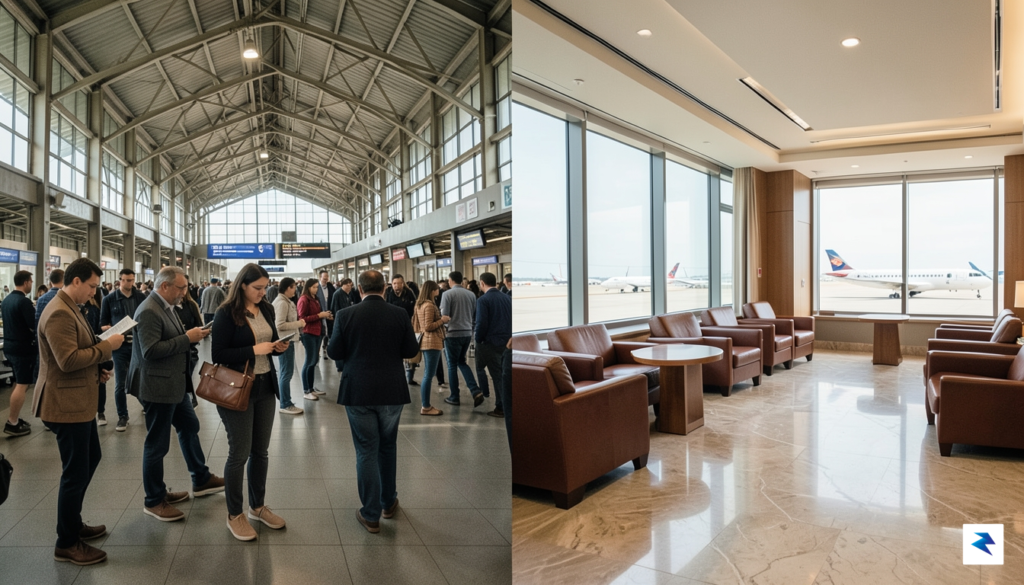
As major global sporting events reach a fever pitch, the traditional pathways to the stadium are being fundamentally redefined by the elite. For the average attendee, the journey to a match is a test of patience, defined by congested public transit, gridlocked highways, and the inevitable fatigue of navigating overburdened infrastructure. Yet, as this systemic strain intensifies, the ultra-wealthy are increasingly opting out of the public experience entirely. By leveraging private aviation and helicopter shuttles, these affluent spectators bypass the logistical failures of host cities, effectively creating a parallel, privatized mobility system that renders them immune to the friction of mass movement.
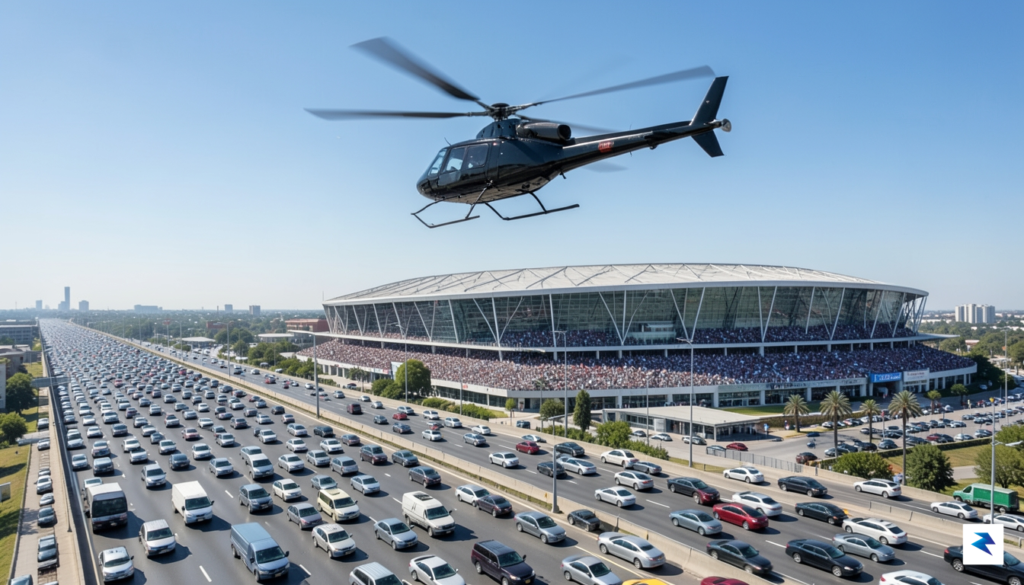
This rise of privatized mobility is not merely a matter of convenience; it represents a profound shift in how public space is utilized and prioritized. When private choppers descend into exclusive landing zones near stadiums, they carve out a private sphere within the public domain, turning the act of arrival into a display of economic insulation. This concentration of private air traffic often places significant strain on local communities, who are left to deal with the noise, environmental impact, and redirected resources that occur when a city’s infrastructure is forced to accommodate the logistical whims of the one percent. The result is a tiered reality where the burden of infrastructure failure falls squarely on the shoulders of the public, while the elite move through a frictionless, high-altitude bypass.
The true cost of exclusive mobility isn’t just the price of a ticket, but the erosion of the shared experience that once defined the communal nature of international sport.
The optics of this inequality are becoming impossible to ignore, particularly as public transportation systems in host cities are often pushed to their absolute breaking point. While thousands of fans are packed into sweltering subways or stalled buses, the sight of private jets touching down at nearby executive terminals serves as a stark reminder of the widening socioeconomic chasm. This intersection of private luxury and public venue creates a jarring dissonance, forcing a conversation about whether global sporting spectacles are still intended for the collective public or if they are becoming increasingly proprietary assets for the global elite. Ultimately, when the wealthy can simply buy their way out of the chaos, the incentive for governments to invest in robust, universal infrastructure diminishes, leaving the general public to navigate an increasingly broken system.
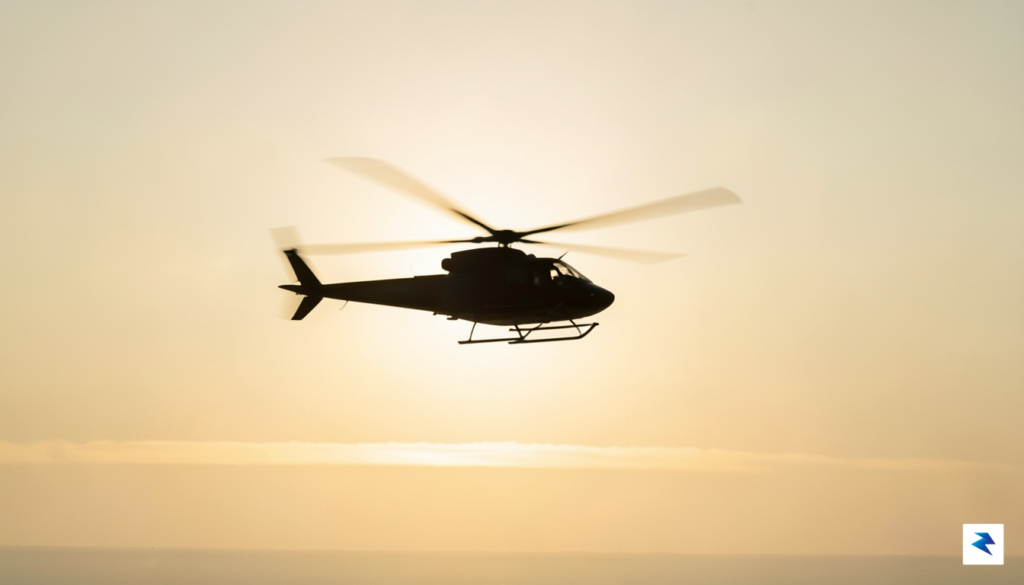
The transition from airport terminals to stadiums via helicopter—a service increasingly marketed as an essential luxury for high-net-worth individuals during global events like the World Cup—comes with a staggering environmental price tag. While the convenience of bypassing gridlocked city traffic is undeniable for those with the capital to afford it, the carbon intensity of short-haul helicopter transit is disproportionately high. On a per-passenger basis, a helicopter flight can emit up to 15 times more carbon dioxide than a standard commercial flight and nearly 100 times more than a comparable journey taken by high-speed rail. When thousands of these quick, “last-mile” hops are aggregated over the course of a tournament, the collective carbon footprint effectively nullifies the sustainability efforts of the average eco-conscious traveler, transforming a simple trip to a match into an act of profound environmental degradation.
Beyond the raw data of emissions, there is a deepening sociological rift emerging from this display of hyper-exclusive movement. In an era where the general public is increasingly urged to adopt sustainable habits—such as reducing meat consumption, utilizing public transit, and limiting long-distance travel—the sight of the ultra-wealthy soaring over congested streets serves as a glaring symbol of conspicuous consumption. This behavior is no longer viewed merely as a luxury; it is increasingly perceived as a moral affront to the collective sacrifice required to address the climate crisis. When travel choices are dictated solely by the ability to pay, rather than the necessity of the journey, it reinforces a perception of “climate immunity,” where the global elite appear insulated from the consequences of the very environmental shifts their lifestyle choices accelerate.
The widening gap between the carbon footprints of the ultra-wealthy and the rest of the global population is fundamentally shifting how society perceives luxury. What was once seen as an aspirational perk is now being scrutinized as an unsustainable privilege that carries a heavy social cost.
This mounting public backlash is not merely a matter of envy, but a fundamental question of equity. As climate advocates and urban planners push for more democratic, accessible, and low-carbon infrastructure, the reliance on helicopter shuttle services for sporting events highlights a regressive trend in how we move through our cities. The social contract of sustainable development rests on the idea that all citizens participate in the transition to a greener future; however, when the wealthiest segment of society opts out of the shared experience of transit—choosing instead to privatize the sky—it erodes the sense of collective responsibility necessary for broad environmental progress. Ultimately, the future of major sporting events may well depend on whether organizers can curb these excessive transit practices to align with the growing global demand for accountability and environmental justice.
As the global spotlight intensifies on the carbon footprint of the ultra-wealthy, the era of unbridled private aviation is facing a reckoning. Looking toward future mega-events like the World Cup, we are likely to see a convergence of policy shifts and social mandates that fundamentally alter how the elite traverse the globe. Governments and international regulatory bodies are beginning to flirt with the concept of “social taxes”—surcharges specifically targeted at high-frequency private fliers to compensate for the disproportionate environmental damage caused by personal jets. These levies are not merely financial deterrents; they represent a growing political appetite to treat airspace as a shared public resource rather than a private playground, forcing the affluent to internalize the true environmental cost of their speed and convenience.
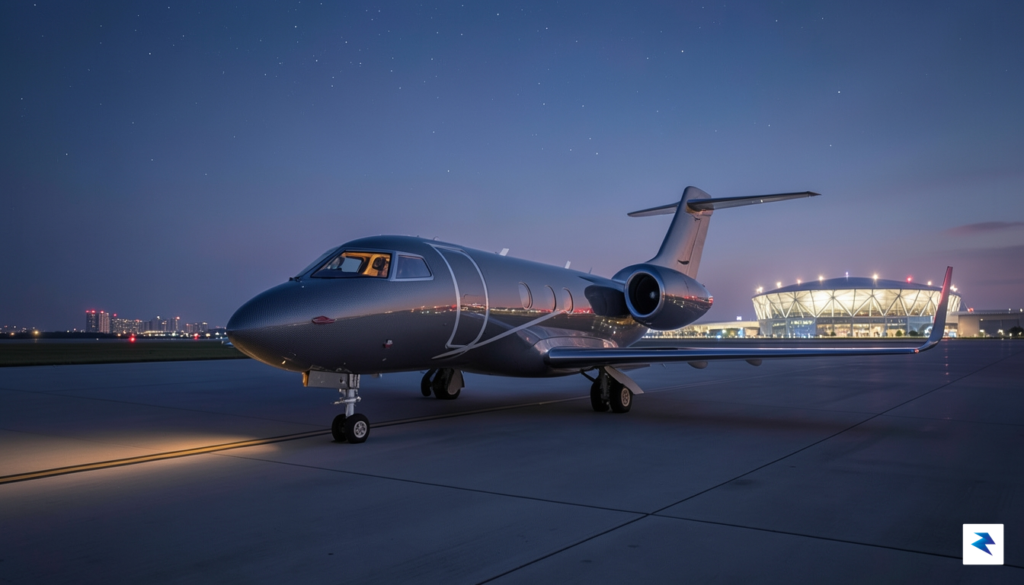
Beyond fiscal policy, the role of public relations in managing elite visibility has reached a critical inflection point. For many high-net-worth individuals, the “flight-shaming” movement—which tracks and publicizes the carbon emissions of celebrity travel—has transformed a simple trip to a soccer match into a potential reputation disaster. Consequently, we can expect a shift toward more discreet mobility strategies. Rather than showcasing the exclusivity of a private cabin, elite travelers may increasingly opt for “stealth luxury,” favoring high-speed rail charters or carbon-offset programs that are baked into the price of their journey. This shift is not necessarily rooted in a sudden altruism, but rather in a pragmatic understanding that overt displays of excess are becoming a liability in a world increasingly preoccupied with the ethics of climate change.
The tension between the freedom of private movement and the demand for equitable resource usage will likely reshape how major global events are experienced by the world’s most affluent spectators.
Ultimately, the sustainability of the current model is highly questionable. As the divide between the ultra-wealthy and the general population grows, public pressure will likely force a normalization of “modest” elite travel. This does not mean the end of luxury, but rather a redefinition of what it entails. Perhaps the future of elite mobility will prioritize time-efficiency through advanced technology—such as electric vertical take-off and landing (eVTOL) aircraft—which promise lower emissions than traditional jets. Whether through mandatory carbon caps or a cultural pivot toward more responsible consumption, the message is clear: the privilege of moving across borders with ease must now be balanced against the collective responsibility of preserving the planet those borders enclose.
You must be logged in to post a comment.