Is the Bitcoin-Yen Carry Trade Dead? What the New -0.90 Correlation Means
Understanding the Bitcoin-Yen Correlation Shift In the complex world of global finance, a correlation coefficient acts as a mathematical…
For more than a decade, WhatsApp has operated under a rigid architectural premise: your phone number is your identity. When the platform first emerged, this approach offered a seamless way to bridge the gap between address books and digital messaging, effectively removing the need for clunky usernames or complex registration processes. However, this reliance on a physical identifier has created a significant bottleneck in modern digital interaction. By requiring users to exchange their personal phone numbers to initiate a conversation, WhatsApp has inadvertently forced individuals to surrender a piece of their private, real-world data just to send a simple text or coordinate a quick transaction.
The friction caused by this “phone-number-only” requirement has become increasingly apparent as the platform has grown into a primary tool for both social and professional communication. In scenarios where you need to coordinate with a stranger, such as buying an item from an online marketplace or networking at a conference, the necessity of sharing a personal number feels intrusive and potentially risky. Users often find themselves in an awkward position, forced to choose between the convenience of WhatsApp’s feature-rich interface and the desire to maintain a degree of anonymity. This barrier has long prevented the app from being a truly frictionless communication hub for anyone outside of one’s immediate circle of family and friends.
The introduction of usernames represents a long-overdue strategic pivot that aligns WhatsApp with the expectations of a privacy-conscious generation. By decoupling the account identity from the SIM card, the platform is finally embracing a more modular approach to connectivity. This change will allow users to share a unique handle, effectively creating a buffer between their private lives and their public interactions. Such a transition not only enhances personal security by reducing the exposure of sensitive contact information but also empowers users to engage with a broader ecosystem of acquaintances without the lingering fear of spam or unwanted solicitation.
Moving toward a username-based identity is more than just a feature update; it is a fundamental shift in how WhatsApp balances the convenience of instant messaging with the modern necessity of digital privacy.
Ultimately, this evolution signals that WhatsApp is maturing from a simple SMS replacement into a sophisticated, privacy-first communication network. As the digital landscape becomes more crowded and the risks of data exposure grow, providing a layer of abstraction between the user and their contact details is a vital step forward. By adopting this flexible identity model, WhatsApp is not only improving the user experience for billions of people but is also proactively addressing the privacy concerns that have defined the tech discourse of the last several years. It is a clear acknowledgement that in the modern age, the most valuable commodity a messaging platform can provide is control over one’s own connectivity.
For years, your WhatsApp account has been inextricably linked to your phone number, acting as both your primary identifier and a gateway to your personal life. This reliance has long been a significant privacy concern, as sharing your contact information with a casual acquaintance, a marketplace seller, or a business representative essentially grants them access to your digital front door. By forcing users to expose their phone numbers, WhatsApp has historically made it difficult to maintain professional boundaries or protect personal anonymity. The transition toward a username-based system represents a fundamental shift in this architecture, finally providing a layer of abstraction that separates your identity from your physical SIM card details.
By adopting a unique handle, you can effectively mask your phone number from people you do not know well or do not wish to grant full access to your personal information. When you share your username instead of your digits, you are essentially providing a digital alias that allows for communication without compromising your real-world contact data. This change is particularly vital for users who frequently interact in public forums or group chats where their phone number might otherwise be scraped, logged, or misused by bad actors. Furthermore, this update empowers you to curate your digital footprint, ensuring that your private phone number remains reserved for friends, family, and trusted colleagues rather than being distributed haphazardly across various social circles.
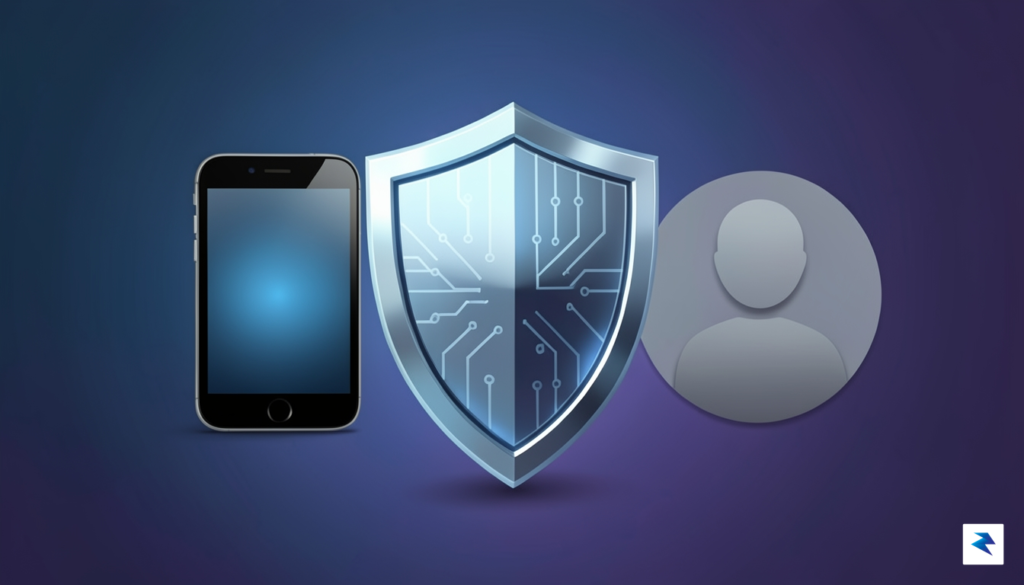
The implications for reducing spam and unwanted contact are equally profound. Currently, many malicious entities and aggressive marketers leverage automated tools to identify active phone numbers, leading to an influx of unsolicited messages and phishing attempts. With the ability to hide your phone number behind a username, the primary vector for these intrusive communications is significantly diminished. If someone abuses their communication privileges, you can simply change your handle or restrict who is allowed to contact you, rather than having to deal with the permanent, often unchangeable nature of a mobile phone number.
The shift to usernames is a long-overdue evolution in messaging security, effectively turning your phone number from a public identifier into a private credential that only you control.
Ultimately, this update is about reclaiming agency over your digital identity. By minimizing the amount of sensitive information you broadcast every time you initiate a new conversation, you are actively reducing your attack surface and protecting yourself from potential harassment or identity-related risks. As we move toward this new standard, it is essential to treat your username as a valuable asset that allows for safe, controlled, and intentional connection in an increasingly crowded digital landscape. Taking the time to reserve a secure handle is not just a feature update; it is a critical step in safeguarding your personal privacy for the long term.
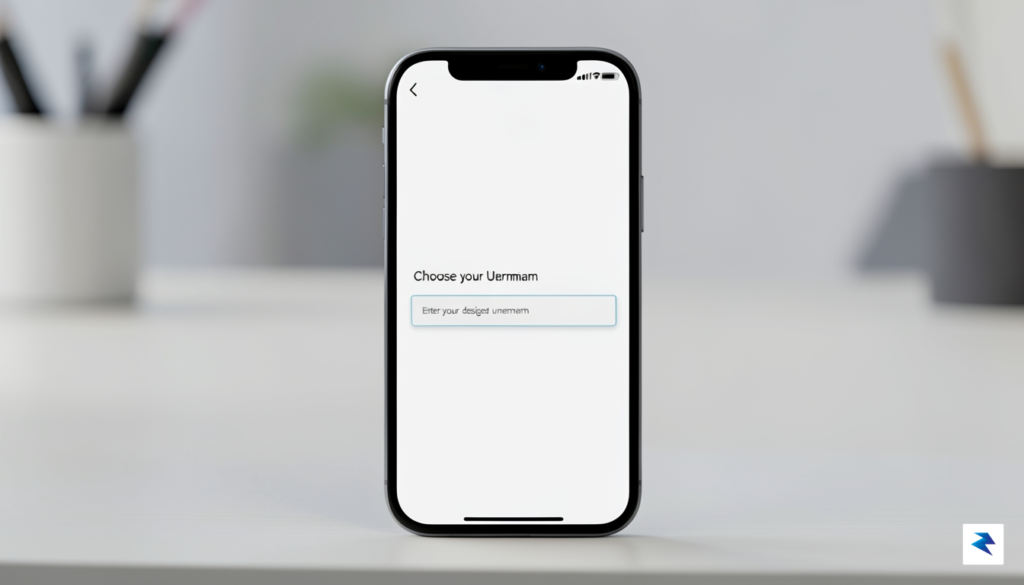
While the official rollout of the username feature is scheduled for later this year, the race to secure your digital footprint begins now. Anticipation is high, and because WhatsApp serves as a primary communication tool for billions, the competition for concise, recognizable handles will be intense. To claim your identity, you will likely need to navigate to the Settings menu within the application, where a new Profile subsection will appear. From there, you will be prompted to select a unique handle that replaces the need to share your private phone number with every new contact, effectively bridging the gap between professional networking and personal privacy.
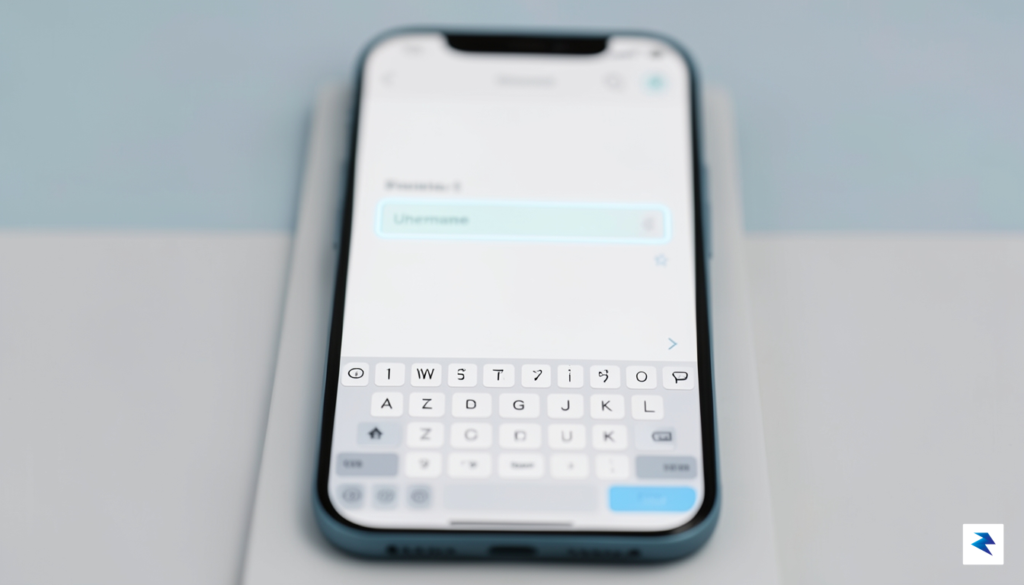
When selecting your username, prioritize clarity and longevity. It is best to choose a handle that mirrors your existing presence on other social platforms, such as Instagram or LinkedIn, to ensure your contacts can easily identify you. Avoid using excessive numbers or complex symbols, as these can make your account harder to find and appear less professional to prospective clients or acquaintances. Aim for a handle that is easy to spell, memorable, and reflects your personal or business brand identity clearly. Remember that once you claim your handle, it will become the primary way people search for you, so taking a moment to brainstorm a few variations before the feature goes live is a strategic move worth making.
Acting quickly is essential; in the digital landscape, usernames function as modern-day real estate. Securing your preferred name early prevents others from claiming it, effectively safeguarding your brand against impersonation and unwanted squatting.
The urgency to act stems from the reality that once a handle is taken, it is off the table for everyone else. By preparing your preferred list of names today, you can jump into the application the moment the update hits your device and secure your spot without hesitation. If your first choice is already taken, keep a list of secondary options that maintain the same professional tone. This proactive approach ensures that you will not have to settle for an awkward or obscure username, allowing you to maintain a polished, consistent presence across all your digital communication channels.
For years, your phone number has acted as the primary anchor for your digital identity, serving as a gateway that connects your physical SIM card to your financial accounts, social media profiles, and private communications. Unfortunately, this ubiquity has turned the common phone number into a significant security liability. By decoupling your identity from your digits, WhatsApp’s upcoming username feature effectively introduces a necessary layer of abstraction that shields users from the increasingly common threat of SIM swapping. In a SIM swap attack, malicious actors trick mobile carriers into porting your number to a new device, granting them unauthorized access to your two-factor authentication codes and private messages. By moving toward a username-based system, WhatsApp ensures that even if a carrier is compromised, your core communication channel remains untethered from the specific hardware that attackers are targeting.
Beyond the immediate threat of account takeover, the transition to usernames significantly shrinks your digital footprint by limiting the effectiveness of Open Source Intelligence (OSINT) gathering. Currently, anyone with your phone number saved in their contacts can instantly identify your WhatsApp profile, which often includes your display name, profile picture, and “About” status. Bad actors frequently use these details to conduct reconnaissance, cross-referencing your number against other leaked databases to build a comprehensive profile of your personal life. When you no longer have to broadcast your phone number to interact with new contacts, you effectively sever the link that allows strangers to scrape your private metadata or correlate your messaging habits with your professional or financial identities.
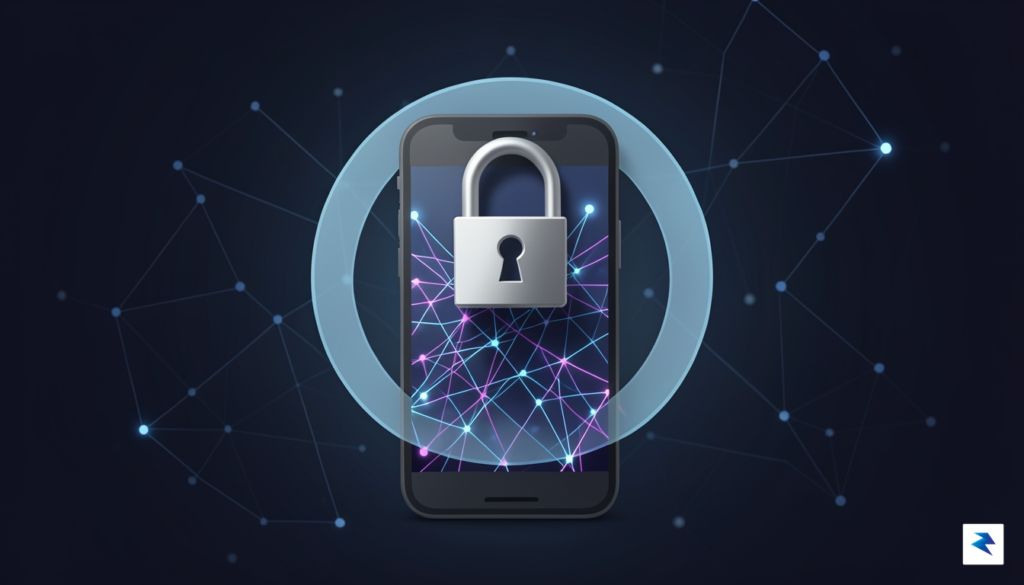
The transition to usernames is a shift from identity-by-default to identity-by-choice, fundamentally altering how we manage our personal privacy in an era of persistent data breaches.
This approach mirrors the privacy-centric architecture seen in platforms like Telegram, which has long allowed users to interact through unique aliases rather than static phone numbers. Much like Telegram, WhatsApp’s move toward usernames acknowledges that users deserve the autonomy to decide exactly how much of their personal information is visible to the public. While platforms like Discord or Telegram have utilized this model for years, WhatsApp’s massive global user base makes this update a transformative shift for general internet safety. By reducing the reliance on phone numbers as unique identifiers, the platform is not only curbing phishing attempts that leverage “trusted” numbers but is also empowering users to participate in online communities without the fear of their private contact information becoming public knowledge.
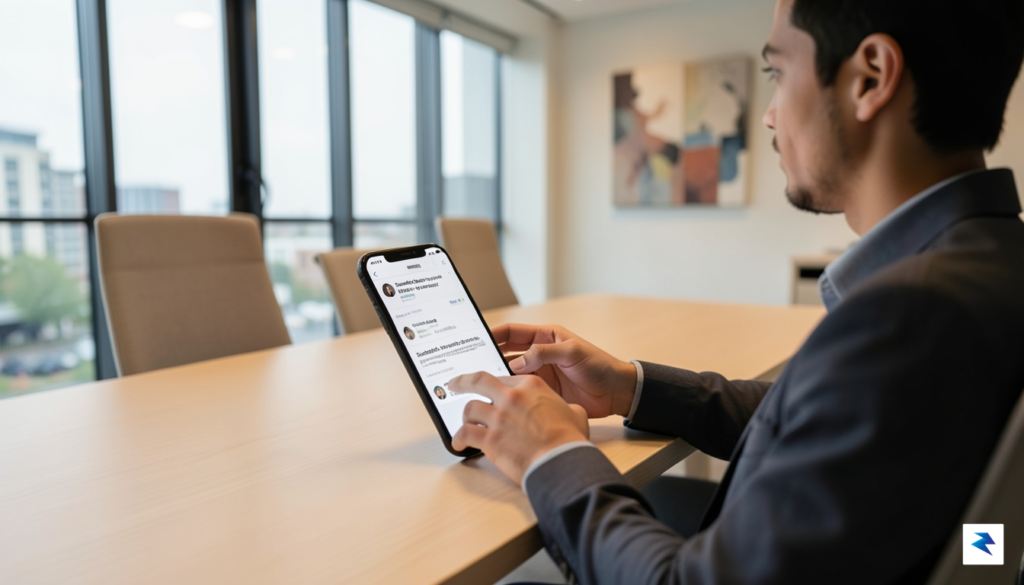
For small businesses, independent creators, and freelancers, the introduction of WhatsApp usernames represents a long-awaited shift in how professional communication is managed. For years, the platform has relied exclusively on phone numbers as the primary identifier, which often created a barrier for professionals who wanted to maintain a clear boundary between their personal lives and their public-facing work. By adopting a username-based system, entrepreneurs can finally establish a branded presence that feels both polished and intentional. Instead of asking potential clients to save a numeric string—which is impersonal and often prone to data entry errors—professionals will soon be able to share a unique, memorable handle that mirrors their brand identity across other social media channels.
This transition from sharing a business number to a business handle significantly streamlines the networking process. Think of the friction currently involved in handing out a phone number at a networking event or printing it on a physical business card; it feels inherently invasive to share personal contact information with someone you have just met. With a username, this exchange becomes frictionless and secure. Prospective clients can find you instantly on WhatsApp without ever needing to see your actual phone number, which preserves your privacy while simultaneously making you more accessible. This is a vital evolution for freelancers who operate out of home offices or creators who wish to cultivate a community without exposing their private contact details to the entire internet.
Beyond the immediate privacy benefits, this update serves as a powerful tool for brand consistency and discovery. When your WhatsApp handle aligns with your Instagram, Twitter, or TikTok identity, you create a cohesive ecosystem that makes it incredibly easy for customers to transition from browsing your content to initiating a direct conversation. This consistency builds trust; when a user clicks a link to your WhatsApp and sees a familiar handle, they are far more likely to engage than they would be if they were redirected to a random string of digits. Furthermore, this change allows businesses to curate a professional image that feels native to the modern digital economy, effectively turning WhatsApp into a more robust tool for customer relationship management.
The shift to usernames transforms WhatsApp from a personal messaging tool into a professional gateway, allowing creators and businesses to prioritize their brand identity while safeguarding their private contact information.
Ultimately, this update empowers professionals to take control of their digital footprint on one of the most widely used communication platforms in the world. By removing the necessity of phone number exposure, WhatsApp is enabling a safer, more efficient way to conduct business. Whether you are a local shop owner coordinating orders or a creative consultant managing client inquiries, securing your handle will be a fundamental step in professionalizing your workflow and fostering long-term relationships with your audience.
You must be logged in to post a comment.