Top 10 Fun Discord Bots
Are you looking to spice up your Discord server with some fun and engaging bots? Do you want to create an environment that keeps your members…
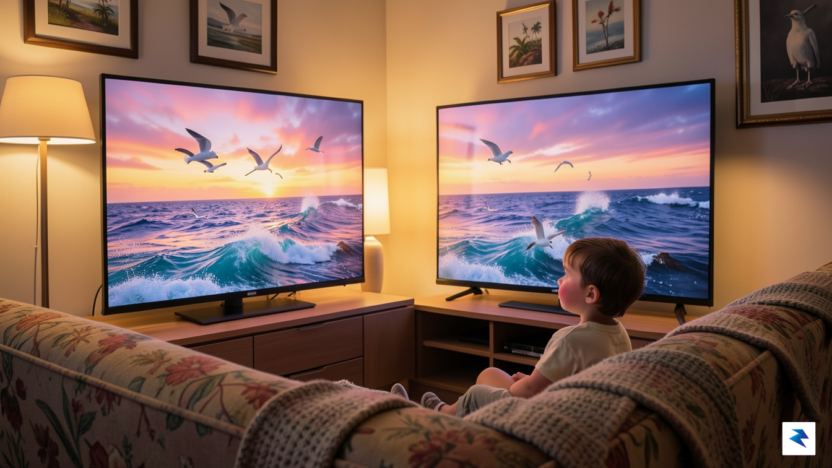
It is no mere coincidence that children return to the enchanting story of Disney’s Moana time and time again, often demanding repeated viewings until the dialogue is memorized and the songs are sung by heart. Far from accidental, the film is meticulously engineered to resonate with core developmental needs and aesthetic preferences of young audiences, creating a foundational appeal that transcends simple entertainment. This masterful blend of visual artistry, compelling narrative structure, and carefully calibrated pacing taps directly into how children perceive, process, and engage with the world around them.
One of the most immediate and powerful draws of Moana lies in its vibrant, high-contrast animation. Young children’s visual systems are still developing, making them particularly receptive to bright, saturated colors and clear distinctions between objects and backgrounds. The lush Polynesian landscapes, the sparkling turquoise ocean, the fiery reds of Te Kā, and the glowing greens of Te Fiti are not just beautiful; they are visually stimulating and easily digestible for developing eyes. Characters like Maui, with his intricate, dynamic tattoos, or Moana herself, set against the rich, natural backdrops, stand out with remarkable clarity. This visual clarity aids comprehension, reduces cognitive load, and effortlessly captures and holds a child’s attention, making the world of Motunui an irresistible spectacle.
Beyond the visual feast, the narrative structure of Moana skillfully adapts the classic ‘hero’s journey’ archetype for a child’s understanding. Children, even at a young age, are grappling with their own nascent identities and the challenges of growing up. Moana’s journey of self-discovery, her struggle with doubt, her unwavering courage in the face of immense obstacles, and her ultimate triumph in finding her purpose resonate deeply. Her story provides a powerful, relatable framework for themes like bravery, perseverance, and the importance of listening to one’s inner voice. The clear progression from a call to adventure, through trials and tribulations, to a satisfying resolution, offers a sense of security and predictability that is comforting and empowering for young minds, reinforcing positive values and a sense of agency.
Furthermore, the film’s pacing is expertly crafted to match the cognitive processing speeds characteristic of early childhood. Young children have different attention spans compared to adults, and Moana strikes a remarkable balance between action, discovery, and quieter, more reflective moments. High-energy sequences are interspersed with thoughtful dialogue, character development, and, crucially, musical numbers that serve as natural cognitive pauses. These musical interludes not only convey emotion and advance the plot but also allow children to process the preceding events and prepare for what’s next. This rhythmic flow prevents overstimulation while maintaining engagement, ensuring that the narrative remains digestible and captivating without overwhelming developing minds or inducing boredom. The songs often recap key themes or emotional states, further aiding comprehension and memory recall.
In essence, Moana is more than just a captivating animated feature; it’s a meticulously designed developmental experience. Its intentional use of vibrant aesthetics, a developmentally appropriate narrative arc, and a perfectly calibrated pace all converge to create a powerful psychological pull. This thoughtful engineering is precisely why children don’t just watch Moana; they immerse themselves in it, learning, growing, and returning to its comforting and empowering embrace again and again.
While parents may find themselves counting the days until their child finally decides to move on from the adventures of Moana and Maui, this persistent urge to hit the “play” button is far from mindless. In the world of child development, repetitive viewing is actually a sophisticated cognitive exercise. When a child watches the same narrative unfold dozens of times, they are engaging in a process known as mastery. By knowing exactly what will happen next—from the moment Moana steps onto her voyaging canoe to the final resolution with Te Fiti—children gain a sense of control over their environment. In a world where so much is dictated by adults and remains unpredictable, this familiarity provides a stable foundation that boosts confidence and self-assurance.
Beyond the simple satisfaction of mastery, predictability serves as a powerful tool for emotional regulation. Children live in a constant state of learning, which can be overwhelming and anxiety-inducing. Watching a familiar story acts as a psychological safety net; because they know the outcome, there is no fear of the unknown or sudden, startling plot twists. This comfort allows them to lower their guard and process the movie’s content at a deeper level. Consequently, the act of re-watching acts as a form of self-soothing, transforming a high-energy or stressful day into a calm, predictable experience that helps them settle their emotions.
Furthermore, repeated exposure allows children to unpack complex emotional themes and nuanced plot points that they almost certainly missed during the first viewing. A child’s brain is constantly building neural pathways, and each screening offers a fresh opportunity to decode social cues, identify character motivations, and grasp intricate lessons about bravery and identity.
Repetition is the language of the developing brain; it is through this cyclical process that children transition from passive observers to active participants in the narrative.
By revisiting the same scenes, they move past the sensory overload of the music and visuals, eventually focusing on the subtle interpersonal dynamics between characters. This deep dive into the narrative enables them to develop empathy and emotional intelligence, as they begin to understand why Moana feels the pressure of her heritage or how Maui’s bravado masks his underlying insecurities.
Ultimately, what looks like a monotonous habit to an adult is, for a child, a rich, multi-layered learning experience. Each time they watch, they are effectively “leveling up” their understanding of the world. They aren’t just watching a movie; they are studying a complex emotional map that helps them navigate their own growing pains. By granting them the patience to enjoy these cycles of repetition, we are supporting their fundamental need for stability and their intellectual drive to understand the human condition.
The sheer catchiness of Lin-Manuel Miranda’s score for Moana is far from accidental; it is a masterclass in musical psychology designed to engage the developing brain. At the heart of this phenomenon is the concept of the “earworm,” or involuntary musical imagery, which occurs when a song’s melodic contour and rhythmic structure become etched into the listener’s neural pathways. In tracks like “How Far I’ll Go,” Miranda utilizes a sophisticated blend of rising intervals and predictable cadences that provide a sense of resolution, making the melody feel both fresh and satisfyingly familiar. For a child, whose brain is constantly seeking patterns to decode the world, these repetitive motifs act as cognitive anchors. By prioritizing simplicity in the verse-chorus structure while layering in sophisticated harmonic shifts, the music encourages repeated listening, which in turn facilitates deeper language acquisition as children subconsciously internalize the lyrics and syntax embedded within the vocal performance.
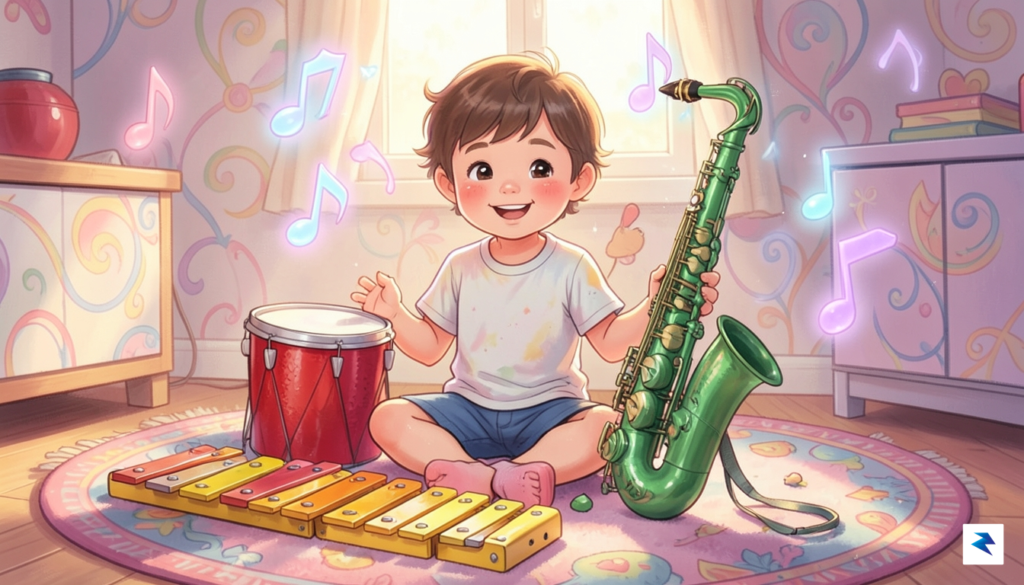
Beyond mere memory retention, the rhythmic complexity of the film’s soundtrack serves as a powerful catalyst for motor skill development. The syncopated beats and driving percussion inspired by Polynesian music invite physical movement, which is essential for early childhood neurological maturation. When children dance or tap along to “You’re Welcome” or “We Know the Way,” they are engaging in bilateral coordination and spatial awareness. This connection between rhythm and movement is not just playful; it is deeply functional. The synchronization required to match a beat helps refine a child’s vestibular system—the sensory system that contributes to balance and orientation in space. As the child mimics the energy of the music, they are effectively practicing motor planning, a critical skill that translates into better physical control and coordination in their daily lives.
Musical repetition functions as a scaffolding tool for the young brain, allowing children to practice emotional regulation by predicting the rise and fall of the narrative arc through song.
Furthermore, the emotional regulation provided by the soundtrack cannot be overstated. Because children often lack the vocabulary to express complex feelings of frustration, longing, or triumph, the songs in Moana act as an emotional surrogate. The carefully crafted emotional crescendos allow children to experience a safe, controlled release of tension, mirroring the way they process their own internal experiences. By repeatedly returning to these songs, kids are not just indulging in a favorite pastime; they are participating in a therapeutic feedback loop. They find comfort in the predictability of the music, which provides a stabilizing backdrop to their rapidly expanding understanding of the world, ultimately reinforcing why these anthems remain in constant rotation in households around the globe.
For generations, the animated landscape was dominated by the “damsel in distress” trope, a narrative structure that often relegated female protagonists to roles defined by passivity, waiting, or the need for rescue. Moana represents a radical departure from this archetype, offering a blueprint for self-actualization that resonates profoundly with modern children. Rather than waiting for external validation or a romantic partner to solve her dilemmas, Moana takes agency over her destiny, transforming herself into a capable explorer who navigates both the physical tides of the Pacific and the metaphorical tides of her own insecurities. This shift is critical because it mirrors the developmental milestones children encounter as they strive for autonomy; by watching Moana fail, learn, and persevere, young viewers are provided with a tangible model of resilience that values trial-and-error as a necessary component of growth.
The film ingeniously uses the ocean not merely as a backdrop, but as a living, breathing metaphor for the protagonist’s internal struggle. By personifying the sea as a sentient companion, the story externalizes the overwhelming nature of self-discovery and the daunting reality of navigating the unknown. For a child, the ocean serves as a perfect representation of the world outside their comfort zone—vast, intimidating, yet ultimately inviting. When Moana interacts with the water, she is essentially engaging in a dialogue with her own potential and the fears that threaten to hold her back. This symbolic relationship allows children to process their own complex emotions, suggesting that their internal struggles are not obstacles to be avoided, but rather forces of nature that can be harnessed and navigated with enough courage.

Furthermore, the film achieves a delicate, sophisticated balance between the human desire for independence and the weight of familial duty. Unlike many coming-of-age stories that frame parental expectations as strictly villainous or restrictive, Moana portrays the protagonist’s drive to leave home not as an act of rebellion, but as a commitment to a higher calling that ultimately benefits her community. She does not abandon her culture; instead, she evolves it, proving that one can honor their heritage while still carving out a unique identity. This nuanced depiction is essential for modern children who are increasingly navigating the tension between their personal ambitions and the values instilled by their families. By showing that duty and self-fulfillment are not mutually exclusive, the narrative provides a comforting, empowering message: that finding oneself is the most valuable gift one can bring back to the people they love.
True empowerment is not about the absence of fear, but the decision that something else—be it a duty to others or a belief in oneself—is more important than that fear.
Ultimately, the enduring appeal of the character lies in her relentless curiosity. She is not a hero by birthright or magic, but by virtue of her persistent questioning and her willingness to venture beyond the reef. This trait is inherently relatable to children, who are biologically wired to explore and understand the world around them. When Moana faces the demigod Maui, she is not intimidated by his strength; rather, she is focused on the task at hand, prioritizing purpose over ego. This prioritization of goals over social hierarchy is a powerful lesson in leadership and identity formation, teaching young viewers that their worth is defined by their actions and their contributions to the world, rather than by how they compare to the strength or status of others.
For parents navigating the often-chaotic landscape of children’s entertainment, Moana occupies a unique, highly coveted position: it is the rare film that manages to be both universally beloved by children and genuinely tolerable—if not deeply enjoyable—for adults. While toddlers are drawn to the vibrant animation and the infectious rhythm of the soundtrack, parents find solace in the film’s “low-conflict” narrative structure. Unlike many animated features that rely on high-stakes, anxiety-inducing villains or jarring tonal shifts, Moana offers a journey rooted in discovery, courage, and self-actualization. This narrative stability makes it a safe, predictable choice for a household, providing a reliable emotional anchor during the routine of daily life where parents often seek media that won’t require constant parental mediation or explanation.
Beyond the lack of traditional, terrifying antagonists, the film is viewed as high-quality content because it respects the intelligence of its audience. It avoids the trope of the damsel in distress, instead focusing on a protagonist whose internal drive and connection to her culture propel the story forward. For parents, this serves a functional role; when a child watches Moana, they are engaging with themes of leadership, respect for heritage, and the importance of resilience. Knowing that a film aligns with these positive values allows parents to grant screen time with a clearer conscience, transforming what could be a passive activity into a meaningful experience that mirrors the values they strive to instill at home.
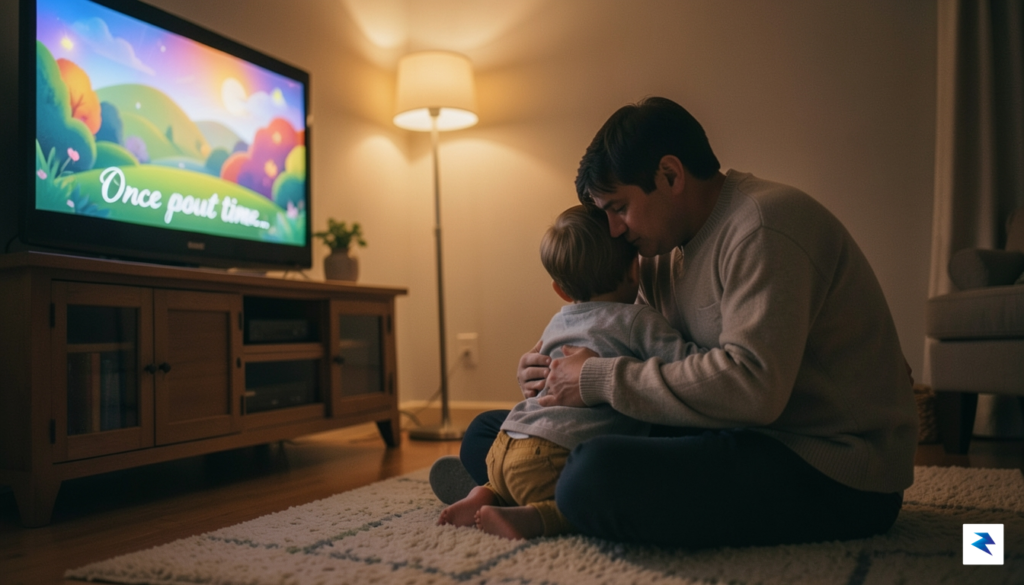
When the hundredth viewing of a movie is just as engaging as the first, it stops being mere distraction and starts becoming a shared family ritual that builds emotional security.
Furthermore, the repetitive viewing of Moana creates a powerful, shared media experience that acts as a bridge between generations. Because the music is composed with genuine artistry and the storytelling is layered enough to hold an adult’s attention, parents aren’t just “babysitting” through the screen; they are participating in a communal moment of joy. This shared enthusiasm strengthens the parent-child bond, as both parties can hum the same melodies, quote the same lines, and empathize with the same character arcs. In a world of fragmented attention spans and increasingly individualized media consumption, Moana serves as a rare, unified cultural touchstone within the four walls of the home, proving that a film’s true value lies in its ability to bring a family together in a moment of collective, predictable peace.
You must be logged in to post a comment.