
The Data Broker Ecosystem: Why Your Information Is Everywhere

In today’s digital age, where every click and interaction leaves a trace, your personal information has become a valuable commodity. This is the foundation of the multi-billion dollar data broker industry, an ecosystem built entirely on aggregating, buying, and selling your digital footprint. You’ve likely stumbled upon the most visible manifestation of this industry: the myriad of ‘People Search’ sites that promise to reveal anyone’s public information. A quick search for your own name often yields startling results – old addresses, phone numbers, family connections, and even professional licenses, all laid bare for anyone to see with just a few clicks, raising immediate privacy concerns.
But how do these sites acquire such comprehensive dossiers? The answer lies in sophisticated data scraping techniques, where automated bots relentlessly scour the vast expanse of the internet. Data brokers legally aggregate information from an astonishing array of sources, including publicly accessible government records like property deeds, marriage licenses, and court filings, as well as voter registration databases. They also harvest data from social media profiles – even those with ‘private’ settings can inadvertently reveal metadata or publicly visible connections – and cross-reference it with commercial data streams like purchase histories from loyalty programs, online shopping habits, and app usage. This relentless, automated collection process allows them to stitch together fragmented pieces of information into a surprisingly complete and detailed picture of your life, often without your explicit knowledge or consent.

Armed with this understanding, many individuals feel compelled to take matters into their own hands, attempting to manually remove their data from these pervasive platforms. However, this quickly devolves into a frustrating game of ‘whack-a-mole.’ There are literally hundreds, if not thousands, of these data broker sites, each requiring a separate, often convoluted, opt-out process. This usually involves navigating obscure privacy policies, finding specific opt-out forms buried deep within their websites, submitting personal details to prove your identity, and then often verifying the request via email – a time-consuming and incredibly tedious endeavor that can easily consume dozens of hours for just a handful of sites, making it a monumental task for anyone with a busy schedule.
The true challenge, however, isn’t just the sheer volume of sites, but the dynamic and continuous nature of data aggregation. Even after painstakingly removing your information from one site, it often reappears, sometimes weeks or months later, or surfaces on entirely new platforms. This phenomenon is largely due to cross-platform data syncing and continuous re-aggregation. While you might successfully clear your data from Broker A, the original public records, social media profiles, or commercial databases from which Broker A initially scraped your information still exist and are continuously monitored. Broker B, or even Broker A again, can simply re-scrape these persistent sources, effectively repopulating your profile, especially if new data points like a fresh address or phone number become available elsewhere, perpetuating an endless cycle of reappearance that feels impossible to escape.
Ultimately, attempting to manually scrub your personal information from the internet is an Sisyphean task for the average user. The sheer scale of the data broker industry, the constant scraping and re-aggregation of data from myriad sources, and the fragmented, often opaque, opt-out processes combine to create an insurmountable challenge. It demands a level of vigilance and continuous effort that equates to a full-time job, making effective, long-term self-management of your digital footprint virtually impossible
How DeleteMe Works: A Deep Dive into Removal Mechanics

At its core, DeleteMe functions as an automated proxy between your personal identity and the vast, shadowy network of data brokers that populate the internet. Instead of forcing you to navigate the labyrinthine opt-out pages of hundreds of individual websites, the service acts as an administrative agent. The process begins with an initial, comprehensive scan where their system crawls a massive proprietary database of known information brokers. By cross-referencing the personal identifiers you provide—such as your full name, current and previous addresses, phone numbers, and email aliases—the platform creates a master list of where your private information currently resides.

Once your records are identified, the mechanics shift from passive scanning to active intervention. DeleteMe’s team and automated systems systematically issue formal removal requests to these brokers, adhering to the specific legal and procedural requirements of each platform. This is where the service provides significant value; many data brokers intentionally obfuscate their opt-out links or require complex verification steps to discourage users from removing their own data. DeleteMe navigates these bureaucratic roadblocks on your behalf, effectively forcing these platforms to honor privacy requests that you might otherwise struggle to process manually.
The true power of a service like DeleteMe is not just in the initial deletion, but in the persistence of their monitoring protocols. Without ongoing oversight, data brokers often re-scrape your information within weeks of a successful removal.
The most critical aspect of the platform is its ongoing cycle of verification and re-monitoring. Because the internet is dynamic, brokers frequently re-acquire and re-index data through public records, social media scrapers, and third-party advertising partners. To counter this, DeleteMe operates on a subscription-based “set it and forget it” model. They continuously re-scan the databases to ensure that your information has not reappeared. If a record is re-indexed, the system automatically triggers a new removal request, ensuring that your data footprint remains minimized over the long term. This iterative cycle of identification, submission, and verification is what fundamentally differentiates a professional removal service from a one-time DIY effort, as it accounts for the inevitable “whack-a-mole” nature of modern data privacy.
The Reality of Privacy: What DeleteMe Can and Cannot Remove
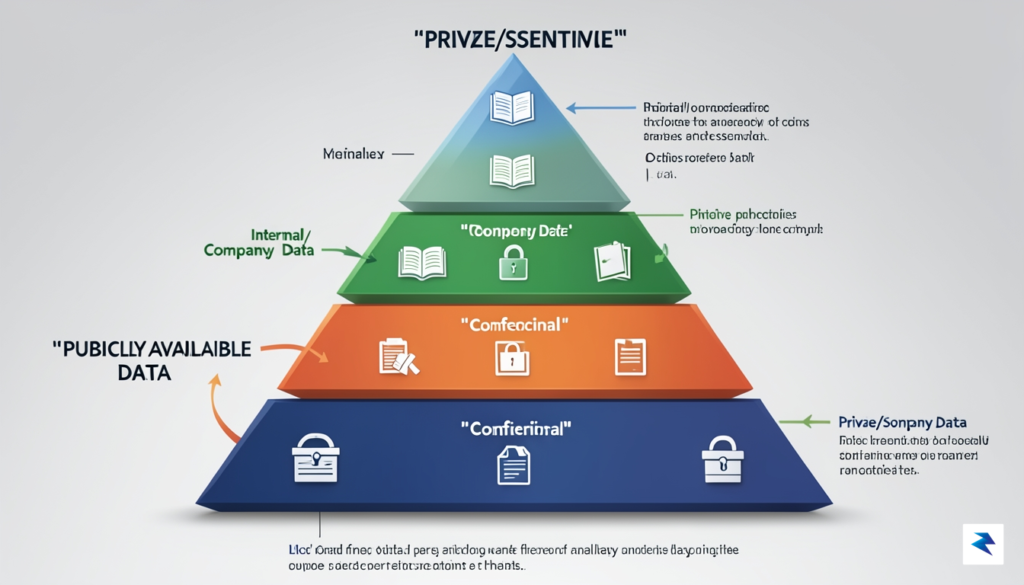
When you sign up for a service like DeleteMe, it is tempting to view it as a digital “delete” button that will restore your anonymity overnight. However, the reality of online privacy is far more nuanced; it is not an on-off switch, but rather a constant process of risk mitigation. While these services are incredibly effective at scrubbing your information from data broker websites—those opaque entities that aggregate your age, address, and shopping habits—they cannot fundamentally alter the nature of public record. Information that resides on government servers, such as property tax assessments, court records, or professional license databases, is legally mandated to be accessible to the public. Consequently, no third-party service can unilaterally force a government agency to erase your footprint from these official, state-sanctioned logs.
Furthermore, it is vital to understand the distinction between “broker data” and the information you voluntarily contribute to the web. DeleteMe excels at removing the profiles created by companies that scrape the internet to build marketing dossiers on you, but it has no jurisdiction over your own social media presence. If your Facebook account is set to public or you have tagged yourself in photos on a friend’s Instagram, that data is considered user-generated content. You are the only one who can control those privacy settings. A removal service cannot sanitize your digital history if the source of that history is an account you currently own and operate.

Navigating the Legal Landscape
The limitations of these services are also defined by the current patchwork of privacy legislation. While laws like the California Consumer Privacy Act (CCPA) and the California Privacy Rights Act (CPRA) have granted individuals more power to request the deletion of their personal information, these laws generally apply to businesses, not to the fundamental structure of public archives. Similarly, the Fair Credit Reporting Act (FCRA) regulates how credit reporting agencies can use your data, but it does not prohibit the existence of your financial history in the databases of those agencies. Because privacy laws are often state-specific and limited in scope, there is no federal “right to be forgotten” that allows an individual to wipe their existence from every corner of the internet.
Privacy in the modern age is not about achieving total anonymity; it is about reducing your visibility to a level that minimizes your risks of identity theft, harassment, and unwanted solicitation.
Ultimately, using a service like DeleteMe is an exercise in reducing your attack surface. By removing your details from the hundreds of “people search” sites that make it easy for bad actors to find your home address or phone number, you are making yourself a much harder target. However, you should approach these services with a realistic mindset: you are not erasing your past, but rather pruning the low-hanging fruit that data brokers rely on to profit from your identity. The goal is to move from being an easily searchable commodity to a private individual, accepting that a certain baseline of information will always remain part of the public infrastructure.
Hands-On Experience: The User Journey and Time Investment

Getting started with DeleteMe feels surprisingly low-friction compared to the daunting prospect of manually scrubbing your digital footprint. After completing the initial onboarding questionnaire—which asks for common variants of your name, previous addresses, and email accounts—the service essentially takes the wheel. The dashboard is clean and minimalist, functioning more like a status monitor than a complex piece of software. You aren’t tasked with navigating endless privacy settings; instead, you simply watch as the service populates a list of data brokers currently hosting your sensitive information. It provides a satisfying, albeit slightly unsettling, visual tally of how many websites have your phone number, home address, or family connections.
The timeline for results is where the reality of the service sets in. While DeleteMe promises automated removals, the first wave is rarely instantaneous. In my experience, it took about three weeks to see a meaningful drop in Google search results for my personal data. While some brokers removed my profile within days, others—the more stubborn, obscure databases—took several rounds of automated “nudging” by the service. It is important to temper your expectations here: this is a marathon, not a sprint. The service works on a continuous cycle, meaning that even after the initial cleanup, new data brokers inevitably pop up, requiring constant vigilance that would be nearly impossible to manage manually.
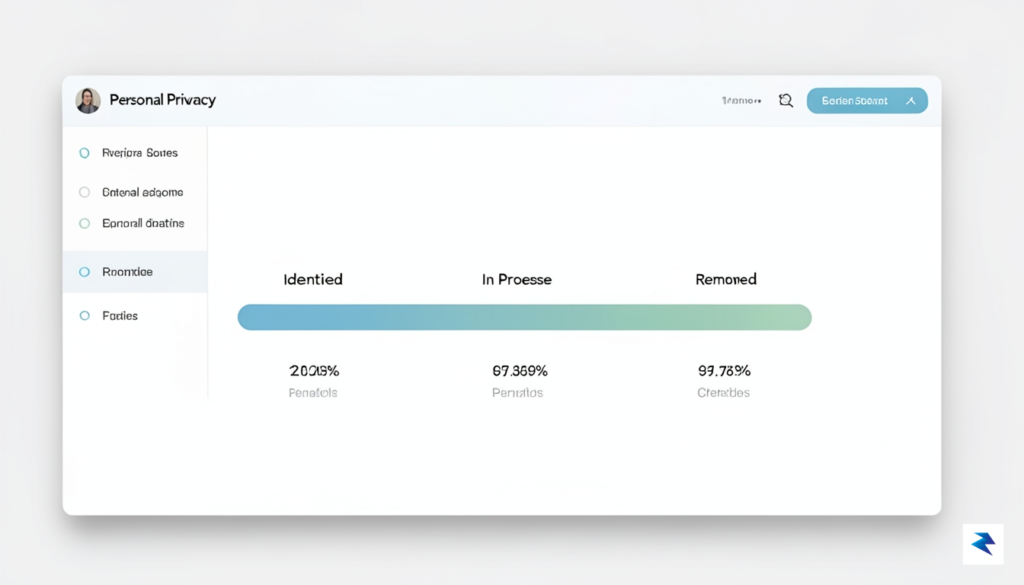
Communication throughout this period is consistent but not overwhelming. You receive quarterly reports via email that detail exactly what has been removed and which brokers were contacted during that window. This transparency loop is crucial because it validates the subscription cost. Without these notifications, it would be easy to forget that the service is running in the background. Comparing this to the DIY method is like comparing a professional cleaning service to scrubbing your entire house with a toothbrush; while you could theoretically email every data broker yourself, the sheer volume of opt-out requests is a full-time job. DeleteMe handles the tedious back-and-forth, effectively buying back your time by automating the bureaucratic grind of modern privacy protection.
The true value of a service like this isn’t just the removal of data; it is the automation of the persistence required to keep that data off the web permanently.
Ultimately, the user experience is defined by a “set it and forget it” philosophy. You are paying for the peace of mind that comes from knowing a system is actively monitoring your digital footprint while you go about your day. While the interface doesn’t offer granular control over every specific action taken, the trade-off—reclaiming hours of manual research and repetitive form-filling—is overwhelmingly positive for the average person who values their privacy but lacks the time to police the internet manually.
Is It Worth It? Evaluating the Cost-Benefit for Personal Privacy

Deciding whether to invest in a data removal service like DeleteMe requires a candid look at the trade-off between your financial resources and your digital autonomy. While the annual subscription fee might seem like an unnecessary recurring expense at first glance, it is helpful to frame it as a premium on your time and mental bandwidth. Attempting to manually scrub your personal information from hundreds of data broker sites is not merely a chore; it is a full-time endeavor that requires consistent vigilance. These brokers are cyclical in nature, meaning they often re-collect your data even after you successfully opt out, necessitating a never-ending cycle of manual requests that the average person simply does not have the capacity to maintain.
When you weigh the subscription cost against the opportunity cost of spending dozens of hours navigating complex opt-out forms, the value proposition becomes clearer. For most individuals, the time lost performing these tasks manually is worth far more than the price of a yearly subscription. By automating the process, you are effectively buying back your personal time while simultaneously reducing the volume of intrusive spam calls, targeted phishing attempts, and the unsettling exposure of your home address on public “people search” engines.

Who Should Consider This Investment?
The necessity of a service like this largely depends on your personal risk profile and how much weight you place on digital anonymity:
- The Privacy-Conscious User: If you are someone who proactively manages your digital footprint, DeleteMe acts as a powerful force multiplier. It provides a baseline of protection that allows you to focus on other security habits, such as password management and multi-factor authentication, without the constant stress of monitoring data brokers.
- The Victim of Doxxing or Harassment: For those who have been targeted by online harassment or who face legitimate safety concerns, the service is not just a convenience—it is a critical tool for risk mitigation. Removing your home address and contact information from public view is a vital step in creating a safer barrier between your physical life and the online world.
- The Average Internet User: If you are mostly annoyed by telemarketing calls and marketing junk, you might find the cost harder to justify. However, if you find that your peace of mind is consistently disrupted by unwanted solicitations, the annual fee is a relatively modest price to pay for a quieter, more private digital experience.
Ultimately, privacy is not a one-time setup but an ongoing process. If you value your time more than the cost of a few cups of coffee per month, offloading this tedious work to a specialized service is a logical and efficient choice.
In the final analysis, DeleteMe does not provide a “magic bullet” that deletes your entire existence from the internet, but it does significantly lower your profile, making you a much harder target for data scrapers. It is an investment in friction; by making it difficult for bad actors to find your information, you are choosing to prioritize your security in an increasingly data-hungry digital landscape.