
I Tested DeleteMe for 3 Months: Does It Actually Clear Your Data?
The Data Broker Ecosystem: Why Your Information Is Everywhere In today's digital age, where every click and interaction leaves a trace, your…


For years, Apple has operated at the pinnacle of global logistics, balancing the need for massive scale with the demand for bleeding-edge technical precision. At the heart of this operational mastery lies a relentless requirement for stable, high-performance memory components—the essential building blocks for the iPhones, iPads, and MacBooks that define the company’s product ecosystem. However, the current macroeconomic landscape has shifted dramatically, transforming once-predictable procurement channels into a minefield of volatility. Fluctuating RAM pricing, driven by post-pandemic market corrections and intense competition for silicon, has forced Apple to re-examine the traditional partners that have long sustained its production lines.
The urgency behind this strategic pivot is rooted in the harsh realities of global hardware costs, where even minor fluctuations in memory pricing can ripple across billions of dollars in revenue. As Apple seeks to maintain its thin margins while managing the cost of increasingly sophisticated internal hardware, the search for cost-effective, high-volume memory manufacturers has become a primary objective for the company’s supply chain architects. This pursuit, however, is no longer just a matter of simple accounting; it has become a delicate dance between corporate necessity and the tightening grip of international trade regulations. By looking toward unconventional or previously restricted partnerships, Apple is attempting to insulate its bottom line from the unpredictability of global market cycles.
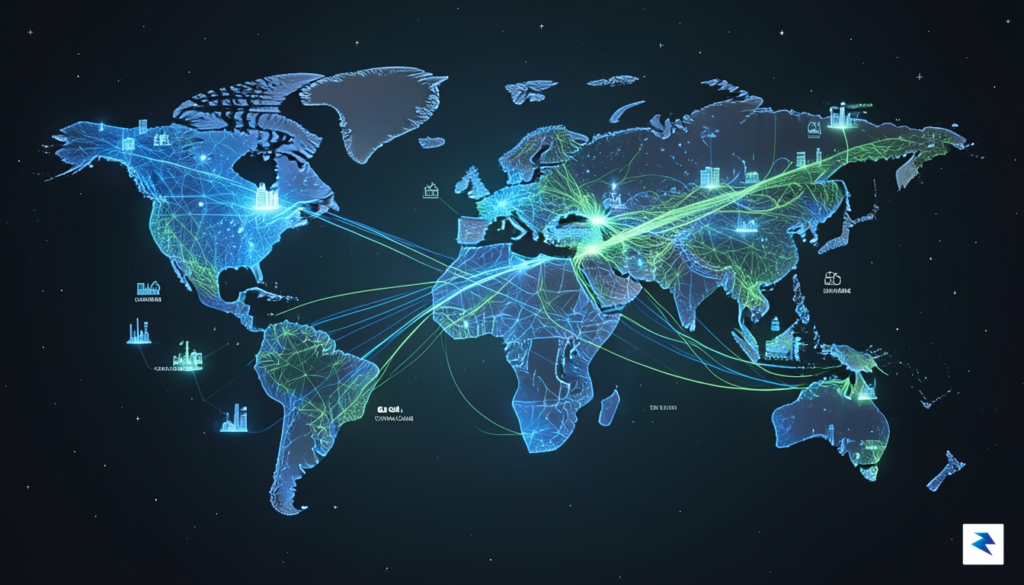
This initiative represents a significant strategic crossroads that pits Apple’s manufacturing requirements against the escalating geopolitical tensions between Washington and Beijing. The inclusion of certain Chinese chip manufacturers on federal watchlists creates a regulatory barrier that would typically be insurmountable for a company of Apple’s profile. Yet, the pressure to diversify its supply base—and move away from an over-reliance on a narrow set of traditional memory providers—is pushing the company to test the boundaries of these constraints. The company is now navigating a path that requires balancing the immediate need for hardware affordability with the long-term risk of regulatory scrutiny, signaling a shift in how it views the stability of its global supply chain.
The quest for supply chain resilience is forcing tech giants to choose between legacy partnerships and the potential for greater diversification, even when the latter invites significant political friction.
Ultimately, Apple’s willingness to entertain such high-stakes maneuvers suggests that the company views the current supply chain climate as fundamentally unsustainable. Whether this move is a calculated gamble to force competitive pricing from existing suppliers or a genuine attempt to integrate new, cost-effective manufacturers remains a point of intense speculation. What is certain, however, is that the company is no longer satisfied with the status quo, and it is prepared to challenge existing geopolitical norms to secure the components necessary to fuel its next generation of devices.

To understand how a memory chip manufacturer became a flashpoint in international diplomacy, one must look at the shifting tides of the United States’ trade relationship with China. Over the past several years, Washington has systematically erected regulatory barriers designed to prevent advanced American technology from boosting China’s domestic military and technological capabilities. At the center of this web of restrictions is ChangXin Memory Technologies (CXMT), a state-backed semiconductor firm founded in Hefei, China, in 2016. CXMT quickly rose to prominence as China’s leading hope for achieving self-sufficiency in dynamic random-access memory (DRAM), which is a vital component used in everything from consumer smartphones to enterprise servers. However, as CXMT’s technological capabilities advanced, so too did the scrutiny from US regulators, who increasingly viewed the rapid rise of Chinese state-championed tech firms not merely as commercial competition, but as a strategic national security threat.
The regulatory mechanism that places CXMT out of reach for American buyers is rooted in the US Department of Commerce’s Entity List and the Department of Defense’s list of “Chinese Military Companies.” When the Pentagon designated CXMT as having deep-seated ties to the People’s Liberation Army (PLA), it fundamentally altered the company’s global risk profile. This designation signals to the global market that the firm is suspected of contributing to the modernization of the Chinese military, thereby triggering strict export controls under the Export Administration Regulations (EAR). Consequently, any US-based corporation wishing to export technology to, or source critical components from, an entity on these restrictive lists must obtain a specialized license. This process is characterized by a “presumption of denial” that presents an incredibly high bureaucratic and political barrier for any American enterprise.

Engaging with a blacklisted supplier like CXMT introduces severe technical and political risks that extend far beyond simple compliance paperwork. From a technical standpoint, integrating components from a military-linked foreign supplier raises persistent anxieties regarding supply chain integrity, hardware security, and long-term reliability under potential future sanctions. Politically, the optics of a major American consumer tech giant seeking to bypass or obtain waivers for these restrictions can trigger intense bipartisan backlash in Washington, leading to public hearings and reputational damage. Ultimately, this situation highlights a growing friction point in the modern global economy, forcing companies to navigate a fragmented landscape where corporate efficiency must be balanced against national security mandates.
“The intersection of semiconductor manufacturing and national security has transformed the global tech supply chain from a realm of pure commerce into a highly contested geopolitical battleground.”
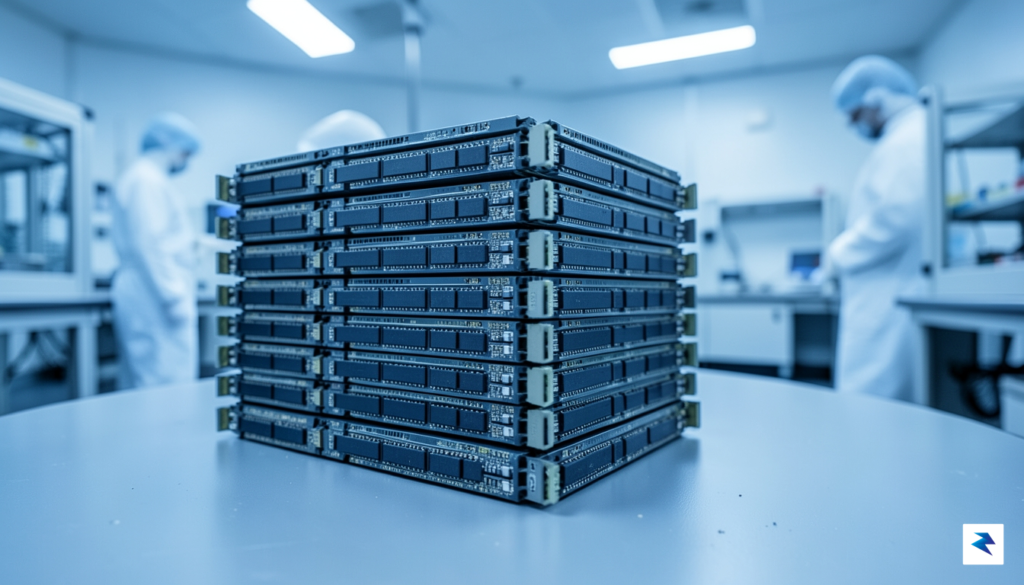
The global DRAM (Dynamic Random Access Memory) market has long functioned as a high-stakes arena characterized by extreme price volatility and intense competition. For years, the supply of memory chips has been dominated by a select group of industry giants, creating an oligopoly that leaves companies like Apple vulnerable to sudden, sharp price hikes. When market demand for consumer electronics spikes, or when production yields encounter bottlenecks, the cost of these essential components can fluctuate dramatically. This instability creates a precarious environment for tech leaders, who must balance the necessity of high-performance hardware with the rigid financial realities of maintaining healthy profit margins.

Memory is frequently cited as the primary bottleneck in the production of modern consumer electronics, as modern smartphones and laptops require increasingly massive amounts of RAM to handle intensive multitasking and AI-driven applications. Unlike other components that may have a wider array of secondary suppliers, high-quality DRAM production requires immense capital investment and proprietary manufacturing processes. Consequently, any disruption in the supply chain—whether triggered by global logistics challenges, geopolitical trade restrictions, or raw material shortages—ripples immediately through the entire electronics sector. Apple’s search for more affordable memory options is therefore not merely a cost-cutting measure; it is a calculated strategic maneuver intended to insulate its hardware production pipeline from the unpredictable swings of a concentrated market.
The search for alternative memory suppliers represents a shift in strategy for industry leaders, as they move away from a reliance on a few established players toward a more diversified, albeit complex, global supply chain.
The tension between rising production costs and consumer-facing retail pricing has reached a breaking point in recent quarters. As inflation and rising operational costs continue to squeeze hardware manufacturers, passing those costs on to consumers is a risky gamble that could dampen demand for flagship devices. By seeking to integrate memory from emerging suppliers—even those currently entangled in geopolitical scrutiny—Apple is attempting to exert downward pressure on component costs to preserve its premium pricing structure. This aggressive sourcing strategy reflects a broader industry trend where securing affordable, high-volume memory is no longer just a technical requirement, but a fundamental pillar of corporate financial stability in an increasingly competitive and cost-sensitive global marketplace.

The pursuit of an exemption to source memory chips from a blacklisted Chinese supplier places Apple in a precarious position, forcing the tech giant to navigate the volatile intersection of global supply chain efficiency and stringent national security mandates. By lobbying for a carve-out in existing trade restrictions, Apple is essentially asking policymakers to prioritize its specific manufacturing requirements over the broader geopolitical strategy of containment. This request creates a significant moral hazard; if the U.S. government concedes to Apple’s demands, it risks undermining the very sanctions designed to limit China’s technological advancements in the semiconductor sector. Furthermore, the optics of such a move are undeniably difficult, as it portrays the company as willing to bypass national security protocols in favor of maintaining thin profit margins or securing stable, low-cost component supplies during a time of heightening international tensions.

Apple’s strategy stands in stark contrast to other major tech players, many of whom have proactively pivoted their supply chains to accommodate the shifting landscape of U.S.-China relations. While some competitors have accepted the immediate financial sting of diversifying their manufacturing bases, Apple’s persistence in seeking exceptions suggests a deep-seated reliance on its existing ecosystem. This approach raises fundamental questions about corporate autonomy in an era of “techno-nationalism,” where the state increasingly dictates the boundaries of private enterprise. When a company of Apple’s magnitude leverages its massive economic footprint to influence foreign policy, it triggers a debate about whether the government should grant privileges to entities that claim to be “too big to fail” or “too essential to restrict.”
The tension here is not merely about the procurement of memory chips; it is about the power dynamic between a multi-trillion dollar corporation and the sovereign state that regulates its supply chain.
Ultimately, the lobbying process for these exemptions serves as a litmus test for Washington’s resolve in decoupling its critical technology sectors from Chinese influence. If Apple succeeds, it could set a dangerous precedent, encouraging other industries to lobby for similar loopholes, thereby diluting the effectiveness of the original trade blacklist. Conversely, a firm denial from policymakers would signal a definitive shift in the rules of engagement, signaling to Silicon Valley that national security objectives will consistently supersede the desire for seamless corporate logistics. As Apple continues to walk this tightrope, the company must weigh the short-term benefits of a cheaper, more accessible supply chain against the long-term risk of being caught in the crosshairs of a permanent geopolitical standoff.

The outcome of Apple’s petition to integrate components from a blacklisted Chinese supplier carries implications that extend far beyond the balance sheets of Cupertino or the assembly lines of Shenzhen. Should regulators grant this exception, it would effectively establish a new, more flexible precedent for how Western technology giants navigate the tightening web of US-China trade restrictions. This shift could signal to the broader industry that national security mandates are not absolute barriers, but rather negotiable frameworks subject to the pressures of global supply chain efficiency. Consequently, we may see a surge in similar waiver requests from other multinational corporations, potentially diluting the strategic intent behind current export controls and complicating the geopolitical objectives of the US government.
From a policy perspective, this development forces a critical re-evaluation of how trade barriers intersect with the realities of modern manufacturing. For years, the prevailing wisdom in Washington has been to decouple critical technology sectors from Chinese influence to mitigate security risks. However, if major tech players are granted entry to blacklisted suppliers, it underscores the uncomfortable reality that global hardware supply chains are often too deeply intertwined to be unwound overnight without incurring massive economic friction. Future trade policy will likely have to reconcile these competing interests, potentially moving away from blunt, sweeping bans toward more nuanced “surgical” restrictions that account for the specific technological dependencies of companies like Apple.

Looking toward the next decade, the long-term implications point toward a forced decentralization of tech hardware. The current uncertainty surrounding these supply chain permissions acts as a powerful catalyst for companies to accelerate their “China Plus One” strategies, diversifying production into markets like Vietnam, India, and Mexico. While Apple’s immediate goal is to maintain the cost and volume advantages of established Chinese partners, the inherent instability caused by these blacklist battles will ultimately drive the industry toward a more fragmented, localized infrastructure. This transition will be expensive and logistically daunting, yet it is increasingly viewed as the only way to insulate sensitive product lines from the unpredictable shifts in international diplomatic relations.
The long-term resilience of the global tech sector depends less on the outcome of a single supplier waiver and more on the industry’s ability to transition from a single-source dependency to a geographically distributed hardware ecosystem.
Ultimately, the precedent set here will define the “rules of engagement” for the next era of globalization. Whether the request is approved or denied, the mere fact that it is being considered proves that the era of borderless, frictionless hardware procurement has permanently ended. Manufacturers must now balance their reliance on highly efficient, established Chinese suppliers against the ever-present threat of sudden regulatory intervention, creating a complex landscape where political savvy is as essential as engineering prowess for maintaining a competitive edge in the global marketplace.
You must be logged in to post a comment.