Apple’s Bid for Chinese Memory Chips: The High-Stakes Supply Chain Gamble
The Supply Chain Dilemma: Apple’s Strategic Crossroads For years, Apple has operated at the pinnacle of global logistics, balancing the need…
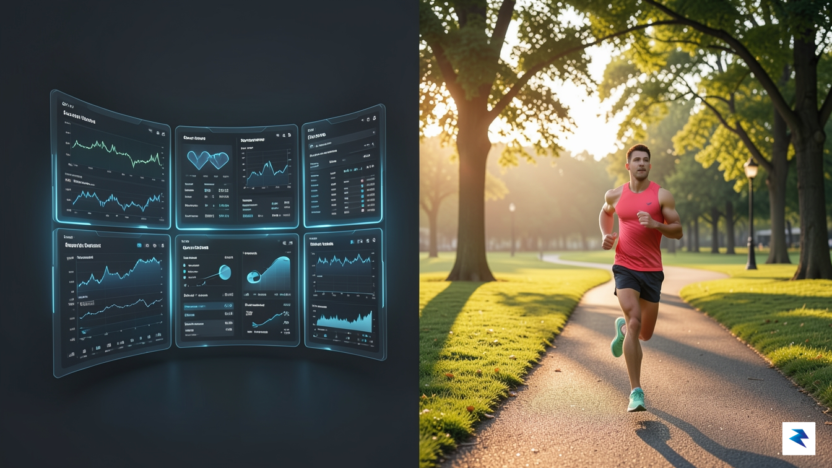

Connor Christou embodied the archetype of the modern, high-achieving entrepreneur. His life was a meticulously curated tapestry of early morning workouts, strategic business decisions, and an unwavering commitment to personal excellence. He was, by all accounts, the “fittest founder in the room,” a testament to his discipline and a living billboard for peak performance. His regimen wasn’t just about physical prowess; it was deeply intertwined with his professional success, fostering the mental clarity and resilience required to navigate the relentless demands of the startup world. Yet, even for someone who seemingly controlled every variable, life has a way of introducing the utterly unpredictable.
The news landed like an unannounced meteor strike: a cancer diagnosis. For a man whose life was defined by proactive measures and optimal outcomes, this was more than just a medical revelation; it was an existential shockwave. The very foundation of his carefully constructed reality, where health was a given and control was paramount, crumbled in an instant. The initial wave of disbelief quickly gave way to a stark confrontation with vulnerability, a foreign concept for someone so accustomed to being in command. This wasn’t a business challenge to be outmaneuvered or a fitness goal to be achieved through sheer will; it was a battle for his very existence, one that threatened to strip him of the agency he so deeply valued.
However, retreating into passive acceptance was never in Connor’s nature. Accustomed to dissecting complex problems and engineering innovative solutions within his professional sphere, he instinctively recoiled from the idea of simply being a patient, a recipient of care. Instead, he began to view his own health crisis through the lens of his strongest professional asset: data. The intricate dance of his physiology, the nuanced reactions to treatments, the vast landscape of medical research – all of it presented itself as an enormous, multi-faceted optimization problem. His challenge wasn’t just to fight cancer; it was to understand the underlying systems, to identify the levers of influence, and to leverage every available piece of information to recalibrate his path to survival, transforming his personal battle into the ultimate data-driven project.
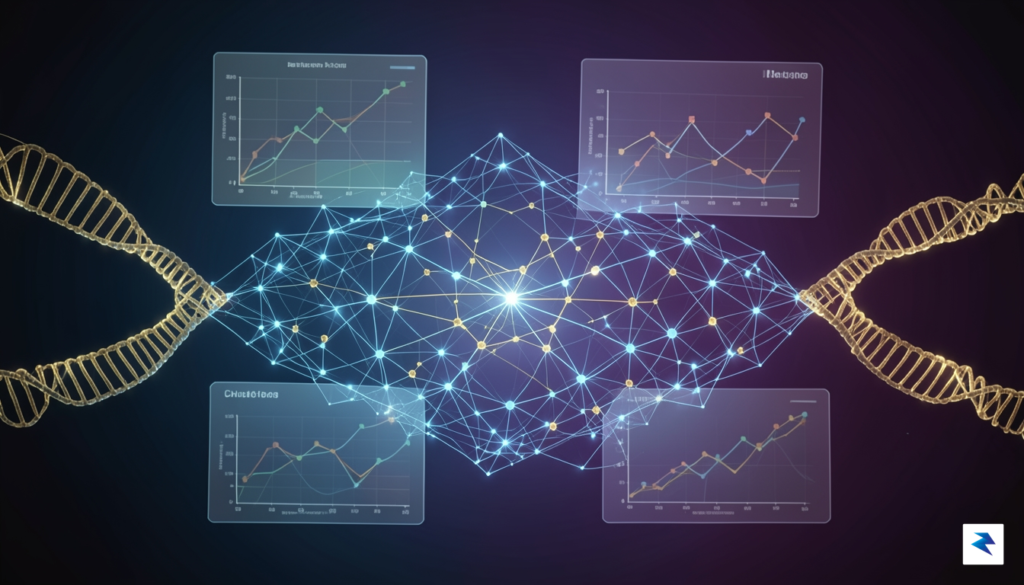
For many navigating a serious health challenge, the sheer volume and complexity of medical information can feel like an insurmountable barrier. Patients often find themselves grappling with dense lab reports, clinical jargon, and a constant stream of data points that, while critical, remain largely inscrutable without expert interpretation. This common struggle was precisely what Christou sought to overcome, not by becoming a medical expert himself, but by leveraging artificial intelligence to bridge the communication and comprehension gap between raw clinical data and actionable personal insight.
His methodology involved a systematic approach to feeding an advanced AI model, Claude, with a comprehensive stream of his personal health metrics. This wasn’t merely about uploading a single document; it was a continuous process of inputting diverse data sets. Precise figures from his regular blood work, detailing everything from white blood cell counts to electrolyte levels and liver enzymes, were meticulously shared with the AI. Alongside these clinical snapshots, the system also ingested continuous biometric data from wearable devices, tracking nuanced trends in heart rate variability, sleep patterns, activity levels, and even stress indicators. Furthermore, detailed textual reports from MRI, CT, and PET scans, often filled with highly specific anatomical descriptions and medical terminology, were also integrated, providing a holistic view of his internal state and the progression of his condition.
The power of the AI then came into play, transforming this disparate collection of raw numbers and complex narratives into a coherent, understandable picture. Instead of simply summarizing, Claude acted as a sophisticated analytical engine, cross-referencing thousands of data points that a human might take days or even weeks to manually connect. For instance, it could identify subtle correlations between a slight elevation in a specific inflammatory marker in his blood work and a concurrent dip in his sleep quality reported by his wearable, or even pinpoint how a particular medication dosage might be influencing a trend in his heart rate variability. The AI effectively translated highly technical medical terminology into clear, accessible language, enabling Christou to grasp the underlying implications of his clinical results without needing a medical degree.
Ultimately, this advanced computational analysis served as a vital “second set of eyes” on his treatment protocol and overall recovery journey. While the AI could not — and was never intended to — replace the expertise of his medical team, it provided Christou with an unprecedented level of insight into his own body’s responses. This empowered him to engage more deeply and effectively with his doctors, posing more informed questions and collaboratively exploring potential adjustments to his diet, exercise, or even medication timing based on the AI’s observed correlations. The synergy between expert human oversight and intelligent machine analysis became the cornerstone of his data-driven approach, transforming a bewildering flood of medical information into a powerful tool for personalized healing.
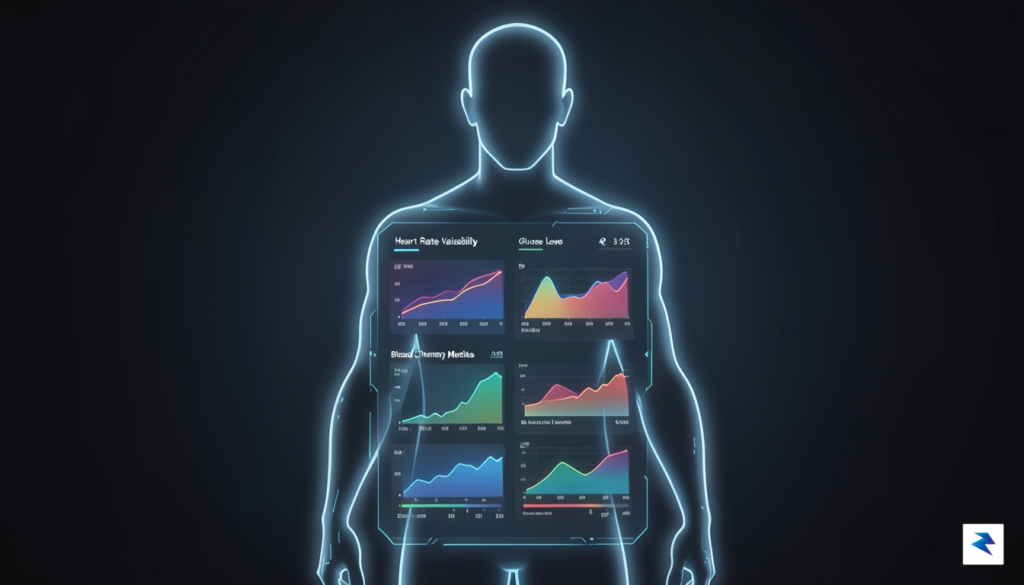
The true turning point in Christou’s recovery strategy was the transition from fragmented health snapshots to a continuous, multidimensional stream of information. In a traditional clinical environment, a patient’s health status is often evaluated through point-in-time metrics—a single blood draw or a brief physical examination once every few months. By integrating high-frequency data from wearable devices like Oura and Whoop with the granular rigor of internal pathology reports, Christou constructed a holistic feedback loop that captures the body’s performance in real-time. This synthesis allows for a panoramic view of physiological stress, recovery markers, and metabolic shifts that are usually invisible to both the physician and the patient during standard checkups.
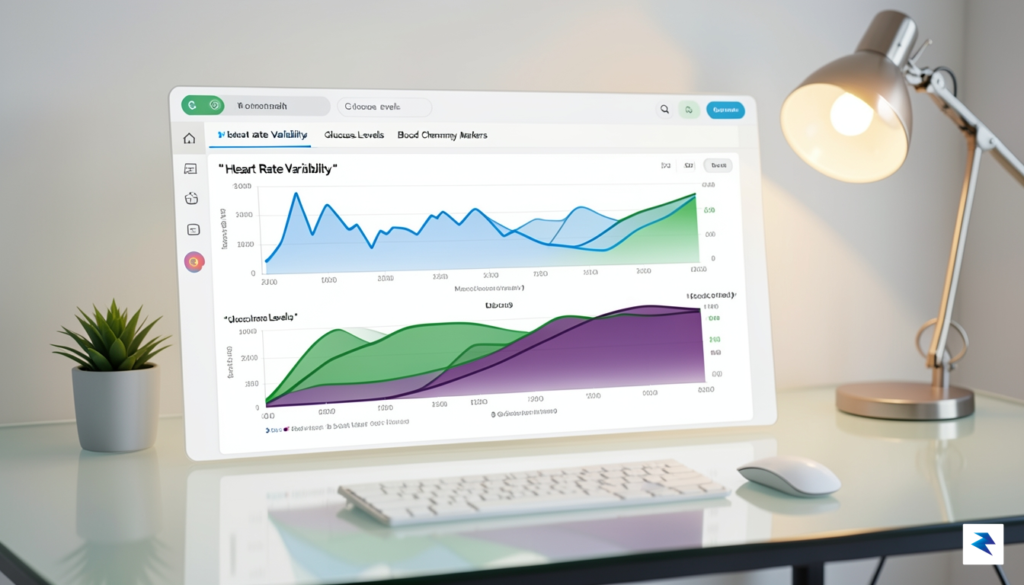
While wearable technology excels at tracking external indicators like resting heart rate, sleep architecture, and respiratory rate, it lacks the chemical depth provided by regular blood panels. Conversely, pathology reports offer vital insights into hormone levels, inflammation markers, and nutritional deficiencies, but they lack the context of daily lifestyle fluctuations. By layering these datasets, Christou was able to identify how specific nutritional interventions or therapeutic treatments directly influenced his internal chemistry over time. This longitudinal approach turns static lab results into a dynamic story, revealing how a dip in deep sleep quality might correlate with a spike in inflammatory markers discovered days later in a blood test.
The power of this multimodal strategy is not in the collection of data points themselves, but in the identification of the subtle, often invisible patterns that exist between them.
The role of artificial intelligence in this process cannot be overstated, as it acts as the analytical engine that sifts through thousands of data points to find correlations that the human eye would inevitably miss. In a fifteen-minute clinical appointment, a doctor rarely has the time to cross-reference three months of sleep data against a complex metabolic panel. AI, however, thrives on this volume of information. It can flag subtle anomalies—such as a trend toward increased cortisol levels that precedes a decline in immune function—allowing for proactive adjustments to a treatment plan rather than reactive ones. By treating the body as a complex system of interconnected inputs and outputs, this founder transformed his recovery from a guessing game into a precise, data-driven science, effectively closing the gap between his daily lived experience and his medical diagnosis.

The most debilitating aspect of a cancer diagnosis is rarely just the physical progression of the disease; rather, it is the profound, overwhelming sense of helplessness that descends the moment a doctor says the word “malignant.” For high-performing founders accustomed to dictating their own outcomes through strategy and grit, the transition into the role of a passive patient can be psychologically shattering. By integrating AI into his treatment plan, Christou managed to reclaim a sense of agency that is frequently stripped away in clinical settings. Instead of merely being a recipient of care, he transformed into an active architect of his own recovery, leveraging data as a tool to bridge the gap between clinical complexity and personal understanding.
Having an AI “co-pilot” during the arduous journey of treatment provides a unique mental health buffer that traditional medical interactions often miss. When an individual is faced with a wall of medical jargon and conflicting treatment options, the brain often enters a state of fight-or-flight, which clouds decision-making and exacerbates anxiety. AI acts as a stabilizing force, synthesizing vast amounts of disparate information into a structured framework that is easier to process. This cognitive scaffolding helps patients manage the emotional weight of their diagnosis by turning abstract, terrifying variables into concrete, manageable data points. It is not about replacing the oncologist’s expertise; it is about providing the patient with the intellectual ammunition needed to ask better questions and feel more present during high-stakes consultations.
The true power of AI in a health crisis is not just in identifying the right treatment, but in providing the patient with the cognitive agency necessary to stay present, rational, and hopeful when the odds feel stacked against them.
Furthermore, the reliance on objective data serves as a powerful antidote to the intrusive, irrational thoughts that often plague those navigating life-threatening illness. Anxiety thrives in the void of the unknown, where the mind is free to catastrophize every minor physical sensation or lab result. By utilizing AI to interpret progress and track markers, Christou could ground his fears in reality rather than speculation. This objective feedback loop effectively lowers the baseline of cortisol production, allowing the patient to focus their limited energy on healing rather than spiraling into existential dread. In this sense, the technology does more than analyze cells; it provides the psychological stability required to endure the long, grueling marathon of recovery.
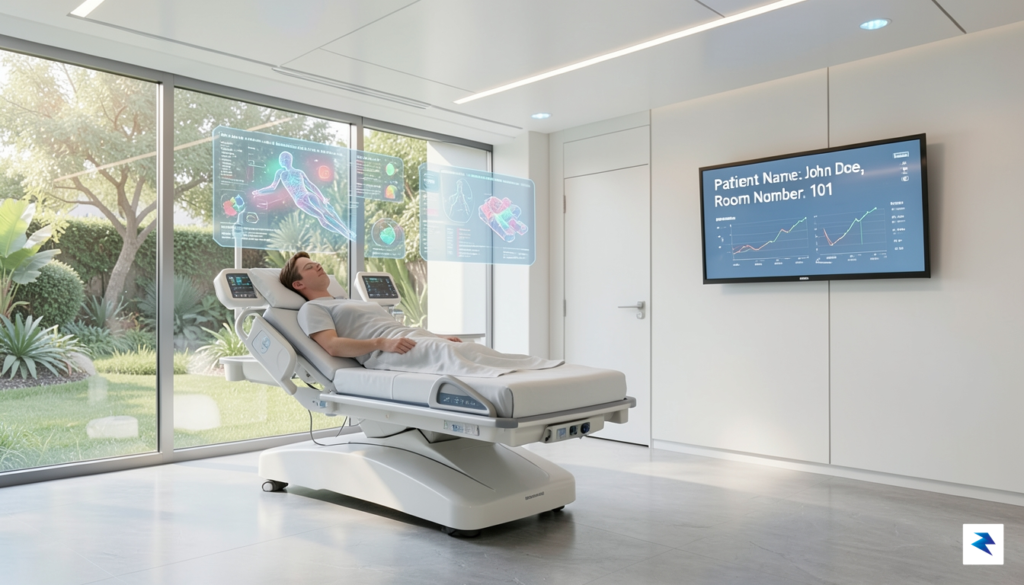
The journey of a patient navigating a complex diagnosis is shifting from a top-down model of clinical instruction to a collaborative, data-driven partnership. We are entering an era where the democratization of medical intelligence empowers individuals to move beyond the role of passive recipient. By leveraging generative AI to synthesize dense clinical literature, interpret complex lab results, and identify potential therapeutic pathways, patients are transforming into the chief architects of their own health ecosystems. This transition suggests that the future of care will not be defined solely by the expertise of the physician, but by the synergy between clinical experience and the patient’s AI-augmented insights.
However, this transition toward patient-led analysis brings significant ethical and practical considerations to the forefront of modern medicine. While the ability to query vast databases of medical knowledge is undeniably powerful, it carries the inherent risk of misinterpretation or the misapplication of data in a clinical context. The integration of AI into the patient experience demands a new standard of digital health literacy, where individuals must be equipped to distinguish between actionable evidence and algorithmic noise. Consequently, the medical community must prepare for a new breed of tech-literate patients who arrive at the exam room not just with symptoms, but with sophisticated, AI-processed inquiries that challenge traditional diagnostic and treatment workflows.
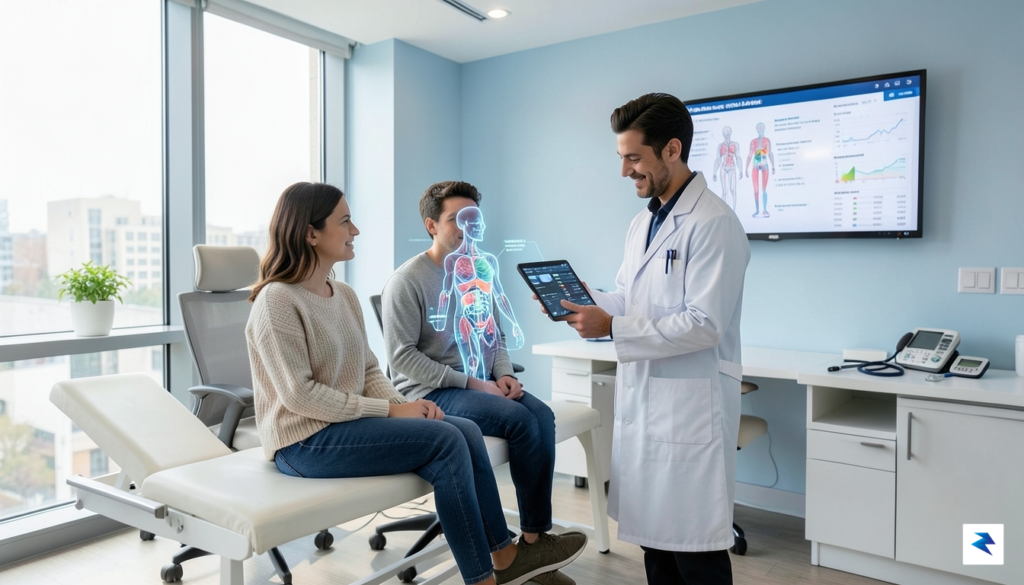
The true potential of AI in healthcare lies not in replacing the physician, but in elevating the patient from a bystander to an informed participant in their own survival.
To adapt to this changing landscape, the healthcare industry must evolve its infrastructure to foster communication rather than defensiveness. Physicians will likely need to adopt an integrative role, acting as medical curators who help patients validate, contextualize, and implement the insights derived from their AI-driven research. This collaborative paradigm requires a structural shift in how appointments are conducted, moving away from purely information-delivery sessions toward high-level strategy meetings. As patients continue to leverage these tools to advocate for their own recovery, the medical profession must rise to meet this curiosity with transparency, fostering an environment where clinical evidence and patient-led analysis work in tandem to optimize outcomes.
Ultimately, the precedent set by those who use advanced technology to navigate their own recovery serves as a blueprint for the future of personalized medicine. As these tools become more accessible and intuitive, we should expect a broader shift in health policy and institutional practice to accommodate the ‘prosumer’ of healthcare—a patient who is deeply invested in the technical nuances of their treatment plan. By embracing this evolution, the medical establishment can harness the full potential of patient empowerment, ensuring that the next generation of care is as personalized, proactive, and resilient as the people it is designed to protect.
You must be logged in to post a comment.