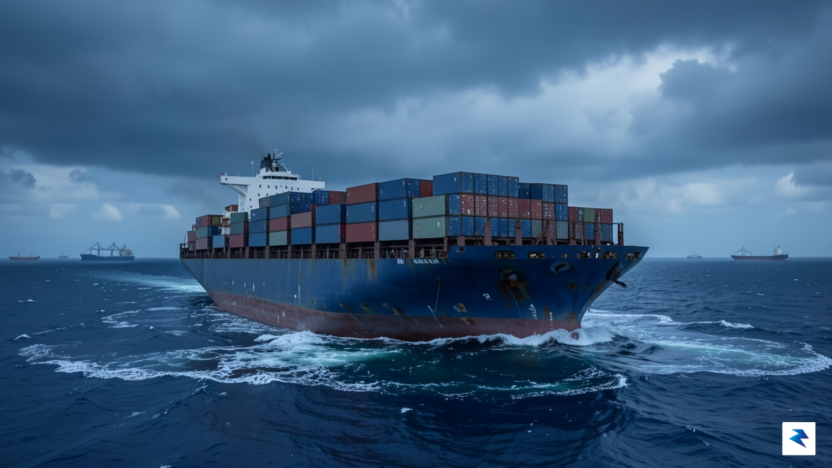
The Strategic Importance of the Strait of Hormuz
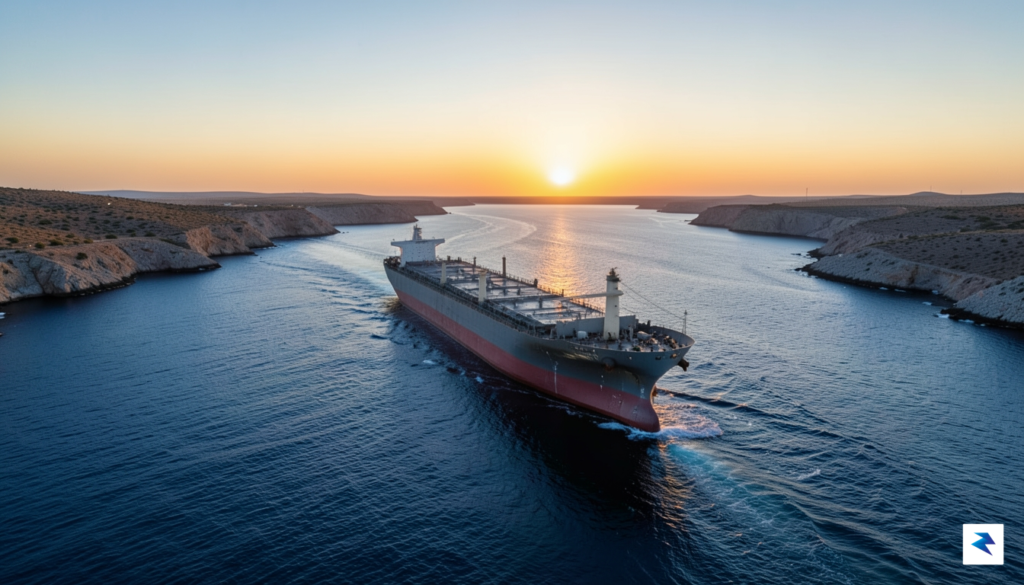
Stretching just 21 miles at its narrowest point, the Strait of Hormuz serves as the world’s most consequential maritime chokepoint. Positioned between Oman and Iran, this narrow passage acts as the singular gateway for the vast majority of crude oil and liquefied natural gas (LNG) exiting the Persian Gulf. Every single day, approximately one-fifth of the world’s total petroleum consumption—roughly 20 to 21 million barrels—traverses these waters. When one considers the sheer volume of energy products flowing through this corridor, it becomes clear that any disruption here is not merely a regional concern; it is a direct threat to the stability of the global economy and the price of fuel at pumps across every continent.
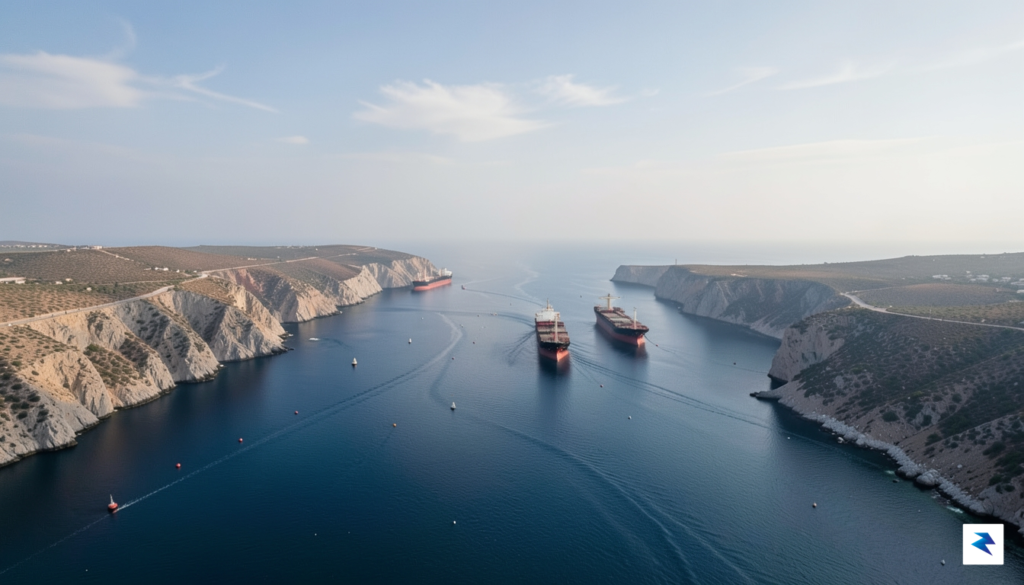
The geography of the Strait makes it inherently vulnerable to geopolitical tension. Because the shipping lanes are restricted, vessels are forced to navigate through specific, predictable paths that pass close to territorial waters. This concentration of traffic is what defines a “chokepoint” in maritime logistics; it creates a scenario where a small number of incidents or military posturing can effectively paralyze the flow of goods. Historically, the global shipping industry has accepted these risks as a necessary cost of doing business, relying on the Strait’s efficiency to connect Middle Eastern producers with major markets in Asia, Europe, and the Americas. For decades, the international community has operated under the assumption that this vital artery would remain open, yet the recent surge in strikes has forced a painful reassessment of this reliance.
“The Strait of Hormuz is the world’s most important oil chokepoint because of the large volumes of oil that flow through it. The disruption of oil transit through the Strait could lead to substantial increases in total energy prices and supply disruptions worldwide.”
Beyond oil and gas, the Strait is a critical artery for a wide range of global commodities and manufactured goods. The infrastructure surrounding this passage—including deep-water ports and massive tanker fleets—has been painstakingly built over half a century to maximize the efficiency of energy transit. Despite the persistent history of regional volatility, shipping companies have continuously favored this route because no viable alternative exists that can handle the sheer scale of current demand. However, as renewed strikes threaten to break the fragile recovery of international trade, the world is once again reminded that the global economy is balanced on the razor’s edge of this narrow waterway. When this passage is under threat, the ripple effects are felt instantly in industrial output, energy security, and the inflationary pressures that dictate the health of the modern financial system.
The Anatomy of Recent Maritime Disruptions
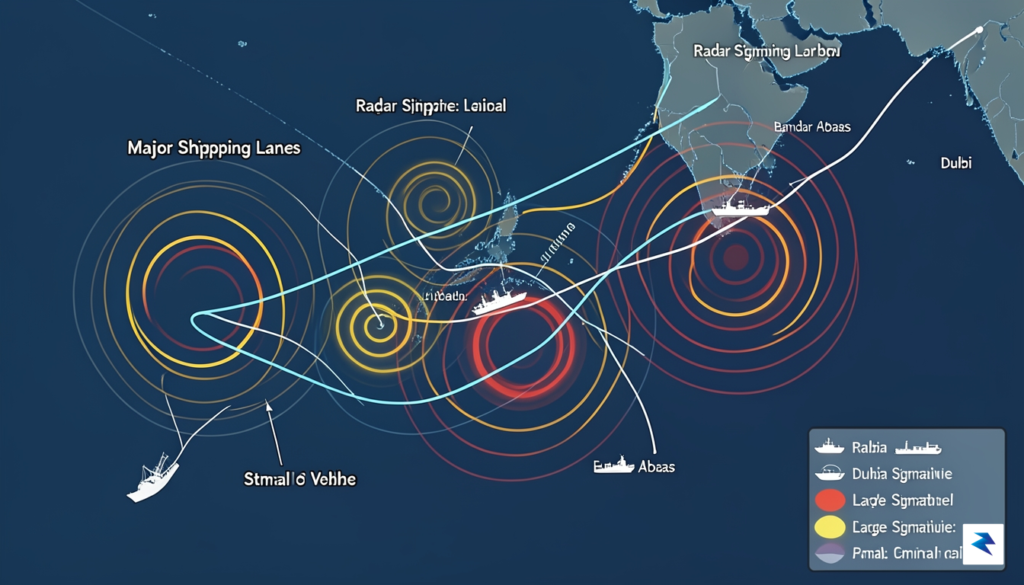
For several months, the global shipping industry had been cautiously optimistic, observing a steady stabilization of traffic patterns through the Strait of Hormuz following a period of intense turbulence. After hitting a low point early in the year, shipping volumes had begun to climb, suggesting that logistical networks were successfully adapting to the heightened security environment. However, this fragile sense of normalcy has been abruptly shattered by a series of renewed strikes. These incidents have not only disrupted the immediate flow of goods but have also fundamentally altered the risk calculus for major shipping conglomerates, essentially erasing the incremental gains achieved over the previous quarter.
The timeline of these recent incursions reveals a calculated shift in tactical aggression that targets the very arteries of global energy distribution. Whereas earlier incidents were often isolated or sporadic, the current wave of activity demonstrates a more sustained pattern, forcing vessels to linger in high-risk zones or divert entirely. When comparing current traffic volumes against the peaks recorded just a few months ago, the data paints a stark picture: transit numbers have retracted significantly, mirroring the uncertainty that characterized the earlier months of the year. This regression highlights how quickly market confidence can evaporate when the threat of kinetic action becomes a persistent, rather than occasional, operational reality.
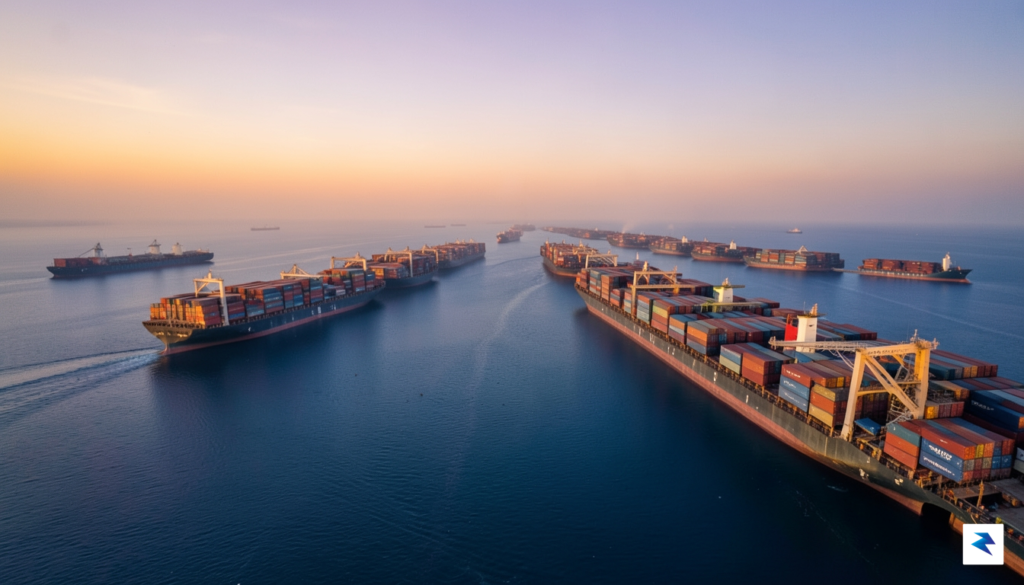
Operational challenges for shipping companies have reached a critical threshold as they attempt to balance the necessity of global trade with the safety of their crews. When routes are actively targeted, companies are forced to implement costly mitigation strategies, including the hiring of private security details, the adoption of circuitous and time-consuming rerouting, and the purchase of exorbitant war-risk insurance premiums. These financial burdens are inevitably passed down the supply chain, contributing to inflationary pressures that ripple far beyond the immediate region. Furthermore, the psychological strain on mariners navigating these volatile chokepoints cannot be overstated, as the threat of sudden strikes transforms routine transit into a high-stakes tactical mission.
The resurgence of maritime volatility underscores a precarious reality: the path to recovery in strategic waterways is rarely linear, and systemic stability remains tethered to the shifting tides of regional security.
Ultimately, the current instability is testing the resilience of global logistical chains that were already operating at maximum capacity. As shipping lines grapple with the impossibility of predicting the next strike, the industry is bracing for a period of extended stagnation. The recovery that appeared so promising just weeks ago now looks like a temporary reprieve, leaving stakeholders to wonder whether the Strait of Hormuz will remain a viable conduit for international commerce or if it will solidify into a long-term bottleneck that permanently reshapes global trade routes.
Economic Ripple Effects on Global Supply Chains
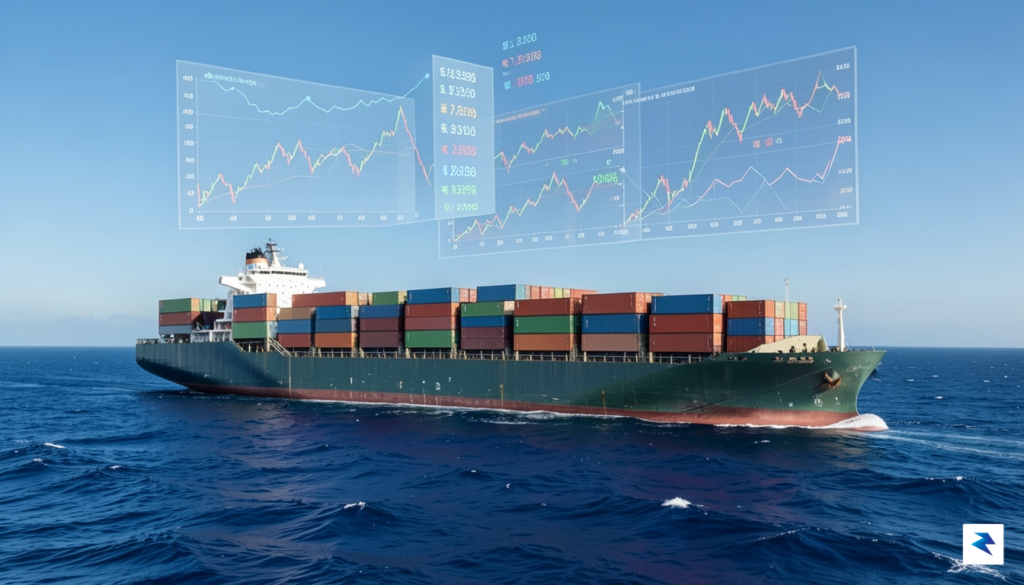
The Strait of Hormuz serves as a critical artery for the global economy, acting as the primary transit point for a significant percentage of the world’s seaborne oil and liquefied natural gas. When security in this narrow waterway is compromised, the tremors are felt far beyond the Middle East, manifesting immediately in the form of soaring insurance premiums. Marine underwriters, operating with a keen eye for risk, have begun to recalibrate their policies, classifying the region as a high-risk zone. Consequently, shipowners are forced to pay exorbitant “war risk” surcharges just to navigate these waters. These additional costs are rarely absorbed by the shipping lines themselves; instead, they are passed down the line, ultimately inflating the operational overhead for every entity involved in the movement of goods.
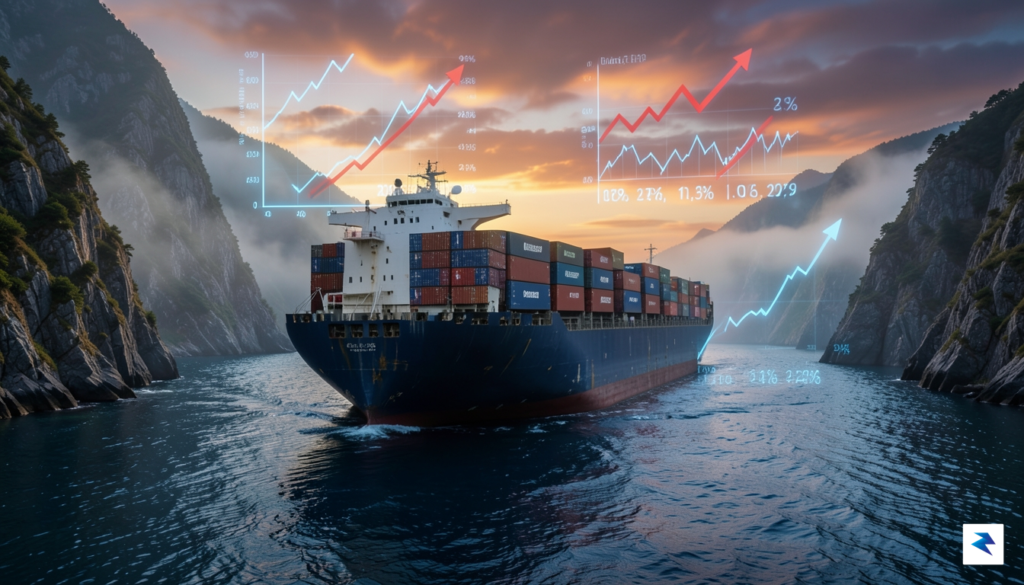
Beyond the direct surge in insurance premiums, the region is witnessing a cautious “wait and see” approach from major international carriers. Faced with the unpredictable nature of regional strikes, many shipping companies are opting to delay departures or reroute vessels entirely to avoid the risk of confiscation or damage. While these security measures are understandable from a risk-management perspective, they create a devastating bottleneck in the global supply chain. When a fleet is held back, inventory levels at major destination ports begin to dwindle, leading to a scramble for space on available vessels. This scarcity drives up spot rates for shipping containers, creating a cascade effect where the landed cost of raw materials, electronics, and even perishable goods climbs steadily higher.
The true cost of regional instability is rarely found at the port of origin; it is realized at the checkout counter, where every delay in the chain compounds into a tangible increase in consumer prices.
This inflationary pressure is further exacerbated by the volatile nature of fuel costs, which remain intrinsically linked to the stability of the Strait of Hormuz. Because this waterway facilitates the movement of such a vast portion of the global energy supply, any perception of a supply disruption triggers an immediate spike in crude oil futures. As bunker fuel prices rise, the cost of powering long-haul cargo ships becomes significantly more expensive, forcing logistics providers to implement fuel surcharges across the board. For the average consumer, this translates to higher prices for everything from household staples to manufactured goods. The integration of global markets means that what happens in a narrow stretch of water thousands of miles away is no longer a localized issue; it is a fundamental driver of the inflationary environment that households worldwide are currently navigating.
Geopolitical Tensions and the Energy Market Paradox
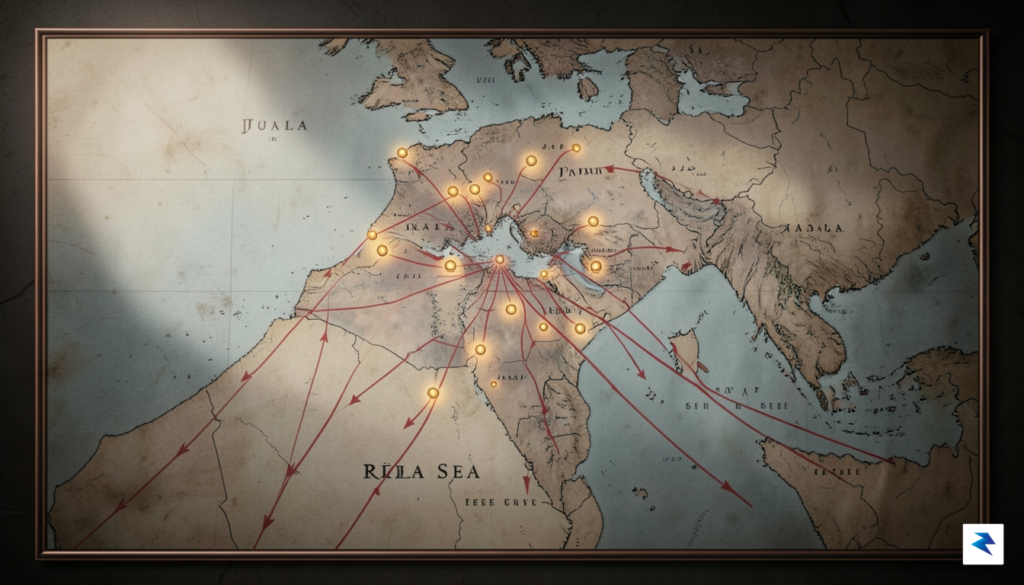
The recent surge in maritime hostilities within the Strait of Hormuz is far from an isolated series of security incidents; rather, it acts as a volatile barometer for the intensifying friction between Washington and Tehran. For decades, this narrow waterway has served as the ultimate geopolitical chessboard, where diplomatic stalemates over nuclear proliferation and regional influence are frequently played out through proxy maneuvers and naval posturing. As the United States continues to enforce rigorous sanctions aimed at curbing Iranian regional activities, the maritime environment has become a tactical theater for retaliation. By targeting commercial vessels, actors aligned with Tehran are effectively demonstrating their capacity to disrupt the lifeblood of the global economy, turning energy transit into a potent bargaining chip in a high-stakes diplomatic standoff that shows no signs of cooling.
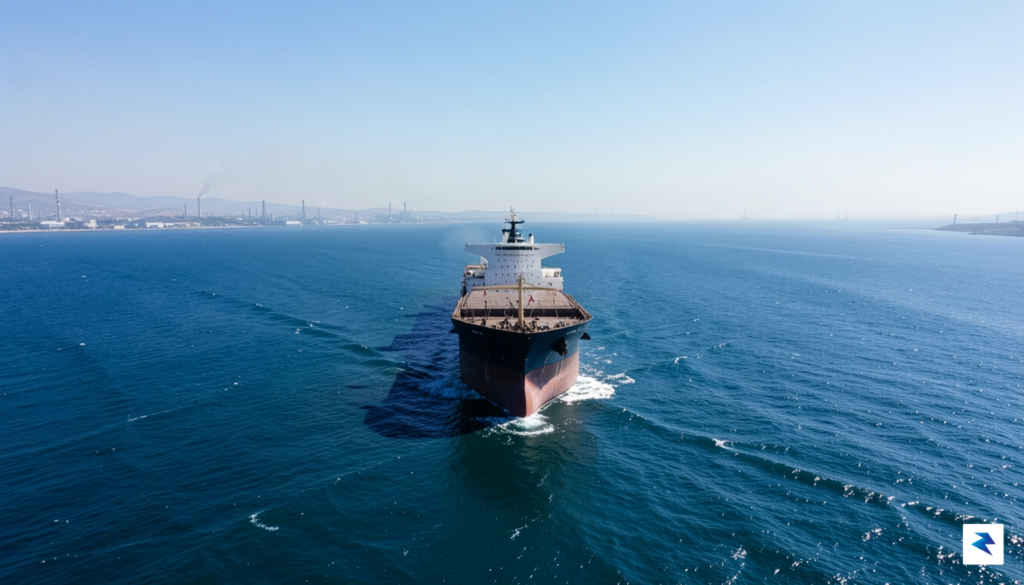
This reality creates a profound market paradox that analysts have long struggled to reconcile: despite the clear and present danger to infrastructure, the global economy remains tethered to this specific maritime bottleneck. While the world has made strides toward diversifying energy sources and investing in renewable infrastructure, the reality is that a significant percentage of the world’s liquid natural gas and crude oil still passes through this transit point every single day. Markets react with immediate, jittery volatility to even the slightest whisper of conflict, driving up insurance premiums and freight costs, yet the reliance on the route persists because there are no viable, cost-effective alternatives at scale. Investors and energy conglomerates find themselves in a precarious position, forced to balance the inherent risks of regional instability against the absolute necessity of maintaining supply chains that keep the modern world functioning.
The persistence of the Strait of Hormuz as a primary energy artery is a testament to the global economy’s stubborn reliance on traditional infrastructure, even when that infrastructure is held hostage by the whims of regional geopolitical maneuvering.
Ultimately, the intersection of these forces highlights a fragile equilibrium. As long as the U.S. and Iran remain locked in a cycle of economic pressure and strategic defiance, the Strait will remain a flashpoint where a single miscalculation could trigger a broader crisis. Market participants are learning that “recovery” in the shipping sector is not merely a matter of post-pandemic demand or operational efficiency; it is inextricably linked to the unpredictable currents of international diplomacy. Until a sustainable framework for regional security is established, the shipping industry will continue to operate under a cloud of uncertainty, where the stability of global energy prices depends as much on the outcome of backchannel negotiations as it does on the movement of global commodity markets.
Navigating Future Risks: The Path Forward for Global Shipping

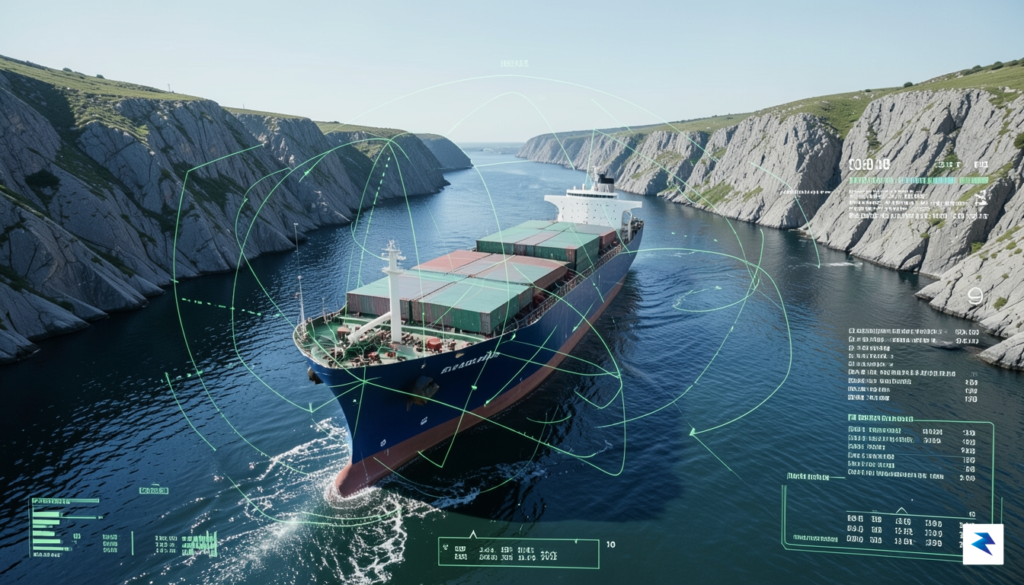
To survive in an era defined by persistent maritime insecurity, the global shipping industry must shift from reactive crisis management to a proactive posture rooted in high-tech resilience. The reliance on traditional, manual monitoring is increasingly insufficient as threats become more sophisticated and unpredictable. Integrating advanced satellite tracking and real-time data analytics is no longer a luxury but a fundamental requirement for fleet operators. By leveraging AI-driven predictive modeling, shipping companies can now identify emerging patterns in regional volatility, allowing vessels to adjust routes or increase speed well before an incident occurs. Furthermore, the deployment of autonomous security escorts—unmanned aerial and surface vehicles capable of early threat detection—offers a promising layer of defense that minimizes human risk while providing a constant, vigilant presence in contested waters.
Beyond hardware and digital infrastructure, the maritime sector must fundamentally rethink its supply chain architecture to enhance long-term resilience. The days of relying solely on the “just-in-time” delivery model are being challenged by the reality of systemic instability in critical chokepoints like the Strait of Hormuz. Companies are increasingly diversifying their logistics networks, incorporating “near-shoring” or “friend-shoring” strategies that reduce the dependency on singular, high-risk transit routes. By decentralizing storage facilities and maintaining larger buffer stocks in geographically secure zones, stakeholders can better absorb the shock of temporary shipping closures. This transition toward a more distributed supply chain ensures that even if one artery of global trade is temporarily severed, the broader flow of essential goods can be rerouted with minimal disruption to the end consumer.
“True maritime security in the 21st century cannot be maintained by hardware alone; it requires a synchronized blend of technological vigilance, strategic supply chain diversification, and unwavering diplomatic engagement.”
Ultimately, however, no amount of technology or logistical planning can serve as a complete substitute for sustained diplomatic stability. Maritime security is fundamentally a geopolitical challenge that requires multi-national cooperation to ensure the freedom of navigation. Industry leaders must engage in more robust advocacy, pushing for international frameworks that prioritize the protection of commercial vessels as neutral entities in regional conflicts. By fostering stronger communication channels between naval authorities and private shipping lines, the international community can create an environment where transparency reduces the risk of miscalculation. Long-term stability depends on a concerted effort to treat the security of these vital maritime corridors as a global public good, rather than a localized struggle, ensuring that the lifeblood of the global economy continues to flow without the looming shadow of constant interruption.