The Reality Behind the Xbox Series X Price Hike
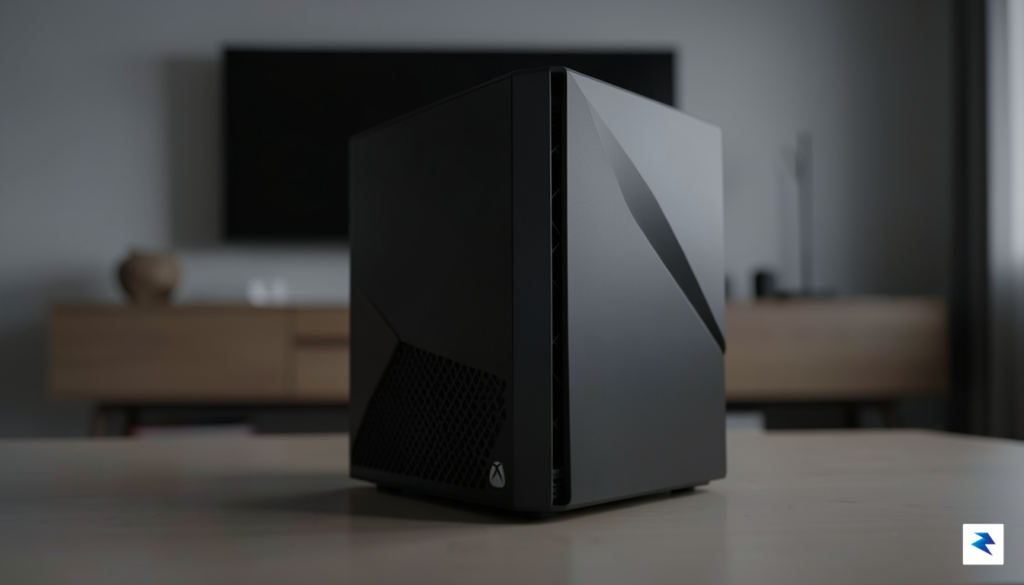
The gaming landscape has been jolted by Microsoft’s recent announcement regarding its flagship hardware, as the Xbox Series X sees a significant price adjustment, pushing its retail cost to $800 in the United States. This move marks a departure from the traditional lifecycle expectations for game consoles, which typically see prices decline or remain stagnant as manufacturing processes mature and become more efficient over time. Instead, consumers are now facing a premium price point for hardware that has already been on the market for several years, signaling a profound shift in how tech giants navigate the volatile economics of consumer electronics.
At the heart of this decision, according to Microsoft’s official communications, is the escalating expense associated with core hardware components, specifically high-speed memory and advanced storage solutions. The company has pointed directly to the tightening supply chains and the increased market valuation of the specialized silicon required to power the Series X’s performance targets. While casual observers might expect these costs to diminish as production scales, Microsoft suggests that the specific architecture of the console requires components that are currently subject to inflationary pressures, making it unsustainable to maintain previous price points without compromising on the quality or the availability of the units themselves.
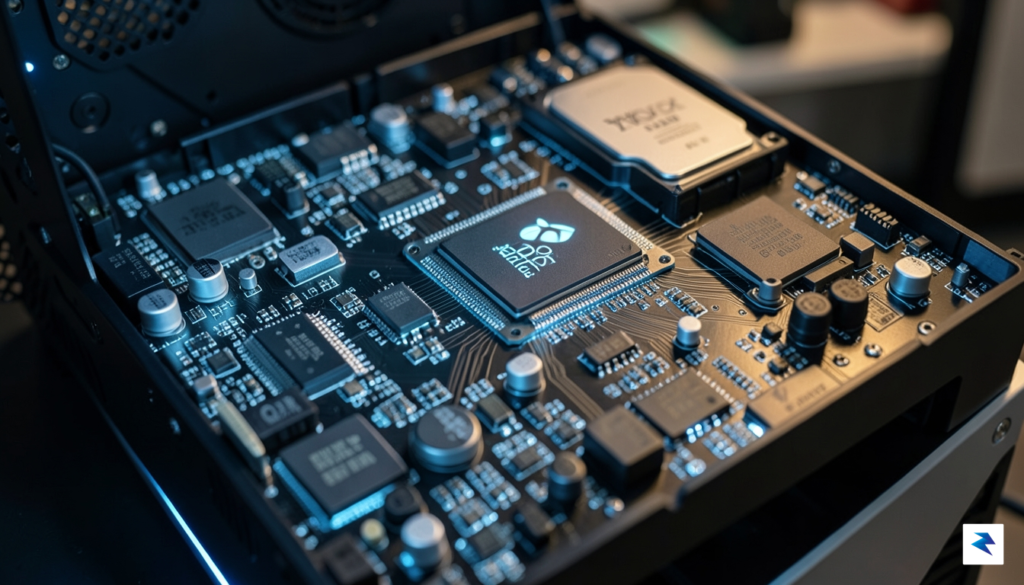
The decision to adjust pricing reflects a broader industry challenge: the rising cost of high-performance hardware components that are essential for maintaining the competitive fidelity of modern gaming consoles in a supply-constrained global market.
It is worth noting that implementing a price hike at this stage of a console’s lifecycle is highly unconventional, as manufacturers usually prioritize market penetration and user base growth during the middle years of a generation. Typically, companies leverage economies of scale to lower costs, but the current manufacturing environment has forced a pivot toward defensive fiscal strategies. By elevating the price to $800, Microsoft is effectively acknowledging that the era of inexpensive, subsidized console hardware is being heavily challenged by the realities of global semiconductor logistics. This shift underscores a new reality where hardware manufacturers are increasingly prioritizing margin protection over aggressive pricing strategies, even when doing so risks alienating a portion of their core enthusiast audience.
Ultimately, this price adjustment serves as a barometer for the health of the broader hardware supply chain. It highlights that even industry titans are not immune to the pressures of rising component costs, and the ripple effects are being passed directly to the consumer. Whether this will lead to a long-term change in how gaming hardware is priced or if it remains a temporary reaction to current inflationary cycles remains to be seen, but for now, the Xbox Series X stands as a case study in the precarious balance between high-end performance and the harsh economics of modern manufacturing.
Understanding the Global Semiconductor and Memory Market

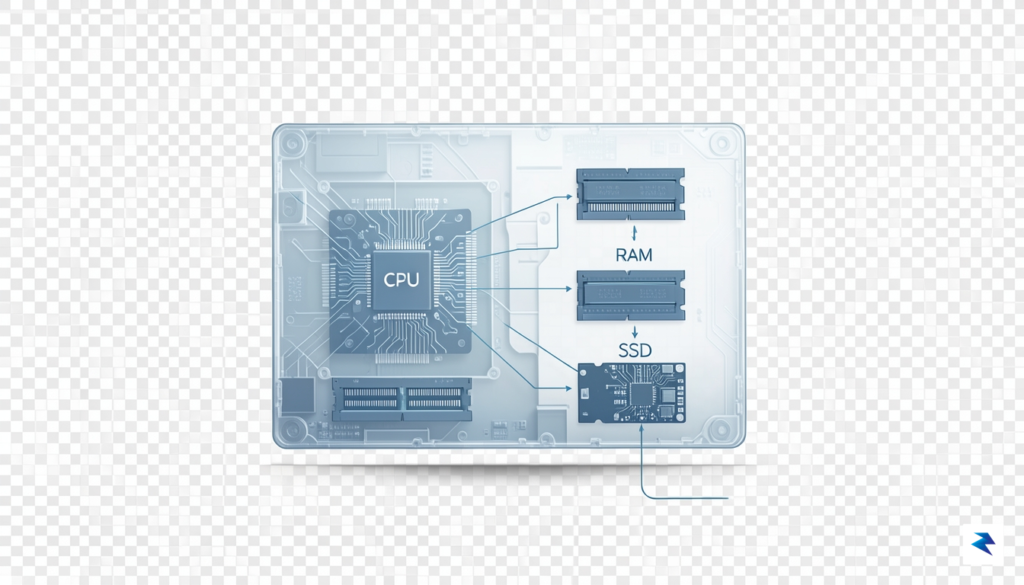
To grasp why a console released several years ago is suddenly commanding a higher price tag, one must look beyond the retail shelf and into the volatile engine of the global semiconductor market. At the heart of machines like the Xbox Series X are two critical components: DRAM, which functions as the console’s high-speed working memory, and NAND flash, which powers the ultra-fast solid-state drives (SSDs) that have redefined modern gaming load times. These components are not static commodities; they are subject to massive supply chain dependencies that have shifted dramatically since the current generation of hardware first debuted. As global trade dynamics fluctuate and raw material scarcity impacts manufacturers, the cost to procure these essential silicon building blocks has become increasingly unpredictable.

The situation is further complicated by intense competition from sectors that did not occupy the same space just a few years ago. The explosive rise of generative AI and the rapid expansion of hyperscale data centers have created a voracious appetite for high-performance memory. Because these industries are often willing to pay a premium to secure the latest GDDR6 memory and high-capacity storage modules, gaming hardware manufacturers find themselves bidding against massive tech conglomerates for the exact same limited supply. When demand for silicon in the AI sector spikes, it creates a “crowding out” effect that forces the cost of memory components to climb, eventually trickling down to the consumer level.
The semiconductor industry operates on a razor-thin balance of global logistics, where a shortage in one specialized raw material—such as neon gas or ultra-pure silicon wafers—can trigger a cascade of price hikes across the entire electronics ecosystem.
Furthermore, the manufacturing process for these high-speed memory modules is incredibly delicate and time-consuming, leaving little room for sudden increases in production volume. When global events disrupt logistics or mineral mining, it can take months or even years for supply chains to recalibrate, meaning that price increases are rarely temporary blips. For a console manufacturer, this creates a difficult dilemma: they must either absorb these rising costs and see their profit margins vanish, or adjust the retail price to reflect the new economic reality of hardware production. Ultimately, the upward pressure on Xbox pricing is a direct reflection of a global market where high-performance computing power has become one of the most sought-after resources on the planet.
How Rising Component Costs Impact Consumer Hardware
For decades, the gaming industry has relied on a strategic gamble known as the “loss-leader” model. Under this economic framework, companies like Microsoft, Sony, and Nintendo intentionally price their hardware at or below the cost of manufacturing. The logic is straightforward: by placing a high-performance console into as many living rooms as possible, the manufacturer creates an expansive ecosystem where long-term revenue is generated through software sales, digital subscriptions like Game Pass, and peripheral accessories. This delicate balance has historically allowed for cutting-edge technology to reach consumers at an accessible price point, effectively subsidizing the initial hardware investment with the promise of recurring downstream profits.
However, the global economic landscape has shifted dramatically, placing unprecedented strain on these profit margins. As inflation drives up the price of raw materials—specifically the complex semiconductors and high-speed memory modules required for modern consoles—the cost of producing each unit has climbed steadily. When the overhead for logistics, labor, and specialized components rises simultaneously, the traditional margins that companies once relied on are effectively eroded. Microsoft, like its competitors, finds itself in a position where the financial gap between the cost of assembly and the retail price has become too wide to sustain without significant internal losses.
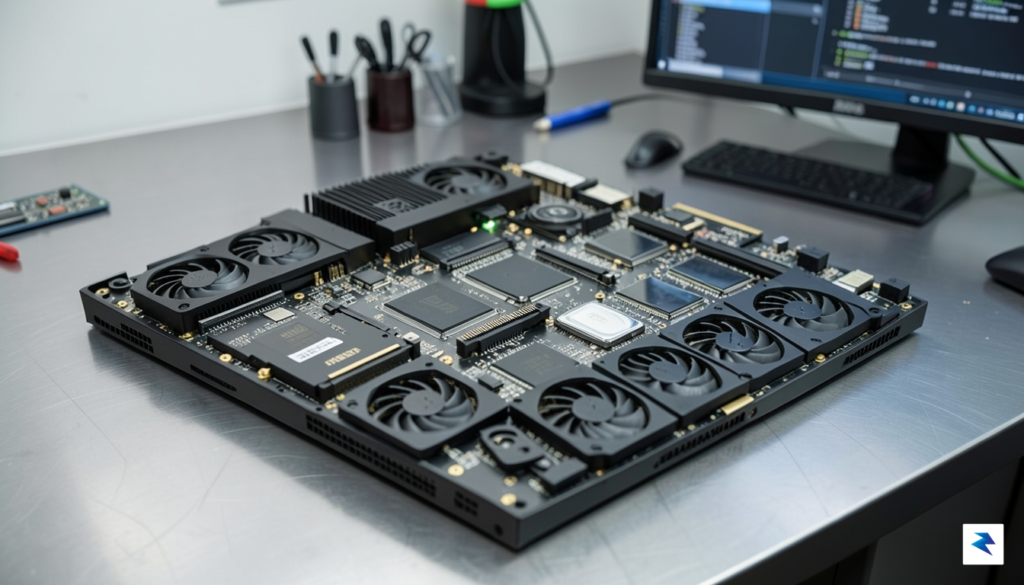
The transition from a subsidization strategy to a price-adjustment model represents a fundamental shift in how tech giants view the consumer hardware lifecycle.
Choosing to raise prices is rarely a decision taken lightly, as it carries the inherent risk of cooling consumer demand and slowing the adoption rate of a new console generation. Nevertheless, Microsoft’s decision to increase pricing reflects a move toward fiscal sustainability in an era where component costs no longer follow the predictable, downward-trending price curves of the past. By shifting some of that financial burden back to the consumer, the company is attempting to safeguard its ability to continue investing in platform development and high-quality game production. Ultimately, this move signals that the era of aggressive hardware subsidization is reaching a plateau, forcing a new reality where hardware must stand on its own merits as a profitable commodity rather than merely acting as a gateway to service-based revenue.
- Semiconductor Scarcity: The ongoing fluctuation in chip availability continues to drive up the base cost of console logic boards.
- Logistical Overhead: Increased global freight and distribution costs have added a permanent layer of expense to the retail price of consumer electronics.
- Memory Costs: As games grow in visual complexity, the requirement for high-bandwidth, high-capacity memory has forced hardware manufacturers to pay a premium for specialized storage solutions.
The Shift Toward Subscription-Based Gaming Economics
The recent adjustments in hardware pricing highlight a deliberate pivot in Microsoft’s broader strategy, signaling that the console is no longer the primary endpoint of the gaming experience. Instead, the Xbox Series X is increasingly marketed as a high-end gateway into the expansive Game Pass ecosystem. By increasing the cost of entry for premium hardware, Microsoft is effectively nudging consumers to view their subscription fees as the primary investment, while the console itself serves as a reliable, albeit more expensive, vessel for accessing a rotating library of digital content. This transition marks a fundamental shift in gaming economics, where the value proposition is migrating away from the physical box on the shelf and toward the cloud-integrated services that define the modern player’s lifestyle.
As the price of high-performance hardware continues to climb, consumer behavior is likely to bifurcate in response to these fiscal pressures. For the casual or budget-conscious player, the allure of the Xbox Series S—or even cloud gaming via smart TVs and mobile devices—becomes significantly more compelling. By offering these lower-cost alternatives, Microsoft ensures that users remain locked into the subscription ecosystem even if they are priced out of the flagship console. This strategy creates a tiered entry system where the barrier to entry for the software library remains low, while the premium hardware is reserved for those who prioritize maximum graphical fidelity and physical media capabilities.
The core of Microsoft’s long-term vision lies in service ubiquity, where the hardware is merely a vehicle to deliver a persistent, subscription-based entertainment experience.
Ultimately, this pricing strategy forces a difficult question for the gaming community: does it still make sense to purchase expensive, top-tier hardware if the vast majority of one’s time is spent within a subscription service? Many players may find that the value of their monthly subscription outweighs the need for the latest console iteration, leading to a longer hardware lifecycle and a diminished emphasis on traditional console generations. However, for the core enthusiast, the hardware remains an essential piece of the puzzle, providing the necessary horsepower to support the high-fidelity experiences that Game Pass provides. As these economic shifts continue to unfold, the industry is moving toward a future where the hardware is subsidized by service loyalty, fundamentally changing the relationship between the player and their gaming machine.
Is the Xbox Series X Still a Value Proposition?

As the price point for the flagship Xbox Series X climbs toward the $800 threshold, the conversation surrounding its value proposition has shifted from a discussion of accessibility to one of premium investment. For many, the console remains a powerhouse of engineering, boasting a custom NVMe SSD, ray-tracing capabilities, and a seamless ecosystem that bridges four generations of gaming. Features like Quick Resume—which allows players to swap between multiple titles in seconds—and the platform’s robust backward compatibility continue to offer a level of convenience that is difficult to replicate on other systems. However, as the initial novelty of the generation fades, buyers must carefully weigh these high-end features against the reality of a market where mid-range PC components are becoming increasingly competitive in terms of price-to-performance ratios.
The current gaming library plays a pivotal role in this decision-making process. Xbox Game Pass remains the “killer app” for the ecosystem, providing an unparalleled library of day-one releases and legacy titles that arguably offsets the higher hardware cost over time. If you are a player who thrives on variety and wants to explore a vast catalog without purchasing individual $70 titles, the console still provides significant long-term savings. Conversely, for those who primarily play a handful of massive service-based games, the argument for investing in high-end hardware becomes more tenuous. You must ask yourself whether you are paying for the horsepower to play the latest titles or merely for the convenience of a standardized console experience.
The value of the Series X is no longer tied solely to its raw clock speed, but rather to the breadth of the ecosystem it grants access to through services like Game Pass and Smart Delivery.
Ultimately, the decision to purchase comes down to your specific gaming profile and financial flexibility. Those who are currently sitting on older hardware, such as an original Xbox One, will find the jump to the Series X to be a generational leap that justifies the price hike through improved load times, frame rates, and visual fidelity. For these gamers, the upgrade is a clear enhancement to their daily entertainment. However, if you already own a Series S or a high-end PC, the current price increase makes it prudent to wait. With rumors of mid-generation hardware refreshes or potential holiday bundles on the horizon, patience may yield better value than an immediate purchase in a volatile market.
- Buy now if: You are upgrading from an older generation and want a long-term “all-in-one” entertainment hub supported by Game Pass.
- Wait if: You already have current-gen hardware or a PC, as waiting for potential price drops or hardware revisions could save you significant capital.
- Consider alternatives: If the $800 price tag feels prohibitive, evaluate whether a lower-cost entry point or a transition to cloud gaming might better suit your current budget.