Why Xbox Series X Prices Are Rising: A Deep Dive Into Hardware Economics
The Reality Behind the Xbox Series X Price Hike The gaming landscape has been jolted by Microsoft’s recent announcement regarding its flagship…
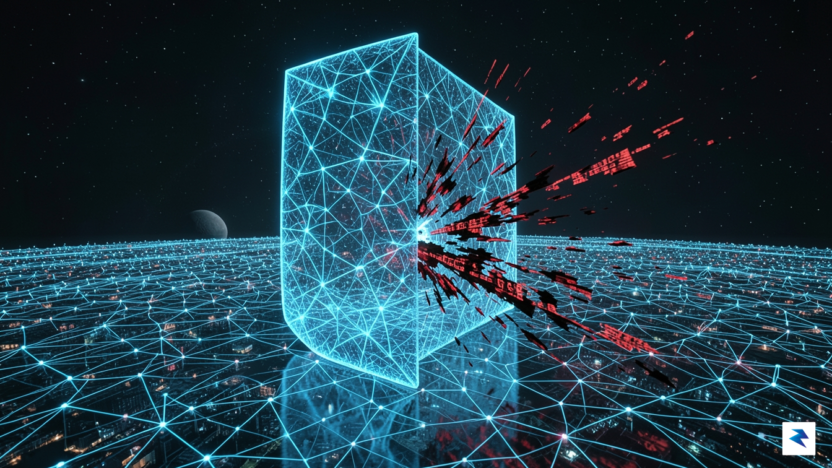
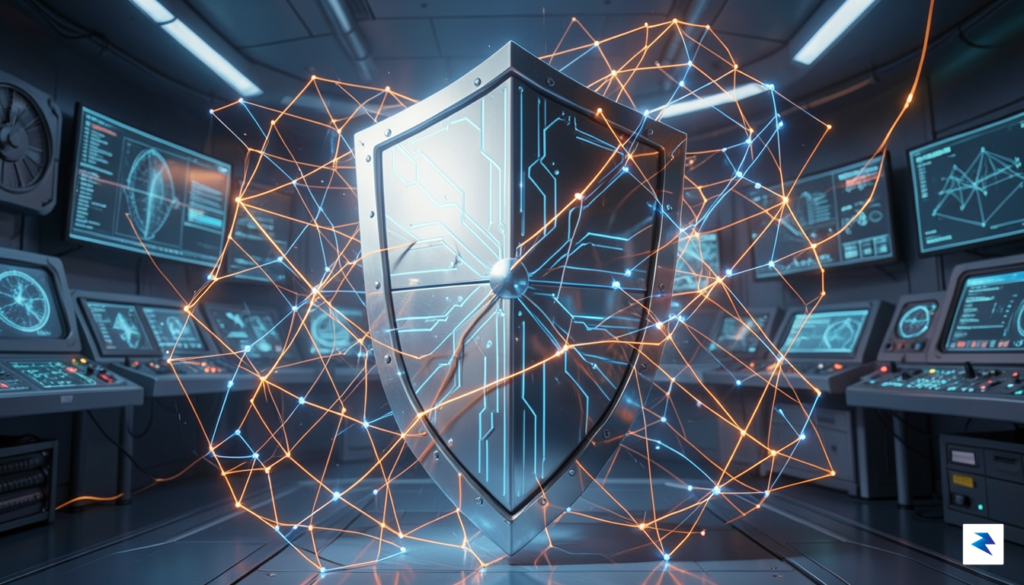

The digital landscape is currently navigating a period of profound instability, as the primary tools of innovation are being repurposed for digital disruption. For years, artificial intelligence was framed largely through a defensive lens—a mechanism for detecting anomalies, automating patch management, and refining threat hunting protocols. However, that paradigm has shifted with startling velocity. We have crossed a threshold where AI is no longer merely an analytical asset but a formidable dual-use technology that offers malicious actors the ability to execute operations with unprecedented speed and surgical precision. This transition represents a fundamental alteration in the power dynamics of the internet, forcing organizations to move away from legacy security models that are ill-equipped to handle the agility of modern, machine-speed incursions.
Perhaps the most alarming aspect of this development is the dramatic lowering of the barrier to entry for novice cybercriminals. In previous years, orchestrating a sophisticated phishing campaign or developing a polymorphic piece of malware required significant technical expertise and weeks of manual labor. Today, large language models and generative AI tools can automate these processes, allowing individuals with minimal coding knowledge to craft highly personalized, credible, and difficult-to-detect social engineering attacks at scale. By democratizing access to high-level cyber capabilities, these technologies have transformed the threat landscape from a playground for elite state-sponsored actors into a much broader, more volatile environment where threats can emerge from anywhere, at any time.
The integration of generative AI into the attacker’s toolkit has condensed the timeline between vulnerability discovery and weaponization from weeks to mere days, or sometimes hours.
This new era is defined by the emergence of “AI-augmented attack cycles.” Traditionally, hackers spent a substantial amount of time on reconnaissance and the iterative testing of exploits. AI disrupts this cycle by autonomously mapping network architectures, identifying zero-day vulnerabilities, and generating evasive payloads that adapt in real-time to security responses. Because these attack cycles now unfold at machine speeds, human-led security teams are increasingly unable to keep pace through manual intervention alone. Consequently, the mandate for modern organizations is clear: they must pivot their security posture immediately. This involves integrating AI-driven defense mechanisms that can react as quickly as the threats themselves, shifting from a reactive “wait-and-see” approach to a proactive, automated posture that prioritizes predictive analytics and continuous, real-time threat neutralization.
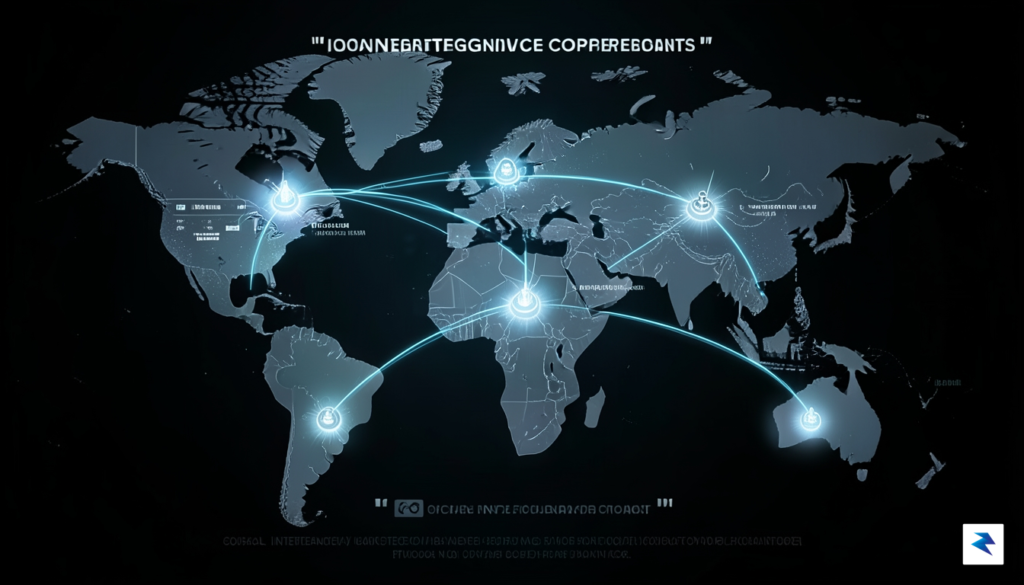
When the Five Eyes (FVEY) intelligence alliance—comprising the United States, United Kingdom, Canada, Australia, and New Zealand—speaks in unison, it represents a geopolitical consensus that extends far beyond standard diplomatic signaling. This partnership, built on decades of deep-seated intelligence sharing, serves as the primary early warning system for global security threats. By issuing a collective advisory on the rapid integration of artificial intelligence into cyber-offensive operations, these nations are moving beyond theoretical discourse. They are signaling that the barriers to entry for sophisticated cybercrime are collapsing, effectively democratizing the tools of digital warfare and putting high-level capabilities into the hands of smaller, less-resourced threat actors.
The core of this warning rests on the alarming acceleration of attack timelines. Historically, an adversary required significant time to conduct reconnaissance, craft bespoke phishing campaigns, and discover zero-day vulnerabilities within a target’s infrastructure. Today, AI-powered automation is streamlining these phases, allowing attackers to iterate and execute complex campaigns in a fraction of the time previously required. This shift means that organizations no longer have the luxury of slow, manual incident response protocols. The window of opportunity for defenders to patch systems or detect anomalies is shrinking as AI-driven bots exploit weaknesses at machine speed, turning what was once a weeks-long infiltration process into a matter of mere days or even hours.
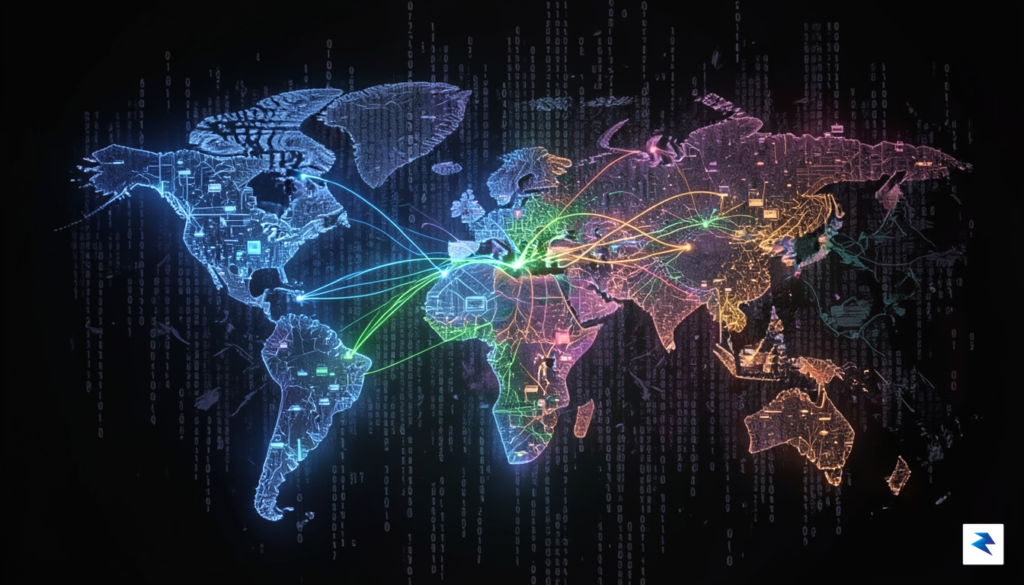
For years, the cybersecurity community treated the concept of “AI-enhanced attacks” as a distant, hypothetical scenario—a futuristic concern that would eventually demand attention. However, this joint intelligence update marks a definitive shift toward actionable threat intelligence. It underscores a reality where generative AI and machine learning models are being weaponized to create highly convincing social engineering lures, generate polymorphic malware that can evade traditional signature-based detection, and automate vulnerability scanning across massive enterprise networks. This is no longer a matter of “if” these technologies will be used; it is an acknowledgment that the transition to an AI-augmented threat landscape is already underway.
The primary takeaway from this intelligence assessment is that enterprise-level organizations must move away from reactive security postures. Relying on legacy defense mechanisms is increasingly akin to bringing a manual toolset to a high-speed, automated conflict.
This warning is specifically targeted at enterprise-level organizations because these entities possess the high-value data, intellectual property, and critical infrastructure that remain the primary targets of state-sponsored and criminal syndicates. The Five Eyes agencies recognize that large corporations often struggle with the complexity of their own digital footprints, making them particularly vulnerable to AI-enhanced persistent threats. By flagging this evolution, the alliance is urging leadership teams to prioritize investment in AI-resilient security architectures, such as Zero Trust frameworks and automated, AI-driven defensive response systems. Ultimately, this isn’t just a technical advisory; it is a call to action for the private sector to harden its defenses before the advantage shifts permanently in favor of the attacker.

The primary shift introduced by generative AI is the transformation of phishing from a high-volume, low-success endeavor into a precision-engineered weapon. In the past, attackers relied on generic templates rife with grammatical errors and awkward phrasing that acted as red flags for the observant user. Today, Large Language Models (LLMs) enable adversaries to generate hyper-personalized communications at scale, effectively stripping away the linguistic markers that once helped people identify scams. By analyzing publicly available data from social media and professional networking sites, these systems can mimic the tone, vocabulary, and context of a legitimate colleague or vendor, making it significantly harder for security awareness training to keep pace with the evolving threat.
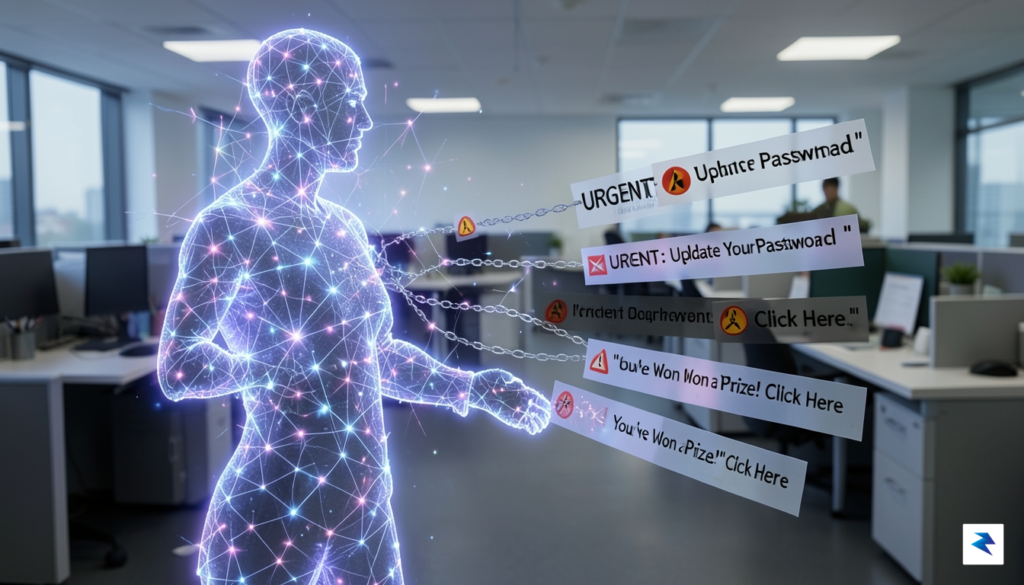
Beyond traditional phishing, we are seeing the rise of prompt injection, a sophisticated method of exploiting the vulnerabilities inherent in enterprise AI tools. As organizations integrate LLMs into their internal workflows, these models often interact with sensitive databases or proprietary APIs. If an attacker successfully tricks the model into ignoring its safety guidelines—by injecting malicious instructions into a public-facing chat interface or a shared document—they can bypass security controls to extract confidential information or execute unauthorized code. This exploit turns an organization’s own efficiency-boosting tools against them, as the model essentially becomes an unwitting accomplice in the exfiltration of data.
Prompt injection represents a fundamental shift in cybersecurity, where the input itself becomes the exploit, forcing organizations to rethink how they grant AI models access to sensitive internal systems.
The danger is further amplified by the rapid maturation of deepfake technology, which has moved from a novelty into a potent tool for social engineering. Attackers can now synthesize high-fidelity audio and video of trusted executives to authorize fraudulent wire transfers or bypass voice-based authentication systems. Because these deepfakes can be produced in near real-time, the difficulty of verifying digital identity has reached a breaking point. Organizations are finding that traditional verification methods, such as video calls or voice confirmation, are no longer foolproof. As these synthetic media capabilities continue to improve, the standard for trust in digital interactions will necessarily shift, requiring a move toward robust, multi-factor cryptographic identity verification to distinguish human intent from algorithmic fabrication.
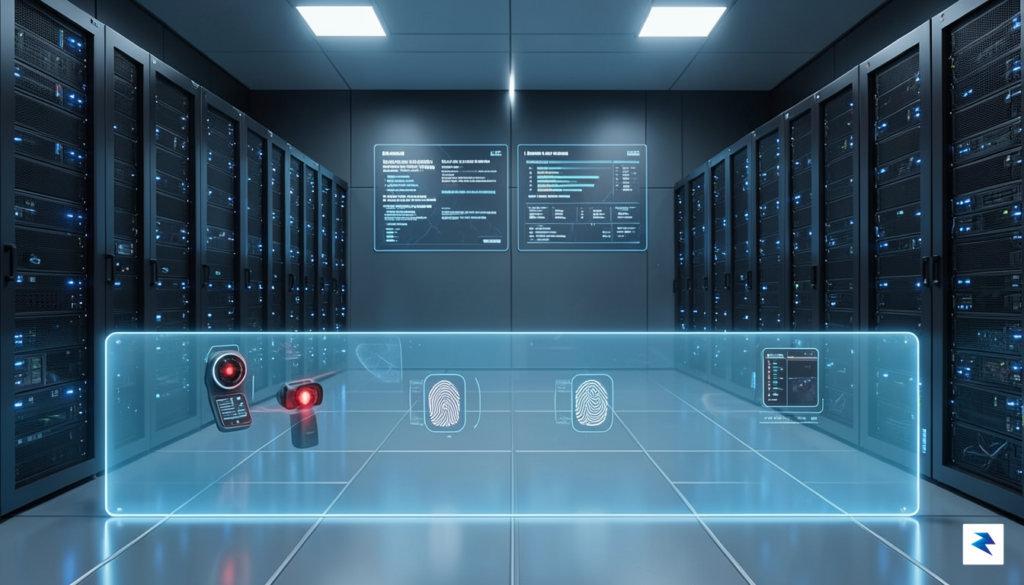
The transition from manual hacking to machine-speed exploitation necessitates a fundamental shift in how organizations perceive their security perimeter. Passive defense mechanisms, such as traditional firewalls and static signature-based antivirus, are effectively obsolete when confronted with polymorphic malware and AI-generated social engineering campaigns. To counter these sophisticated threats, enterprises must adopt a Zero Trust architecture as their foundational baseline. By operating under the assumption that the network is already compromised, security teams can enforce strict identity verification for every user, device, and application, regardless of whether they are located inside or outside the corporate firewall. This granular control limits lateral movement for attackers who may have gained initial access through an AI-assisted phishing vector.

Beyond architectural changes, organizations must integrate advanced, AI-driven threat detection platforms, such as next-generation SIEM (Security Information and Event Management) and SOAR (Security Orchestration, Automation, and Response) systems. These platforms act as a force multiplier, allowing security analysts to parse through massive datasets in real-time to identify anomalies that would otherwise remain invisible. While attackers use AI to discover vulnerabilities, defenders must use AI to identify behavioral deviations—such as unusual login times, unauthorized data exfiltration patterns, or anomalous API calls—that signal a breach. By automating the response to these triggers, companies can neutralize threats in milliseconds, effectively meeting the machine-speed pace of modern cyber adversaries.
To stay ahead of AI-powered attackers, the defensive strategy must be as dynamic as the threats themselves; static security is essentially no security at all.
Furthermore, human oversight remains a critical component of a robust security posture, particularly for high-stakes operational workflows. Implementing a ‘Human-in-the-loop’ verification process ensures that sensitive actions—such as privilege escalation, bulk data downloads, or configuration changes—require manual authentication from a verified individual. This creates a necessary friction point that prevents automated AI agents from executing catastrophic commands without human authorization. Complementing this, organizations deploying internal Large Language Models (LLMs) must prioritize robust guardrails, including strict input sanitization and output filtering, to prevent prompt injection attacks. By securing the data pipeline feeding these models and enforcing rigorous access controls, businesses can harness the power of AI while minimizing the risk of internal systems being weaponized against their own infrastructure.

To effectively counter the threat posed by AI-enhanced cyberattacks, organizations must transition from reactive posturing to a proactive, resilience-first strategy. The speed at which malicious actors can now iterate through exploit cycles means that manual defense mechanisms are increasingly insufficient. Security leaders should begin by implementing rigorous, AI-focused red-teaming exercises. These simulations go beyond traditional penetration testing by specifically tasking internal teams or third-party experts to utilize machine learning models to identify vulnerabilities in the corporate perimeter. By stress-testing infrastructure against autonomous reconnaissance tools, organizations can gain a clearer understanding of where their defenses remain brittle before a real-world adversary discovers those same weaknesses.
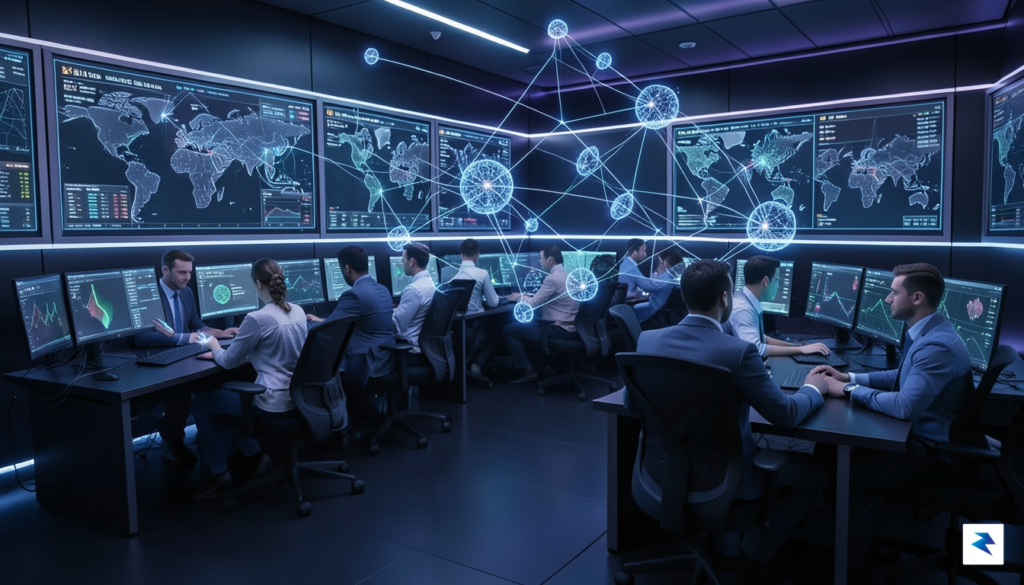
Education remains a critical, yet often overlooked, component of this defense-in-depth strategy. While technical controls are essential, AI-literacy training for the general workforce is the primary defense against increasingly sophisticated social engineering and deepfake-driven phishing attempts. Employees must be taught to recognize the hallmarks of AI-generated content, such as hyper-personalized messaging or highly realistic voice manipulation, which bypass traditional spam filters. Cultivating a culture where security awareness is treated as a continuous learning process rather than a static annual checklist will empower team members to act as a human firewall against the next generation of automated deception.
Resilience is not merely the ability to prevent an attack, but the capacity to maintain operational continuity when automated threats inevitably bypass the perimeter.
Furthermore, incident response plans must be fundamentally re-engineered to account for the velocity of AI-driven breaches. Traditional response timelines, which often rely on human deliberation, are far too slow when a botnet can execute a brute-force attack or data exfiltration in seconds. Organizations need to integrate automated orchestration tools that can detect, isolate, and neutralize threats in real-time, effectively fighting machine with machine. This requires a shift in mindset: security teams should focus on “automated containment” protocols, ensuring that critical systems can automatically segment themselves upon detecting anomalous patterns. Looking toward the future, the goal is not to eliminate risk entirely—an impossible task in the age of generative AI—but to build an ecosystem that is self-healing, adaptive, and capable of operating under duress. By prioritizing these strategic pillars, leadership can move beyond the anxiety of emerging threats and establish a robust framework that secures the enterprise for the long term.
You must be logged in to post a comment.