
Should You Buy Your Child a 3D Printer? A 2026 Parent’s Guide
The Educational Value of 3D Printing: More Than Just Toys Instead of simply being another gadget that children consume passively, a 3D printer…


In the fast-paced landscape of 2026, the reliance on fragmented spreadsheets and manual email chains is no longer just inefficient—it is a competitive liability. As the labor market becomes increasingly globalized and specialized, the shift from reactive hiring to proactive talent acquisition has become the defining characteristic of successful organizations. Modern recruitment is no longer about simply filling a vacancy; it is about building a sustainable pipeline of high-potential individuals who align with the company’s long-term vision. Without a robust Applicant Tracking System (ATS), HR teams are essentially operating in the dark, struggling to manage the sheer volume of digital applications while simultaneously failing to cultivate the meaningful relationships necessary to secure top-tier talent.
The primary driver behind this shift is the critical need to optimize time-to-hire metrics through intelligent automation. In an era where the best candidates are often off the market within a matter of days, every second spent on manual administrative tasks—such as resume screening, interview scheduling, or status updates—represents a missed opportunity. Modern ATS platforms act as the central nervous system of the recruitment process, automating repetitive workflows to ensure that recruiters can focus their energy on what truly matters: human connection. By leveraging these tools, organizations can bypass the bottlenecks of traditional hiring cycles, ensuring that promising leads are nurtured and moved through the funnel with unprecedented speed and precision.

The difference between a company that struggles to fill roles and one that dominates its market often comes down to the speed and quality of their hiring engine. In 2026, talent acquisition is a race, and an ATS provides the infrastructure needed to win.
Beyond simple efficiency, the strategic value of an ATS lies in its capacity for data-driven decision-making. Today’s sophisticated platforms provide deep analytical insights into every stage of the recruitment process, allowing businesses to identify exactly where candidates are dropping off and which sourcing channels yield the highest quality hires. By analyzing these data points, talent acquisition leaders can pivot their strategies in real-time, moving away from intuition-based hiring toward a scientific, evidence-backed approach. This level of transparency not only improves the overall quality of new hires but also enhances the candidate experience, as applicants are treated to a seamless, professional, and responsive journey that reflects positively on the company’s employer brand.
Ultimately, the adoption of a cutting-edge ATS is not merely a technological upgrade but a fundamental change in how a company views its human capital. Organizations that treat recruitment as a strategic function—supported by the right technology—are better positioned to identify and onboard the visionary thinkers who will define the future of their industry. In 2026, the cost of inaction is simply too high; companies that fail to integrate these systems risk losing their competitive edge to more agile, data-literate rivals who understand that talent is the most valuable currency in the modern economy.
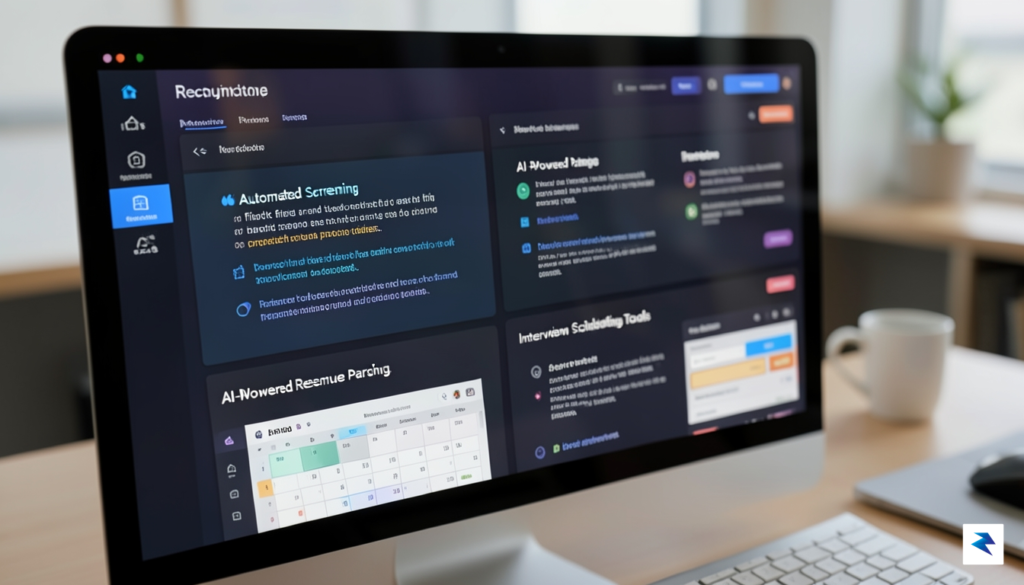
Not all applicant tracking systems are created equal, and in an increasingly competitive talent market, the difference between a mediocre tool and a premium platform often comes down to the depth of its feature set. To truly streamline your recruitment workflow, you need a solution that balances high-level automation with a human-centric design, ensuring that neither efficiency nor the candidate experience is sacrificed. A top-tier ATS acts as the central nervous system of your hiring process, transforming chaotic stacks of resumes into a structured, data-driven pipeline that empowers your team to make faster, more informed decisions.
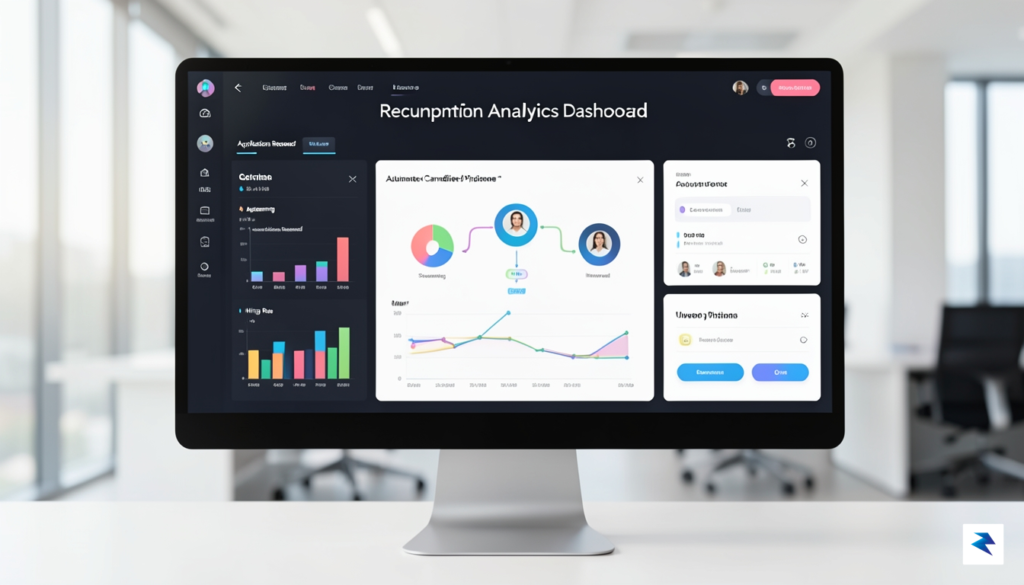
At the heart of any sophisticated system is AI-driven resume parsing, which has evolved far beyond simple keyword matching. Today’s premium tools utilize machine learning to contextually understand candidate experience, skills, and potential, allowing recruiters to surface the most relevant talent instantly. This is further enhanced by automated candidate screening, which allows you to set custom knockout questions and scoring criteria. By automating these initial hurdles, your hiring managers can spend less time reviewing unqualified applicants and more time engaging with high-potential candidates who are the right fit for your organizational culture.
Beyond initial screening, the administrative burden of hiring can be significantly mitigated through interview scheduling synchronization. A premium ATS should integrate seamlessly with your team’s existing calendars, providing candidates with a self-service portal to select interview slots that work for everyone. This not only reduces the endless back-and-forth email chains that lead to candidate drop-off but also ensures that your internal teams maintain a professional, organized image. Furthermore, as global hiring becomes the norm, having robust GDPR and compliance reporting built into the platform is non-negotiable. These features ensure that your data handling processes are legally sound, automatically managing candidate consent, data deletion requests, and audit trails so your legal team can rest easy.
The most effective recruitment platforms are those that remove the friction from the hiring process while providing deep, actionable insights into your talent acquisition strategy.
Modern candidates expect a seamless application journey, which is why a mobile-responsive candidate portal is essential. Because a significant percentage of applicants start their job search on a smartphone, any friction in the mobile application process—such as mandatory account creation or non-responsive forms—will lead to immediate abandonment. A premium system prioritizes the applicant’s ease of use, ensuring that your brand looks professional and accessible across all devices.
Finally, commitment to diversity and inclusion (D&I) analytics has become a fundamental pillar of modern recruitment. Leading systems now offer built-in tools that track demographic data across every stage of the funnel, helping you identify potential biases in your hiring process. By leveraging these insights, companies can move beyond mere optics and implement meaningful changes to their sourcing and interviewing practices, ultimately building a more diverse and innovative workforce in 2026.
The landscape of talent acquisition in 2026 demands a sophisticated balance between automated efficiency and human-centric candidate experiences. As organizations evolve, the requirement for versatile technology that bridges the gap between hiring, onboarding, and payroll has become a primary driver for software adoption. By evaluating the current market, we have identified three standout platforms that cater to distinct operational needs, ensuring that whether you are a lean startup or a burgeoning enterprise, your recruitment engine remains agile and effective.

For organizations that view recruitment as a fundamental pillar of their broader human resources strategy, Rippling stands out as the definitive leader in all-in-one HR integration. By unifying applicant tracking with payroll, benefits administration, and device management, Rippling eliminates the data silos that typically plague growing companies. This interconnectedness allows hiring managers to trigger automated workflows the moment a candidate moves to the “hired” stage, significantly reducing the administrative burden on HR teams. Its strength lies in its ability to scale seamlessly, ensuring that as your headcount expands, your backend infrastructure remains cohesive and error-free.
Conversely, companies that prioritize a distinct market presence often gravitate toward Pinpoint. This platform distinguishes itself by offering unparalleled tools for employer branding and scalability. Unlike rigid enterprise-grade systems that force users into a box, Pinpoint provides high levels of customization, allowing recruiters to craft unique career pages and multi-stage hiring processes that reflect their specific corporate culture. It is an ideal solution for mid-market firms that need to compete for top-tier talent in crowded industries, as it treats the candidate journey with the same level of care as a high-end marketing campaign.
The most effective recruitment strategy in 2026 is no longer just about filling seats; it is about choosing a platform that aligns with your specific organizational velocity and brand identity.
For teams seeking a more streamlined, user-friendly management experience, Freshteam remains a perennial favorite. Designed with intuitive workflows in mind, Freshteam excels at removing the friction typically associated with candidate screening and interview scheduling. It is particularly well-suited for SMBs that need to get up and running quickly without extensive training. By focusing on essential features—such as integrated job board posting and simplified candidate pipelines—Freshteam ensures that recruiting remains a collaborative process rather than a bureaucratic hurdle, proving that high-performance software does not always have to be complex.
Ultimately, the divide between enterprise-grade solutions and SMB-focused tools is narrowing, yet the choice remains critical. Enterprise platforms offer the depth required for complex compliance reporting and global talent management, while SMB-focused solutions prioritize speed and ease of use. Assessing your company’s current hiring volume and long-term scaling requirements will reveal which of these powerhouses best aligns with your goals for the coming year.

The true measure of a modern recruitment platform is not just how well it processes applications, but how seamlessly it weaves into the fabric of your broader HR architecture. When your recruitment software operates in a vacuum, you inevitably create data silos that force your HR team to manually re-enter candidate information, leading to costly delays and inevitable human error. By prioritizing platforms with robust API capabilities and extensive pre-built integration libraries, you transform your recruitment process from a standalone task into a fluid, automated component of the entire employee lifecycle. This connectivity ensures that once a candidate is marked as “hired,” their profile transitions instantly into your payroll, onboarding, and performance management systems without a single redundant keystroke.
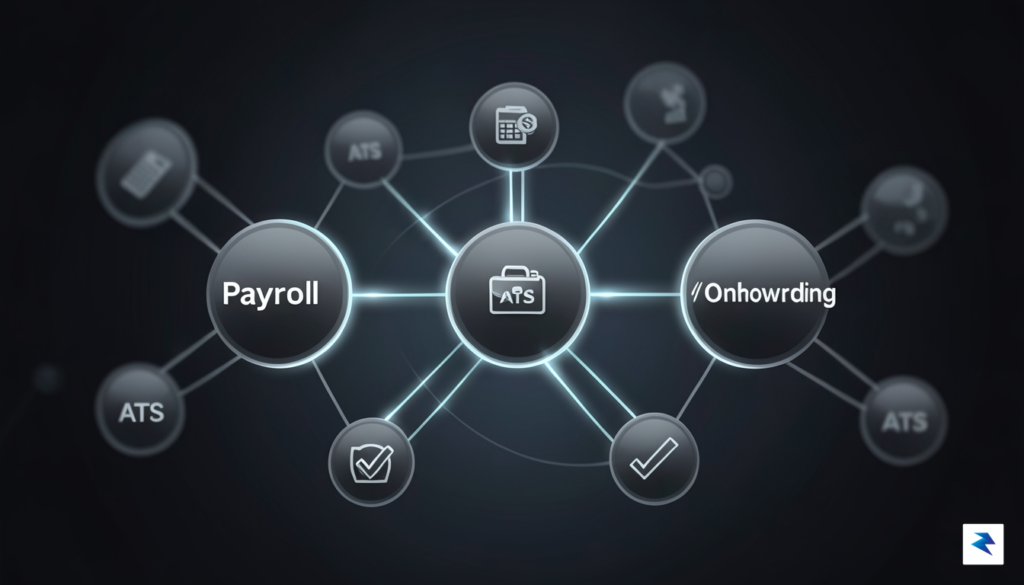
Robust interoperability is the key to maintaining data integrity throughout the transition from prospect to employee. When an Applicant Tracking System (ATS) integrates directly with your core HRIS, it triggers automated workflows that generate offer letters, initiate background checks, and provision hardware for new hires the moment a contract is signed. This unified approach eliminates the friction that often characterizes the “time-to-productivity” phase of hiring. Furthermore, when your performance management tools are linked to your ATS, the data gathered during the interview and assessment phases can serve as a baseline for future talent development, allowing HR managers to track long-term success against initial hiring predictions.
True recruitment efficiency is achieved not by the features within one tool, but by the strength of the connections between all your tools.
As you evaluate your options for 2026, look beyond the surface-level features and scrutinize the vendor’s commitment to an open ecosystem. Prioritize systems that offer:
Ultimately, the objective is to build a cohesive HR ecosystem where information flows effortlessly from the first application to final retirement. By investing in an ATS that acts as a central hub for talent data, you are not just purchasing software; you are establishing a scalable foundation for your human capital strategy. This strategic alignment reduces the administrative burden on your recruiters, improves the candidate experience through faster response times, and provides leadership with a holistic, real-time view of the organization’s talent health.

Transitioning to a new applicant tracking system is rarely just a technical hurdle; it is primarily a significant exercise in change management. While the features of a modern platform might promise to revolutionize your hiring workflow, the true measure of success lies in how well your recruitment team embraces the new tools. Often, the biggest barrier to a smooth transition is not the software’s complexity, but the natural resistance to disrupting established routines. To mitigate this, leadership must frame the adoption as a strategic upgrade that alleviates the manual burdens weighing down the team, rather than as an additional administrative layer.
One of the most critical phases of this transition involves the migration of legacy data. Attempting to force-migrate every single piece of historical data can lead to a cluttered, inefficient system that frustrates users from day one. Instead, prioritize a clean data strategy by auditing your existing database to identify active candidate pipelines and essential records worth preserving. By purging obsolete information before the migration occurs, you ensure that your team starts with a streamlined, high-quality database that actually aids their productivity. This preparation phase is the perfect time to involve key stakeholders, ensuring that the new system’s configuration matches their specific functional needs, which significantly boosts early buy-in.

To combat “learning curve anxiety,” which frequently stalls adoption, consider implementing a phased rollout rather than a “big bang” launch. By introducing the software to a pilot group or specific departments first, you can gather real-time feedback, troubleshoot minor workflow hiccups, and cultivate internal champions who can support their peers. This approach allows for a more personalized training experience where staff can digest new features in manageable increments. Furthermore, leverage the vendor’s customer success resources early and often. Most top-tier providers offer tailored training modules, webinars, and dedicated support representatives who can bridge the gap between technical documentation and practical, daily application.
Success is not defined by the software’s capabilities alone, but by the team’s confidence in navigating the tool to achieve their hiring goals.
Ultimately, transparency remains your strongest asset when introducing new technology. Be open about why the change is happening, acknowledge the temporary productivity dip that often accompanies a new system, and provide clear, measurable milestones that celebrate small wins. When team members feel that their concerns are heard and that the new system is a partner in their success rather than a hurdle to overcome, they are far more likely to engage deeply with the platform. Consistent communication, combined with a supportive training culture, will ensure that your chosen technology becomes a powerful catalyst for your organization’s growth in 2026 and beyond.

The landscape of modern employment is shifting at an unprecedented pace, transforming the role of recruitment from a simple administrative task into a strategic engine for organizational growth. Many companies still view their applicant tracking system (ATS) as a static digital filing cabinet, but in 2026, such a narrow perspective is a significant liability. To remain competitive, your recruitment software must serve as a dynamic foundation that evolves alongside your business needs, rather than a rigid repository of candidate data. By shifting your focus toward long-term scalability, you ensure that your hiring infrastructure remains an asset capable of adapting to future market fluctuations and shifting talent demographics.
One of the most critical components of this evolution is the integration of predictive analytics. Modern systems are moving beyond basic reporting to provide actionable insights into attrition risks, allowing talent acquisition teams to identify when and why employees might be considering departure before it actually happens. By leveraging these data-driven models, organizations can pivot from reactive backfilling to proactive talent pipeline building. Furthermore, advanced internal mobility tracking now allows businesses to see their current workforce through a fresh lens, identifying hidden skill sets and potential for advancement that might otherwise be overlooked in favor of external candidates. This shift not only preserves institutional knowledge but also significantly boosts employee retention and satisfaction.
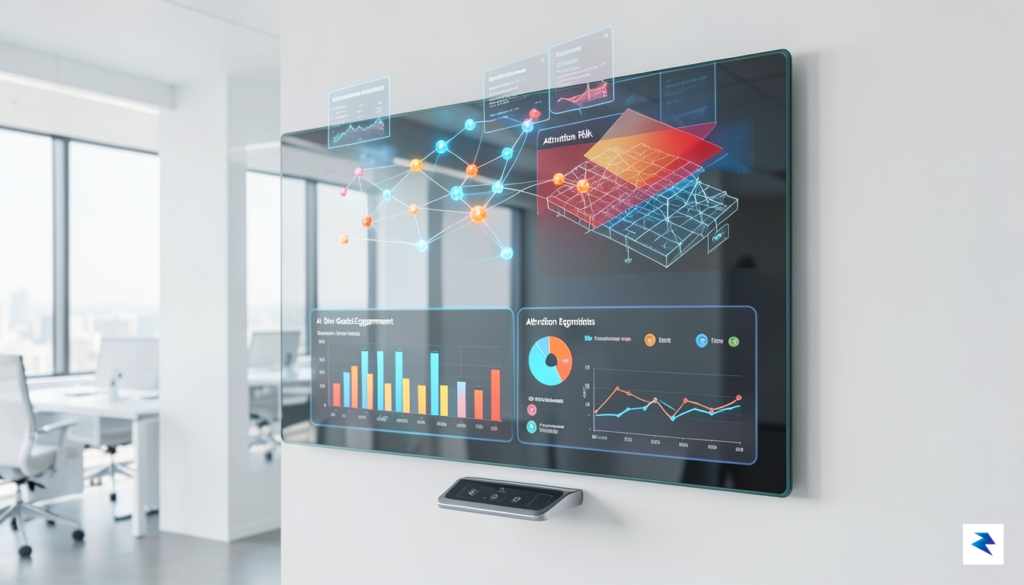
Beyond internal data management, the candidate experience is being revolutionized by sophisticated AI-powered communication tools. Today’s top-tier platforms utilize intelligent chatbots that do far more than answer basic FAQs; they facilitate real-time engagement, schedule complex interviews across different time zones, and provide personalized feedback loops that keep applicants warm throughout the entire hiring journey. When an ATS handles these high-touch interactions automatically, your human recruiters are freed to focus on the nuanced art of relationship building and final-stage cultural alignment. This symbiosis between machine efficiency and human empathy is the hallmark of a truly modern recruitment strategy.
Success in 2026 isn’t just about finding the right hire today; it is about choosing a platform that is architected to learn, grow, and anticipate the complexities of tomorrow’s workforce.
Ultimately, your choice of vendor should prioritize continuous innovation above all else. Because the technology stack of 2026 will inevitably look different by 2028, you must vet software providers based on their commitment to frequent, meaningful updates and their openness to new integrations. Ask yourself if your chosen partner is merely keeping pace with industry standards or if they are actively shaping the future of talent acquisition through research and development. When you select a partner that views innovation as a core value, you protect your recruitment strategy against obsolescence and ensure that your hiring process remains a sustainable competitive advantage for years to come.
You must be logged in to post a comment.