
Anthropic Mythos 5: What the New Administration AI Rollout Means for US Business
Understanding Anthropic Mythos 5 and Its Strategic Significance The unveiling of Anthropic's Mythos 5, backed by the current administration…

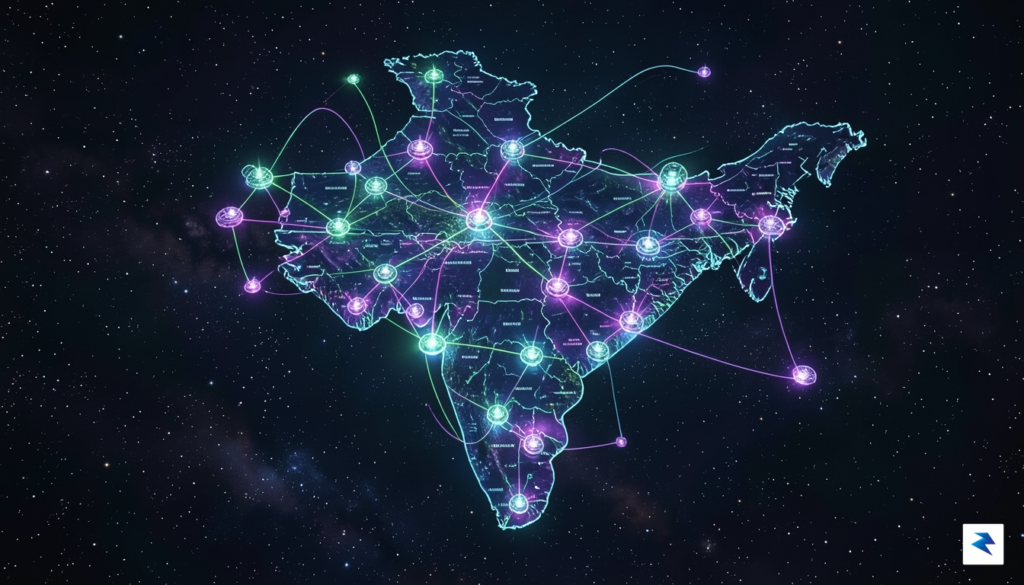
India’s Unified Payments Interface (UPI) has undeniably revolutionized the nation’s financial landscape since its launch. What began as a pioneering system for seamless digital transactions has rapidly evolved into the backbone of a burgeoning digital economy, profoundly impacting the lives of hundreds of millions. From bustling metropolitan centers to remote villages, UPI has fostered unprecedented financial inclusion, enabling instant peer-to-peer and person-to-merchant payments with just a few taps on a mobile phone. This innovative platform has not only simplified daily transactions but also significantly reduced the reliance on cash, propelling India towards its vision of a less-cash society and setting a global benchmark for public digital infrastructure.
The journey of UPI has moved far beyond its initial role as a basic utility for direct transfers. It has meticulously woven itself into the fabric of a complex, dynamic financial ecosystem, spawning a vibrant fintech industry around its capabilities. Merchants of all sizes, from street vendors to large retail chains, have embraced UPI, integrating it into their payment systems and expanding their reach. This widespread adoption has fostered a rich environment for innovation, leading to a proliferation of applications and services that leverage UPI for everything from bill payments and investments to lending and insurance. Consequently, UPI has become a foundational layer, facilitating not just transactions but also the creation of new financial products and services tailored to the diverse needs of the Indian populace.
As India moves past the initial phase of widespread UPI adoption and incredible transaction volume, the focus is now sharply shifting towards sustainable value creation and enhanced user experience. The sheer scale of UPI transactions, while impressive, presents new challenges in terms of optimizing operations, bolstering security, and personalizing financial offerings. Recognizing this pivotal transition, leadership within India’s payment ecosystem is increasingly looking towards Artificial Intelligence (AI) as the critical driver for the next wave of maturity. AI is poised to elevate UPI’s capabilities by enhancing fraud detection, personalizing financial advice, streamlining customer support, and even predicting user needs, thereby transforming the platform from merely a transactional tool into an intelligent financial companion that anticipates and serves its users proactively.

Artificial Intelligence is rapidly evolving from a futuristic concept into an indispensable operational pillar within India’s vibrant fintech landscape, particularly for the Unified Payments Interface (UPI). Far from being a mere buzzword, AI is now fundamental to fortifying security protocols and meticulously optimizing the user experience, paving the way for the next era of digital payment growth. Its integration is not just about making transactions faster; it’s about making them smarter, safer, and more intuitive for millions of users across the nation.
At the forefront of AI’s impact is its sophisticated capability in fraud detection. Payment systems leverage advanced machine learning algorithms to continuously monitor billions of transactions in real-time, identifying anomalous patterns that deviate from normal user behavior. This includes analyzing everything from transaction frequency and value to geographical locations and device fingerprints, flagging suspicious activities that might indicate unauthorized access or fraudulent attempts. By learning from vast datasets of past fraudulent and legitimate transactions, these AI models can predict and prevent potential breaches with remarkable accuracy, significantly reducing financial losses and bolstering user trust in the digital ecosystem.
Furthermore, machine learning plays a pivotal role in optimizing transaction success rates, ensuring a seamless and efficient payment experience. AI algorithms analyze various factors that influence transaction outcomes, such as network congestion, server loads, and the specific payment methods chosen by users. Based on this real-time data, the system can dynamically route transactions through optimal pathways, predict potential bottlenecks, and even suggest alternative payment approaches if a primary method is likely to fail. This proactive optimization minimizes failed transactions, reduces delays, and ultimately enhances the reliability and speed that users expect from a modern payment platform like UPI.
Beyond security and efficiency, predictive analytics, a core facet of AI, is instrumental in personalizing payment workflows for the average user. By analyzing individual spending habits, preferred merchants, and typical transaction times, AI can anticipate user needs and offer tailored suggestions. For instance, it might proactively display frequent contacts for quick payments, suggest relevant bill payments nearing their due date, or even offer insights into spending categories to aid personal financial management. This level of personalization transforms the payment interface from a mere utility into an intelligent assistant, streamlining daily financial interactions and making digital payments more convenient and user-friendly than ever before.
Collectively, these AI-driven advancements—from robust fraud prevention and optimized transaction processing to highly personalized user experiences—are fundamentally reshaping the operational DNA of UPI. They not only safeguard users against evolving threats but also cultivate an environment of unparalleled efficiency and convenience. As AI continues to mature and integrate deeper into the fabric of digital payments, we can expect an even more secure, lightning-fast, and intuitively intelligent payment future that truly serves the dynamic needs of India’s digital economy.

For years, India’s Unified Payments Interface (UPI) has been hailed as a revolutionary force, democratizing digital transactions and bringing millions into the formal economy. Its phenomenal success, however, has inadvertently created a paradox for the very applications that facilitate these payments: a vast user base engaging in frequent, high-volume transactions, yet operating on notoriously thin, often non-existent, profit margins. The zero-Merchant Discount Rate (MDR) policy, while a boon for adoption and a driver of growth, means that payment apps cannot typically generate revenue directly from the transactions themselves, leaving them reliant on venture capital infusions or other peripheral services to sustain their operations. This model, while effective for initial market penetration, is ultimately unsustainable for long-term commercial viability.
This inherent economic constraint has prompted a crucial re-evaluation within the industry, with key leaders recognizing that the next chapter of digital payment growth must be underpinned by robust and competitive business models. The mandate is clear: move beyond merely being transaction facilitators to becoming comprehensive financial service providers. This isn’t just about surviving; it’s about evolving into entities that can independently fund innovation, expand services, and contribute meaningfully to the broader digital economy. The focus is shifting from pure utility to a delicate balance between offering unparalleled user experience and cultivating profitable revenue streams that justify significant investment in technology and infrastructure.
The path to achieving this balance lies squarely in the strategic integration of value-added services, leveraging the rich data generated by UPI transactions to offer highly personalized financial products. By analyzing spending patterns, saving habits, and merchant interactions, payment apps can unlock unprecedented opportunities to cross-sell and up-sell. This data-driven approach allows for the creation of tailored offerings that genuinely meet user needs, transforming the payment app from a simple conduit of funds into a trusted financial companion. The potential for revenue generation through such services is immense, promising to shift apps from a cost center to a profit driver.
Consider the vast untapped potential in areas like micro-insurance, small-ticket lending, and simplified wealth management. A user frequently paying for travel could be offered relevant travel insurance; a small business owner regularly receiving payments could be pre-approved for a working capital loan based on their transaction history; and individuals making frequent small payments could be introduced to easy-to-understand investment options like digital gold or micro-SIPs. These services not only provide new revenue streams through commissions, interest, or subscription fees but also deepen user engagement and loyalty. The integration of artificial intelligence will be pivotal in personalizing these offerings, assessing risk for lending, and preventing fraud, ensuring a seamless and secure expansion into these critical financial domains.
Ultimately, the longevity and continued innovation of UPI apps hinge on their ability to pivot towards these sustainable commercial models. The era of operating solely on transaction volume without direct revenue is drawing to a close. By strategically embedding and intelligently delivering value-added financial services, payment apps can transition from being just a utility to becoming indispensable financial ecosystems, thereby ensuring their own profitability while simultaneously enhancing the financial well-being of millions of Indians. This strategic evolution is not merely an option but a critical imperative for the continued flourishing of India’s digital payments landscape.

As India continues its remarkable journey towards a cashless economy, propelled by innovations like UPI, the integration of artificial intelligence (AI) into the payment ecosystem introduces both unprecedented opportunities and complex challenges. At the heart of this evolving landscape lies the critical role of regulation. The Reserve Bank of India (RBI), as the primary financial regulator, has been instrumental in establishing a robust framework that underpins the current digital payment infrastructure, ensuring security, data integrity, and operational resilience. These existing guidelines, covering aspects from data privacy to transaction security, form the foundational layer upon which future AI-driven innovations must securely rest.
However, this ambition to leverage AI for the next era of digital payment growth demands a delicate balancing act. On one hand, regulators are keen to foster an environment conducive to technological advancement, incentivizing fintech companies to innovate and expand access to financial services. Initiatives like regulatory sandboxes have showcased this proactive approach, allowing controlled experimentation with new technologies. On the other hand, the imperative to protect the digital consumer from emerging risks associated with AI—such as algorithmic bias, sophisticated fraud, and the potential for misuse of vast datasets—is paramount. Ensuring market fairness and preventing monopolistic tendencies in an AI-dominated payment space also becomes a significant concern, requiring foresight and adaptive policy-making.
Furthermore, as AI becomes more deeply embedded in payment systems, existing financial policies need to evolve to address its unique characteristics. The recently enacted Digital Personal Data Protection Act, 2023, provides a strong base for safeguarding user data, which is crucial given AI’s reliance on extensive data processing. Yet, AI oversight extends beyond mere data protection; it encompasses the need for explainable AI, where the rationale behind automated decisions can be understood and audited, and robust accountability mechanisms for AI-driven outcomes. Regulators will likely need to develop specific guidelines for AI deployment, focusing on ethical considerations, transparency in algorithm design, and mandating rigorous risk assessments for all AI models used in critical financial infrastructure to maintain public trust.
Ultimately, the path forward requires a proactive and collaborative approach between regulators, innovators, and consumer advocates. Maintaining public trust is non-negotiable for the sustained growth and widespread adoption of AI-powered payment solutions. This involves creating a dynamic regulatory framework that is agile enough to adapt to rapid technological shifts while remaining steadfast in its commitment to consumer protection, data privacy, and market integrity. Only through such a balanced strategy can India truly unlock the full potential of AI in its digital payment future without compromising the security and fairness of its financial landscape.


India’s journey in digital payments has been nothing short of transformative, establishing a robust, real-time financial infrastructure that has become the envy of many nations. At the heart of this revolution lies the Unified Payments Interface (UPI), a testament to the country’s capacity for large-scale innovation and rapid adoption. This mature ecosystem, characterized by high transaction volumes and widespread accessibility, now stands at the precipice of its next major evolution: the profound integration of Artificial intelligence. This strategic embrace of AI is not merely about incremental improvements but about redefining the very fabric of digital transactions, promising a future where payments are not just fast and cheap, but also intelligent, predictive, and deeply personalized.
The next decade will witness AI becoming an indispensable layer across the entire payment value chain, from enhancing security to streamlining user experiences. Imagine AI-powered fraud detection systems that can identify and neutralize threats in milliseconds, far exceeding human capabilities in speed and accuracy. Furthermore, AI will drive hyper-personalization, allowing financial institutions to offer tailored products and services based on individual spending patterns, financial health, and future needs, making banking more relevant and accessible than ever before. Predictive analytics will anticipate user requirements, automating routine payments, suggesting optimal financial decisions, and ensuring a seamless flow of funds that feels intuitive and effortless for every user. This intelligent overlay will significantly elevate the operational efficiency and reliability of India’s payment networks.
Crucially, the infusion of AI is poised to accelerate financial inclusion, reaching segments of the population that have historically been underserved by traditional banking models. AI algorithms can help in developing more accurate credit scoring for individuals with limited financial history, enabling access to micro-loans and other financial products. Moreover, AI-driven interfaces can adapt to various linguistic preferences and digital literacy levels, simplifying the onboarding process and making digital payments more accessible to non-English speakers or those new to smartphones. This democratizing potential of AI ensures that the benefits of digital transformation are not exclusive to tech-savvy urban dwellers but extend to every corner of the nation, bridging the digital divide with smart, adaptive solutions.
Looking beyond its borders, India’s AI-powered payment innovations are set to cement its position as a global leader and a significant exporter of financial technology. The blueprint of UPI, combined with advanced AI capabilities, presents a compelling model for developing nations seeking to build their own inclusive digital payment systems. India’s experience in scaling solutions for a massive, diverse population offers invaluable lessons and exportable technologies. Consequently, the coming years will not only see India further solidify its domestic payment infrastructure but also emerge as a key influencer in the global fintech landscape, shaping international standards and offering robust, scalable, and intelligent payment solutions to the world.

You must be logged in to post a comment.