
How to Turn Your Ebike Into a Heavy-Duty Cargo Machine
Beyond the Commute: Transforming Your Ebike into a Utility Powerhouse For many owners, an ebike begins its life as a streamlined vehicle…
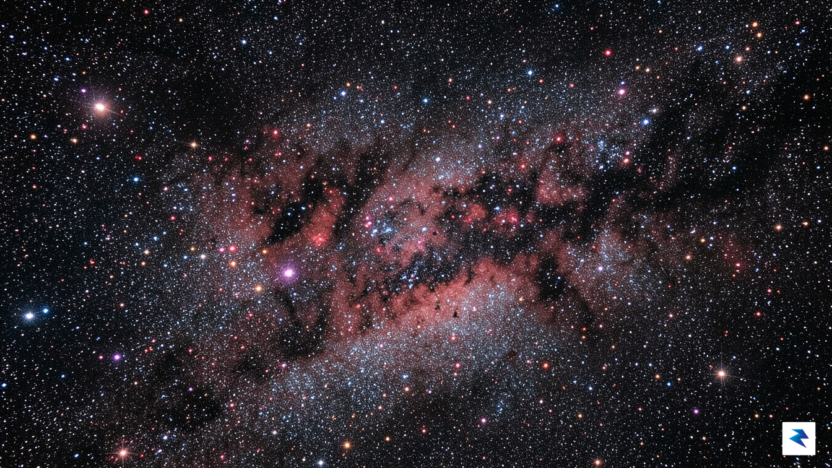
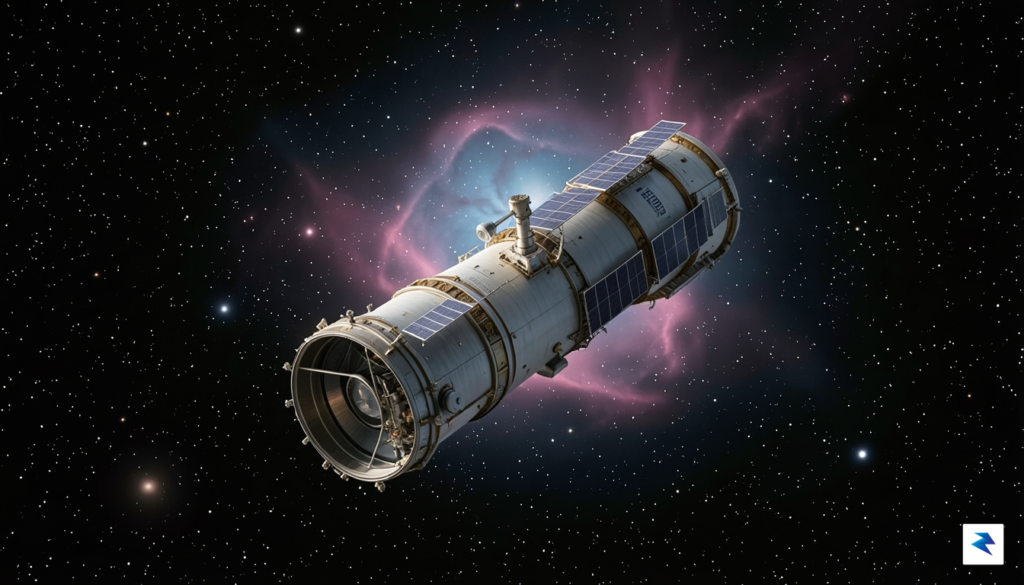
The recent release of the high-definition mosaic capturing the heart of our home galaxy marks a transformative moment in observational astronomy. By peering deep into the dense, dust-choked regions of the Milky Way, the Euclid space telescope has successfully cataloged over 60 million individual stars in a single, breathtaking frame. This achievement is not merely a feat of aesthetic beauty; it represents a monumental shift in our ability to map the architecture of the cosmos. For decades, the galactic center has remained notoriously difficult to study due to the thick clouds of interstellar gas and dust that obscure our line of sight, effectively acting as a cosmic curtain that hides the complex gravitational interactions occurring at the core.
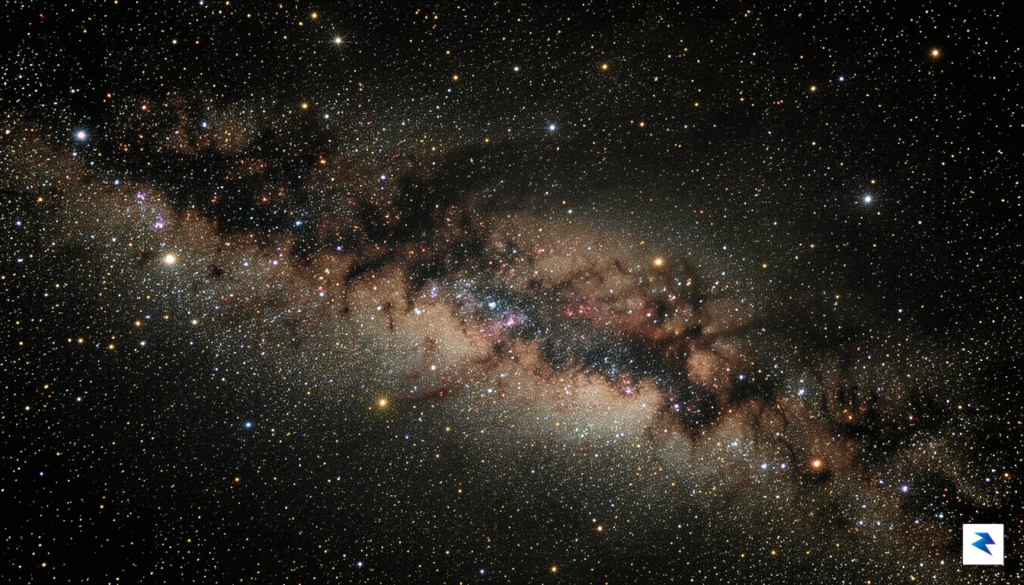
Euclid, a mission spearheaded by the European Space Agency, was specifically engineered to address these observational limitations. While legendary predecessors like the Hubble Space Telescope and the James Webb Space Telescope (JWST) have provided us with peerless, hyper-focused snapshots of specific celestial objects, Euclid is designed for a different purpose: panoramic survey efficiency. Hubble’s strength lies in its high-resolution narrow field of view, and JWST excels at capturing infrared light from the earliest reaches of the universe. In contrast, Euclid combines a massive field of view with the precision necessary to map the shapes and distributions of millions of stars simultaneously. This allows astronomers to see the “big picture” of the galactic center in a level of detail that was previously impossible to achieve, bridging the gap between isolated deep-space studies and full-scale galactic cartography.
The power of this new image lies in its unprecedented scale; by capturing such a vast, continuous swath of the sky, Euclid allows us to witness the structural dynamics of the Milky Way in a way that isolated, high-magnification images simply cannot replicate.
The technical hurdles overcome to produce this image are immense. Photographing the galactic core requires a delicate balance of sensitivity and resolution to prevent the overwhelming brightness of dense star clusters from washing out the fainter, distant stars behind them. Euclid’s advanced instrumentation allows it to filter through the interstellar medium with remarkable clarity, revealing the subtle movements and distribution patterns of stars that dictate the evolution of our galaxy. As we analyze this data, we are not just looking at a static portrait of the past; we are gaining a fundamental understanding of how the Milky Way formed, how it maintains its spiral structure, and what hidden forces govern the massive congregation of stars that orbit our galaxy’s mysterious central supermassive black hole.
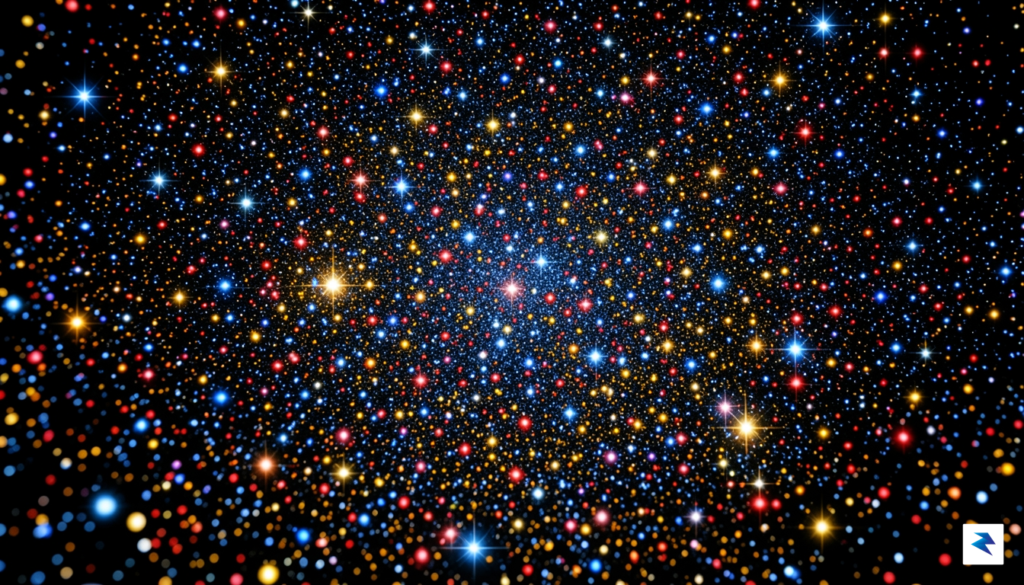
The very heart of our Milky Way galaxy is a region of profound mystery and intense activity, yet it has long remained shrouded from our direct view. A colossal amount of cosmic dust and gas permeates this central region, effectively obscuring much of its light and making detailed observations incredibly challenging for traditional telescopes. Imagine trying to see through a dense fog; that has been the persistent obstacle for astronomers eager to understand the dynamics and composition of our galaxy’s core. However, with advanced instrumentation capable of peering through these obscuring veils, scientists are now able to penetrate the dust and reveal the breathtaking complexity of this densely packed galactic center.
This unprecedented census of 60 million stars within the galactic bulge provides an astonishing glimpse into a truly crowded celestial metropolis. Unlike our relatively sparse solar neighborhood, where stars are separated by vast, light-year distances, the galactic core is a bustling arena where stars are packed far more tightly. This sheer density means that gravitational interactions are frequent and intense, shaping the movements and destinies of countless stellar bodies. The new imagery showcases not just individual stars, but entire populations, allowing astronomers to map out regions of intense star formation alongside older, more settled stellar communities, painting a comprehensive picture of stellar evolution within this extreme environment.
Beyond the sheer numbers, the new data reveals the intricate dance of these stars around the supermassive black hole, Sagittarius A*, which anchors our galaxy’s center. While too distant and shrouded to be seen individually, its gravitational influence is profoundly evident in the chaotic and accelerated orbits of nearby stars. Studying these stellar movements offers invaluable clues about the black hole’s mass, its interaction with its immediate surroundings, and the extreme gravitational forces at play in this unique cosmic crucible. Understanding how stars behave in such an intense gravitational well provides critical insights into theories of relativity and the fundamental laws of physics.
Crucially, this detailed imagery allows astronomers to begin distinguishing between different stellar populations by analyzing their light across various wavelengths. Young, hot, blue stars, indicative of recent star formation, can be identified alongside older, cooler, redder stars that have existed for billions of years. This differentiation is vital for understanding the history of star formation within the galactic center and how it has evolved over cosmic timescales. Pinpointing these different stellar “generations” helps scientists trace the pathways of gas and dust that feed new star birth and map the distribution of elements forged in the hearts of stars, thereby unraveling the complex narrative of our galaxy’s assembly and growth.
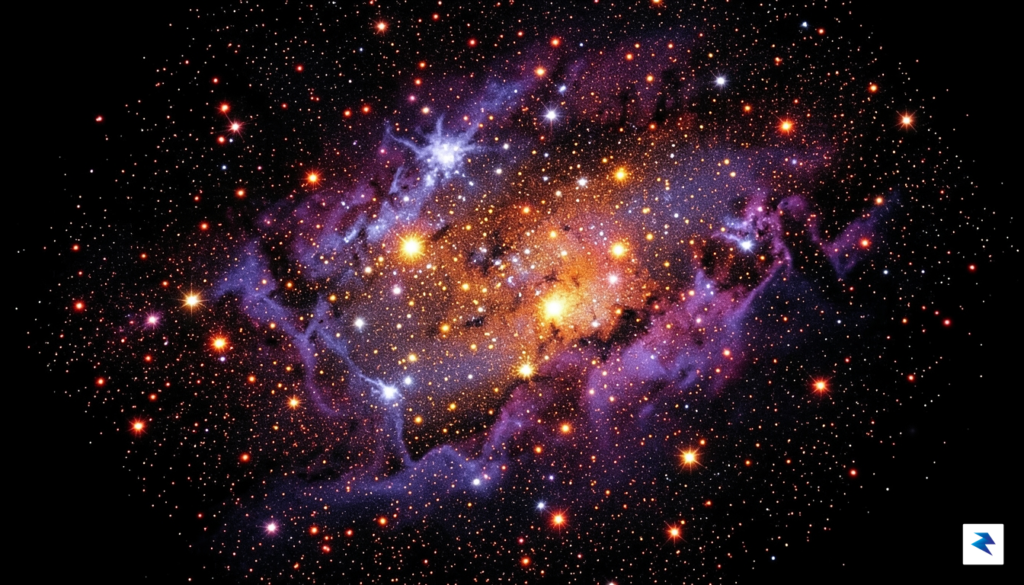
By meticulously charting these 60 million stellar residents, scientists are unlocking long-held secrets about the structure, dynamics, and evolutionary history of the Milky Way’s very heart. This deep, comprehensive view not only enhances our understanding of our own galaxy but also provides a template for studying the cores of other galaxies, offering universal insights into the processes that govern these fundamental cosmic structures. It is a testament to human ingenuity and technological prowess, allowing us to decode the crowded heart of our galactic home, one star at a time.
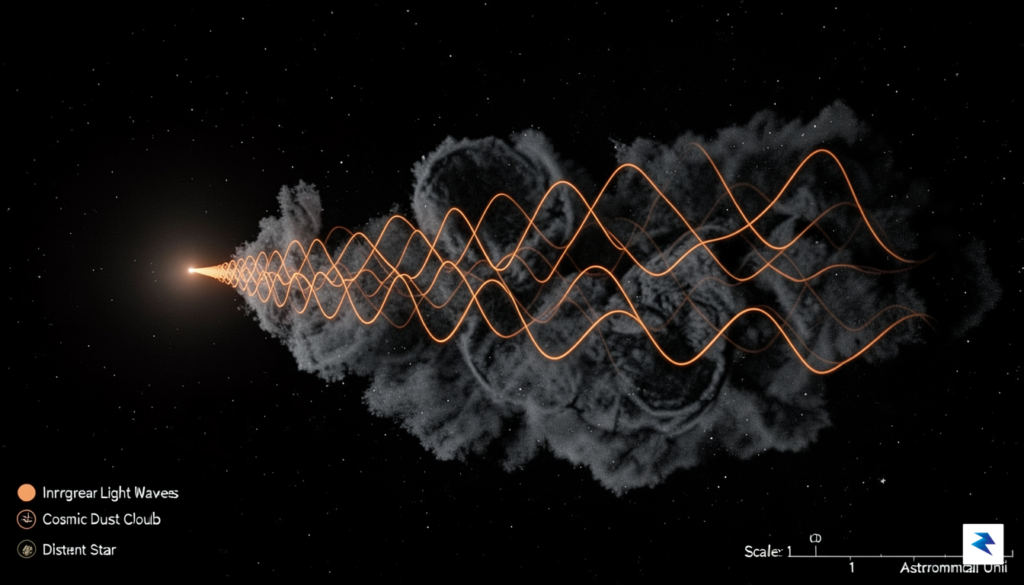
The recent unveiling of the Milky Way’s intricate core, teeming with an astonishing 60 million stars, marks a monumental leap in our understanding of galactic mechanics. This breathtaking panorama, captured by the European Space Agency’s Euclid telescope, was not achieved through conventional means, but rather through a sophisticated technological marvel designed to peer through the cosmic veil. The key to this breakthrough lies squarely in Euclid’s advanced infrared sensors, which enable it to capture light that is typically obscured by the vast swathes of interstellar dust pervading our galaxy’s heart, effectively acting as a powerful lens into otherwise hidden processes.
To truly appreciate Euclid’s accomplishment, it’s essential to understand the fundamental physics of infrared astronomy. Our Milky Way’s center is notoriously difficult to observe in visible light because it is shrouded by dense clouds of gas and dust. These interstellar particles scatter and absorb visible light, much like fog obscures a distant lighthouse, rendering the central region largely opaque to traditional optical telescopes. However, infrared light, which occupies a longer wavelength on the electromagnetic spectrum than visible light, interacts differently with these dust particles. Longer wavelengths are far less susceptible to scattering and absorption, allowing them to penetrate through the obscuring dust clouds with remarkable efficiency. This means that regions that appear dark and empty in visible light suddenly burst into view when observed in infrared, revealing the stars, gas, and dust structures hidden within.
Another crucial element contributing to Euclid’s unparalleled vision is its strategic positioning in space. Earth’s atmosphere, while vital for life, acts as a significant barrier to many forms of electromagnetic radiation, including a large portion of the infrared spectrum. Water vapor and other atmospheric gases absorb much of the infrared light before it can reach ground-based observatories, making observations from Earth’s surface inherently limited. By operating far above the distorting and absorbing effects of our planet’s atmosphere, Euclid gains an unobstructed view of the cosmos. This pristine vantage point allows its sensitive instruments to detect faint infrared signals without interference, ensuring superior clarity, sensitivity, and the ability to capture the full range of infrared wavelengths necessary for such detailed observations.
Beyond its atmospheric advantage, Euclid distinguishes itself through its exceptional wide-field survey capabilities. Unlike many other space telescopes, such as the Hubble Space Telescope or even the James Webb Space Telescope, which often focus on incredibly small, specific patches of sky with extreme magnification, Euclid is designed to survey vast swathes of the sky quickly and efficiently. Its wide-field instruments can image an area of the sky equivalent to several full moons in a single observation. This expansive field of view is critical for mapping large-scale structures and populations of stars across the galactic plane, allowing it to capture millions of stars in a single, coherent image of the galactic center. This comprehensive approach surpasses the piecemeal observations typically gathered by narrower-field instruments, providing an unprecedented, holistic perspective.
The synergy of these advanced technologies – deep infrared sensitivity, an unhindered space-based perspective, and extensive wide-field imaging capabilities – culminates in Euclid’s ability to pierce through the cosmic dust and unveil the hidden mechanics of our galaxy’s core. This revolutionary combination allows scientists to not only count the individual stars but also to study their distribution, ages, and interactions in a way never before possible. Such detailed data is indispensable for understanding the formation and evolution of galaxies, the dynamics of star clusters, and critically, for shedding new light on the mysterious nature of dark matter and dark energy that permeate the universe. Euclid’s journey is just beginning, and its innovative approach promises to continue reshaping our understanding of the cosmos.
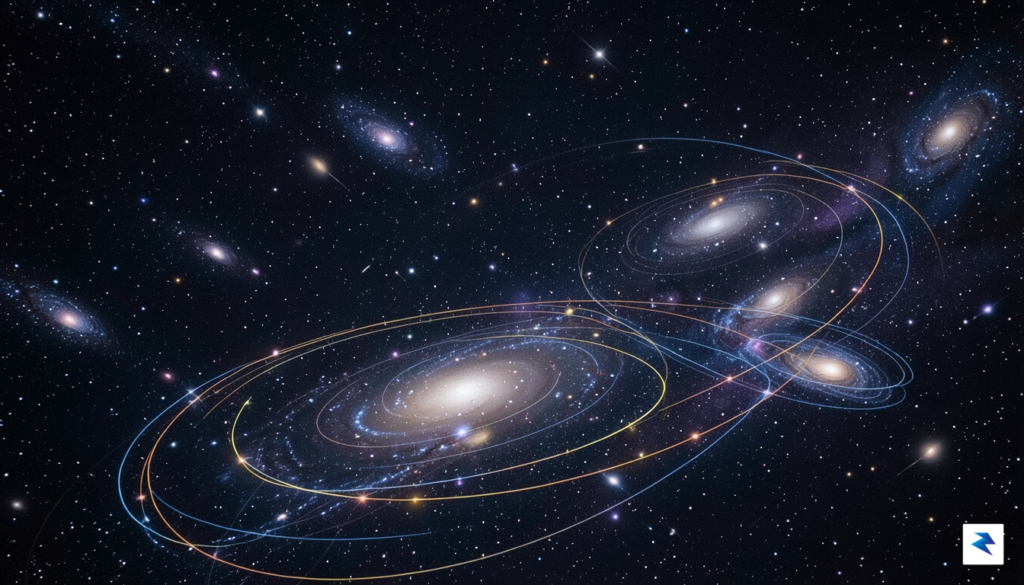
While the sheer aesthetic brilliance of the Euclid telescope’s latest capture is enough to captivate any observer, its true value lies in its function as a high-precision diagnostic tool for the universe. By cataloging the positions, motions, and chemical compositions of over 60 million individual stars within our galactic core, astronomers are essentially creating a high-resolution “DNA map” of the Milky Way. This level of granular detail allows researchers to test long-standing theories regarding galactic evolution, providing a concrete baseline to observe how stars are born, age, and eventually migrate throughout the galactic disk. Because the Milky Way serves as our primary laboratory for studying spiral galaxies, the lessons learned from this image ripple outward, helping us interpret the architecture of distant, less accessible galaxies across the cosmos.
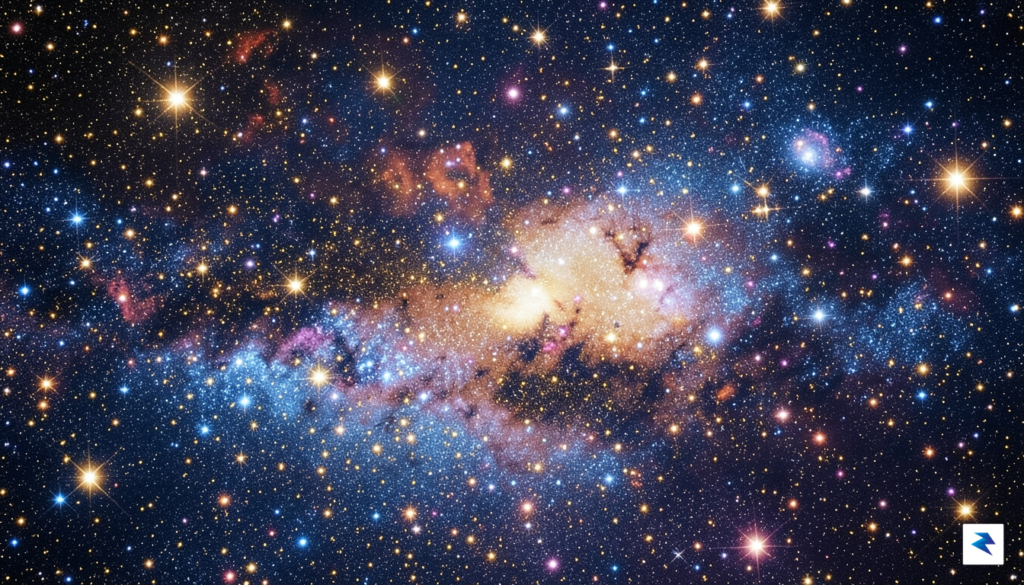
Beyond the visible stars, this map is crucial for probing the invisible scaffolding of our universe: dark matter. The gravitational behavior of stars in the galactic center is heavily influenced by the distribution of mass that we cannot see, and by mapping the precise trajectories of stellar populations, scientists can better infer where dark matter concentrations lie. Discrepancies between the visible mass and the observed gravitational pull act as a cosmic signature, helping theorists refine models of how dark matter interacts with baryonic matter. If the Milky Way’s core acts as a prototype, understanding the specific density profiles of dark matter here provides a template for understanding the structure of the entire universe, from small galactic clusters to the sprawling cosmic web.
The core of the Milky Way is a complex, chaotic, and densely packed environment; by stripping away the veil of interstellar dust with infrared precision, we are finally able to see the engine of our galaxy in its true form.
Ultimately, this data set serves as a foundational pillar for refining our cosmological models. As we compare the structural data from the center of our galaxy with observations from the early universe, we gain a clearer perspective on the timeline of galactic maturation. These insights help us answer fundamental questions about why galaxies settle into their specific shapes and how supermassive black holes—like Sagittarius A*—interact with their surrounding stellar environments to shape the evolution of their host galaxies over billions of years. By bridging the gap between local observation and universal theory, this detailed mapping project does more than just show us where we are; it reveals the invisible forces that dictate the destiny of the entire cosmos.

The extraordinary clarity of this latest capture is merely the opening chapter in a much larger, more ambitious narrative defined by the Euclid mission. As the telescope continues its survey of the cosmos, the data harvested from the galactic core will serve as a foundational roadmap for researchers seeking to untangle the complex mechanics of our home galaxy. By mapping the distribution, motion, and chemical composition of these sixty million stars, scientists are not just creating a static picture; they are assembling a dynamic, multidimensional model that will allow us to observe the Milky Way’s evolution in unprecedented detail. This ongoing mission represents a technological leap that effectively turns the sky into a massive laboratory, offering insights that were previously obscured by the dense clouds of dust and gas that permeate the heart of our galaxy.
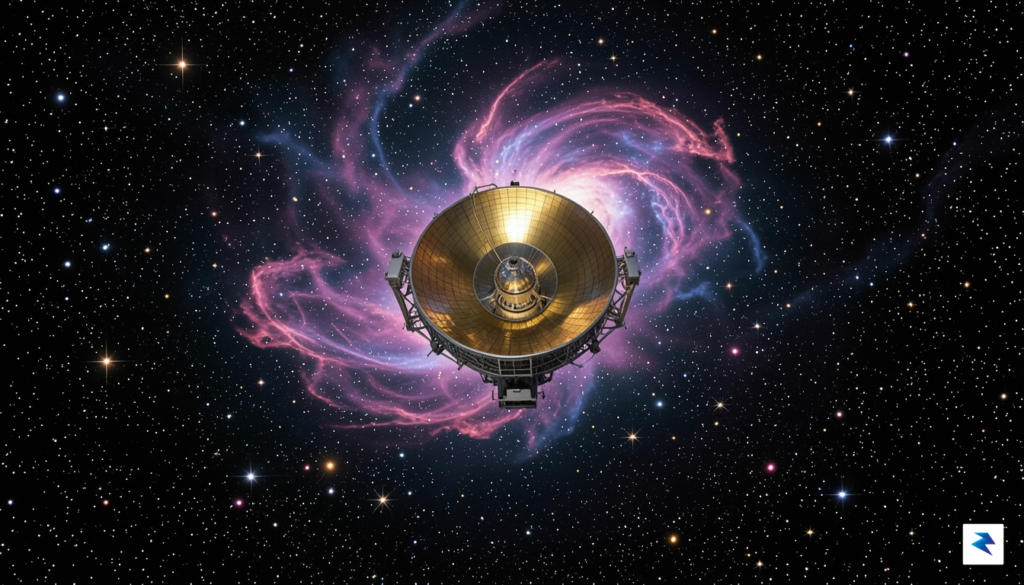
Central to this mission is the commitment to open science, as the vast quantities of raw data generated by Euclid will be processed and distributed to a global community of astronomers. By fostering a collaborative environment, the project ensures that discoveries are not limited to a single team but are instead subject to rigorous, cross-disciplinary analysis. This transparent approach is designed to accelerate our understanding of fundamental astrophysics, particularly in the realms of star formation and galactic migration. As researchers from around the world apply new algorithms and machine learning techniques to these datasets, we anticipate a surge in findings related to how stars are born, how they interact within crowded clusters, and how the gravitational influence of the central supermassive black hole shapes the behavior of the entire galactic disk.
The true power of the Euclid mission lies not in a single image, but in the cumulative knowledge we gain by observing the invisible forces that govern the life cycles of stars and the structural history of the Milky Way.
Looking ahead, the legacy of this mission will likely be measured by the paradigm shifts it triggers in our understanding of galactic history. For instance, by analyzing the “fossil record” preserved in the orbits and compositions of ancient stars near the core, astronomers hope to piece together the violent, chaotic origins of our galaxy billions of years ago. We are only just beginning to scratch the surface of what this information can tell us about dark matter distribution and the long-term stability of galactic structures. As we look toward the future, the Euclid mission stands as a beacon of human ingenuity, promising to transform our perception of the Milky Way from a mysterious, distant object into a well-understood, interconnected system that holds the secrets to the very nature of the universe.
You must be logged in to post a comment.