Beyond the Commute: Transforming Your Ebike into a Utility Powerhouse
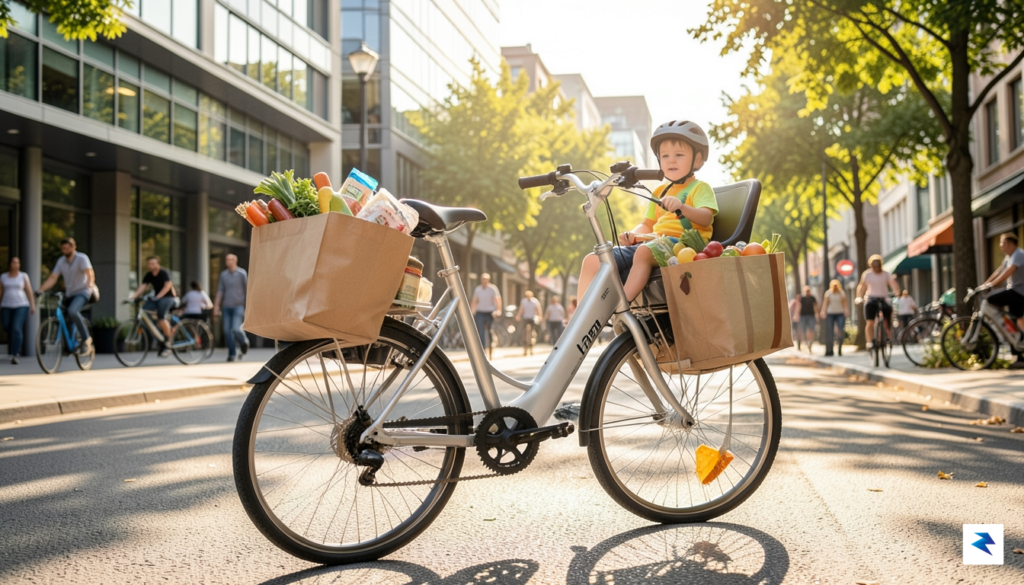
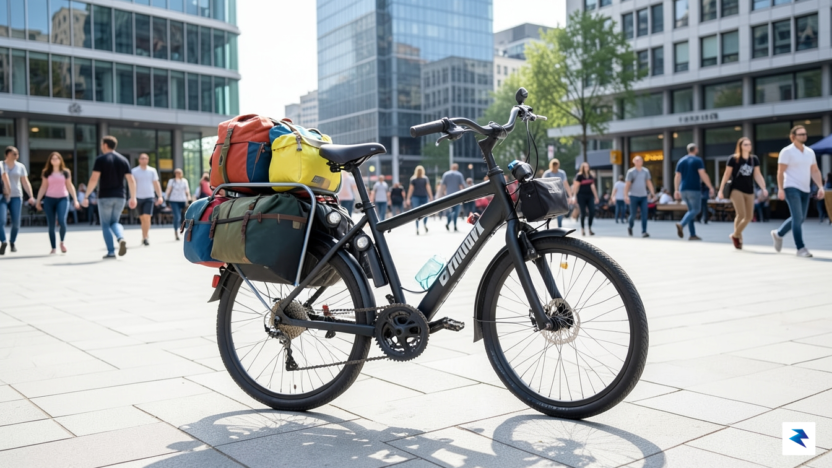
For many owners, an ebike begins its life as a streamlined vehicle designed for a quick, sweat-free trip to the office. However, viewing your frame merely as a commuter tool is like seeing a Swiss Army knife and only using the blade. Modern electric bicycles, with their robust motors and reinforced frames, are essentially blank canvases waiting to be outfitted for serious work. By strategically adding the right accessories, you can transition your ride from a casual weekend cruiser into a legitimate car-replacement machine, capable of hauling groceries, hardware supplies, or even children across town with ease.
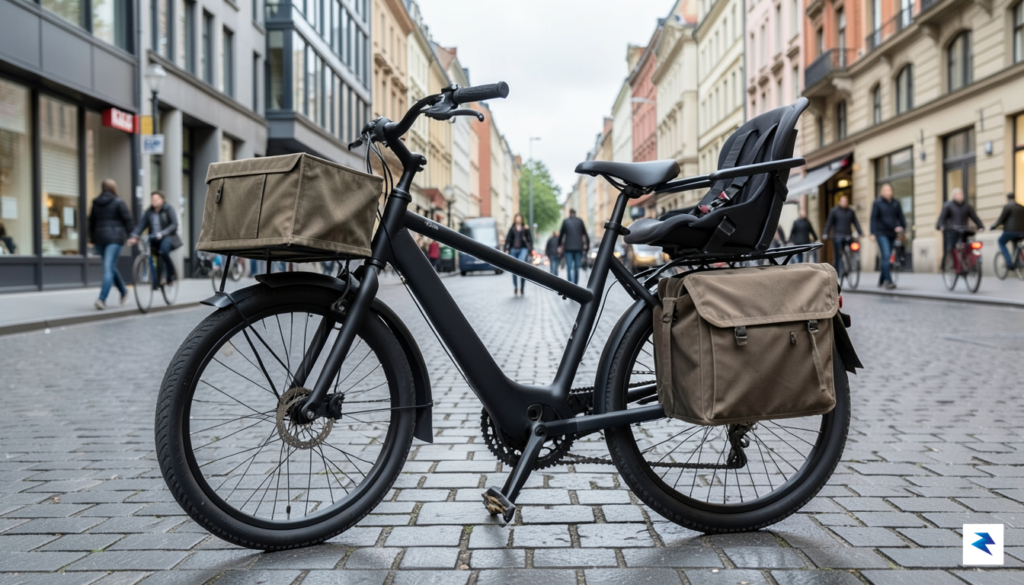
The secret to unlocking this utility potential lies in understanding the physics of weight distribution. When you start adding cargo, you are fundamentally altering the bike’s center of gravity. A commuter setup typically focuses on agility and speed, keeping the rider’s profile light. Conversely, a true cargo configuration prioritizes stability and load management. You must learn to pack heavier items lower and as close to the frame’s center as possible to prevent the “tail-wagging” effect that can occur when weight is placed too far behind the rear axle. By utilizing frame-mounted racks rather than seat-post-mounted ones, you ensure that the load is supported by the structural integrity of the bike rather than the fragile components of your saddle assembly.
To transform your bike into a true hauler, stop thinking about what you can carry, and start thinking about how you can stabilize the load. Effective cargo management is not just about capacity; it is about maintaining the balance that keeps you safe in traffic.
Transitioning to a heavy-duty setup requires a shift in how you view your gear. While a small saddlebag is sufficient for a spare tube and a multi-tool, a utility-focused build demands modularity. Think of your bike as a system of integrated platforms. By incorporating robust front racks, expansive side panniers, and stable kickstands that prevent the bike from tipping while loading, you effectively increase your payload capacity exponentially. This approach doesn’t just make your bike more useful; it changes your lifestyle, allowing you to bypass gridlock and parking headaches while comfortably transporting loads that would otherwise require a gas-guzzling vehicle. As you begin to experiment with different mounting points, remember that every accessory serves a purpose in creating a cohesive, balanced, and highly capable utility machine.
Selecting the Right Racks and Panniers for Balanced Loads
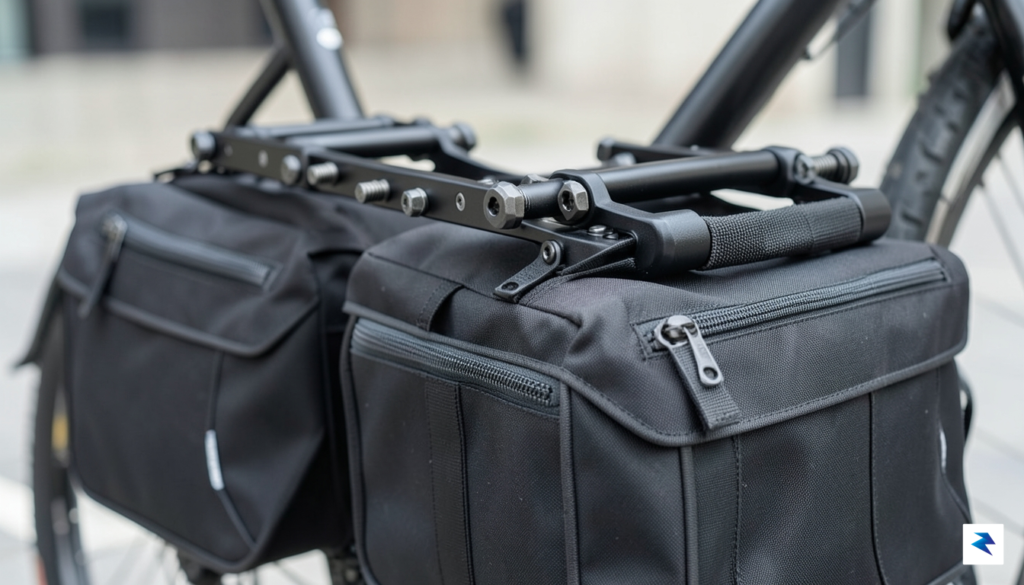
When you are looking to transform your ebike into a serious hauler, the structural integrity of your attachment points is the single most critical factor. Many casual riders opt for seat-post mounted racks because they are inexpensive and easy to install, but these are intended strictly for lightweight, emergency gear. For sustained cargo use, you must utilize frame-mounted racks that bolt directly to the eyelets on your bike’s dropouts and seat stays. By anchoring the load to the frame itself rather than a single point on the seat post, you ensure that the center of gravity remains low and the rack remains rigid under the higher speeds and increased weight typical of electric bikes.
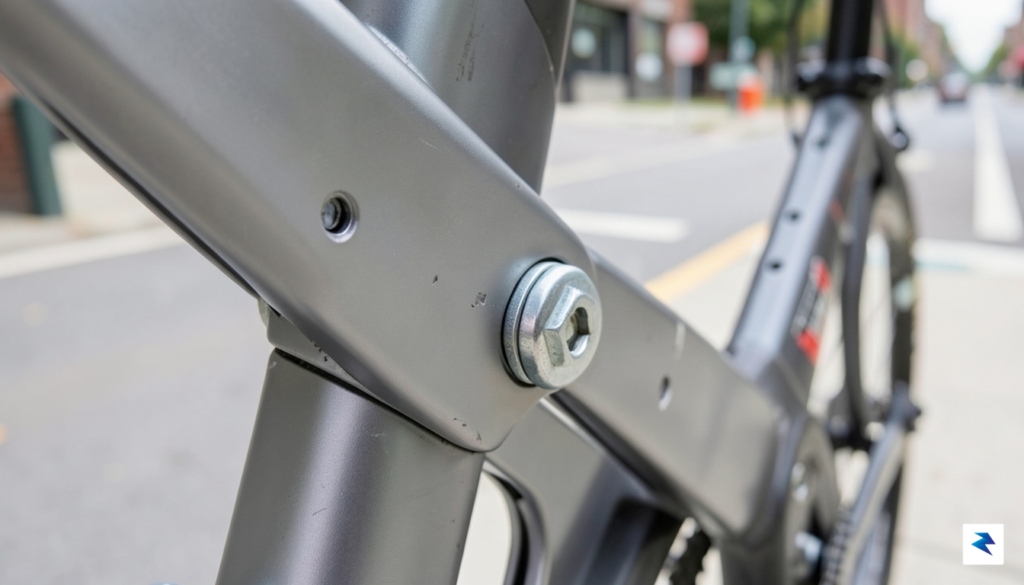
Weight ratings are not merely suggestions; they are engineering limits designed to keep you safe. Always check the manufacturer’s maximum payload capacity for your rack, and remember that this number often includes the weight of the panniers themselves. Exceeding these limits can lead to metal fatigue, cracked welds, or even catastrophic failure while riding, which is particularly dangerous when you are navigating traffic at 20 mph. If you plan on regularly carrying heavy groceries or work equipment, invest in racks specifically rated for “cargo” use, which often feature thicker tubing and reinforced cross-bracing to prevent swaying and snapping.
Always prioritize racks that feature a wide platform and lower-positioned rails. Lower rails allow you to mount your panniers closer to the ground, which significantly lowers your center of gravity and improves the overall handling of your bike.
Choosing the right panniers is just as important as the rack they sit upon. Hard-shell panniers offer superior protection for delicate items like electronics or fragile cargo, shielding them from road debris and weather while maintaining a consistent shape that won’t sag into your spokes. Conversely, soft-fabric panniers are often lighter and more versatile for irregular loads, as they can expand or compress based on your needs. Regardless of the material, the key to successful hauling is balanced weight distribution. You should always aim to distribute your load evenly between the left and right sides of the bike.
Uneven weight distribution is the primary cause of “steering pull,” a phenomenon where the bike naturally tries to veer toward the heavier side. To mitigate this, pack your heaviest items at the bottom of each pannier to keep the weight centered over the rear axle. If you are only carrying a light load, avoid lopsidedness by splitting your items into two smaller bags rather than using one large, overloaded bag on one side. By maintaining this equilibrium, you ensure that your ebike remains stable, predictable, and responsive, allowing you to focus on the road ahead rather than fighting against an unbalanced load.
Safety First: Lighting, Mirrors, and Visibility for Heavy Loads
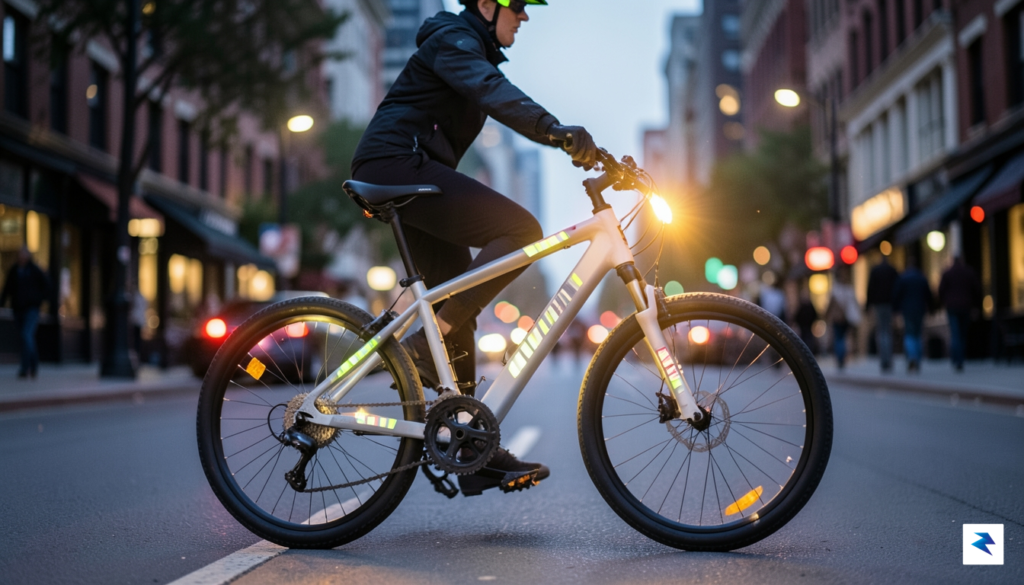
When you transform your ebike into a heavy-duty hauler, you are essentially increasing your physical footprint on the road, which fundamentally changes how you interact with traffic. A loaded bike is less nimble, takes longer to stop, and occupies more space in the lane, making it imperative to prioritize visibility and situational awareness. Because your cargo might obstruct your traditional sightlines or mask your bike’s frame, you must proactively upgrade your safety suite to ensure that motorists and pedestrians can see you coming from a distance, regardless of the lighting conditions.
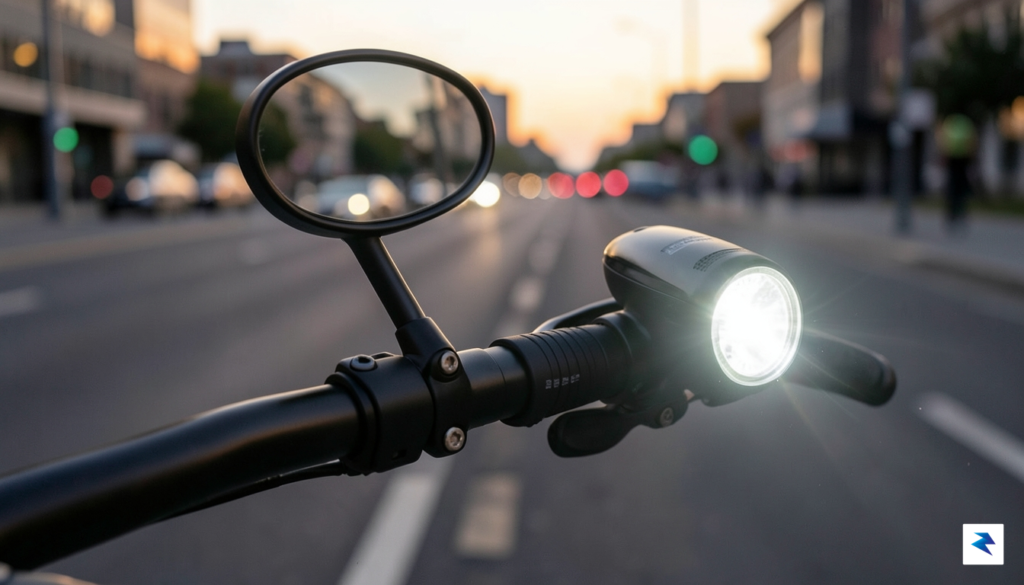
The Necessity of High-Lumen, Hard-Wired Lighting
Standard bicycle lights are often insufficient when you are hauling a significant payload that extends beyond the rear wheel or sits high on a rack. Investing in high-lumen, hard-wired lighting systems is the single most effective way to signal your presence to drivers. Because these lights draw power directly from your ebike’s main battery, you never have to worry about a battery dying mid-trip, ensuring consistent, blinding brightness throughout your entire ride. A robust front light should offer enough throw to illuminate the road well ahead of your increased stopping distance, while a high-intensity rear tail light—preferably one with a brake-sensing feature—will alert following vehicles the moment you begin to slow down under the weight of your cargo.
Mastering Situational Awareness with Mirrors
Managing a heavy load often limits your range of motion; when your bike is packed with oversized items, twisting your torso to check for traffic behind you becomes physically difficult and can even destabilize your steering. This is why bar-end mirrors are no longer a luxury but an essential component of your cargo setup. By installing high-quality, vibration-resistant mirrors, you can maintain a constant, wide-angle view of the road behind you without ever needing to look away from your path. Being able to track approaching vehicles allows you to make informed decisions about when to merge or pull over, effectively compensating for the reduced agility that naturally comes with carrying heavy gear.
To safely navigate the road with a bulky load, your goal should be to maximize your visibility while minimizing the need for sudden, jerky movements that could upset your center of gravity.
Enhancing Visibility Without Cargo Interference
Even with powerful lights, you can still improve your profile using passive safety measures that don’t rely on electricity. Strategically applying reflective tape to the frame, the edges of your cargo rack, and even your panniers can help create a distinct visual outline that signals your size to drivers. When applying this tape, focus on the outermost points of your load to define your full width on the road, ensuring that vehicles give you the appropriate amount of clearance. Additionally, consider wearing high-visibility apparel or using spoke reflectors that catch ambient light from multiple angles. By combining active electronic systems with passive reflective materials, you create a fail-safe environment that keeps you secure, no matter how much weight you are carrying.
Advanced Cargo Solutions: Trailers and Specialized Carriers
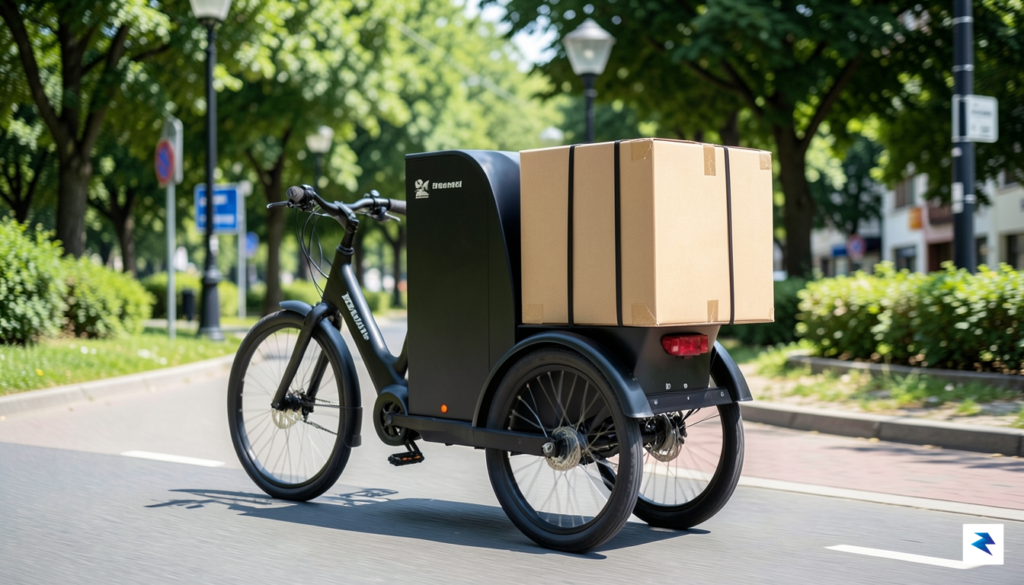
When your grocery run turns into a weekly stock-up or your DIY project requires an entire hardware store aisle, even the most robust racks and panniers will eventually reach their limit. This is the moment to look toward cargo trailers, which act as the ultimate equalizer for e-bike utility. Unlike fixed racks that shift the bike’s center of gravity upward, a trailer keeps the bulk of the weight low and grounded, allowing you to maintain better control while hauling substantial loads that would otherwise overwhelm your frame’s mounting points.
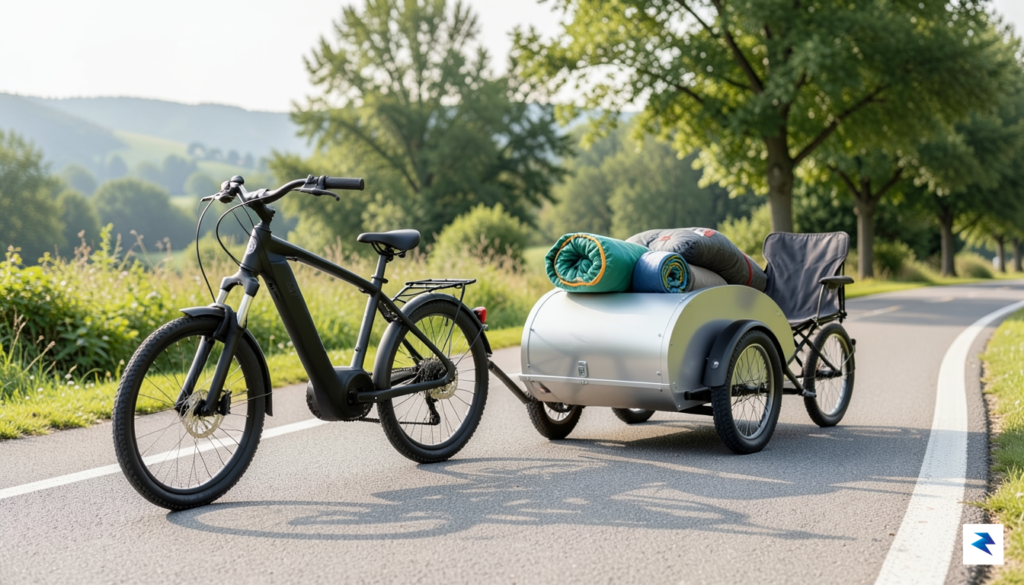
The choice between trailer styles largely depends on your specific cargo needs. Single-wheel trailers, often called “bob-style” trailers, are designed for agility and narrow paths; they track directly behind the bike, making them feel like a natural extension of your frame during tight maneuvers or trail riding. Conversely, two-wheel trailers provide a much wider, more stable platform that excels at carrying heavy, bulky items or even small children and pets. Because two-wheeled models don’t rely on the bike to stay upright while stopped, they are far superior for loading and unloading heavy items without the fear of the entire rig tipping over.
Regardless of the style you choose, the hitch mechanism is the most critical component of your setup. You should prioritize trailers that feature direct-axle mounting points rather than flimsy seat-post clamps. Axle-mounted hitches provide a much more secure and rigid connection, which translates to better power transfer from your motor to the trailer and significantly reduced “sway” during acceleration.
Always verify compatibility with your specific e-bike motor placement and axle type, as mid-drive motors and thru-axles often require specialized hitch adapters to ensure a safe, secure connection.
It is also vital to adjust your riding habits when towing, as the physics of your e-bike will change dramatically. Because you are essentially adding a heavy, unpowered vehicle behind you, your braking distance will increase substantially; you must begin slowing down much earlier than you would on a standard commute to avoid overtaxing your brake pads. Furthermore, you will need to account for a wider turn radius. When navigating intersections or sharp corners, take your turns slightly “wide” to ensure the trailer wheels clear curbs or obstacles, as the trailer will naturally “cut the corner” more aggressively than your bike’s rear wheel. With a little practice and the right hardware, these trailers allow you to replace a second car with a silent, efficient, and incredibly capable machine.
Maintenance and Handling Tips for Loaded Ebikes
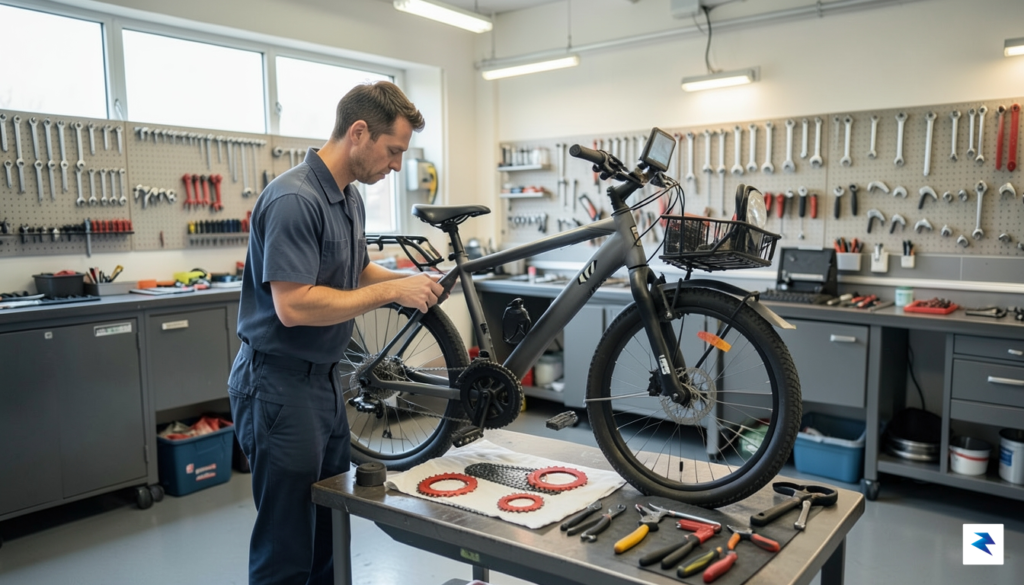
When you transform your ebike into a heavy-duty cargo hauler, you are effectively asking your machine to perform work that exceeds its original design parameters. While modern electric bikes are robust, the added mass of groceries, gear, or passengers places significant, cumulative stress on your drivetrain, motor, and braking system. Understanding this relationship is vital for longevity; failure to account for this increased load often leads to accelerated component fatigue. By adopting a proactive maintenance mindset, you can ensure that your bike remains a reliable workhorse rather than a frequent visitor to the repair shop.
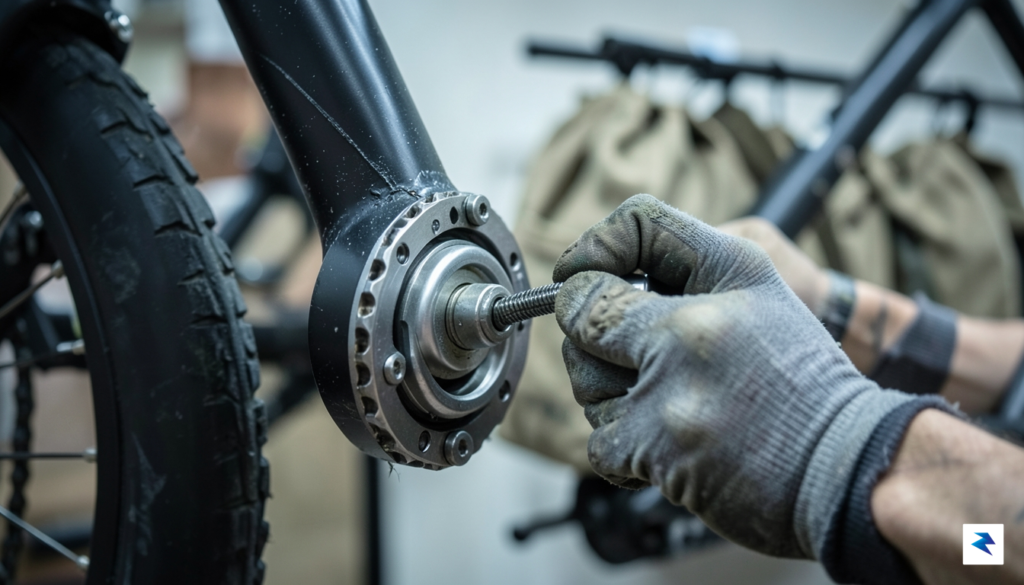
Perhaps the most immediate impact of hauling heavy loads is felt by your braking system. Bringing a loaded bike to a stop requires significantly more friction, which translates to rapid wear on your brake pads and potential warping of your rotors. Because of this, you should inspect your pads at least once every few weeks if you haul daily. If you notice a metallic grinding sound or if your brake levers feel “mushy” or travel closer to the handlebars than usual, it is time for a replacement. Additionally, keeping your tire pressure dialed in is essential for both safety and performance. When carrying heavy loads, you should generally inflate your tires toward the upper end of the manufacturer’s recommended PSI range to prevent pinch flats and reduce rolling resistance, which also helps preserve your battery range.
Your drivetrain also bears the brunt of the extra weight, particularly when starting from a dead stop or climbing inclines. The added tension on your chain and cassette can cause them to stretch and wear prematurely, leading to poor shifting performance and potential mechanical failure. To mitigate this, try to avoid shifting gears under heavy pedal pressure; instead, ease off the torque slightly as you click through the gears to reduce stress on the chain. Furthermore, frequent heavy hauling naturally consumes more battery energy, as the motor works harder to overcome inertia and air resistance. You will likely notice a decrease in total range, so it is wise to plan your charging schedule accordingly to avoid being stranded with a heavy load and no assist.
To keep your cargo ebike running smoothly for years, treat your pre-ride inspection as a non-negotiable ritual rather than an occasional chore.
Before every trip, run through a quick “ABC” safety checklist to ensure your cargo load doesn’t compromise your ride:
- Air: Check your tire pressure to ensure it matches the load requirements.
- Brakes: Squeeze both levers to confirm firm engagement and check that the pads aren’t worn down to the metal backing.
- Cargo Security: Double-check that all straps, bungee cords, or pannier clips are tight and that no loose fabric can catch in the spokes or drivetrain.
- Chain: Ensure your chain is properly lubricated, as the increased torque of a loaded bike accelerates dry-running wear.
By staying vigilant and addressing these maintenance needs before they become critical failures, you ensure that your ebike remains a dependable tool for all your hauling needs. Consistent care not only preserves the value of your investment but also ensures that every journey remains safe and efficient, no matter how much you decide to carry.