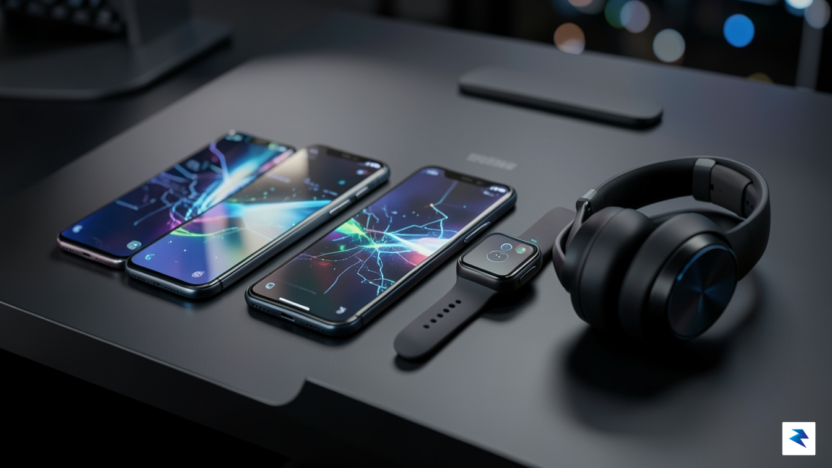
Navigating Prime Day: Strategies for Tech Savings

Prime Day has evolved significantly from its humble beginnings as a single day of flash sales. It’s no longer just a spontaneous shopping spree but a meticulously calculated period, offering tech enthusiasts a prime opportunity to upgrade their hardware with substantial discounts. This annual event now spans multiple days, presenting a vast landscape of deals across categories like phones, smartwatches, laptops, and smart home devices. However, navigating this extensive sale requires more than just luck; it demands a strategic, informed approach to truly capitalize on the best offers and avoid common pitfalls. Understanding the underlying mechanics of Prime Day is the first crucial step toward securing genuine savings.
At the very core of unlocking any Prime Day deal lies an active Amazon Prime membership. This isn’t merely a suggestion; it’s a non-negotiable prerequisite that serves as your exclusive pass to the event’s myriad offers. Without it, the majority of the advertised discounts will remain inaccessible, visible yet out of reach. Therefore, if you’re serious about taking advantage of the deep price cuts on highly sought-after tech gadgets, ensure your membership is current or consider signing up for a free trial just before the event begins. This foundational step is often overlooked in the excitement, but it’s the essential first layer of preparation for any savvy Prime Day shopper aiming for significant tech savings.
One of the most critical strategies for smart Prime Day shopping involves scrutinizing the legitimacy of advertised discounts. Amazon, like many retailers, can sometimes present a “deal” that isn’t quite as revolutionary as it appears, occasionally raising prices before the sale to make the discount seem more substantial. This is where price history tracking tools become invaluable; services like CamelCamelCamel or Keepa allow you to view a product’s price fluctuations over time, revealing its true lowest price points. By checking these historical charts, you can confidently determine whether a Prime Day offer is a genuine, market-leading discount or merely a return to a frequently seen price, empowering you to make truly informed purchasing decisions rather than falling for perceived savings.
Prime Day is expertly designed to create a sense of urgency, with many of the most attractive tech deals presented as “Lightning Deals” or limited-time offers that vanish quickly. This psychological tactic is highly effective in prompting impulse buys, making shoppers feel as though they must act immediately or miss out on an unprecedented opportunity. While genuine flash sales do exist, it’s crucial to approach these with a cool head. Before clicking “buy now,” take a moment to cross-reference the item against your pre-planned shopping list and its historical pricing. Resist the pressure to purchase something simply because it’s framed as fleeting; often, similar deals may reappear, or the “missed” deal wasn’t as extraordinary as it initially seemed.
To effectively manage your budget and prevent impulse purchases, cultivating a well-defined shopping list is paramount. Before Prime Day even begins, create two distinct categories: “must-have” items and “nice-to-have” gadgets. Your “must-have” list should include essential upgrades or replacements you genuinely need, like a new smartphone because your current one is failing, or a smartwatch to replace a broken one. The “nice-to
Top-Tier Smartphone Discounts and Flagship Value

Prime Day consistently stands out as a pivotal moment for tech enthusiasts, and perhaps no category draws more anticipation than smartphones. While the tech industry pushes out a constant stream of new models throughout the year, savvy shoppers understand that the real sweet spot for value often lies in the mid-cycle price drops on proven flagships. Instead of chasing the very latest release at full premium, Prime Day in 2026 offers an unparalleled opportunity to acquire a device that delivers top-tier performance, features, and build quality at a significantly reduced cost, providing the best price-to-performance ratio for the discerning consumer.
The lifecycle of a flagship smartphone is a predictable dance. Typically, a new flagship launches with much fanfare, commanding its full, premium price for the first 6-9 months. As the next generation begins to loom on the horizon, or competing devices enter the market, manufacturers strategically introduce their first significant price adjustments. Prime Day often aligns perfectly with this window, transforming a cutting-edge device from the previous year into an incredible bargain. These aren’t outdated relics; they are robust, reliable devices that have had their initial software kinks ironed out and their long-term performance validated by millions of users, now accessible without the initial early adopter premium.
When considering a smartphone purchase, the choice often boils down to a brand-new mid-range device versus a year-old flagship. In 2026, the argument for the latter is stronger than ever. A flagship from late 2025, even with a year under its belt, will almost invariably outperform a brand-new mid-range phone released in 2026 across virtually every critical metric. You’re investing in superior build materials, more advanced camera systems, a significantly more powerful and efficient processor, and often, a longer commitment to software updates, ensuring your device remains relevant and secure for years to come. The longevity and raw capability of a flagship’s components far outweigh the marginal improvements or novelty of a newer, but ultimately less capable, mid-tier option.
What truly matters in a smartphone in 2026 often boils down to specific enduring features. Camera systems, for instance, are not just about megapixels; they involve sophisticated computational photography, larger sensors, and advanced image processing that simply don’t trickle down to mid-range devices at the same pace. Similarly, battery life in a flagship benefits from highly optimized software and more energy-efficient processors that maintain their stamina over time. Processor longevity is another key factor; a top-tier chip from 2025 will comfortably handle demanding applications, high-refresh-rate gaming, and advanced AI tasks for several years, whereas a new mid-range chip might already be pushing its limits. These core strengths make a slightly older flagship a much smarter, more future-proof investment.
Identifying a Truly Substantial Discount
Navigating Prime Day deals requires a keen eye to differentiate a true bargain from a superficial markdown. A substantial discount on a flagship smartphone isn’t just a random percentage off; it’s a significant reduction from its original Manufacturer’s Suggested Retail Price (MSRP) and often represents an all-time low price point for that particular model. We recommend establishing the original launch price and then tracking its typical sale prices over the last few months. A discount that puts the device at 20-30% off its MSRP, or even more, is generally considered excellent. Furthermore, consider bundled offers – sometimes a phone deal is sweetened with free accessories, extended warranties, or gift cards, adding even more value to your purchase.
Pro Tip: Always compare the Prime Day price against the phone’s historical pricing, not just its current non-sale price. Tools and websites that track price history can be invaluable in confirming you’re getting the absolute best deal on a flagship device.
Ultimately, Prime Day 2026 presents a golden opportunity to elevate your mobile experience without breaking the bank. By strategically targeting a proven flagship smartphone that’s about a year old, you gain access to premium performance, superior features, and lasting value that few other sales events can match. This intelligent approach ensures you’re not just buying a phone, but investing in a high-quality device that will serve you exceptionally well for years to come.
Wearable Tech: Smartwatches and Fitness Trackers on Sale
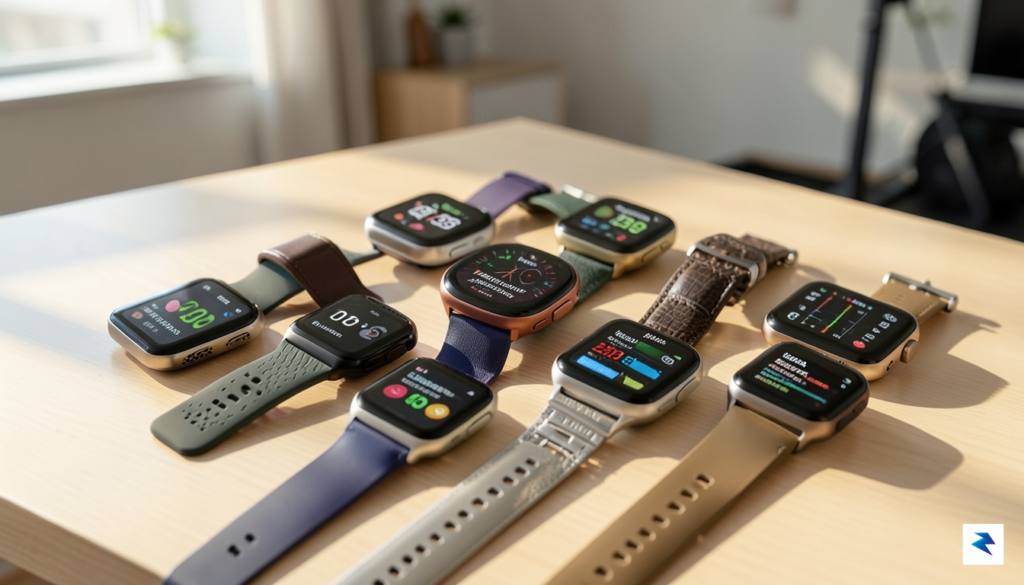
The landscape of wearable technology has evolved from simple step counters into sophisticated, personal health ecosystems that act as gatekeepers to our daily well-being. Because these devices rely on long-term data collection—monitoring everything from nocturnal heart rate variability to blood oxygen saturation—manufacturers are highly incentivized to get them on your wrist as quickly as possible. During Prime Day, you will notice aggressive discounting not merely as a clearing-out of old inventory, but as a strategic push to onboard new users into proprietary software platforms. By lowering the entry price, companies ensure that you become accustomed to their specific interface, notification style, and health metrics, making you significantly more likely to invest in their future generations of hardware.
Choosing Between Fitness Bands and Full-Featured Smartwatches
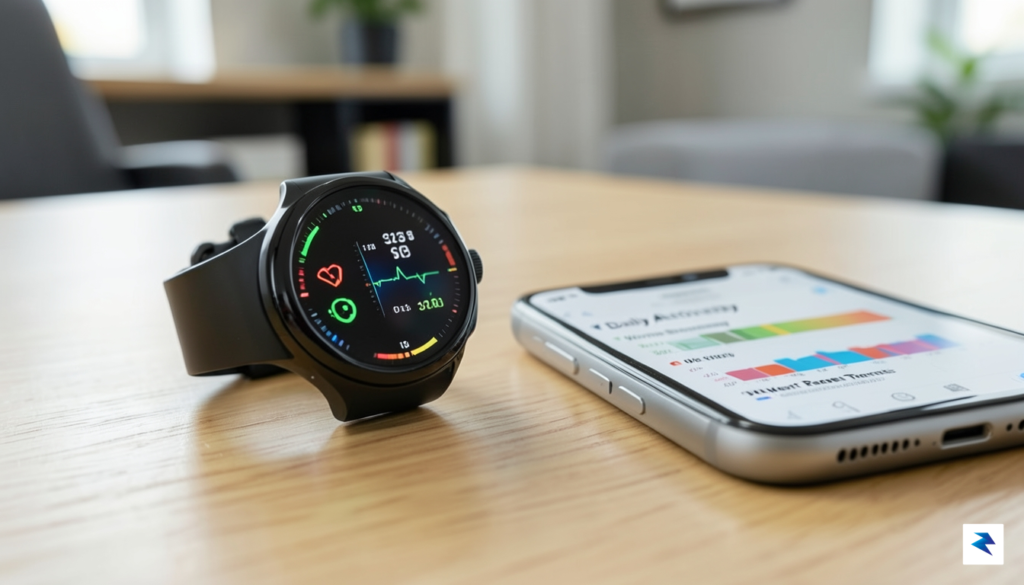
When navigating these deals, it is essential to distinguish between a dedicated fitness tracker and a fully integrated smartwatch. Fitness bands, characterized by their slim profiles and long battery life, are primarily designed for passive data collection and basic notification mirroring. They are the ideal choice for those who prioritize battery longevity and unobtrusive health monitoring. In contrast, full-featured smartwatches function as extensions of your smartphone, offering advanced applications, cellular connectivity, and deeper integration with your existing digital life. While the former focuses on utility and health metrics, the latter provides a comprehensive ecosystem experience, often at a higher hardware cost that makes Prime Day savings particularly impactful.
Before pulling the trigger on a discounted model, evaluate the ecosystem lock-in: ensure the watch OS is fully compatible with your current phone to avoid limited functionality.
As you browse the sales, pay close attention to the version numbers and software support lifecycles. A significant price drop often signals that a manufacturer is clearing the shelves for an upcoming hardware refresh. While a “last-generation” device can offer incredible value, verify that the manufacturer has committed to ongoing security patches and health algorithm updates. You can typically identify a genuine clearance sale by checking if the model is the current flagship or if a successor has already been announced. If the device remains the current standard-bearer for the brand, the discount is a rare opportunity to secure premium sensor accuracy—which is vital for reliable health insights—without the steep “early adopter” tax that accompanies a new product launch.
Essential Accessories and Smart Home Upgrades
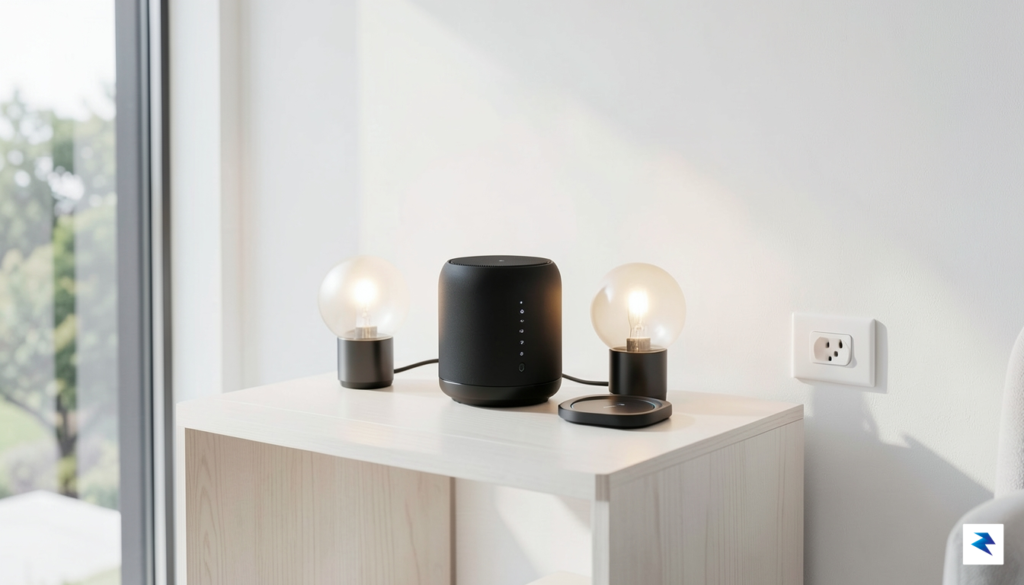
While the annual Prime Day event invariably captures headlines with significant discounts on flagship smartphones, next-generation smartwatches, and high-spec laptops, the true savvy shopper understands that some of the most impactful upgrades aren’t always the most expensive or the most talked-about. The real ‘hidden gems’ often lie within the vast ecosystem of accessories and smart home devices designed to seamlessly integrate with your existing tech, significantly boosting daily productivity and enhancing your living environment. These are the peripherals and smart solutions that transform a good device into an indispensable tool, making your primary tech more useful, efficient, and enjoyable, often at prices that make them impossible to resist.
Elevating Your Personal Productivity
Consider, for instance, the profound difference a quality pair of noise-canceling wireless earbuds can make to your workday or commute. Beyond just playing music, the latest models offer crystal-clear call quality, multi-device connectivity for effortless switching between your phone and laptop, and active noise cancellation that carves out a pocket of silence in even the busiest environments. This isn’t just about entertainment; it’s about creating a focused workspace wherever you are, ensuring uninterrupted concentration during important calls or deep work sessions. Similarly, the unsung heroes of on-the-go efficiency often include high-capacity portable chargers and fast external SSDs. A reliable power bank with rapid charging capabilities ensures your devices never run dry during critical moments, while a compact, speedy external solid-state drive provides instant access to large files, backups, and media libraries without bogging down your primary device, making it invaluable for students, remote workers, and content creators alike.
Ergonomic peripherals, though perhaps less glamorous, offer long-term benefits that directly impact your comfort and output. Investing in a properly designed ergonomic keyboard and mouse can mitigate strain from extended use, fostering better posture and reducing the risk of repetitive strain injuries. These aren’t mere accessories; they’re essential tools for anyone spending significant hours in front of a screen, enhancing both comfort and typing accuracy. Furthermore, high-quality webcams and studio microphones, often discounted during Prime Day, can drastically improve the professionalism of your virtual meetings and online content creation, ensuring you look and sound your best in every digital interaction.

Seamless Smart Home Integration and Convenience
Shifting from personal productivity to the connected living space, Prime Day also presents an unparalleled opportunity to build out or refine your smart home ecosystem. At the foundation of any truly smart home is a robust and reliable network, making mesh Wi-Fi systems a prime target for discounts. These systems eliminate dead zones, provide consistent coverage across multiple floors, and handle numerous connected devices simultaneously, ensuring smooth streaming, lag-free gaming, and reliable performance for all your smart gadgets. Without a strong network, even the best smart devices can fall short of their potential, so prioritize this foundational upgrade.
Beyond connectivity, smart plugs and intelligent lighting solutions are entry points into home automation that offer immense convenience and potential energy savings. Imagine effortlessly controlling lamps, coffee makers, or fans with just your voice or a tap on your smartphone, even when you’re away from home. Smart light bulbs, meanwhile, allow for customizable ambiance, scheduling, and energy monitoring, transforming your home’s atmosphere while often reducing electricity consumption. For enhanced security and peace of mind, smart cameras and video doorbells provide remote monitoring, motion alerts, and two-way communication, allowing you to keep an eye on your property and interact with visitors from anywhere in the world. These devices integrate seamlessly with popular voice assistants and smart displays, acting as a central hub for controlling your entire smart home, playing media, and accessing information hands-free.
“The true measure of a smart purchase isn’t just the discount, but how much value it adds to your daily life. Prime Day is perfect for finding those complementary tech pieces that genuinely elevate your routine.”
Ultimately, Prime Day’s true value often lies not just in the headline-grabbing devices, but in these complementary technologies that enhance, secure, and streamline your daily interactions with the digital world. By looking beyond the obvious, you can uncover deals on accessories and smart home innovations that offer significant long-term benefits, making your tech ecosystem more efficient, convenient, and enjoyable for years to come.
How to Verify Genuine Deals and Avoid Impulse Buys

Prime Day’s dazzling array of tech deals can be incredibly tempting, creating an atmosphere where the fear of missing out often overshadows rational decision-making. While snagging a fantastic discount on a new smartphone or smartwatch feels like a victory, the true win lies in making a purchase that genuinely benefits you and your wallet, rather than falling victim to an impulse buy or a cleverly disguised ‘discount trap.’ Protecting your finances and ensuring satisfaction requires a strategic approach, a final checklist designed to filter genuine value from fleeting temptation before you ever click ‘buy now.’
One of the most effective strategies to combat impulse buying, especially with high-value electronics, is to implement the ‘Three-Day Rule.’ This simple yet powerful method suggests that for any non-essential item you’re considering, you should wait a full 72 hours before completing the purchase. During this period, the initial excitement often wanes, allowing you to objectively assess if the item genuinely fulfills a need or if it was merely the thrill of the discount driving your interest. While Prime Day deals are time-sensitive, adding the item to your cart and stepping away for even 24 hours can provide enough perspective to distinguish between a genuine need and a fleeting desire, ultimately preventing buyer’s remorse.
Beyond managing your impulses, a critical step in securing a smart Prime Day tech deal involves scrutinizing the seller. Amazon’s marketplace is vast, featuring products sold directly by Amazon, as well as by countless third-party merchants. Always check the “Sold by” and “Ships from” details on the product page; ideally, you’re looking for items “Sold by Amazon