The Best Amazon Prime Day Finds Under $30 (2026 Edition)
Navigating Prime Day on a Budget The sheer volume of deals unleashed during major retail events like Amazon Prime Day can be overwhelming,…
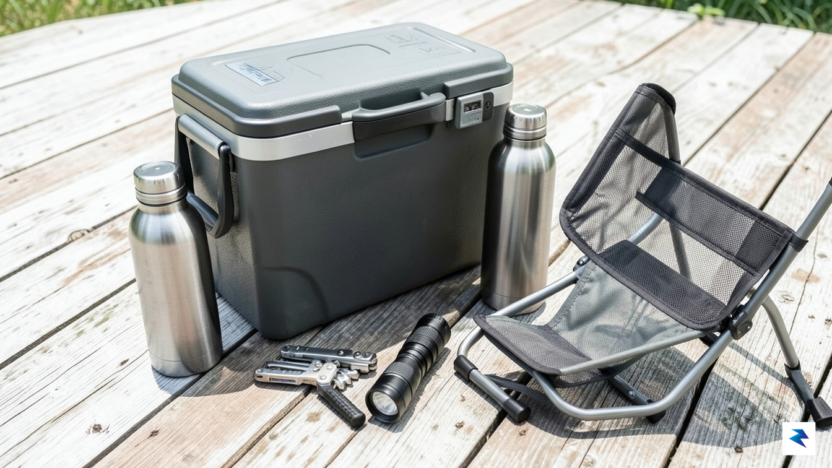
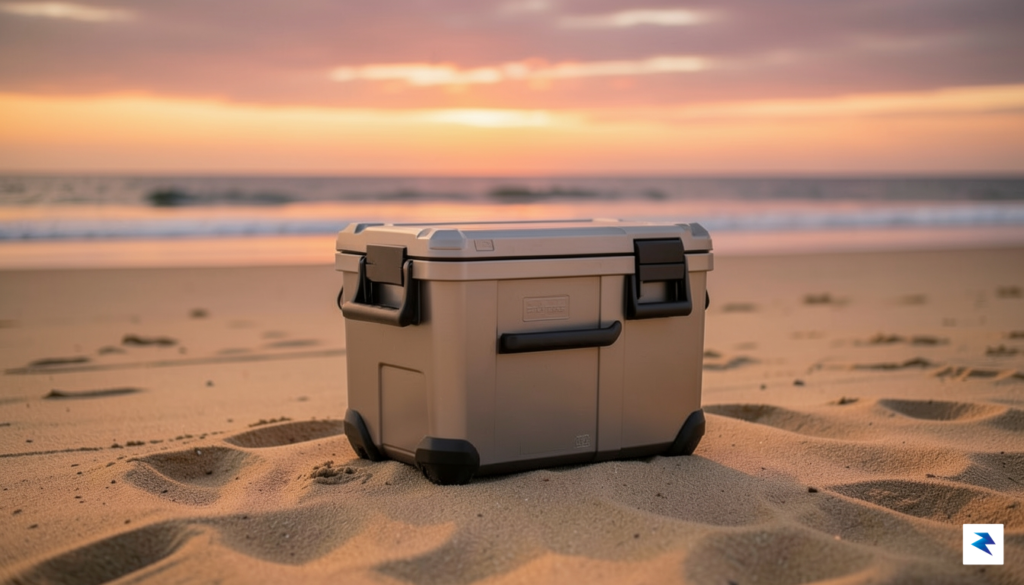
For far too long, many outdoor enthusiasts have treated coolers as disposable, seasonal commodities. We have all been there: buying a cheap, thin-walled plastic box at a gas station or big-box store only to watch the ice melt into a lukewarm puddle within a few hours of reaching the campsite. This cycle of replacing subpar gear every summer is not only frustrating but ultimately more expensive in the long run. Embracing a “buy it for life” philosophy regarding your outdoor equipment shifts the perspective from viewing a cooler as a simple storage bin to seeing it as a critical piece of infrastructure for your food safety and convenience. When you invest in high-performance insulation, you are paying for the peace of mind that comes with knowing your perishables will remain at safe temperatures regardless of the sweltering heat outside.
Amazon Prime Day serves as a rare, mid-year window where the barrier to entry for these professional-grade products drops significantly. Retailers recognize that summer is the peak season for camping, road trips, and tailgating, making this event the strategic moment to offer steep discounts on premium inventory. By capitalizing on these sales, you can secure heavy-duty, rotomolded construction or advanced thermoelectric technology at a fraction of the typical retail cost. It is an ideal opportunity to bridge the gap between “good enough” and “built to last,” allowing you to upgrade your setup before your next major excursion without breaking your budget.
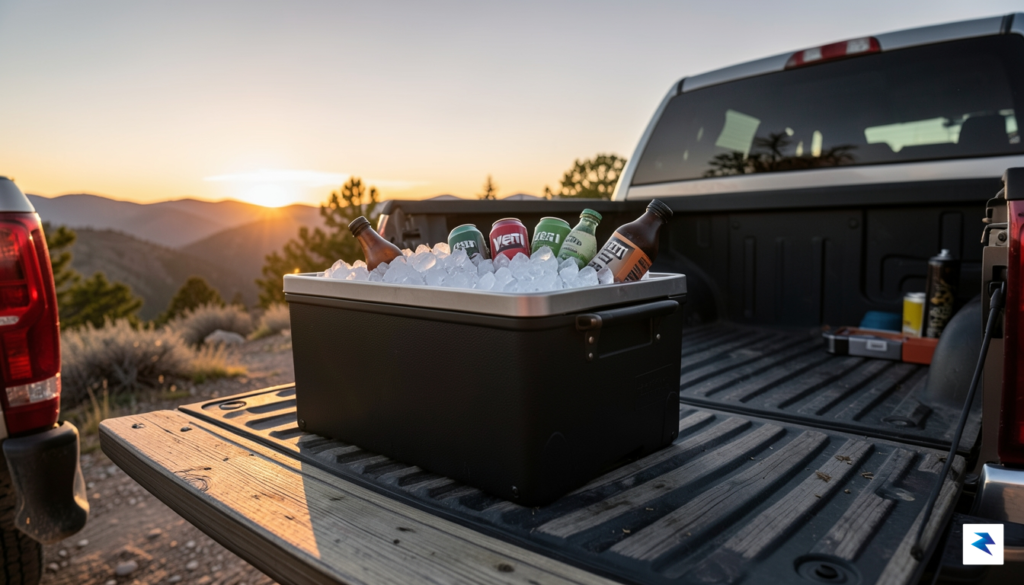
Investing in a premium cooler is not just about keeping drinks cold; it is about extending the duration of your adventures and ensuring the safety of your supplies in remote locations.
Beyond the immediate financial savings, there is a profound functional difference between budget models and industry-leading gear from brands like Yeti, Igloo, or Ninja. High-end coolers are engineered with superior thermal efficiency, utilizing thicker pressure-injected polyurethane foam and airtight gaskets that mimic the performance of a household refrigerator. Whether you are navigating a multi-day backcountry trek, hosting a backyard barbecue, or simply trying to keep groceries fresh on a long drive, the consistency of these units is unmatched. By choosing to upgrade during these massive sales events, you aren’t just snagging a deal; you are fundamentally improving the quality of your outdoor experiences for years to come.
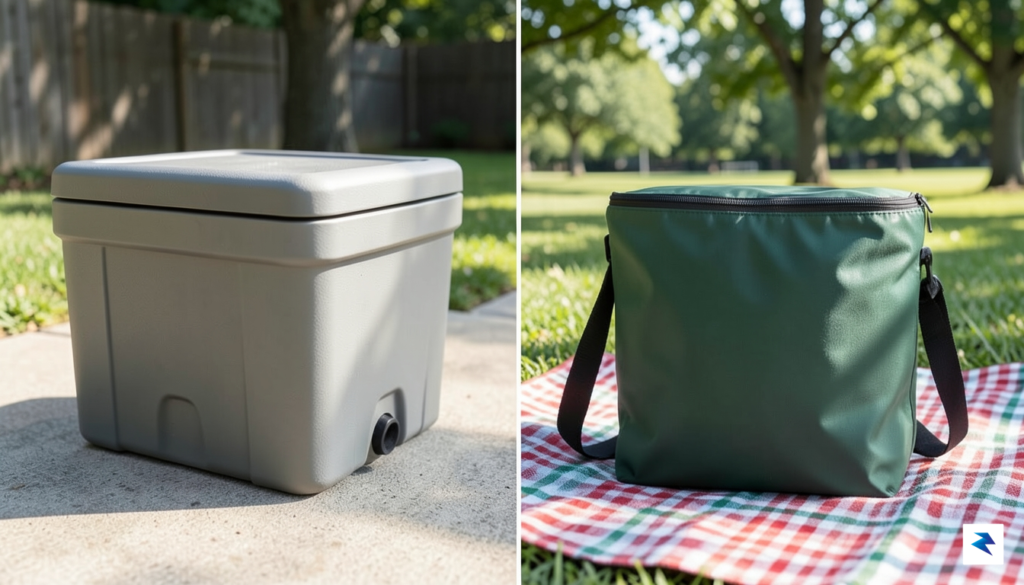
When you begin browsing for a new cooler, the sheer variety of construction materials can feel overwhelming. At the high end of the spectrum, you will find rotomolded coolers, which are essentially the tanks of the cooling world. These containers are manufactured using a process called rotational molding, where plastic is heated and rotated in a mold to create a seamless, thick-walled shell. This engineering feat results in incredible durability and—more importantly—unmatched ice retention, often keeping items frozen for five to seven days. Because of their heavy-duty insulation and sturdy exterior, they are the gold standard for long-term camping trips, off-grid adventures, or any scenario where your cooler will take a beating in the back of a truck or on a boat.
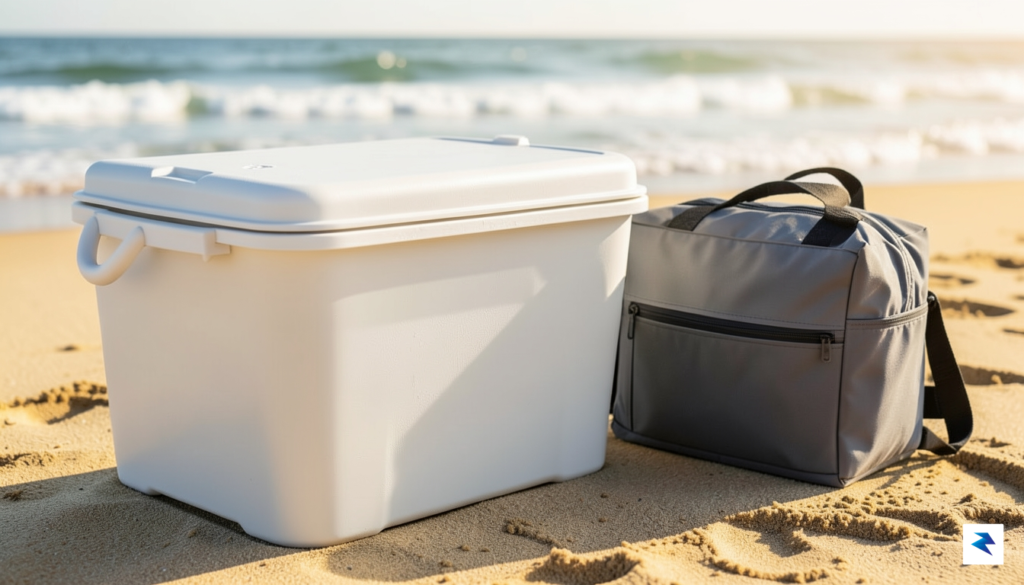
On the other end of the spectrum, soft-sided coolers prioritize agility and user comfort. These are typically crafted from high-density, puncture-resistant fabrics lined with specialized closed-cell foam insulation. While they cannot compete with the week-long ice retention of a rotomolded chest, they are significantly lighter and easier to transport. They are designed for the “grab-and-go” lifestyle: think sunset picnics, quick trips to the neighborhood park, or keeping drinks cold during a short hike. Because they are flexible, you can easily stash them in a trunk or over your shoulder, making them the ultimate tool for situations where mobility is more valuable than absolute thermal performance.
To choose the right cooler, ask yourself: Are you anchoring a base camp for several days, or are you moving between activities? The answer dictates whether you need the tank-like protection of rotomolding or the lightweight efficiency of a soft-sided bag.
To help you narrow down your Prime Day choices, consider this simple decision matrix for your lifestyle:
Ultimately, investing in the right cooler is about matching the equipment to your specific cadence of travel. There is no point in lugging a 40-pound empty rigid cooler to a two-hour beach trip, just as there is little benefit in relying on a soft bag for a week in the desert. By assessing how much weight you are willing to carry and how long you truly need your ice to last, you can navigate these sales with confidence and ensure you are buying a tool that serves your needs for years to come.
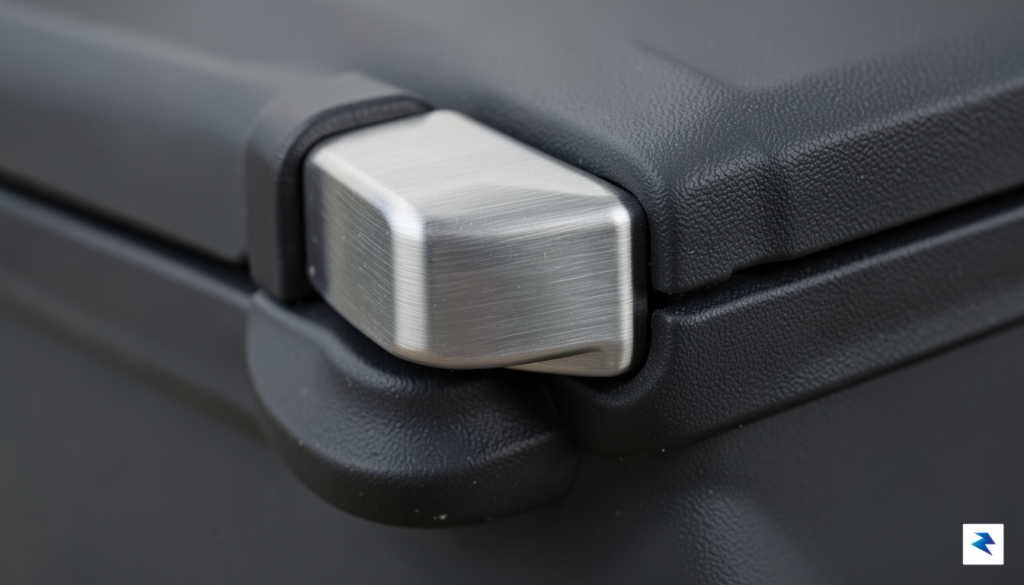
For years, Yeti has reigned as the industry gold standard, effectively defining what a high-performance cooler should be. While the premium price tag often gives casual shoppers pause, the engineering behind their products—ranging from proprietary Permafrost insulation to virtually indestructible heavy-duty rubber latches—justifies the investment for anyone serious about outdoor adventures. When you purchase a Yeti, you aren’t just buying a container for ice; you are investing in a piece of equipment that is over-engineered to withstand everything from scorching beach days to rugged backcountry excursions. During Prime Day, these top-tier models finally drop to prices that make them accessible for the average household, providing a rare opportunity to secure professional-grade cooling technology for a fraction of the usual cost.
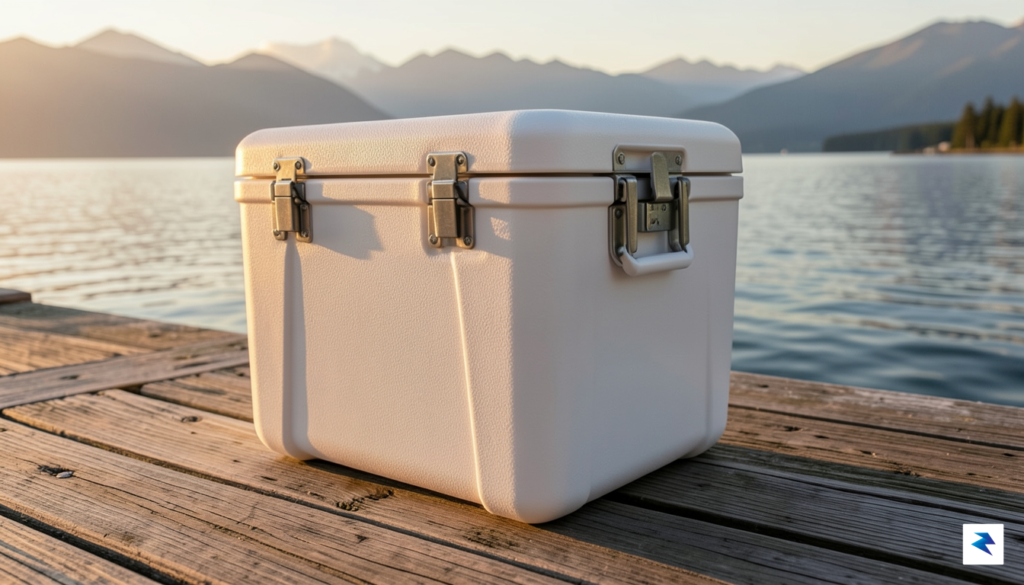
The secret to Yeti’s legendary performance lies in its roto-molded construction. Unlike the thin, injection-molded plastic found in bargain-bin coolers, a roto-molded Yeti is essentially one continuous piece of heavy-duty polyethylene, making it incredibly resistant to drops, impacts, and even the occasional curious bear. This structural integrity allows for a thicker wall design that houses high-density foam, ensuring that cold air stays trapped inside for days on end. When you consider the long-term economics of the situation, the value becomes clear: instead of spending fifty dollars every year to replace a flimsy cooler with a broken hinge or a leaky drain plug, a single Yeti purchase can last for decades. This shift in mindset transforms a high upfront cost into a genuine long-term saving, especially when you can snag a Tundra or Roadie model while the current sales are active.
The true value of a premium cooler isn’t just in the ice retention; it is in the peace of mind that comes from knowing your food and drinks will remain cold regardless of the ambient temperature or the intensity of your journey.
If you are looking to upgrade your setup, keep your eyes on the Tundra series and the more portable Roadie series. The Tundra remains the workhorse of the lineup, perfect for extended camping trips or massive backyard gatherings where capacity and extreme ice retention are paramount. Conversely, the Roadie is built for those who prioritize mobility, offering a slimmer profile that fits easily into the trunk of a car or a small boat without sacrificing the brand’s signature durability. Whether you choose the massive internal capacity of the Tundra or the grab-and-go convenience of the Roadie, these Prime Day discounts offer the perfect entry point into a superior cooling experience that standard plastic coolers simply cannot replicate.
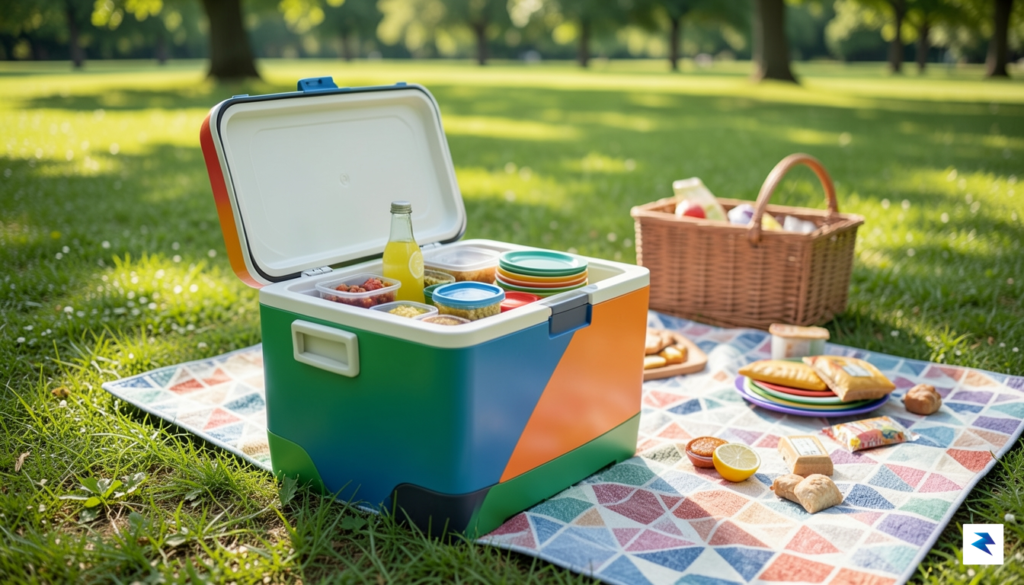
While premium, rotomolded coolers often dominate the conversation, the reality is that most weekend adventures don’t require gear capable of surviving a trip across the arctic. For trips to the local park, family soccer games, or backyard barbecues, brands like Igloo and Ninja offer a compelling blend of practicality and thermal efficiency that hits the sweet spot for most consumers. These brands have pivoted away from the idea that a cooler must be a heavy, expensive fortress to be effective, instead focusing on ergonomic design, lightweight materials, and user-centric features that make hauling supplies much less of a chore.
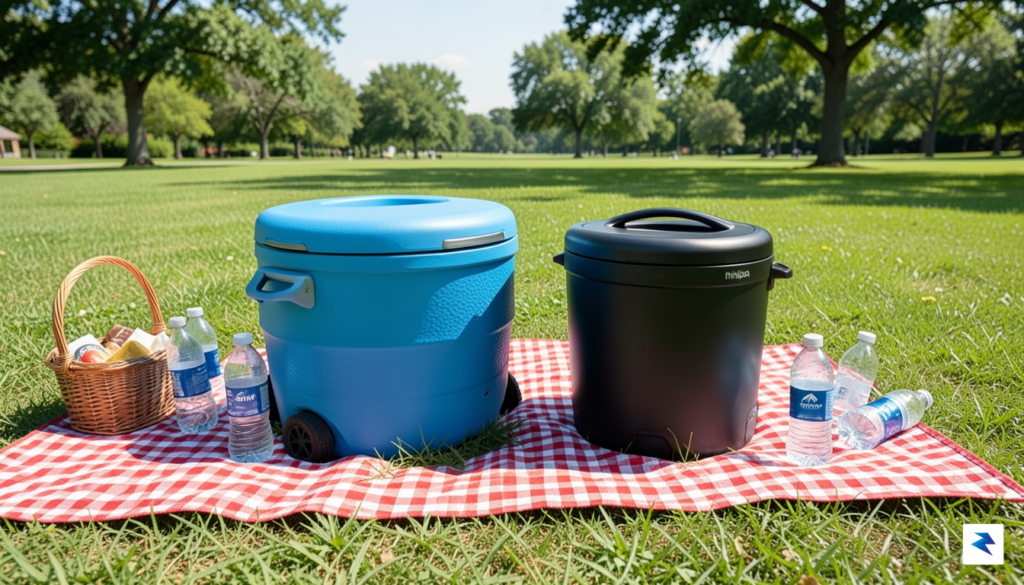
Igloo has long been the gold standard for accessible, reliable cooling, but their modern lineup offers much more than just the basic plastic boxes of yesteryear. Their latest iterations feature upgraded insulation technology that significantly extends ice retention, ensuring your drinks stay cold throughout the hottest summer afternoons. By prioritizing features like deep-tread wheels and telescopic handles, Igloo makes it remarkably easy to transport a fully loaded cooler across sandy beaches or uneven terrain. This shift toward mobility means you can enjoy the benefits of a large-capacity cooler without needing a heavy-duty truck or a second person to help you lift it into your vehicle.
On the other end of the spectrum, Ninja has recently disrupted the market by bringing their expertise in high-performance kitchen appliances to the outdoor cooling space. Their entries are designed with the modern adventurer in mind, often incorporating thoughtful details such as integrated cup holders, dry-storage compartments, and exceptionally rugged exteriors that can double as extra seating. Because they are designed to be versatile, a Ninja cooler isn’t just a box for ice; it’s a functional station that keeps your snacks protected and your beverages within reach. Choosing these brands during a Prime Day sale is an excellent strategy for those who want to maximize their budget without sacrificing the convenience of modern, high-quality gear.
Value Tip: When shopping for a cooler, look for models that emphasize “usability features” like oversized wheels and easy-drain plugs. These small details often have a bigger impact on your day-to-day experience than the absolute maximum ice-retention ratings found in expedition-grade models.
Ultimately, investing in a cooler from a brand that understands the balance between value and performance allows you to allocate your savings toward better food, drinks, or future trip experiences. Whether you are leaning toward the time-tested reliability of an Igloo or the fresh, innovative features found in the Ninja lineup, you are securing a product that bridges the gap between casual convenience and serious outdoor utility. These coolers prove that you don’t need to break the bank to ensure your refreshments stay frosty from the first pitch of the game to the final sunset of your weekend getaway.
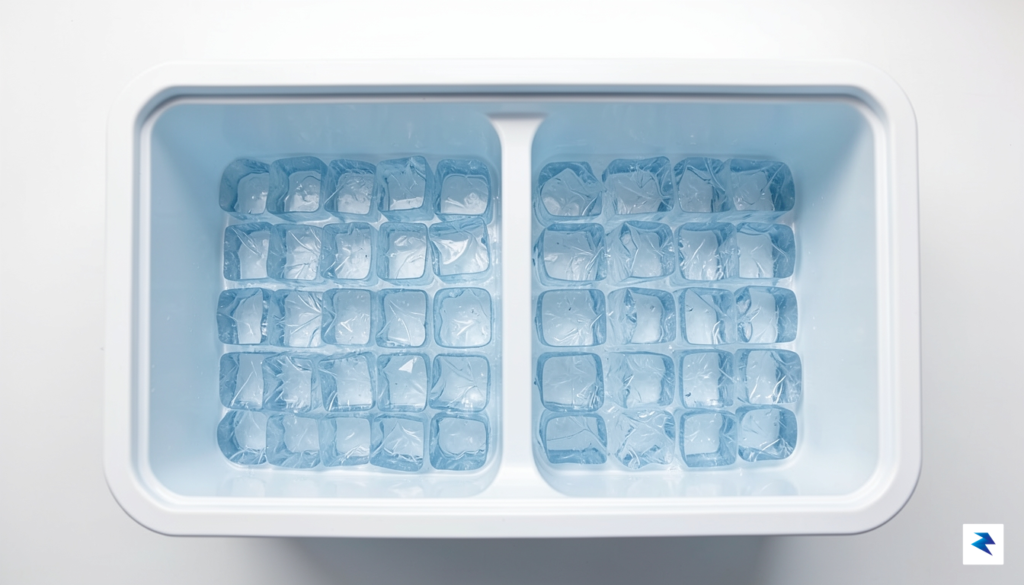
Investing in a high-quality cooler is only the first step toward achieving professional-grade chilling performance. To truly get the most out of your purchase, you must treat your cooler as a piece of precision equipment rather than just a plastic box. The secret starts long before you head to the campsite or the beach: the pre-chill method. By filling your cooler with a bag of sacrificial ice or placing it in a cool, shaded area overnight, you bring the interior temperature down so your main supply of ice isn’t wasted simply cooling the walls and insulation of the unit itself. This simple, proactive step can significantly extend the life of your ice, ensuring that your refreshments stay frosty for days rather than hours.
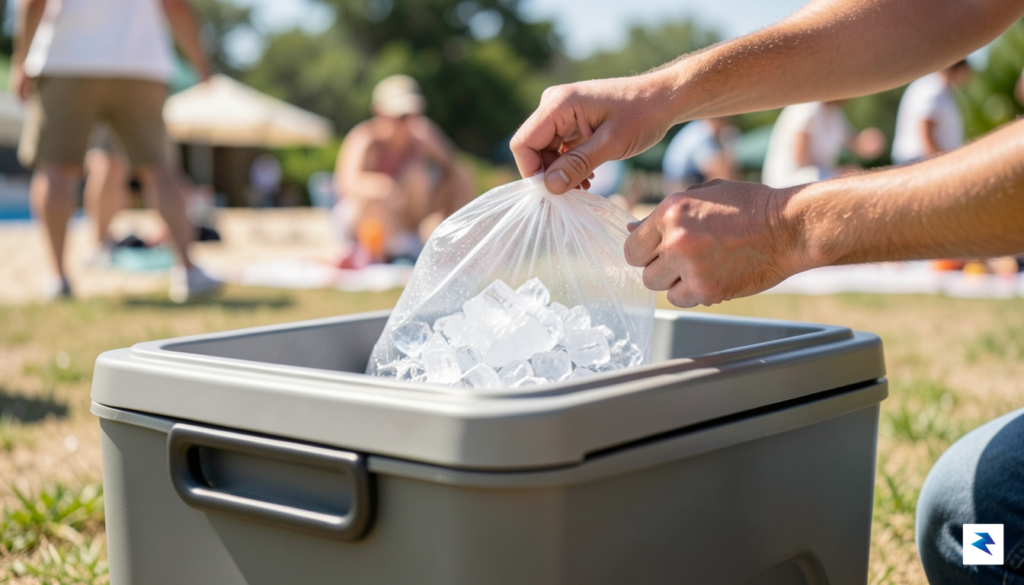
How you pack your cooler is just as vital as the quality of the unit you buy. For maximum thermal retention, utilize a high ice-to-contents ratio, aiming for at least a 2:1 ratio of ice to food and drinks. It is equally important to minimize “dead air” space, which acts as a heat trap; fill any gaps with extra ice, towels, or even crumpled newspaper to prevent warm air from circulating. When the ice begins to melt, resist the urge to drain the water immediately, unless your items are sensitive to moisture. That cold, slushy water is often more efficient at conducting heat away from your drinks than the air that would replace it if drained prematurely.
Proper maintenance isn’t just about cooling efficiency; it is about protecting your investment from structural degradation and mold growth.
Long-term care is what separates a cooler that lasts a single summer from one that survives a decade of adventures. After every trip, make it a habit to thoroughly rinse the interior with a mild soap and water solution, paying special attention to the gasket and the drain plug threads. These areas are notorious for trapping food particles and moisture, which are the primary culprits behind stubborn mold and mildew growth. Once cleaned, always leave the lid propped open while the unit is in storage; this allows the interior to breathe and ensures the gasket dries out completely. Storing your cooler with the lid tightly shut can compress the seal over time, leading to air leaks and reduced cooling performance in future seasons. By following these consistent care habits, you ensure your gear remains in top shape for every excursion on your calendar.
You must be logged in to post a comment.