
WAL-RUS: Why Rust is the Future of PostgreSQL Backups
The Evolution of PostgreSQL Backup Infrastructure The reliability of a PostgreSQL database is fundamentally tethered to its ability to recover…
At its core, game decompilation is the digital equivalent of taking an ancient, weathered manuscript written in an obscure, dead language and painstakingly translating it back into its original prose. When developers create a game, they write source code that is eventually compiled into binary—a series of machine-readable ones and zeros that the console executes. Over time, the original source code is often lost to history, leaving behind only the final, cryptic binary files. Decompilation is the arduous process of reversing this transformation, turning that impenetrable machine code back into human-readable C or C++ source code, effectively peeling back the layers of time to reveal the underlying logic and design decisions of a classic title.
The difficulty of this pursuit cannot be overstated. Modern compilers perform complex optimizations that strip away human intent, turning elegant code structures into efficient but highly abstract machine instructions. Without the original documentation, variable names, or comments, a reverse engineer must act as both detective and archaeologist, deciphering how disparate bytes influence game physics, memory management, and rendering pipelines. It is a process fraught with ambiguity, where a single misinterpretation of a binary function can lead to a game that refuses to run or behaves in entirely unintended ways.
“Matching decompilation” represents the gold standard in this field, requiring the final output to produce a binary file that is byte-for-byte identical to the original, ensuring perfect fidelity and preservation.
This pursuit of “matching” decompilation is not merely a technical exercise; it is the ultimate act of game preservation. By achieving a one-to-one match, developers can prove they have truly grasped the inner workings of a game, allowing for modern ports, modding capabilities, and the assurance that the legacy software will function exactly as intended on future hardware. For years, these skills were guarded by a small, elite circle of reverse engineers who operated in the shadows of the internet, often spending thousands of hours on a single title without a clear roadmap for newcomers.
However, the landscape of software archeology is shifting. The gatekeeping that once hindered progress is being dismantled, and the specialized knowledge required to interpret complex game binaries is becoming more accessible than ever. By standardizing the tools and methodologies used to conquer these legacy titles, we are entering an era where the engineering marvels of the past can be studied, understood, and maintained by a new generation of developers. Whether you are driven by a nostalgic desire to save a childhood favorite or a deep technical curiosity about how early 2000s hardware was pushed to its absolute limits, the barrier to entry has finally been lowered, opening the doors to a world of deep technical discovery.
At its core, the process of decompilation is a complex act of digital archaeology, requiring developers to bridge the vast cognitive gap between raw machine instructions and human-readable source code. When dealing with the GameCube, we are working with the PowerPC 750CXe architecture—a platform that utilizes a RISC (Reduced Instruction Set Computer) design. Unlike modern high-level languages that abstract away memory management, PowerPC assembly forces the programmer to account for every register, memory offset, and branch prediction cycle. Translating these rigid, low-level sequences back into C code is rarely a one-to-one mapping because compilers often perform aggressive optimizations that discard the logical structure of the original source, leaving behind only the functional result.
The primary technical hurdle in this endeavor is the pursuit of a “matching” build. In standard reverse engineering, the goal is often just to understand how a program functions, which can be achieved through pseudocode or functional approximations. However, in the realm of archival-grade decompilation, the requirement is much more stringent: the reconstructed C code, when processed through an original or compatible compiler, must produce a binary that is bit-for-bit identical to the official release. This ensures that the internal memory structure, function calls, and data alignments remain exactly as the original developers intended. Achieving this level of precision is exponentially more difficult than standard analysis, as it necessitates reconciling the compiler’s specific idiosyncrasies with the original source logic.
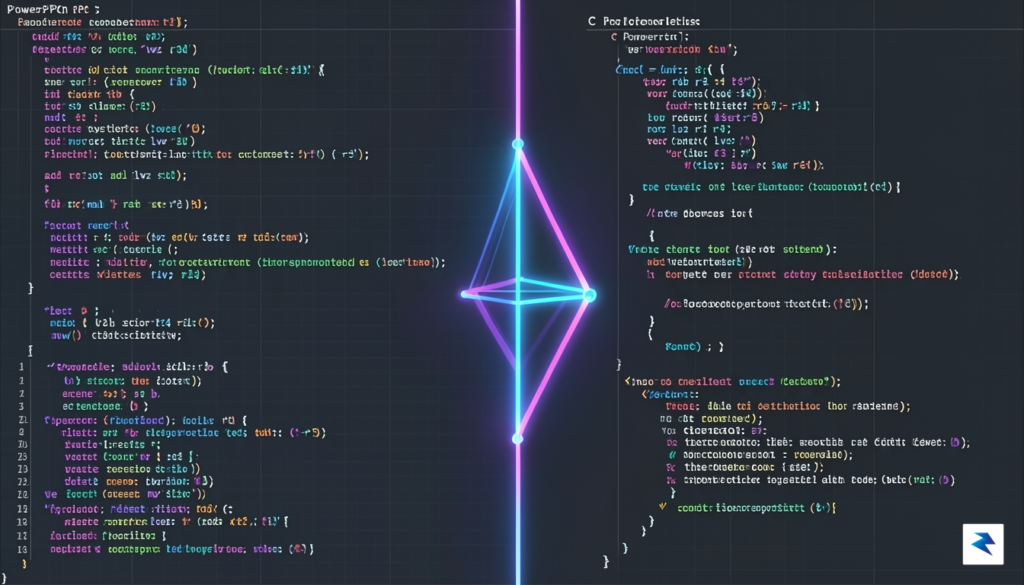
The pursuit of a bit-perfect match is not merely a technical exercise; it is a commitment to long-term preservation. By recreating the original source, we ensure that the software remains maintainable, modifiable, and compatible with modern hardware long after the original development tools have faded into obscurity.
Furthermore, the GameCube’s unique hardware environment adds layers of complexity that demand a deep understanding of memory-mapped I/O and specific calling conventions. Because the original developers had to squeeze every ounce of performance out of the console’s limited resources, they often employed handwritten assembly or compiler-specific pragmas that do not translate easily back into standard C. Developers undertaking this challenge must navigate these constraints while accounting for how the compiler handles global state, stack frames, and inline functions. By mastering these nuances, practitioners are not just translating code; they are reconstructing the very intent of the original software architects, effectively reviving a piece of gaming history from its cold, binary state back into a living, breathing codebase.
The intricate world of game decompilation, a process where compiled machine code is reverse-engineered back into human-readable source code, often beckons enthusiasts with the promise of uncovering hidden game mechanics, patching bugs, or even porting beloved classics. However, the journey into this specialized craft has historically been fraught with significant barriers to entry. For the creator of Decomp Academy, this personal odyssey into understanding GameCube titles began with a deep fascination for Star Fox Adventures. What started as an individual quest to contribute to community projects quickly revealed a glaring void: a severe lack of cohesive, step-by-step learning resources that could guide a novice through the labyrinthine complexities of reversing a commercial game.
Indeed, the path from curiosity to competency in game decompilation typically involved sifting through disparate forum posts, obscure Git repositories, and highly technical discussions that presupposed an almost encyclopedic knowledge of assembly, compilers, and low-level system architecture. Aspiring contributors often found themselves isolated, grappling with fragmented information and a steep learning curve that demanded not just dedication, but also an extensive background in computer science, often equivalent to a doctoral degree just to grasp the fundamentals. This fractured educational infrastructure meant that many potential talent pools, brimming with passion and programming aptitude, were deterred long before they could make meaningful contributions to the preservation and understanding of classic games.
It was precisely this profound frustration and the recognized need for a more structured pathway that served as the catalyst for Decomp Academy’s inception. Born from the developer’s own arduous experience in navigating the opaque world of GameCube decompilation for Star Fox Adventures and other projects, the platform was envisioned as a beacon for those who felt lost in the technical wilderness. The core mission became unequivocally clear: to dramatically lower the barrier to entry, transforming decompilation from an intimidating, exclusive pursuit into an accessible, rewarding craft for anyone with basic programming knowledge and a keen interest in how games truly work under the hood.
Decomp Academy stands as a testament to this vision, offering a meticulously designed, structured learning environment that bypasses the need for a doctorate in computer science. It provides a hands-on, progressive curriculum where enthusiasts can learn and practice the intricate art of decompilation through practical exercises and guided projects. The platform demystifies complex concepts, breaking them down into digestible modules and offering tangible opportunities to apply newfound skills. Ultimately, Decomp Academy aims to cultivate a new generation of game preservationists and reverse engineers, empowering individuals to not only understand the inner workings of their favorite GameCube titles but also to contribute meaningfully to the broader open-source community, ensuring these digital legacies endure for future generations.
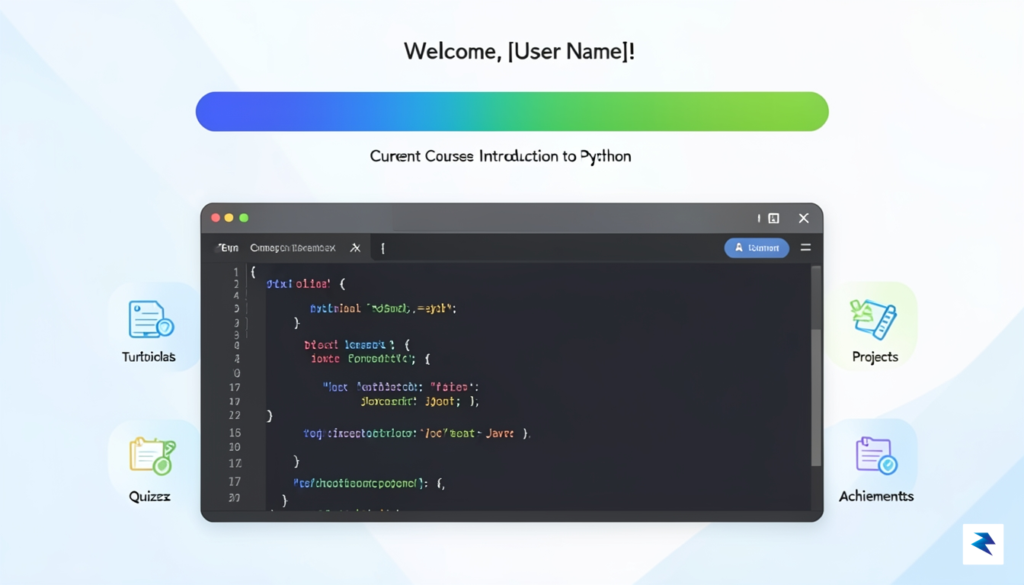
Decomp Academy fundamentally transforms the intimidating world of reverse engineering by acting as an interactive, browser-based sandbox that removes the typical friction of local development environments. Rather than requiring users to manually configure complex toolchains or struggle with emulator setups, the platform brings a functional Metrowerks CodeWarrior compiler directly to your web browser. This means that you can dive straight into the intricacies of GameCube architecture without the technical overhead, allowing you to focus entirely on the logic and assembly-to-C conversion process. By democratizing access to these specialized professional tools, the platform ensures that the high barrier to entry traditionally associated with low-level systems programming is replaced by an approachable, hands-on experience.
The core of the learning experience is the live feedback loop, which acts as a virtual mentor guiding you through the nuances of binary optimization. As you write your C code, the integrated compiler processes your input in real-time, providing immediate visual feedback on whether your code matches the target binary. This instantaneous response is crucial for understanding how specific compiler flags, register allocations, and structural choices affect the resulting machine code. Instead of waiting for slow compilation cycles or guessing why a function failed to match, you can observe the subtle shifts in object code as you iterate, effectively teaching yourself the “why” behind the “how” of game engine architecture.
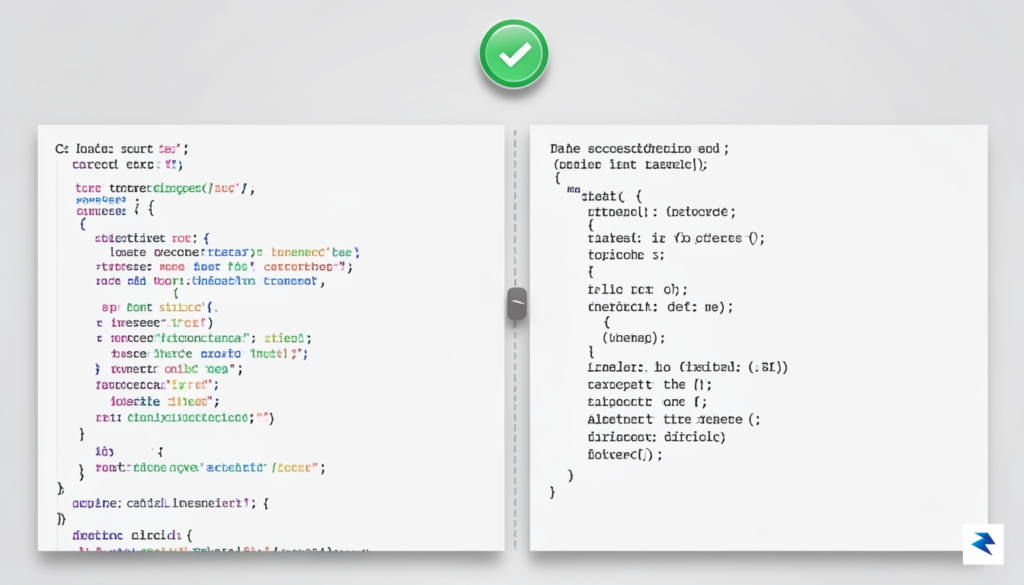
To support a structured learning path, the platform hosts an expansive library of over 250 lessons, meticulously curated to guide you from basic C syntax to complex, highly-optimized game functions. These lessons are designed to scale in difficulty, ensuring that both complete beginners and seasoned developers find appropriate challenges as they progress. By tackling real-world code snippets pulled from classic GameCube titles, users gain practical experience that translates directly to actual reverse engineering projects. The modular nature of these exercises allows you to master specific concepts—such as stack frame management or loop unrolling—before moving on to more intricate, performance-critical code segments.
The true power of this environment lies in its ability to turn the abstract art of binary matching into a tangible, repeatable scientific process.
Accessibility remains a foundational principle of the project, which is why the platform operates without requiring any account sign-ups or gated memberships. You can jump into any lesson instantly, experiment with different coding strategies, and test your theories without the burden of managing login credentials or personal data. This open, barrier-free approach encourages experimentation, allowing developers to treat the platform as a playground for low-level exploration. Whether you have five minutes to spare or several hours to dedicate to a complex function, the platform is always ready, fostering a community of learners who can focus purely on the craft of decompilation.
The ultimate objective of mastering GameCube decompilation extends far beyond mere academic understanding; it’s about empowering individuals to make tangible contributions to the vibrant world of game preservation and reverse engineering. The Decomp Academy platform meticulously bridges the often-daunting chasm between theoretical knowledge and practical application, ensuring that every lesson learned directly translates into actionable skills. This isn’t about solving abstract puzzles; it’s about preparing you to dive headfirst into actual open-source projects, where your contributions can genuinely make a difference. By focusing on real-world scenarios, the academy equips learners with the confidence and expertise needed to tackle complex, live codebases.
A cornerstone of this practical approach lies in the platform’s innovative use of genuine function extracts from iconic GameCube titles such as Metroid Prime and Pikmin. Unlike generic, simplified examples often found in educational materials, these extracts present the raw, unadulterated complexity of commercial game development. Learners are exposed to the intricate dance of custom engine architectures, bespoke data structures, and the highly optimized assembly generated by compilers of that era. This direct engagement with authentic game code fosters a deeper understanding of how high-level C concepts manifest in low-level machine instructions, cultivating an intuitive grasp of the decompilation process.
Working with these real samples offers unparalleled insight into project-specific challenges that are ubiquitous in large-scale game development. For instance, developers frequently implemented custom memory management schemes, eschewing standard library allocators for performance or platform-specific reasons. Understanding how to navigate and re-implement these custom heaps, pools, and arenas is critical for achieving a byte-matching decompilation. Furthermore, learners will encounter the subtle quirks of the era’s compilers, like specific register usage patterns or function prologue/epilogue differences, which demand meticulous attention to detail to reproduce accurately. These nuances are precisely what separate a theoretical exercise from a professional-grade contribution.
Ultimately, the journey through Decomp Academy is meticulously engineered to serve as a direct pathway to becoming a valuable contributor to existing, active decompilation projects. By dissecting and re-engineering segments of beloved games, participants gain hands-on experience with the exact challenges faced by community developers striving for perfect, byte-matching C code. This practical immersion not only hones their technical skills but also instills a deep appreciation for the collaborative nature of these open-source endeavors. Graduates emerge not just as skilled individuals, but as prepared and capable team members ready to tackle the next complex function or system in a large-scale project.

Decomp Academy is designed to be far more than a static tutorial site; it is a living, breathing ecosystem built on the principles of open-source collaboration. By hosting the entire curriculum as Markdown files within a public repository, the platform invites every user to become an active participant in the preservation of our digital history. This structure ensures that as our collective understanding of GameCube architecture evolves, the learning materials can be updated in real-time, corrected for accuracy, and expanded to cover nuances that were previously overlooked. Whether you are a seasoned reverse engineer or a newcomer looking to sharpen your C skills, your contributions help refine the path for those who follow, turning solitary study into a communal mission.
The roadmap for the platform is as ambitious as the task of decompilation itself. While the current focus remains on establishing a rock-solid foundation for C-based game logic, the team is actively preparing to roll out comprehensive C++ modules. This transition is a significant milestone, as many of the era’s most iconic titles utilized complex object-oriented features that present unique challenges for matching decompilation. By systematically documenting these patterns, we are creating a sustainable repository of knowledge that will serve as a reference point for years to come. Your feedback on existing lessons is invaluable, as it highlights gaps in the curriculum and helps us tailor the learning experience to match the technical hurdles developers face in the wild.
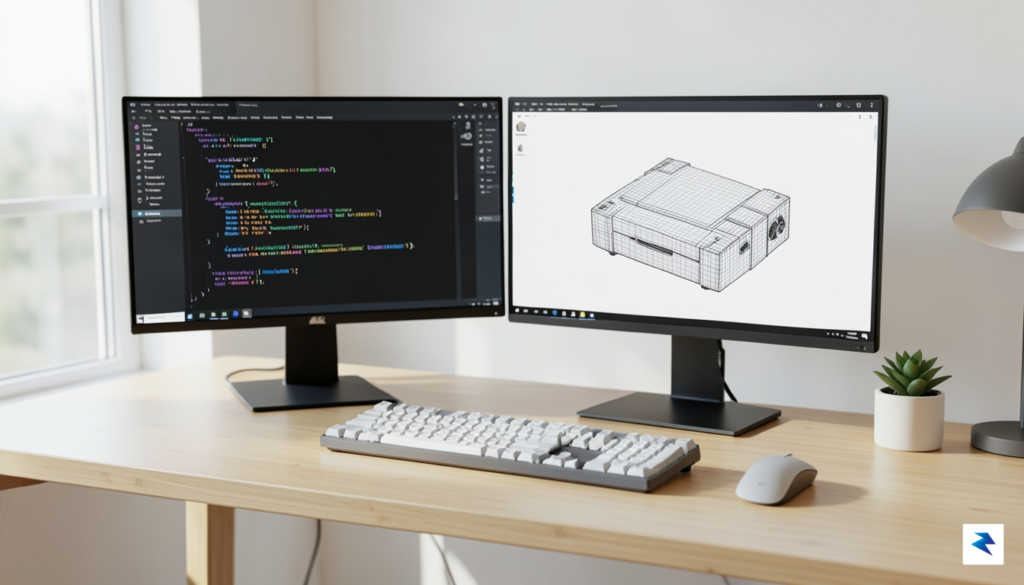
Decompilation is not just about recreating code; it is about uncovering the architectural intent behind the games that defined a generation.
For those who feel called to contribute, the barrier to entry is intentionally low. You do not need to be an industry expert to make a difference; simple improvements—such as clarifying a confusing explanation, fixing a typo in a code snippet, or suggesting a more efficient way to explain memory offsets—are all vital to the project’s longevity. By engaging with the repository, you are helping to build a permanent, accessible record of how these classics were engineered. We encourage you to explore the open-source curriculum, experiment with the provided examples, and join the ongoing conversation on our development channels.
Ultimately, the goal is to foster a community where preservation is a collaborative effort rather than a niche hobby. As we continue to document the hidden mechanics of the GameCube, we invite you to take ownership of your learning journey and share your findings with the rest of the community. Every pull request and every piece of constructive feedback strengthens the collective knowledge base, ensuring that the legacy of these games remains intact for future generations of programmers. If you are passionate about reverse engineering and the preservation of gaming history, there has never been a better time to get involved and leave your mark on the field.
You must be logged in to post a comment.