The Evolution of Suno: From AI Tool to Artist Incubator
For much of its early existence, Suno was primarily defined by its technical prowess as a generative engine, a tool that democratized music creation by allowing anyone with a prompt to conjure high-fidelity compositions. In this initial phase, the platform functioned as a digital laboratory, capturing the public’s imagination with its ability to synthesize genres, mimic vocal styles, and bridge the gap between amateur ideas and polished tracks. However, this novelty-driven approach often left the platform categorized alongside other automated utilities, viewed more as a clever parlor trick than a serious competitor in the professional music ecosystem. By prioritizing speed and accessibility, the company successfully lowered the barrier to entry, but it also faced the perennial challenge of proving that its output could hold genuine artistic weight in a saturated streaming market.
The introduction of the Spark incubator program signals a profound strategic departure from this purely generative identity. Rather than remaining a passive utility for content creation, Suno is positioning itself as an active participant in the music industry’s infrastructure, intent on nurturing the next generation of human artists. This pivot suggests that the company recognizes a fundamental truth about the creative economy: technology is only as powerful as the vision behind it. By investing directly in independent musicians, the platform is moving toward a hybrid model that seeks to bridge the chasm between raw algorithmic output and the intentional, narrative-driven work that defines successful recording artists.
The true potential of generative AI lies not in replacing the musician, but in providing a new, high-velocity canvas for human expression to flourish.
This shift toward artist development represents a critical evolution for the broader AI-music landscape. For years, the industry has been mired in a contentious debate over whether synthetic tools threaten the livelihoods of human creators. By creating an incubator, Suno is attempting to reframe this narrative, suggesting that its technology can serve as a catalyst for professional growth rather than a replacement for human craft. This transition is essential for the company’s long-term sustainability, as moving from a novelty generator to a legitimate streaming destination requires a roster of talent that listeners can connect with on an emotional, human level. As the company begins to curate, promote, and support independent creators, it effectively transforms its platform from a simple playground for hobbyists into a genuine launchpad for the future of the music business.
Inside the Spark Program: Grants, Mentorship, and Distribution

The Spark program represents a significant pivot for Suno, shifting from a pure technology platform toward a more collaborative role as an active partner in the creative journey of independent musicians. At its core, the initiative is designed to bridge the gap between raw talent and the professional infrastructure typically reserved for artists signed to major labels. By providing direct financial grants, the program alleviates the immediate fiscal pressures that often stifle grassroots creativity, allowing artists to focus entirely on their craft without worrying about the costs associated with production, equipment, or basic living expenses.
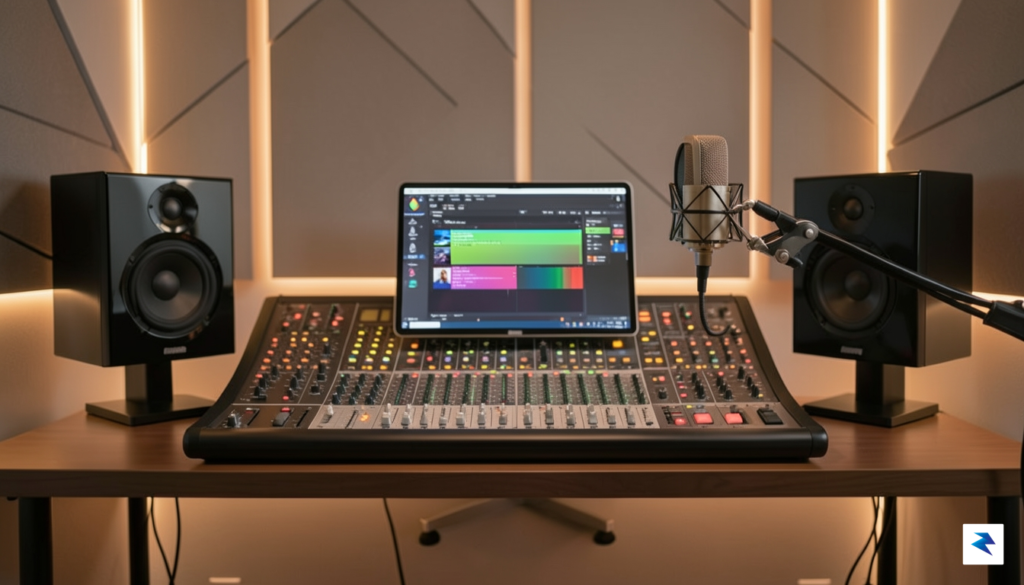
Beyond the financial support, the program places a heavy emphasis on structured mentorship and industry guidance. Successful applicants gain access to a curated network of experienced professionals who provide insight into the intricacies of music theory, songwriting structure, and the evolving landscape of the digital streaming economy. This guidance is not merely academic; it is practical, hands-on advice meant to help artists navigate the complexities of copyright, licensing, and professional networking. By fostering these relationships, Suno is essentially democratizing access to the kind of institutional knowledge that has historically been kept behind closed doors.
Eligibility and Strategic Support
To qualify for the incubator, artists must primarily be unsigned, ensuring that the resources are directed toward those who truly need a springboard to gain momentum. The selection process favors creators who demonstrate a unique sonic identity and a willingness to leverage AI-assisted tools to push the boundaries of traditional genres. Once accepted, participants benefit from a multi-faceted support system that extends well into the distribution phase:
- Marketing and Branding: Suno provides tailored promotional strategies to help artists build a sustainable digital presence and cultivate a dedicated fanbase from scratch.
- Distribution Assistance: The program streamlines the path to major streaming platforms, ensuring that the music produced within the incubator reaches a global audience efficiently.
- Collaborative Ecosystem: Artists are connected with a community of peers, creating opportunities for cross-pollination and collaborative projects that can amplify their collective reach.
The ultimate goal of the Spark program is to transform the way independent music is discovered, ensuring that creators who possess talent but lack industry connections can find a viable, sustainable path to professional success in the modern era.
By integrating these marketing and distribution tools directly into the creative lifecycle, the program does more than just offer a one-time grant; it provides a comprehensive framework for growth. This holistic approach ensures that when an artist releases a track, they are backed by the technical, financial, and promotional power necessary to break through the noise of an oversaturated market. Consequently, the program serves as a proving ground for the next generation of musical talent, proving that technology can act as a catalyst for human creativity rather than a replacement for it.
Redefining the Relationship Between AI and Independent Musicians
The emergence of generative artificial intelligence in the music industry has sparked a profound existential debate, pitting the efficiency of algorithmic creation against the sanctity of human craft. For many independent musicians, the rapid rise of AI tools felt like an encroaching shadow, threatening to commoditize their unique voices and devalue the years of practice required to master an instrument. This skepticism is rooted in the reality that these models are built upon massive datasets of existing work, leading to valid ethical concerns regarding intellectual property and the exploitation of creative labor. By training machines on the collective output of human culture, developers have inadvertently created a tension where the very tools meant to assist creators are perceived as the greatest threat to their professional survival.
Suno’s new initiative seeks to pivot from this adversarial narrative by positioning the platform as a collaborative ecosystem rather than a replacement engine. By inviting independent creators into the fold, the company is attempting to bridge the chasm between raw synthetic generation and intentional human expression. This approach acknowledges that while an algorithm can produce technically proficient arrangements in seconds, it lacks the lived experience and emotional context that define truly resonant art. Instead of sidelining the artist, this program aims to integrate human intuition directly into the developmental pipeline, treating the musician as a vital architect of the sound rather than a data point to be processed and discarded.
True innovation in the creative arts is not found in the replacement of the human spirit, but in the expansion of its capacity to communicate.
However, the ethical tightrope remains thin. While promoting individual artists through an incubator is a step toward building community trust, it does not fully resolve the underlying friction of data usage in model training. The industry is currently grappling with how to balance the democratization of music production—which allows artists to iterate and prototype at unprecedented speeds—with the fundamental need to protect the original creators whose styles inform these systems. To move forward, the relationship between AI and the independent artist must evolve into a transparent partnership, where the power of machine learning serves to amplify human intent. By fostering a model where creators are active participants in the development of the technology, platforms like Suno hope to transform a source of industry-wide anxiety into a legitimate, sustainable instrument for the next generation of musical pioneers.
Challenges and Opportunities for Aspiring Artists in the AI Era
For independent musicians navigating an increasingly crowded digital landscape, programs like Spark present a double-edged sword of unprecedented accessibility and existential uncertainty. On one hand, the promise of direct funding and professional promotion acts as a powerful catalyst for those who have long struggled to break through the gatekeepers of the traditional music industry. By aligning with AI-first platforms, artists gain access to sophisticated distribution mechanics and visibility tools that might otherwise remain out of reach. This infusion of resources can effectively bridge the gap between a bedroom production and a professional-grade release, providing a necessary runway for creative experimentation in a competitive market.
However, this marriage of human artistry and machine learning is not without significant friction. Musicians must grapple with the evolving nature of digital copyright and the ethical implications of training generative models on human-authored works. When an artist chooses to integrate their brand with an AI-centric ecosystem, they are essentially contributing to a feedback loop that may eventually challenge their own relevance. There is a palpable fear within the creative community that by feeding data into these models, artists might inadvertently dilute the uniqueness of their own signature sound, potentially commodifying their creative labor in ways that favor the platform’s algorithm over their personal artistic intent.
The core tension for the modern artist lies in balancing the immediate need for platform-driven growth against the long-term preservation of creative sovereignty and intellectual property.
Before committing to such a partnership, it is essential for creators to perform a rigorous audit of the platform’s terms of service and long-term vision. Artists should prioritize programs that offer transparent equity structures and clearly define the ownership of the output generated through these collaborations. Beyond the legalities, one must consider the perception of the audience; in an era where “authenticity” is a premium currency, aligning too closely with synthetic generation can alienate a fan base that values the raw, human imperfection of traditional songwriting. Ultimately, while AI-first initiatives can provide a vital launchpad, the most successful artists will likely be those who maintain a clear boundary, using these tools as a utility rather than allowing them to define the soul of their creative output.
The Future of Streaming: Can Suno Become a Direct-to-Fan Destination?
By positioning itself as both a creative engine and a distribution hub, Suno is signaling a fundamental shift in how we conceive of the music streaming landscape. If the platform successfully transitions from a generative tool into a full-fledged streaming destination, it could effectively challenge the hegemony of giants like Spotify or Apple Music by removing the friction between creation and consumption. This technological infrastructure is designed to foster a continuous feedback loop: as users generate music and share it within the platform’s ecosystem, the underlying algorithms learn the nuances of audience engagement in real-time. This creates a hyper-personalized listening experience that traditional streaming services, which rely heavily on curated playlists and static artist catalogs, may struggle to replicate with the same agility.
The core question remains whether a platform driven by machine learning can truly cultivate the deep, parasocial bonds that typically define the relationship between human artists and their fan bases. Historically, music fandom has been built on the narrative of the creator—the lived experiences, the struggles, and the unique voice that an artist brings to their work. Suno’s Spark incubator model attempts to bridge this gap by prioritizing independent human artists within an AI-first environment, essentially using machine intelligence as a force multiplier for individual creativity rather than a replacement for it. If the platform can successfully highlight the “human-in-the-loop” aspect of music production, it may create a new genre of digital-native stars who leverage algorithmic reach to build authentic communities.
The long-term viability of this model depends on Suno’s ability to prove that AI-assisted art is not just a novelty, but a legitimate pathway for career sustainability in an increasingly automated industry.
Ultimately, the sustainability of the Spark incubator depends on whether this model can provide a viable economic alternative for independent musicians who are currently marginalized by the fragmented streaming economy. By integrating distribution directly into the generative pipeline, Suno is attempting to bypass the traditional gatekeepers of the music industry. If this strategy gains traction, we could witness a transition toward a more decentralized model where the platform acts as a launchpad, enabling artists to monetize their output directly through the audience they cultivate within the app. Whether this evolution leads to a healthier ecosystem for musicians or merely accelerates the commodification of sound will depend on how the platform balances its generative capabilities with the essential, irreplaceable value of human expression.