
Why Convenience is Killing Your Creativity: A Case for the Small Stuff
The Illusion of Convenience For the better part of two decades, the primary directive of the tech industry has been the systematic eradication…
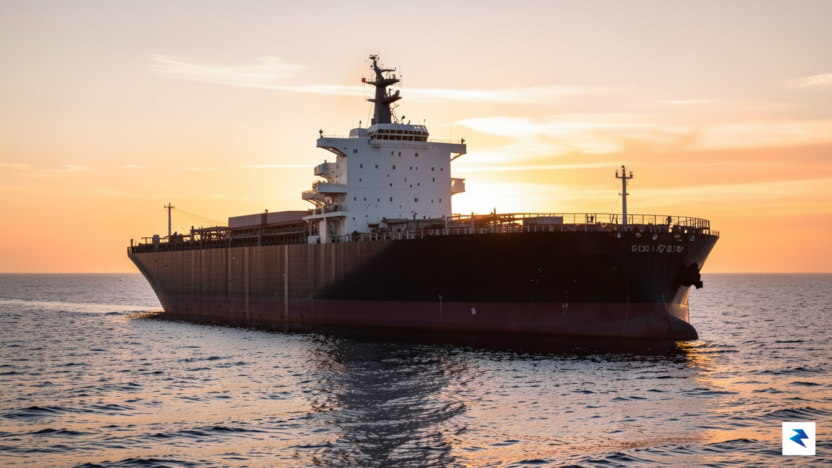
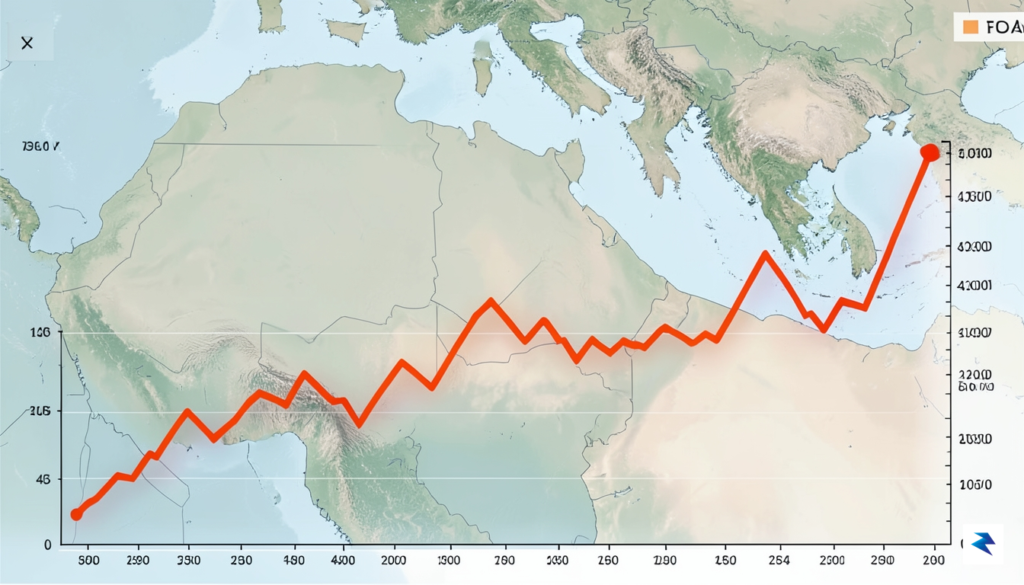
The recent upward trajectory in crude oil prices is far more than a simple reaction to news headlines; it is a manifestation of a market perpetually on edge, forced to navigate the precarious intersection of global logistics and geopolitical instability. When tensions flare in the Persian Gulf, the response is rarely linear because the region serves as the primary artery for the world’s energy supply. This corridor, specifically the Strait of Hormuz, acts as a critical chokepoint through which a significant percentage of global seaborne oil must pass daily. Even the slightest hint of interference or aggression in these waters triggers immediate risk premiums, as traders and energy firms alike begin to price in the catastrophic possibility of a prolonged supply blockage.

To understand the mechanics of this volatility, one must look beyond basic supply and demand fundamentals and consider the role of speculative trading and the futures market. Financial markets are designed to anticipate future scarcity, meaning that prices often move not because a barrel of oil has been lost, but because the probability of a future shortage has increased. When geopolitical friction enters the equation, speculative capital flows rapidly into energy commodities, acting as a hedge against potential economic disruption. This influx of capital amplifies market movements, often causing prices to swing far more aggressively than physical supply realities might otherwise dictate. Consequently, the market is constantly balancing current consumption needs against the psychological fear of a systemic infrastructure failure.
The sensitivity of oil markets to regional conflict is rooted in the “fear premium,” where the cost of uncertainty often outweighs the immediate, tangible impact of physical supply disruptions.
The fragility of this system is exacerbated by the “just-in-time” nature of modern global energy logistics. Because refineries and distribution networks operate with relatively lean inventories, the market cannot easily absorb even a minor hiccup in transit times. When a vessel is delayed or a shipping route is deemed unsafe, the ripple effects are felt instantly across international exchanges. This hyper-sensitivity ensures that stakeholders are always watching the Persian Gulf with intense scrutiny, knowing that the difference between market stability and a price spike often rests on the security of a few narrow maritime passages. Ultimately, the recent price shifts reflect a collective awareness that in the complex web of global energy, the margin for error is razor-thin.
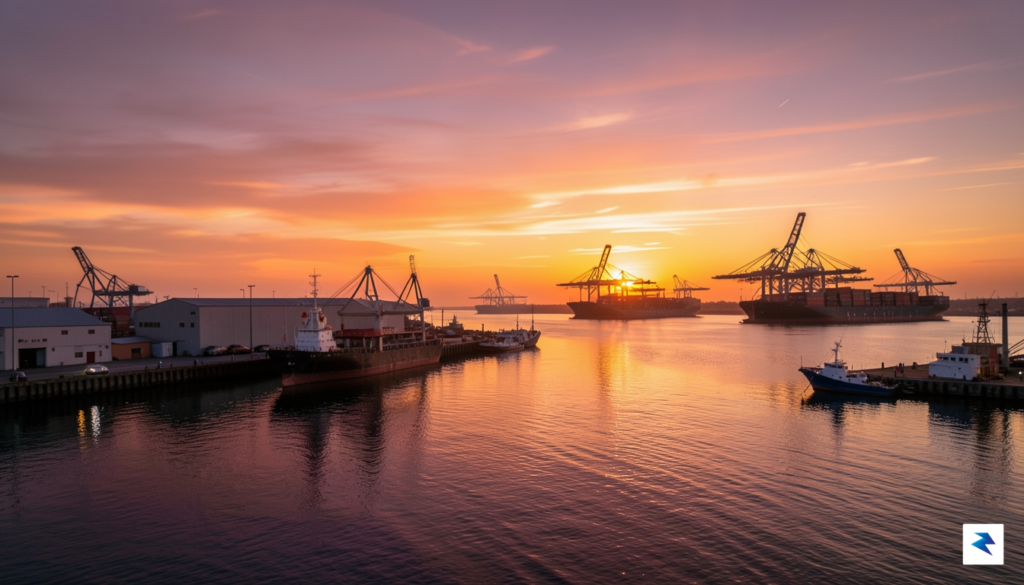
The Persian Gulf functions as the primary artery for global energy markets, anchored by the Strait of Hormuz. This narrow waterway, which sees approximately one-fifth of the world’s total petroleum consumption pass through its transit lanes daily, is perhaps the most significant maritime chokepoint on the planet. Because of its constrained geography, even minor disruptions to traffic flow in this region have immediate, cascading effects on the global economy. When security is compromised, the inherent fragility of this critical infrastructure becomes starkly apparent, forcing energy analysts and policymakers to rigorously reassess the long-term stability of these essential supply routes.
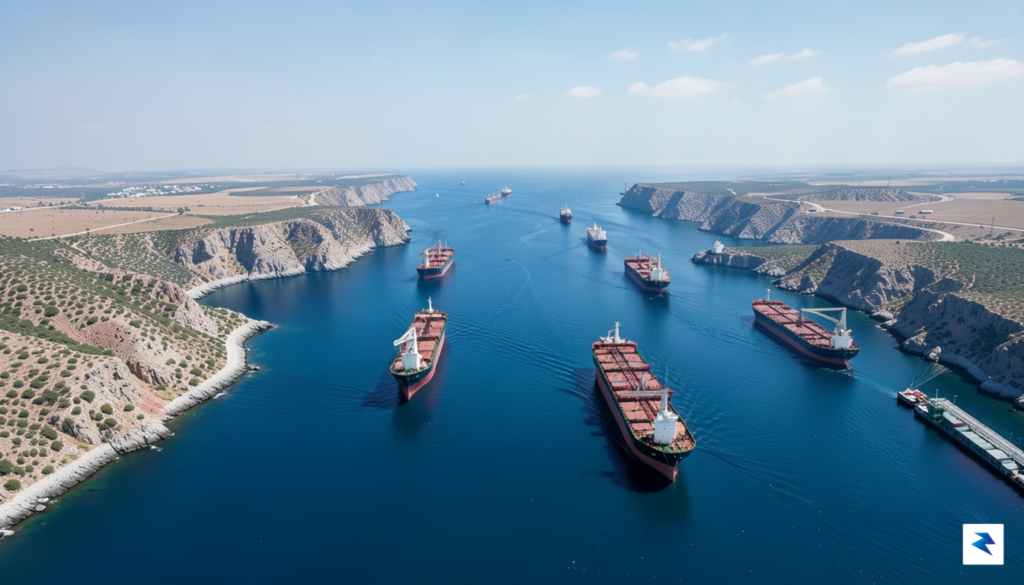
Recent security incidents have significantly altered the atmosphere of maritime operations in the region, shifting from routine transit to a heightened state of vigilance. Over the past several days, a series of targeted attacks on commercial vessels has disrupted the predictability that global markets rely upon. These incidents, occurring in quick succession, have triggered a swift response from international maritime security coalitions tasked with monitoring the region. By documenting these events, it becomes clear that the physical risks to tankers and support vessels are no longer theoretical, but are instead tangible threats that directly impede the logistical flow of petroleum exports from major producers to international refineries.
The reliance on the Strait of Hormuz creates a single point of failure that, when pressured by regional instability, necessitates a rapid recalibration of risk premiums across all energy-related assets.
The broader impact of these security concerns extends well beyond the immediate maritime theater. International shipping firms are now grappling with increased insurance premiums and the necessity for more rigorous security protocols for their crews and cargo. As tankers are rerouted or delayed to avoid perceived hotspots, the logistical efficiency of the global supply chain suffers, creating a bottleneck that can drive up the cost of oil regardless of actual production output. This complexity is compounded by the fact that the regional geopolitical landscape is increasingly volatile, making it difficult for stakeholders to gauge how long these heightened tensions might persist. Consequently, the maritime domain has become a central focus for those attempting to understand the current upward pressure on oil prices, as the path from the wellhead to the global market is currently fraught with unprecedented levels of uncertainty.

The recent fluctuations in crude oil prices act as a potent barometer for global economic health, sending immediate tremors through equity markets and household budgets alike. When the cost of energy spikes due to geopolitical instability, the impact is rarely contained within the energy sector; instead, it ripples outward, inflating the cost of production, logistics, and transportation. For the average consumer, this translates into “energy-induced inflation,” a phenomenon where the rising price of fuel at the pump and heating oil effectively acts as a stealth tax on disposable income. As families pay more to commute and heat their homes, they often trim spending in other discretionary areas, which can stifle broader economic growth and weigh heavily on corporate earnings forecasts.
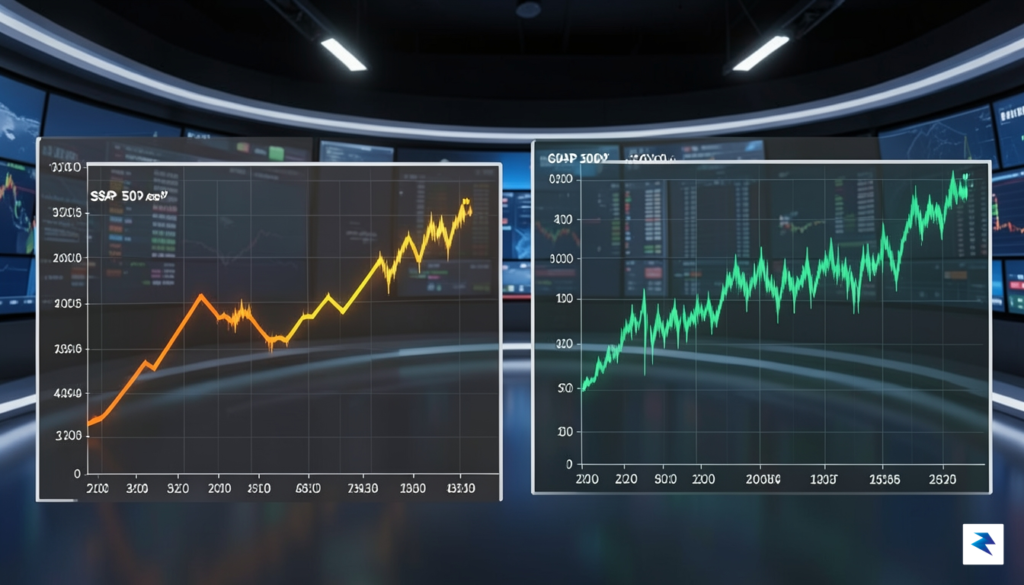
Investor sentiment, meanwhile, remains caught in a delicate tug-of-war between the fear of sustained inflation and the recognition of underlying market resilience. Historically, significant spikes in oil prices have often preceded periods of increased volatility for the S&P 500, as traders grapple with the dual threat of rising operational costs for companies and the potential for central banks to maintain higher interest rates to combat inflation. In the futures market, sophisticated investors are currently employing aggressive hedging strategies to insulate their portfolios from further energy-related shocks. These maneuvers suggest that while equity markets have demonstrated a surprising ability to absorb geopolitical news, there is a growing consensus that the era of “cheap energy” might be temporarily suspended, forcing a recalibration of long-term asset allocation.
The market’s reaction to Persian Gulf tensions is less about the immediate supply disruption and more about the psychological premium investors place on future uncertainty.
Ultimately, the psychological aspect of these market movements cannot be understated. Financial markets thrive on predictability, and the sudden volatility in the Persian Gulf introduces a variable that quantitative models struggle to fully capture. When investors see geopolitical headlines dominate the news cycle, the immediate instinct is often to retreat toward “safe-haven” assets, which further exacerbates fluctuations in broader equity indices. While the resilience of the S&P 500 reflects a belief in the robust nature of the global economy, the current climate serves as a reminder that systemic risks—particularly those centered on critical energy supply chains—remain the primary catalyst for shifts in global investor behavior and macroeconomic policy.

The recurring instability in the Persian Gulf has acted as a profound wake-up call for global powers, forcing a fundamental reassessment of how energy security is managed in a volatile geopolitical landscape. As regional tensions jeopardize critical shipping lanes, nations are no longer viewing supply chain disruptions as isolated incidents, but rather as persistent structural risks. In response, governments are placing a renewed emphasis on Strategic Petroleum Reserves (SPR) as a primary defensive tool. By releasing these stockpiles during localized price spikes, policymakers aim to dampen market panic and ensure that domestic refineries remain operational despite external shocks. However, the reliance on these reserves is increasingly seen as a temporary bridge rather than a permanent solution, prompting a more aggressive push toward long-term energy autonomy.

Beyond short-term inventory management, the broader strategic shift involves a deliberate move toward energy diversification to reduce dependency on single-region transit corridors. Corporations and states alike are aggressively scouting for alternative supply sources, including increased domestic production and stronger trade ties with politically stable regions. This diversification strategy is mirrored by a massive acceleration in the transition toward renewable energy alternatives. By integrating wind, solar, and nuclear power into the national grid, countries can decouple their economic vitality from the fluctuating barrel prices dictated by Persian Gulf politics. This transition is not merely an environmental mandate; it has become a core component of national security policy, designed to insulate domestic industries from the cascading effects of maritime conflict.
“True energy security in the 21st century requires a departure from monolithic supply chains, favoring a resilient mix of traditional resources and rapid-scale renewable infrastructure.”
The long-term impact of these threats is fundamentally reshaping global infrastructure investment. We are observing a significant trend where infrastructure projects are being prioritized based on their ability to offer redundancy and flexibility. For instance, the expansion of cross-continental pipelines and the modernization of liquefied natural gas (LNG) export terminals are being fast-tracked to provide alternatives to vulnerable maritime routes. As these investments mature, the international energy market is slowly moving toward a more decentralized structure. While the Persian Gulf will undoubtedly remain a vital node in global commerce for years to come, the ongoing geopolitical friction is accelerating a shift toward a more robust, varied, and resilient global energy architecture that is better equipped to withstand the uncertainties of the modern era.

As the volatility in the Persian Gulf continues to command global attention, market participants are wise to look beyond the immediate daily price spikes. To gain a clearer view of where energy markets might head, stakeholders should prioritize monitoring several key indicators, such as the volume of tanker traffic through the Strait of Hormuz, the consistency of output from major OPEC+ producers, and any shifts in inventory levels reported by the International Energy Agency. Furthermore, tracking the diplomatic rhetoric between regional powers and international mediators can often provide early signals of whether tensions are likely to de-escalate or intensify. By focusing on these concrete metrics rather than speculative headlines, investors can better distinguish between temporary supply-chain disruptions and shifts that indicate a more permanent change in the energy landscape.

While short-term fluctuations are an inevitable consequence of heightened geopolitical friction, the long-term outlook for global oil pricing remains tethered to a complex interplay of structural drivers. The ongoing transition toward renewable energy sources, coupled with fluctuations in global demand from major economies like China and India, will continue to exert pressure on pricing mechanisms even after the current regional crisis subsides. Institutional analysts suggest that while supply shocks cause acute reactions, the broader trajectory is increasingly dictated by capital investment in extraction infrastructure and the speed at which global markets can pivot toward alternative fuels. Therefore, while the current situation is undoubtedly a critical factor, it exists within a larger, multi-year context of energy sector evolution.
True resilience in an energy portfolio is built not by predicting every minor oscillation, but by maintaining a deep awareness of how geopolitical events interact with long-term structural supply and demand cycles.
For both individual and institutional investors, the current climate serves as a potent reminder of the importance of maintaining a balanced, diversified perspective. Ignoring geopolitical developments can lead to blind spots, yet reacting impulsively to every news cycle can be equally detrimental to long-term financial health. Instead, a measured approach—one that integrates geopolitical awareness with a disciplined strategy—is the most effective way to navigate periods of uncertainty. By remaining vigilant, staying informed on structural supply metrics, and avoiding the trap of emotional trading, stakeholders can ensure they are well-positioned to weather the volatility inherent in the global energy market.
You must be logged in to post a comment.