Supergirl Box Office Results: Is the DC Reboot in Trouble?
The Supergirl Box Office Reality Check The domestic box office landscape witnessed a promising 21 percent surge compared to the same period…
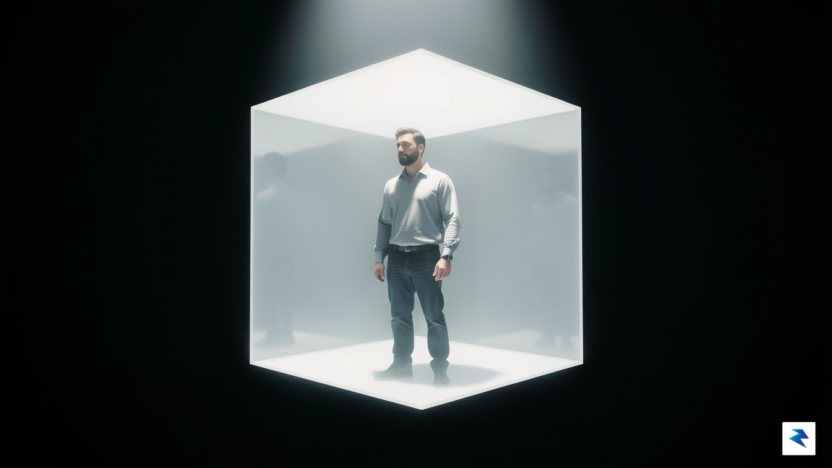
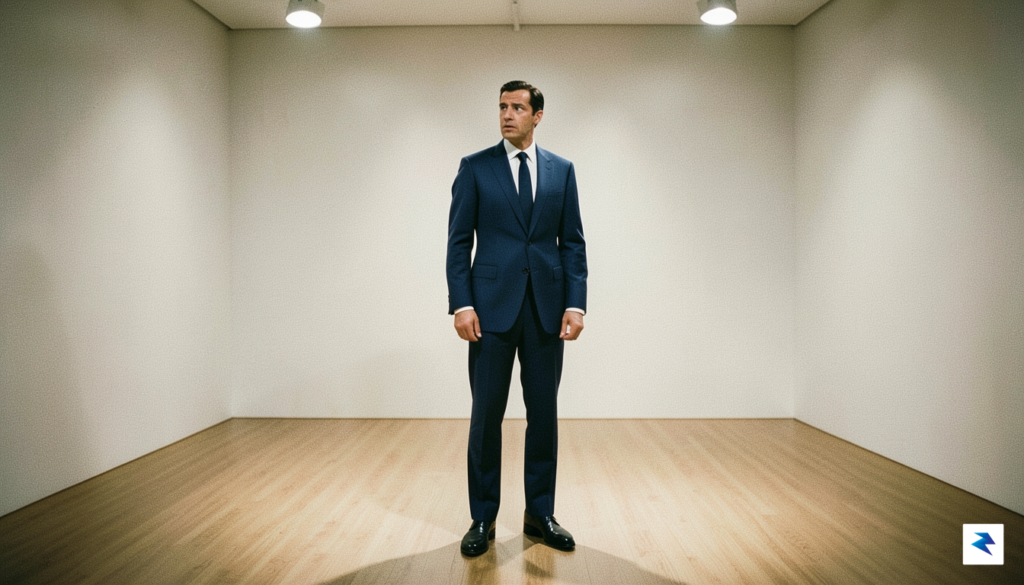
To most of the world, the name Jim Henson is synonymous with the felt-covered warmth of the Muppets, the whimsical educational landscape of Sesame Street, and the immersive creature-driven fantasy of The Dark Crystal. Yet, beneath the veneer of puppetry and family-oriented entertainment lay a restless, avant-garde intellect desperate to explore the boundaries of the human condition. Long before the digital age made us question the fabric of our own realities, Henson was already experimenting with the existential dread of confinement and the absurdity of social structures. His 1969 teleplay, The Cube, stands as the most profound evidence of this hidden creative drive, representing a jarring departure from his usual repertoire that remains one of television’s most fascinating, overlooked artifacts.
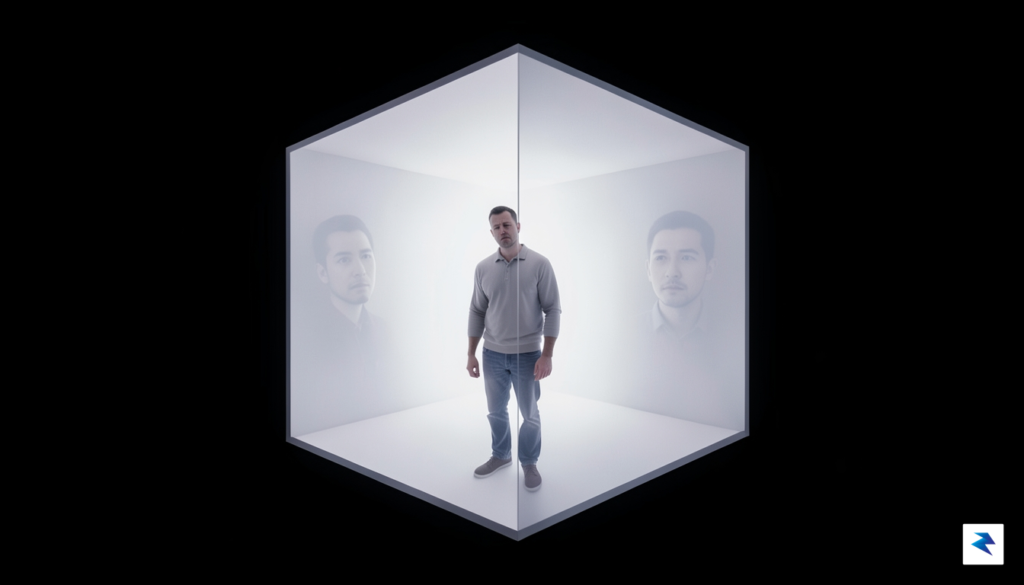
Produced as part of NBC’s short-lived but ambitious Experiment in Television series, The Cube allowed Henson to step away from his signature performance style and venture into the realm of pure, psychological surrealism. At a time when his career was firmly rooted in the mechanics of performance, this project served as a creative laboratory where he could discard the puppet entirely to focus on the human experience in its most stripped-down, agonizing state. The teleplay follows a man trapped inside a stark, white, windowless room, forced to navigate a series of bizarre interactions with strangers who appear and disappear through the walls. It is a claustrophobic, Kafkaesque nightmare that feels less like a Jim Henson production and more like a fever dream directed by Samuel Beckett.
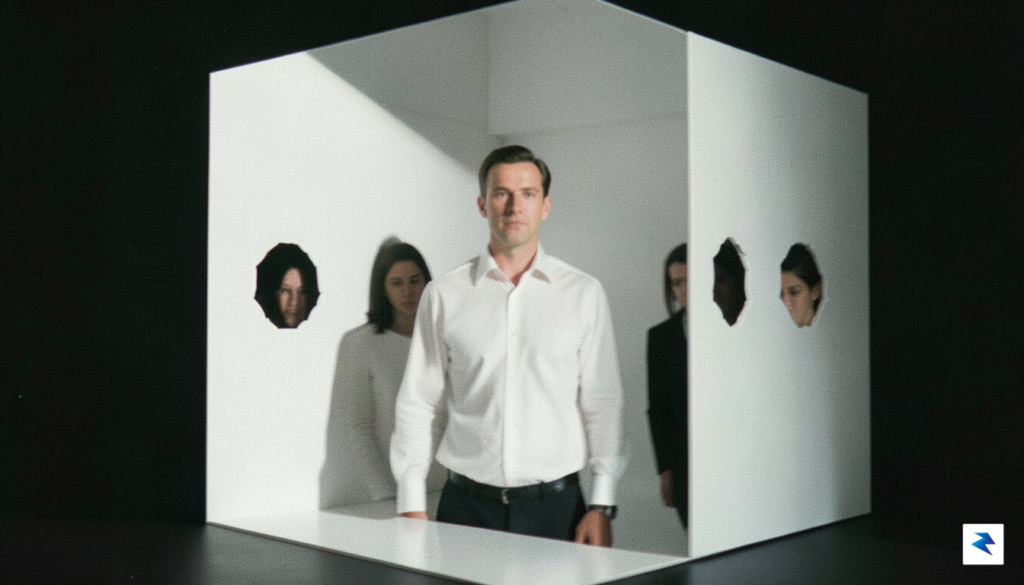
The Cube is not merely a curiosity; it is a vital, albeit obscured, link in the lineage of speculative fiction that questions whether our perceived freedom is simply a larger, more comfortable box.
For film scholars and dedicated fans, The Cube is a hidden gem that challenges the monolithic view of Henson as purely a children’s entertainer. By stripping away the comfort of familiar characters, Henson forced his audience to confront the arbitrary rules we follow and the invisible walls that define our lives. It was an early, courageous foray into the kind of philosophical storytelling that modern audiences now associate with prestige television like Black Mirror, yet it was executed with the limited technology and bold, experimental spirit of the late 1960s. Understanding this darker, more cynical side of his genius is essential for anyone who wishes to grasp the full scope of a man whose imagination reached far beyond the limitations of the stage and into the very depths of the human psyche.
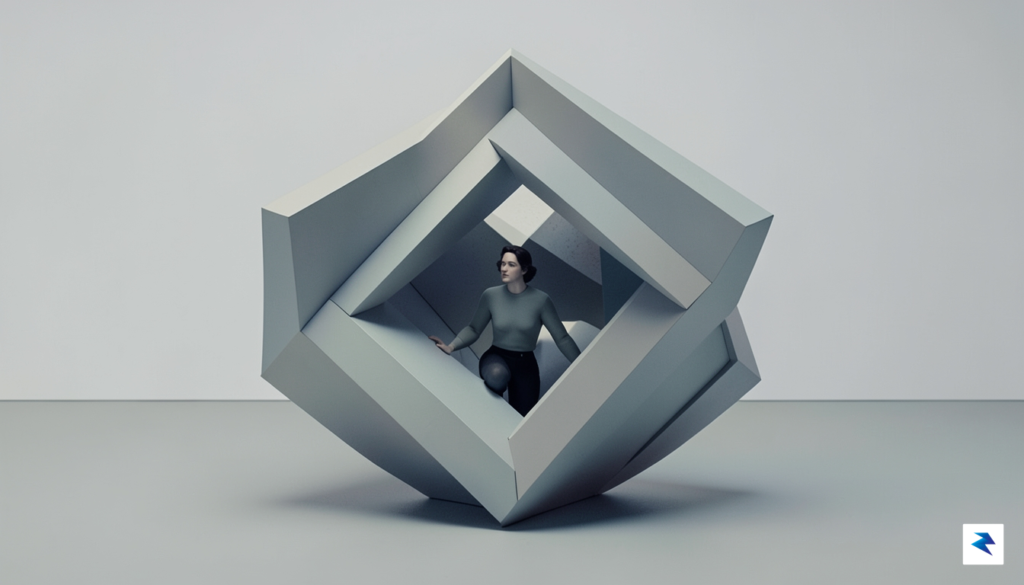
At its core, The Cube operates as a stark, claustrophobic exploration of existential entrapment that feels decades ahead of its time. The narrative centers on a protagonist who finds himself inexplicably confined within a seamless, stark-white room, a setting that functions less as a physical location and more as a canvas for his mental disintegration. As he attempts to make sense of his environment, he is bombarded by a parade of bizarre, intrusive characters who offer neither guidance nor empathy, but instead deepen his confusion through cryptic riddles and absurd demands. This isolation is not merely physical; it is a profound psychological unraveling that forces the viewer to question the stability of the protagonist’s reality as the walls—both literal and metaphorical—begin to close in.
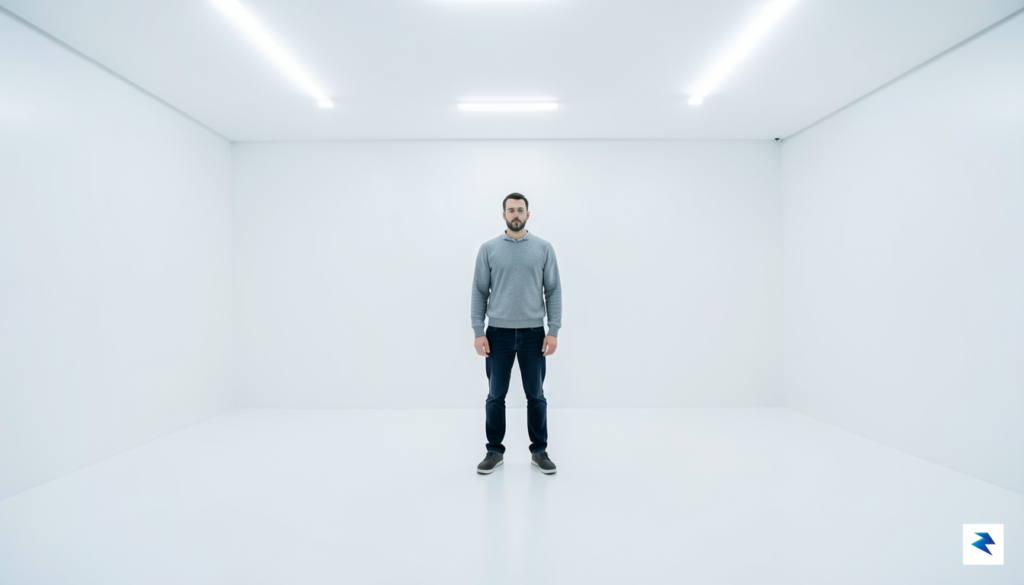
The cube itself serves as a haunting metaphor for the crushing weight of societal expectation, bureaucratic absurdity, and the inherent friction of the human condition. By stripping away all markers of time, geography, and purpose, the film forces the protagonist to confront the void of his own existence without the distractions of modern life. Much like the works of Franz Kafka, the film posits that the most terrifying prisons are the ones we cannot fully comprehend or escape because the rules of the system remain deliberately opaque. Every interaction with the intruders—who represent various facets of authority, social convention, and human cruelty—serves as a reminder that the protagonist is not just trapped by four walls, but by the expectations and arbitrary structures imposed upon him by an unseen, uncaring world.
The true horror of the experience is not that the protagonist is being held prisoner, but that he is being forced to participate in a logic he can never master.
As the narrative progresses, the psychological breakdown of the protagonist becomes the film’s primary focus, eschewing traditional thriller tropes in favor of a surreal, deteriorating state of mind. He attempts to impose order on his surroundings through logic and questioning, yet the film consistently undermines these efforts by refusing to offer a linear resolution or a satisfying explanation for his predicament. This refusal to provide closure is perhaps the most “Black Mirror-esque” aspect of the production, as it leaves the audience suspended in the same state of uncertainty as the character on screen. By denying the protagonist—and the viewer—a clear exit or a moment of epiphany, the film suggests that the search for meaning in a chaotic, indifferent universe is a recursive, potentially infinite loop of frustration.
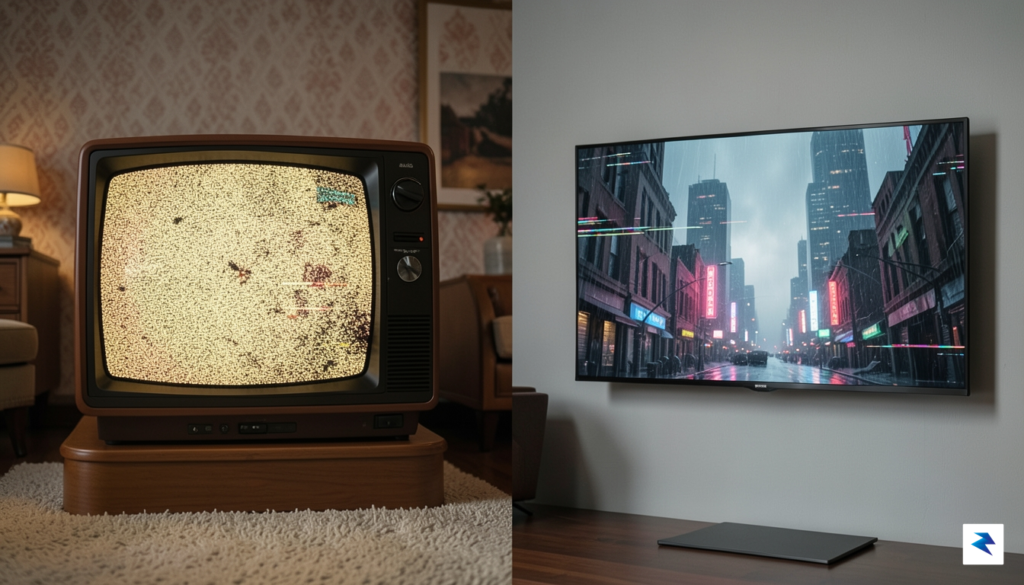
Long before Charlie Brooker’s ‘Black Mirror’ held up a dark, reflective screen to our technologically-obsessed society, Jim Henson, a name synonymous with Muppets and childhood wonder, ventured into equally disquieting territory with his 1969 television special, ‘The Cube.’ This often-overlooked masterpiece serves as an uncanny precursor to the modern anthology series, operating with a similar high-concept, standalone premise designed to evoke profound psychological discomfort rather than comforting resolution. Just as ‘Black Mirror’ isolates a specific technological fear or societal flaw within each episode, ‘The Cube’ confines its protagonist to a bizarre, inescapable environment, stripping away his sense of reality and forcing him – and by extension, the viewer – to confront the arbitrary nature of existence and authority.
The parallels between ‘The Cube’ and ‘Black Mirror’ extend beyond their shared episodic, high-concept nature. Both works excel at creating an immersive, unsettling atmosphere where the rules of the world are constantly in flux, challenging the characters’ and audience’s expectations. While ‘Black Mirror’ typically grounds its surreal elements in near-future technology, ‘The Cube’ achieves its disorienting effect through purely analog means: a meticulously crafted, stark white room that continuously introduces new, often absurd, inhabitants and challenges. This masterful use of a contained environment to explore themes of control, identity, and perception demonstrates Henson’s genius in leveraging the television medium to deconstruct reality, decades before digital anxieties became the primary fodder for dystopian storytelling.
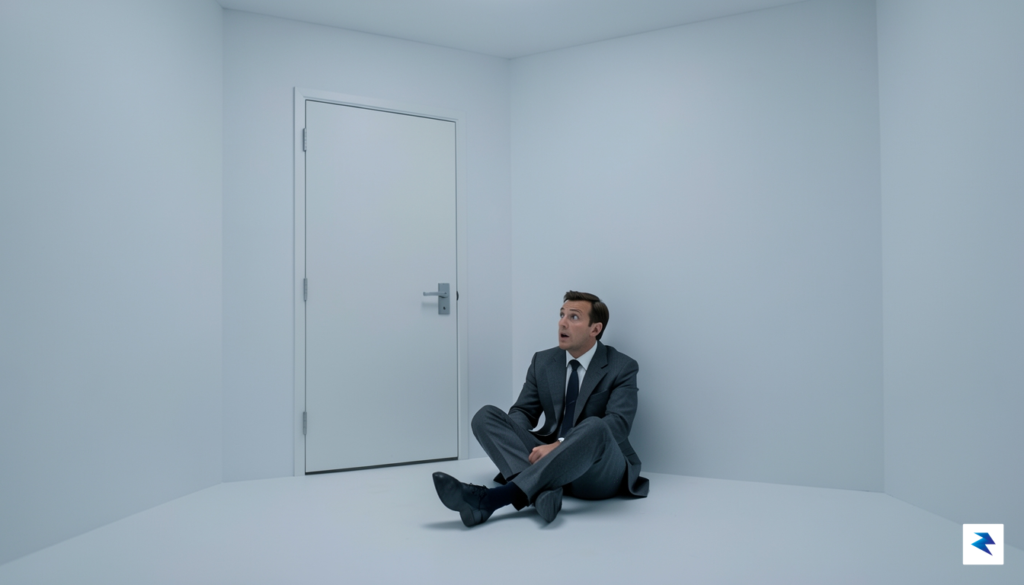
Indeed, the contrast between the analog limitations of the 1960s and the digital anxieties of today only highlights Henson’s visionary approach. ‘The Cube’ didn’t rely on advanced gadgets or virtual realities to make its audience question their world; instead, it used surrealism and a relentless psychological assault to achieve its impact. The protagonist’s struggle within the unchanging yet ever-changing cube mirrors the feeling of being trapped within a system beyond one’s control, a central theme in many ‘Black Mirror’ narratives where technology itself becomes the inescapable prison. Henson utilized the surrealist genre not merely for artistic expression, but as a potent tool to challenge viewer expectations of what television could be, transforming the passive act of watching into an active, often unsettling, engagement with profound philosophical questions.

While Jim Henson is rightfully celebrated as the architect of a puppet-driven cultural revolution, characterizing him solely as a puppeteer ignores the profound scope of his directorial ambition. By the late 1960s, Henson was deeply immersed in the experimental arts scene, drawing heavy inspiration from the avant-garde cinema of the era. He was not merely interested in the mechanics of performance; he was obsessed with the potential of the camera to distort reality and manipulate the viewer’s perception. The Cube serves as a definitive artifact of this period, proving that his creative toolkit extended far beyond the felt-and-foam constraints of his early television work.
In this surrealist teleplay, Henson stripped away the safety net of his signature characters to experiment with pure psychological storytelling. He utilized the oppressive, singular setting of the cube to master the art of claustrophobic framing and precise blocking—techniques that would become the backbone of his later cinematic triumphs. The isolation felt by the protagonist in this piece laid the conceptual groundwork for the existential dread found in the more shadowed corners of The Dark Crystal. By experimenting with the disorientation of space and the fragility of the human psyche, Henson was refining a visual language that prioritized atmosphere over dialogue, a bold choice for a filmmaker often associated with the lighthearted whimsy of the Muppets.
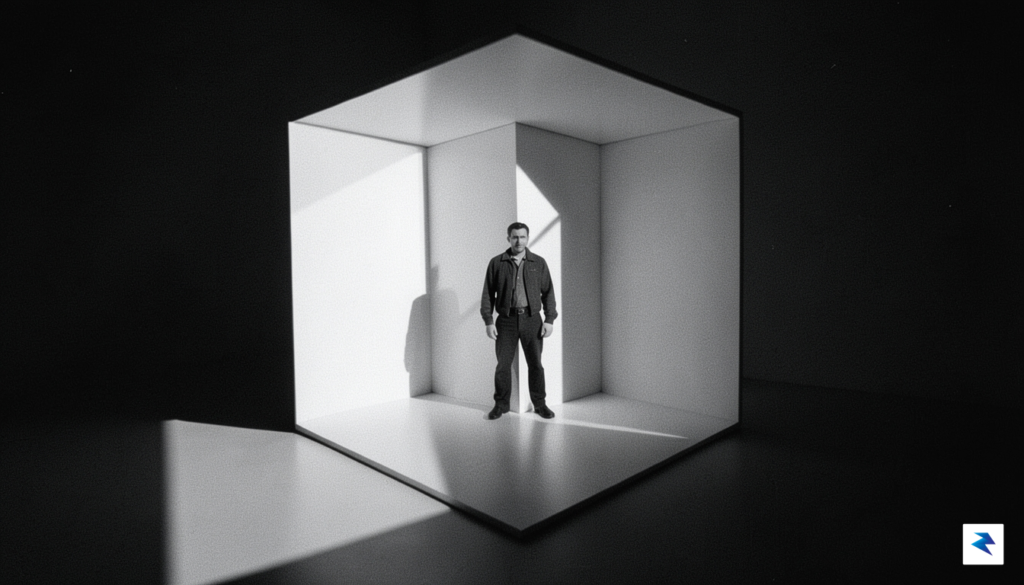
The lessons learned through this exercise in minimalist direction directly informed the architectural grandeur of his feature film career. The intricate, labyrinthine worlds of his later fantasy epics were not sudden departures from his style, but rather the culmination of the technical risks he took in his earlier experimental shorts. When watching Labyrinth or the darker sequences of The Dark Crystal, one can trace a clear line back to the spatial experimentation of his proto-Black Mirror efforts. Henson understood that the camera was a tool for transformation, capable of turning a simple stage set into a psychological prison or a gateway to another world.
The true genius of Henson’s career lies in his refusal to be categorized; he was a master of the stage, the screen, and the subconscious, always pushing the boundaries of what a director could achieve with light, shadow, and silence.
Ultimately, this work stands as a testament to a visionary who was constantly evolving, never settling for the comfort of familiar formats. It reveals a director who was deeply attuned to the unsettling nature of reality—a precursor to the modern anthology series that now dominates our streaming queues. By pushing into the avant-garde, Henson ensured that his creative vision remained fluid, allowing him to bridge the gap between children’s entertainment and adult-oriented, high-concept speculative fiction with unparalleled ease.
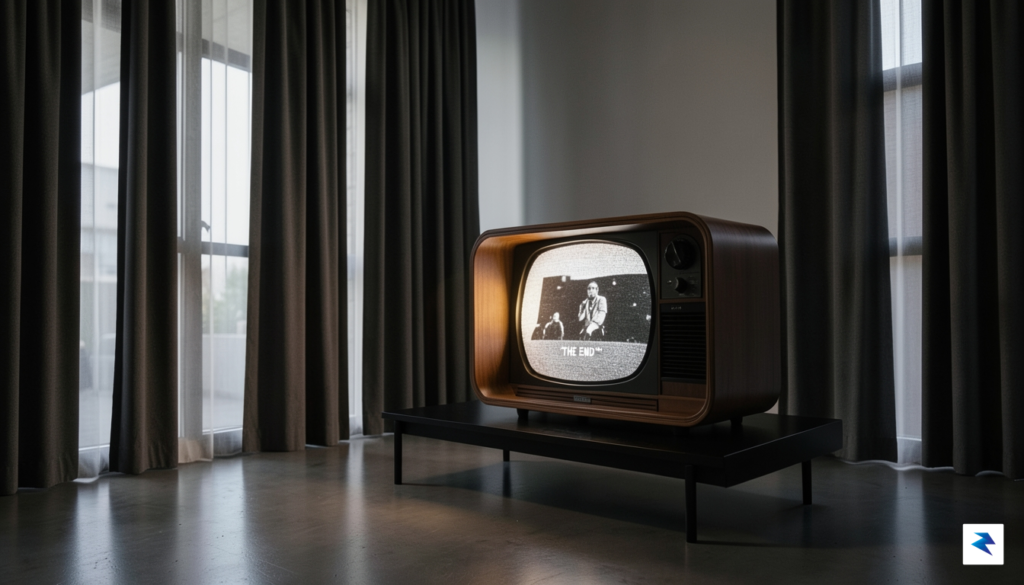
For decades, The Cube existed primarily as a whisper among dedicated Henson archivists and students of experimental television, relegated to the dusty corners of broadcast history. However, in recent years, it has transcended its status as a mere curiosity to become a cornerstone of cult cinema. Its legacy is tied to the courage of a creator willing to subvert the expectations of his audience, trading the whimsy of the Muppets for the cold, sterile dread of existential entrapment. The film’s endurance in these niche circles serves as a vital reminder that television—often dismissed as a disposable medium—can function as a profound canvas for philosophical inquiry and avant-garde storytelling.
Preserving works like The Cube is essential because they document the evolution of visual language. When we view these early experiments, we gain a clearer understanding of how the tropes of modern psychological thrillers were constructed. Without the foundational efforts of visionaries who pushed against the structural constraints of 1960s broadcasting, the high-concept, serialized dark-dramas we consume today might never have found their footing. Protecting these masterworks ensures that the lineage of creative risk-taking remains intact, providing a roadmap for future filmmakers to challenge the status quo rather than simply mirroring the trends of the current moment.
“The Cube is not merely a relic of a bygone era; it is a mirror held up to our own digital confinement, proving that true art transcends the technology of its time.”
Contemporary audiences should revisit this masterpiece because its central premise—the total erosion of autonomy in an opaque, unyielding system—has never felt more urgent. While Black Mirror often examines how technology mediates our trauma, The Cube strips away the hardware to focus on the raw, psychological sensation of being a cog in a machine we can neither see nor comprehend. In an era defined by algorithmic curation and the feeling of being trapped within digital feedback loops, the film’s depiction of helplessness is hauntingly fresh. By engaging with this proto-masterpiece, viewers are invited to confront the architecture of their own modern isolation, recognizing that while the settings of our lives may change, the fundamental struggle for agency remains a timeless human endeavor.
You must be logged in to post a comment.