The Great Capital Migration: Why AI is Winning

The global investment landscape is undergoing a profound and irreversible transformation, a veritable tectonic shift in how massive pools of capital are allocated. As we navigate the complex economic currents of 2024 to 2026, characterized by persistent inflationary pressures, elevated interest rates, and geopolitical uncertainties, institutional investors are increasingly prioritizing stability, tangible returns, and foundational growth. This environment has fostered a discerning approach, moving away from speculative ventures that once captured headlines and toward robust sectors promising long-term value and undeniable utility. The search for secure, high-yield opportunities in an era of volatility has become paramount, guiding billions of dollars towards the next great technological frontier.
At the heart of this migration lies the irresistible gravitational pull of artificial intelligence. Unlike the ephemeral allure of purely digital assets, AI represents a fundamental re-engineering of industries, societies, and economies. This isn’t merely a technological trend; it’s the dawning of a new industrial revolution, demanding a colossal investment in its underlying infrastructure. Consequently, the ‘AI capital cycle’ has emerged as the dominant paradigm. This cycle begins with massive capital injections into research and development, cascades into the intricate, capital-intensive world of advanced semiconductor manufacturing, and culminates in the deployment of AI systems that drive unprecedented productivity and innovation across every conceivable sector. It’s a self-reinforcing loop where investment fuels capability, which in turn generates demand and further investment.
For savvy investors, the contrast between the volatile, often unpredictable trajectory of speculative digital assets and the ironclad demand for AI infrastructure, particularly chip manufacturing, couldn’t be starker. While cryptocurrencies and NFTs offered tantalizing, albeit often unrealized, dreams of decentralization and rapid wealth accumulation, they frequently lacked intrinsic productive capacity and suffered from extreme price fluctuations divorced from underlying utility. Conversely, AI chips are the literal engines of the future, essential components without which no advanced AI model can be trained or deployed. Investing in the fabrication plants, the sophisticated machinery, and the intellectual property behind these chips means investing in a tangible, indispensable asset with a clear, exponential growth trajectory driven by real-world application.

This pivot signifies a return to fundamentals, emphasizing investments that generate ‘productive capacity.’ In the AI era, productive capacity refers to the ability of infrastructure and technology to directly contribute to economic output, efficiency gains, and the creation of new goods and services. A new semiconductor fabrication plant, for instance, doesn’t just hold speculative value; it literally produces the brainpower for countless future innovations, from autonomous vehicles and medical diagnostics to climate modeling and personalized education. This direct link to tangible economic growth and societal advancement makes AI infrastructure a far more attractive proposition for institutional capital, which prioritizes sustained growth and measurable impact over fleeting market sentiment.
Ultimately, the substantial commitments, such as the hundreds of billions being poured into AI chip initiatives globally, underscore a collective recognition that the future economy will be fundamentally powered by artificial intelligence. This isn’t a speculative gamble; it’s a strategic imperative. Investors are no longer chasing the promise of digital gold but rather investing in the digital pickaxes, shovels, and processing power required to build the foundational layers of the AI-driven world. This migration of capital is not just a trend; it’s a recalibration of investment priorities towards assets that embody utility, drive innovation, and promise robust, long-term returns in an increasingly interconnected and technologically advanced global economy.
South Korea’s Strategic $518 Billion Bet

South Korea is embarking on an industrial transformation of monumental proportions, committing an astonishing $518 billion to fortify and expand its already formidable semiconductor industry. This gargantuan investment is not merely an upgrade; it represents a strategic acceleration, effectively pulling a decade’s worth of infrastructure development and technological advancement into the immediate future. Seoul’s audacious bet underscores a clear national priority: to cement its unassailable position at the vanguard of the global microchip arms race, particularly as the demand for artificial intelligence capabilities surges worldwide. This unprecedented commitment reflects a deep understanding of the future economic and geopolitical landscape.
At the heart of this colossal financial undertaking are the nation’s industrial titans, Samsung Electronics and SK Hynix, who together are slated to contribute the vast majority of this half-trillion-dollar sum. This staggering figure encompasses not only the construction of multiple new fabrication plants—or “fabs”—but also significant investments in research and development, advanced packaging technologies, and the cultivation of a highly skilled workforce. These industry leaders, already global behemoths in memory chip production, are now poised to funnel unprecedented capital into expanding capacity and pushing the boundaries of chip innovation. Their combined might and strategic vision are indispensable to realizing the nation’s ambitious semiconductor roadmap.
The geopolitical stakes of this investment cannot be overstated. South Korea has long been the world’s undisputed memory chip powerhouse, producing a dominant share of the DRAM and NAND flash memory essential for virtually all modern electronics, from smartphones to supercomputers. As artificial intelligence models become increasingly sophisticated and data centers expand exponentially, the demand for high-bandwidth, high-capacity memory chips skyrockets. By doubling down on this expertise, South Korea isn’t just chasing economic growth; it’s solidifying a critical strategic choke point in the global technology supply chain, ensuring its pivotal role in powering the AI revolution and influencing future technological dependencies.
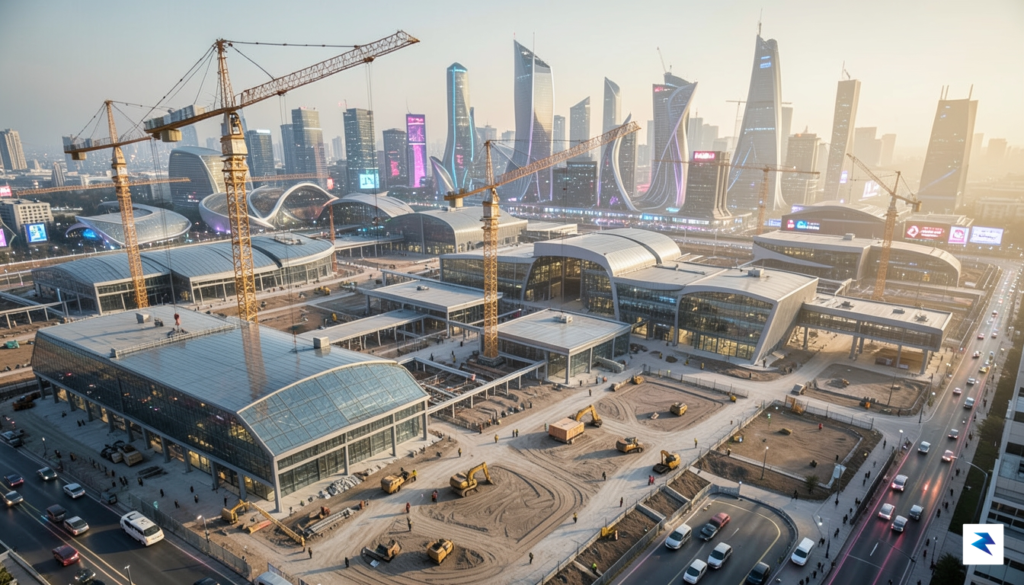
Crucially, this initiative isn’t just about the sheer scale of investment; it’s about an unparalleled acceleration of timelines. What might typically take years, or even a decade, to plan and execute in terms of infrastructure development is now being fast-tracked with extraordinary urgency. The goal is to bring new fabrication facilities online and scale up production capabilities at an unprecedented pace to meet the insatiable global demand for AI-specific semiconductors. This includes intricate memory solutions vital for AI accelerators, as well as logic chips designed for complex AI computations, all being pushed into production cycles far sooner than conventional industry timelines would suggest. The world’s appetite for AI is driving a construction boom unlike any seen before.
Ultimately, South Korea’s $518 billion strategic initiative transcends a mere economic stimulus package; it is a profound declaration of intent to shape the future of global technology. By consolidating its lead in memory and expanding its footprint in advanced logic and packaging, the nation aims to maintain an indispensable role in the AI-driven economy for decades to come. This massive capital allocation signals a clear shift in investment priorities towards tangible, high-tech manufacturing and foundational infrastructure, positioning South Korea as an enduring linchpin in the rapidly evolving digital landscape. It’s a bold move designed to secure not just market share, but technological sovereignty in an increasingly competitive world.
The Infrastructure Bottleneck: HBM and Memory Supremacy
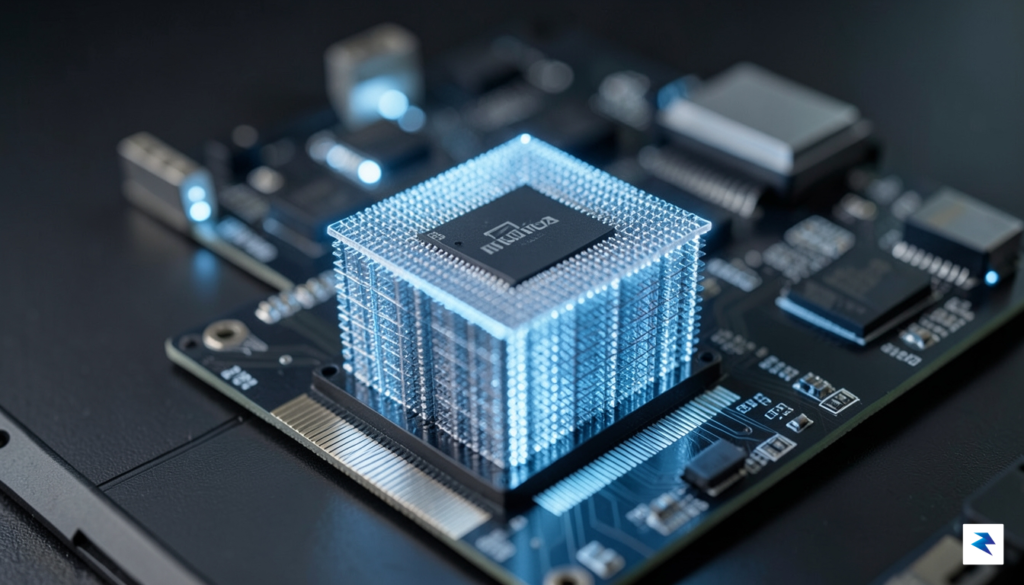
At the very heart of the artificial intelligence revolution, particularly the insatiable demand for ever-larger and more capable Large Language Models (LLMs), lies a profound hardware challenge that only a select few memory giants can address. This critical bottleneck, and consequently the locus of immense capital expenditure, is High Bandwidth Memory, or HBM. Unlike conventional memory, HBM is a specialized type of RAM built by vertically stacking multiple memory dies, interconnected with incredibly short data pathways, and then integrating this stack directly alongside or very close to the Graphics Processing Unit (GPU) on a single package. This architectural marvel is designed to alleviate the data transfer limitations that would otherwise cripple modern AI accelerators, providing the sheer bandwidth necessary to feed the voracious appetites of today’s most complex AI models.
The imperative for HBM becomes starkly clear when considering the colossal data requirements of training sophisticated LLMs. Traditional memory solutions, such as DDR (Double Data Rate) or even GDDR (Graphics Double Data Rate) memory, while perfectly adequate for general computing and gaming, simply cannot keep pace with the parallel processing power of advanced AI GPUs. These GPUs, tasked with billions of calculations per second across vast datasets, often find themselves waiting for data to arrive from memory, a phenomenon known as the “memory wall.” HBM shatters this wall by offering significantly higher data transfer rates and greater energy efficiency per bit, ensuring that the GPU’s computational units remain saturated with data, thereby drastically reducing training times and improving overall AI system performance. Without HBM, the full potential of high-end AI processors would remain largely untapped, rendering their immense processing power inefficient and costly.
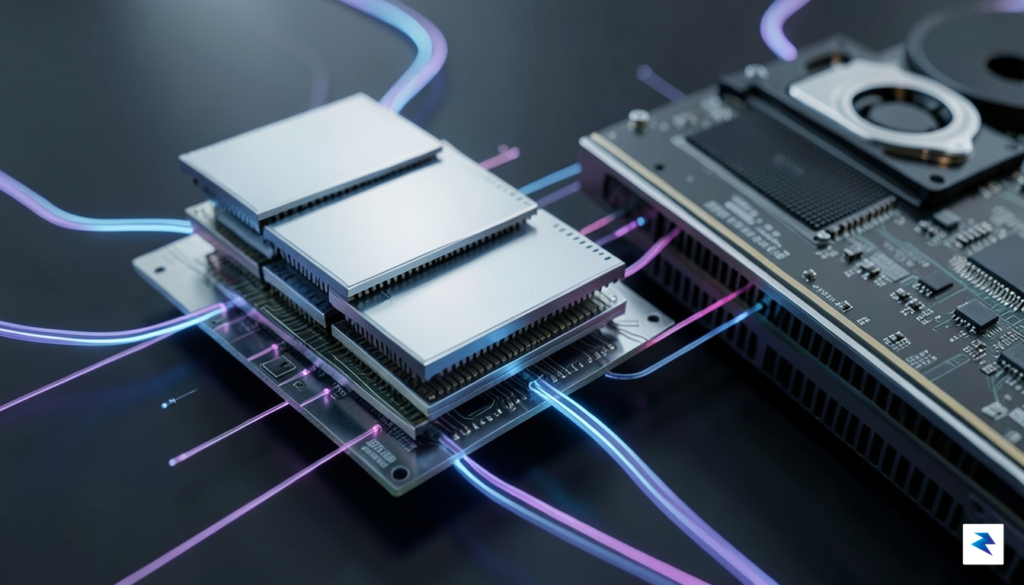
This dependency has created immense supply chain pressure, with leading AI chip developers like Nvidia, AMD, and Intel vying fiercely for HBM allocations. Nvidia’s flagship AI accelerators, such as the H100 and the upcoming B200, are heavily reliant on multi-gigabyte stacks of the latest HBM generations (HBM3 and HBM3E) to deliver their industry-leading performance. The demand is so intense that HBM has become a critical gating factor in the production and deployment of new AI hardware, dictating the pace at which the global AI infrastructure can expand. Consequently, manufacturers are racing to ramp up production and innovate new HBM technologies, underscoring its pivotal role in the global technological arms race for AI supremacy.
In this high-stakes environment, memory titans like Samsung and SK Hynix have cemented an almost unassailable competitive moat. These South Korean powerhouses have invested decades and billions into the intricate manufacturing processes required for HBM, mastering the complex techniques of die stacking, Through-Silicon Via (TSV) interconnection, and precise thermal management. The capital expenditure, specialized equipment, and deep institutional knowledge needed to produce HBM at scale, with high yields and reliability, create formidable barriers to entry for new competitors. This technological leadership not only grants them a strategic advantage but also positions them as indispensable partners for virtually every company striving to build cutting-edge AI systems, channeling massive investments directly into their advanced fabrication facilities and R&D pipelines. Ultimately, the race for HBM is not just about producing memory; it’s about controlling the very foundation upon which the future of artificial intelligence will be built.
Crypto vs. AI: The Battle for Institutional Liquidity
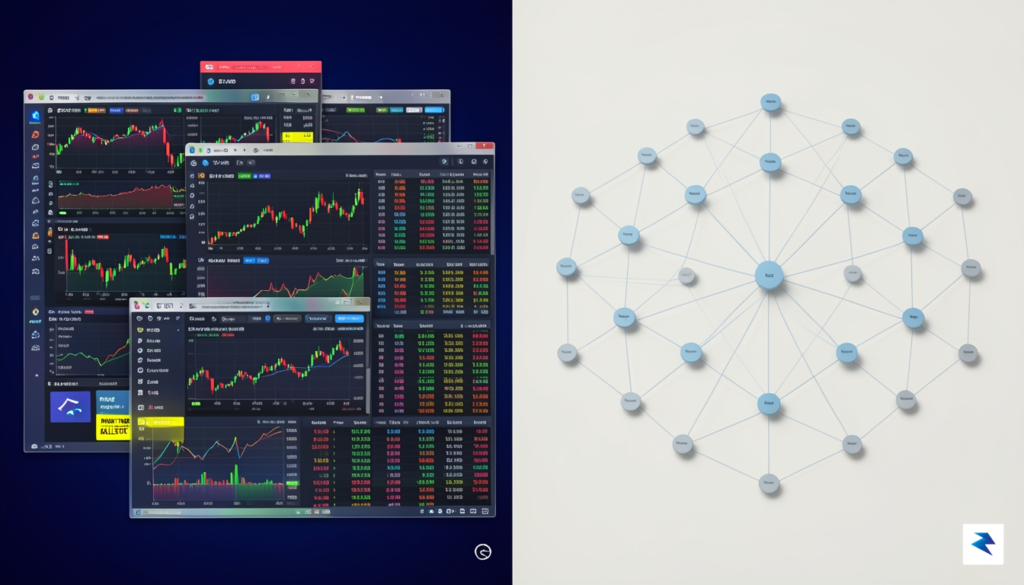
The financial world is currently witnessing a profound redirection of capital, a phenomenon starkly highlighted by the burgeoning investments in AI infrastructure, particularly hardware. While cryptocurrency markets persistently grapple with regulatory ambiguities, navigate cyclical volatility, and struggle to establish broad institutional acceptance, the AI hardware sector presents an altogether different, and increasingly compelling, narrative. It offers a clear value proposition rooted in immediate, real-world utility and an undeniable trajectory of growth, drawing significant liquidity away from more speculative ventures.
When comparing risk-adjusted returns, AI hardware manufacturers offer a stability and predictability that many crypto assets simply cannot match. Investing in the companies that design and produce the chips, servers, and data centers powering the AI revolution feels tangible; it’s an investment in the foundational infrastructure of the next technological age. For large institutional players like pension funds, sovereign wealth funds, and major asset managers, whose mandates prioritize long-term value preservation and steady growth over high-risk speculation, the clear correlation between technological advancement, increased demand, and projected earnings in AI hardware presents a far more attractive and justifiable allocation. This stands in sharp contrast to the often opaque valuation metrics and extreme price swings characteristic of many digital assets, which can complicate fiduciary responsibilities.
This dynamic has created what many observers are terming a ‘liquidity drain’ effect. Capital that, in previous cycles, might have sought out the high-risk, high-reward potential of emerging crypto projects is now increasingly flowing into the more assured, albeit still rapidly growing, AI ecosystem. Nations like South Korea, with its ambitious $518 billion push into advanced AI chip development, exemplify this shift, demonstrating a national commitment to securing a strategic position in a technologically crucial sector. This isn’t merely venture capital chasing the next big thing; it’s a systemic reallocation driven by a clearer understanding of future economic drivers, where the tangible outputs of AI hardware offer a more compelling investment thesis than the often abstract promises of decentralized finance or digital collectibles.
Major institutional players are meticulously re-evaluating their portfolios, and the evidence points to a decisive pivot. Pension funds, for instance, are bound by strict investment guidelines focused on stable, long-term returns to meet future liabilities. While a small, diversified exposure to digital assets might be considered for some, the scale of investment in AI hardware and related infrastructure dwarfs any typical crypto allocation. These institutions are channeling billions into companies at the forefront of AI chip manufacturing, advanced computing, and data processing, recognizing that these technologies are not just disruptive but are becoming indispensable across every industry from healthcare to logistics. They are building positions in entities with established revenue streams, intellectual property, and robust growth forecasts, rather than navigating the nascent and often volatile regulatory landscape surrounding cryptocurrencies.
The critical question then arises: is this trend a temporary market rotation, a cyclical ebb and flow of capital, or does it represent a deeper, long-term structural shift? Evidence increasingly suggests the latter. AI is not a niche technology; it is a foundational, general-purpose technology poised to redefine global economies and societies for decades to come. The demand for processing power, data storage, and advanced algorithms will only intensify, making investments in AI hardware a strategic imperative rather than a fleeting fad. Unlike the often speculative nature of crypto, which can be heavily influenced by sentiment and regulatory whims, the utility of AI hardware is intrinsic and ever-expanding, ensuring a sustained demand curve that underpins a more resilient investment narrative. This structural realignment reflects a fundamental re-evaluation of where genuine, sustainable value is being created in the 21st century economy.

Long-term Implications for Global Tech Markets

The monumental investment of $518 billion into South Korea’s AI chip infrastructure signals a profound recalibration of global tech market priorities, fundamentally reshaping where capital flows and what types of innovation are prioritized. This colossal sum isn’t merely a speculative venture; it represents a commitment to building the physical bedrock of the next technological era, creating tangible factories, jobs, and a robust supply chain that promises concrete economic returns and national strategic advantage. Such a massive deployment of capital into physical assets and advanced manufacturing facilities acts as a powerful magnet, drawing further institutional investment, top-tier talent, and sustained governmental support, thereby solidifying AI’s position as the dominant frontier for innovation and investment for decades to come. The ripple effects will be felt across every sector, from manufacturing and logistics to healthcare and defense, creating an entirely new industrial complex that stands in stark contrast to the more ephemeral, often speculative, nature of earlier digital asset markets.
Consequently, the crypto market finds itself at a critical juncture, compelled to redefine its intrinsic value proposition as traditional capital gravitates towards the more tangible and strategically vital realm of AI infrastructure. While the speculative booms of decentralized finance and non-fungible tokens once captured significant attention and investment, the sheer scale and governmental backing of AI initiatives now present a formidable competitor for investment dollars. This doesn’t herald the demise of cryptocurrency, but rather forces a necessary evolution, pushing the market away from purely speculative assets and towards applications that offer clear, demonstrable utility and integration with the emerging AI-driven economy. The era where meme coins could command disproportionate capital might very well be waning, replaced by a demand for projects that solve real-world problems or enhance existing technological frameworks, thereby carving out a sustainable niche rather than attempting to compete directly with AI for foundational investment.
Indeed, this shift presents a unique opportunity for synergy between blockchain and artificial intelligence, rather than outright competition. Blockchain technology possesses inherent capabilities crucial for the responsible and efficient development of AI, offering a powerful new narrative for its long-term relevance. For instance, blockchain can provide unparalleled data integrity and provenance, ensuring that AI models are trained on verifiable, untampered datasets, a critical concern as AI becomes more integrated into sensitive applications. Furthermore, decentralized blockchain networks could foster open-source AI development, preventing monopolization by a few tech giants and promoting democratic access to powerful AI tools. Imagine smart contracts governing AI ethics and accountability, or tokenized systems allowing fractional ownership and access to high-compute resources for AI training. This convergence would allow blockchain to serve as a vital supporting layer, enhancing trust, transparency, and decentralization within the increasingly centralized and powerful world of AI, creating a compelling new value proposition beyond pure financial speculation.
Ultimately, the current investment landscape signals a broader re-evaluation of what constitutes a valuable technological investment, favoring “hard tech” over “soft tech” in the foundational stages. The emphasis is now squarely on the physical infrastructure—the semiconductors, advanced robotics, and quantum computing capabilities—that serve as the engine for future innovation and provide tangible, long-term strategic advantages for nations. While software and digital assets will always play a crucial role, their ability to attract massive capital infusions will increasingly depend on their capacity to build upon, enhance, or integrate with this emerging physical foundation. This doesn’t mark an end to innovation in the digital realm, but rather a maturation where foundational infrastructure takes precedence, demanding that all subsequent innovations demonstrate clear utility and integrate seamlessly into the robust economic engines now being constructed. The market is demanding not just novelty, but concrete impact and a solid contribution to the global technological backbone.