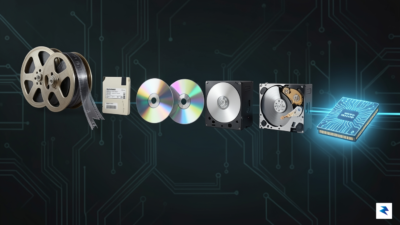
The 60-Year Price Crash: How Memory Storage Changed the World
The Exponential Evolution of Data Storage Imagine a time when a computer required an entire room, its core processing power reliant on…


Apple’s AirPods have undeniably set a high bar for convenience, captivating millions with their “it just works” magic. The moment you open the case, they instantly connect to your iPhone, iPad, or Mac, offering effortless switching, intuitive controls, and a truly integrated audio experience. This seamlessness, often lauded as a hallmark of Apple’s design philosophy, creates an almost irresistible allure, making users feel productive and connected within their digital lives. For those fully embedded in the Apple ecosystem, the experience is largely frictionless, reinforcing the idea that premium hardware should offer such effortless integration.
However, this very “seamlessness” often comes at a significant cost, particularly for individuals who venture beyond Apple’s tightly controlled ecosystem. The underlying issue lies with proprietary firmware and communication protocols that prioritize exclusivity over interoperability. While AirPods function as basic Bluetooth headphones with any device, their advanced features — such as automatic device switching, spatial audio, precise battery readouts for individual earbuds and case, and customizable tap controls — are often tethered exclusively to Apple hardware. This deliberate limitation leaves users with Android phones, Windows PCs, or Linux machines feeling like second-class citizens, unable to unlock the full potential of their expensive audio accessories.
Imagine purchasing a premium set of earbuds only to discover that critical functionalities are arbitrarily disabled when paired with your preferred operating system. For many, this isn’t a minor inconvenience but a fundamental restriction on their technological freedom. Users find themselves unable to effortlessly switch between their Android phone and their Linux laptop, constantly missing out on advanced audio processing or even basic battery information without resorting to third-party apps and workarounds that are often clunky and unreliable. This lack of cross-platform functionality highlights a deliberate design choice by manufacturers to lock users into a specific brand, fostering a sense of being trapped within a digital walled garden, rather than empowered by their own hardware.

This growing frustration fuels a powerful and increasingly vocal demand for what is known as “technological sovereignty.” At its core, technological sovereignty is the principle that users should have ultimate control over their own devices, data, and digital experiences, rather than being dictated by a single corporation’s agenda. It’s about the right to repair, the right to customize, and the right to choose how and where your hardware functions, free from artificial limitations. Users are no longer content with being passive consumers; they want to be active participants in shaping their technology, demanding transparency and open standards that empower them, not restrict them.
Consequently, the allure of truly user-controlled hardware experiences is steadily gaining momentum. People are actively seeking alternatives that embody principles of openness and interoperability, allowing them to fully utilize their devices across diverse platforms without compromise. This shift in consumer sentiment indicates a broader movement away from proprietary lock-ins towards a future where hardware empowers users with genuine choice and flexibility. The desire to break free from these digital confines isn’t merely about convenience; it’s about reclaiming ownership and control over the technology that permeates our daily lives, paving the way for innovations that serve the user first and foremost.

In an era increasingly defined by proprietary ecosystems, where hardware often comes with invisible chains binding users to specific manufacturers, a groundbreaking open-source initiative is emerging to challenge the status quo. Enter Librepods, a fascinating project dedicated to reverse-engineering and liberating the functionality of locked-down audio devices, most notably those from tech giants known for their tightly integrated “walled gardens.” This isn’t just about tweaking a setting; it’s about fundamentally rethinking ownership and control in personal audio. The philosophy behind Librepods speaks to a growing desire for true hardware freedom, positioning it as a pivotal moment for open-source hardware enthusiasts and anyone frustrated by artificial limitations.
At its core, the mission of the Librepods project is to peel back the layers of obscurity surrounding popular audio hardware. This involves the intricate and often arduous process of reverse-engineering proprietary blobs—the closed-source firmware, drivers, and communication protocols that dictate how these devices operate. These “blobs” are typically opaque, preventing users from understanding, modifying, or even fully utilizing their own hardware outside of the manufacturer’s prescribed ecosystem. Librepods seeks to decode these digital secrets, not to infringe, but to create open-source alternatives that allow users unprecedented control and interoperability, ultimately giving back agency to the consumer.
The significance of successfully reverse-engineering these proprietary components cannot be overstated. By understanding and replicating the underlying mechanisms, the Librepods community can develop open firmware that can potentially replace or augment the original, offering features, fixes, and freedoms previously impossible. This move directly addresses the issue of hardware lock-in, where consumers are often forced into costly upgrades or limited by software incompatibilities. More profoundly, it empowers developers and users to extend the life and utility of their devices, fostering a sustainable approach to consumer electronics rather than one driven by planned obsolescence.
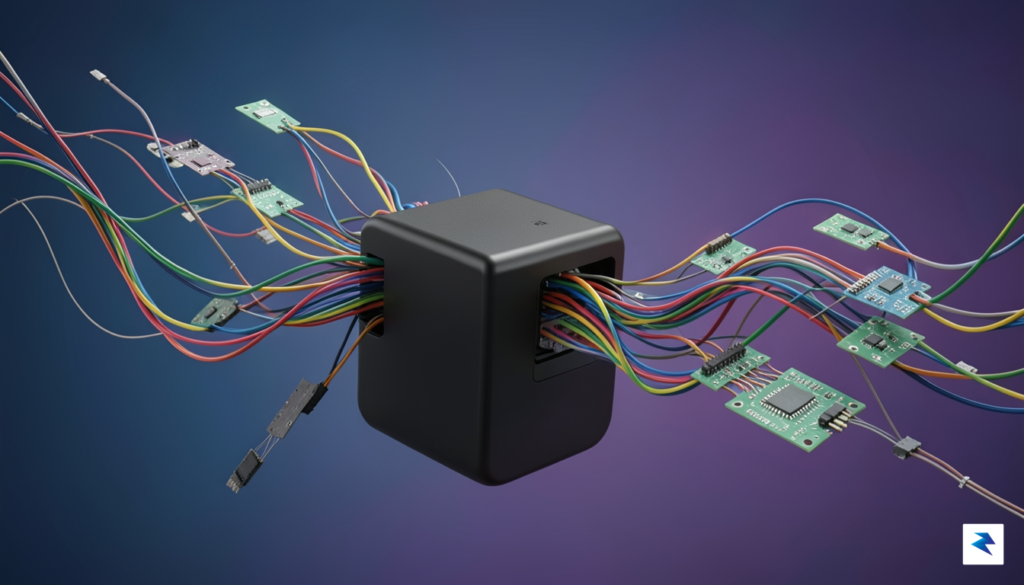
What makes Librepods particularly compelling is its inherently community-driven nature. This isn’t a corporate venture; it’s a collective effort fueled by passionate volunteers—engineers, hobbyists, and open-source advocates—who believe in the power of shared knowledge. The complexity of reverse-engineering modern electronics demands diverse expertise and persistent dedication, making a collaborative, decentralized model not just ideal, but arguably essential. Through forums, code repositories, and shared documentation, the community works
Unlocking the full potential of Apple’s popular AirPods beyond their native ecosystem presents a formidable technical challenge, one that the Librepods project is systematically dissecting. At its core, the communication between AirPods and any device relies on Bluetooth Low Energy (BLE) protocols. BLE is a standard designed for power-efficient wireless communication, making it ideal for small, battery-powered devices like earbuds. While the basic framework of connecting and transmitting audio data adheres to established BLE profiles, Apple has layered a sophisticated set of proprietary protocols on top, effectively creating a “walled garden” that limits seamless interoperability with non-Apple hardware and software.
The primary hurdle for the Librepods team lies in decrypting these proprietary handshake mechanisms. When an AirPod connects to an Apple device, they engage in a complex series of encrypted exchanges, authenticating each other and negotiating features far beyond standard Bluetooth profiles. This “secret language” involves custom data packets, unique identifiers, and often dynamically changing encryption keys, all designed to ensure a tightly controlled user experience within Apple’s ecosystem. The challenge involves painstaking reverse engineering: intercepting these communications, analyzing the raw data at a byte level, and identifying patterns that reveal how AirPods report battery levels, register touch controls, or even initiate automatic device switching.
The technical approach to overcoming this involves a multi-pronged strategy. Researchers on the Librepods team, often collaborating with a broader open-source community, utilize specialized hardware and software tools to sniff Bluetooth traffic. This allows them to capture the raw data packets exchanged between AirPods and Apple devices. These packets are then meticulously analyzed to identify proprietary service UUIDs (Universally Unique Identifiers) and characteristic values that deviate from standard BLE specifications. Furthermore, examining firmware updates for clues, cross-referencing with other reverse-engineered Apple devices, and leveraging community knowledge bases are all crucial steps in piecing together the puzzle of Apple’s proprietary communication stack.
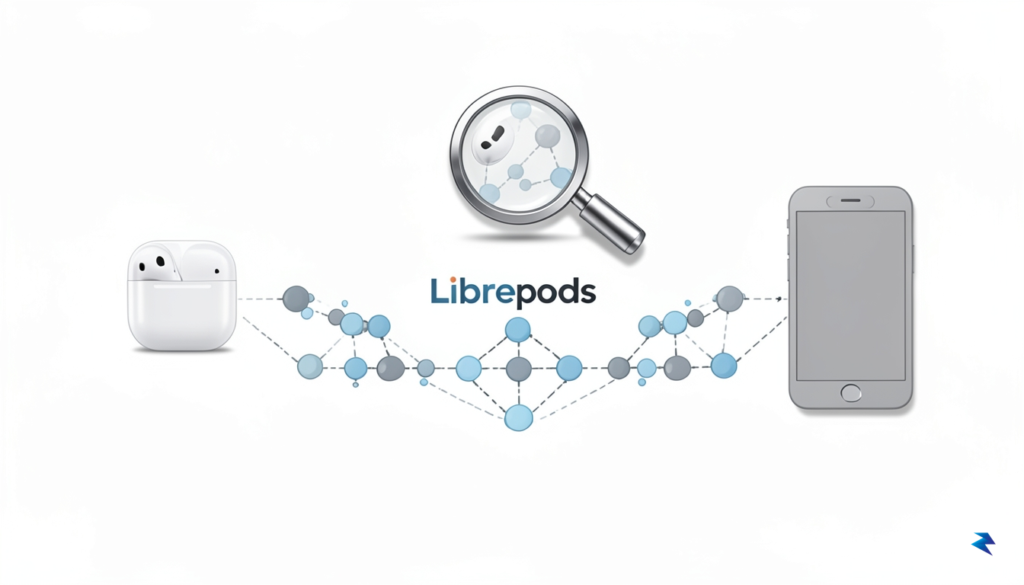
Currently, the Librepods project has made significant strides, moving beyond basic audio streaming to address more advanced functionalities. Initial milestones included successfully establishing stable connections and identifying the fundamental data structures for basic audio playback. The immediate priorities for cross-platform support are focused on features critical for a good user experience. This includes accurate battery level reporting for both individual earbuds and the charging case, which typically involves decoding specific advertisement packets or GATT (Generic Attribute Profile) characteristics. Furthermore, enabling touch controls – such as play/pause, skip track, and activating a voice assistant – requires understanding how the AirPods communicate user input back to the connected device, often through a custom BLE service.
While features like automatic device switching and advanced spatial audio remain long-term, highly complex goals due to their deep integration with Apple’s operating systems, the continuous, iterative nature of open-source development promises steady progress. Each decoded packet, each identified characteristic, represents a step closer to liberating these devices. The team’s ongoing work is not just about making AirPods work with more platforms; it’s about demonstrating the power of open collaboration to dismantle proprietary barriers and empower users with true interoperability, fostering an environment where hardware choices are not dictated by software ecosystems.
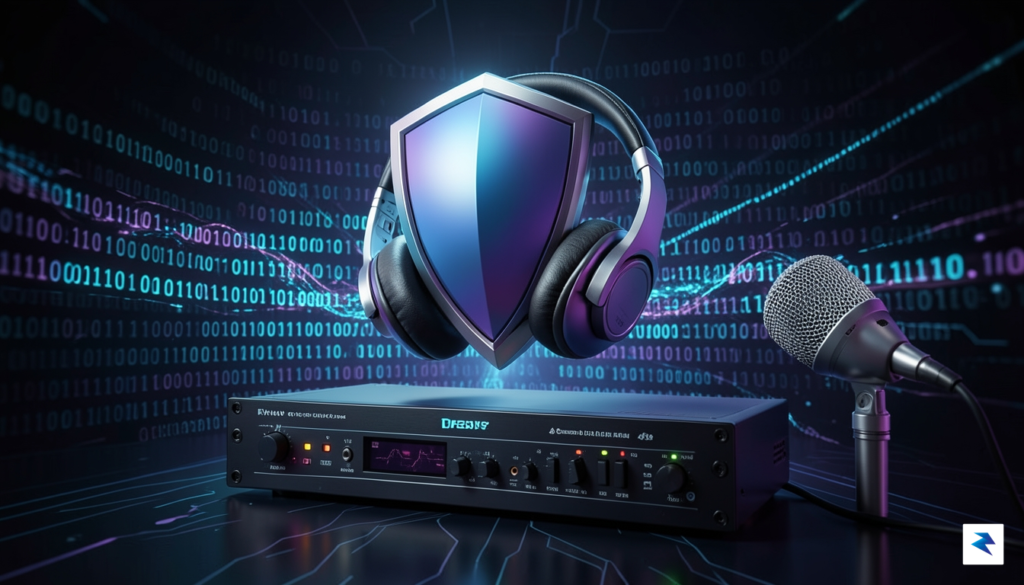
When we integrate sophisticated audio devices, particularly wireless earbuds, into our daily lives, we often do so with an implicit, perhaps even unconscious, trust in the manufacturer. However, the foundational software, known as firmware, that dictates the entire operational logic of these devices remains a tightly guarded secret, a veritable ‘black box’ of proprietary code. This inherent opacity means that consumers have absolutely no practical means to verify what data their device is truly collecting, where that information is being transmitted, or even if the code harbors undisclosed vulnerabilities that could severely compromise their personal security. From granular usage statistics and device performance metrics to potentially far more sensitive details like precise location data or detailed listening habits, the potential for surreptitious or unauthorized data practices looms large within an ecosystem fundamentally built upon non-transparent technology. This profound lack of user oversight presents significant, often unacknowledged, privacy concerns that many consumers unwittingly overlook, simply relying on brand reputation.

This is precisely the critical juncture where the guiding philosophy behind truly open-source alternatives, such as the ambitious initiative to “liberate” existing popular earbud hardware, profoundly redefines the entire paradigm of digital trust. By rendering the device’s firmware and underlying drivers completely publicly accessible, a diverse and dedicated global community comprising developers, seasoned security experts, and enthusiastic users can meticulously scrutinize every single line of code. This radical commitment to transparency is far more than a mere theoretical exercise; it constitutes an indispensable security advantage. Any potential backdoors, stealthy data collection mechanisms, or exploitable security vulnerabilities immediately become visible to a vast collective audience, fostering an inherently proactive environment where critical issues are not only identified but also remedied and patched with significantly greater speed and efficiency than within any closed, proprietary system. This intensive, collective scrutiny effectively transforms a passive, blind reliance into a dynamic, verifiable
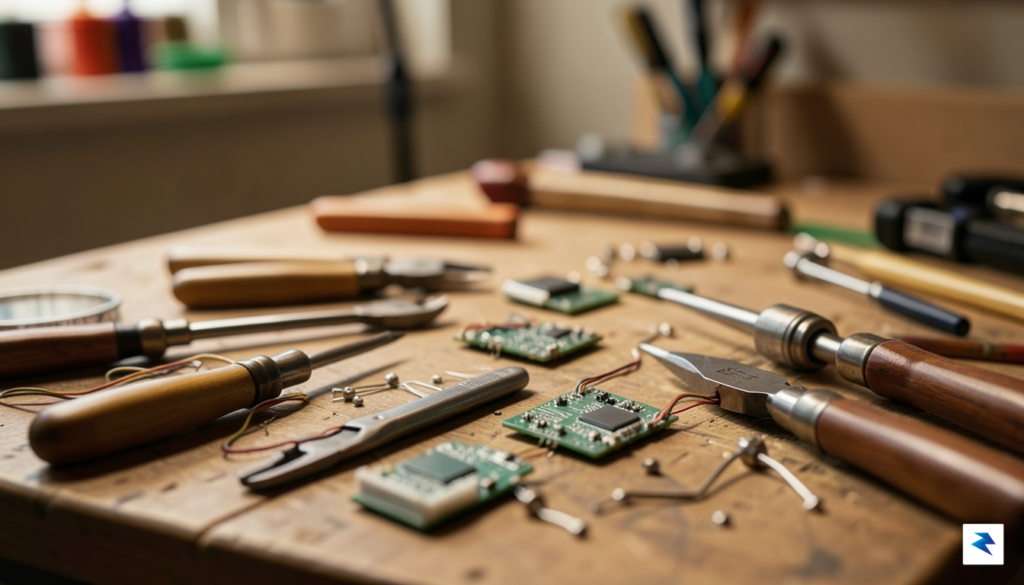
While the immediate appeal of projects like Librepods might seem to lie in unlocking new functionalities or breaking free from proprietary restrictions, their ultimate significance stretches far beyond mere software features. This movement represents a deeper push towards extending the lifespan of hardware, fostering genuine consumer empowerment, and redefining our relationship with the technology we purchase. It’s about shifting the paradigm from a model of planned obsolescence to one of sustainable use and true ownership, aligning perfectly with the burgeoning global Right-to-Repair movement.
The environmental impact of our ‘disposable’ tech culture is profound and increasingly unsustainable. Modern consumer electronics, particularly small, sealed units like wireless earbuds, are often designed with little to no consideration for repairability. Non-replaceable batteries, proprietary components, and glues that make disassembly impossible contribute to an enormous global e-waste problem, with millions of devices ending up in landfills annually. This necessitates the continuous extraction of finite resources, consumes vast amounts of energy in manufacturing, and exacerbates pollution, all for products that often fail or become obsolete within a few short years.
This is precisely where the philosophy of software freedom and open-source initiatives like Librepods become critical enablers for hardware longevity. By providing open firmware and diagnostic tools, these projects allow users and independent repair shops to understand, troubleshoot, and even fix devices that manufacturers might otherwise deem unrepairable. When the underlying code is accessible, it becomes possible to identify component failures, develop alternative repair procedures, or even adapt hardware for new purposes long after official support has ended. This transparency encourages a culture of maintenance and repair, directly counteracting the cycle of consumption and waste.

Ultimately, the long-term potential of such endeavors points towards a future where users truly own their devices entirely, from the physical chassis to the underlying code. Imagine a world where schematics are openly available, diagnostic tools are universal, and firmware can be updated or even customized without permission from the original manufacturer. This vision is at the very core of the Right-to-Repair movement, advocating for the legal and practical ability of consumers to fix their own products. Projects that liberate hardware through open software are not just about making existing devices better; they are foundational steps towards a more sustainable, equitable, and user-centric technological ecosystem where ownership means control, not just possession.
You must be logged in to post a comment.