
The 92 GW Pipeline: Understanding the Scale of Proposed Energy Projects
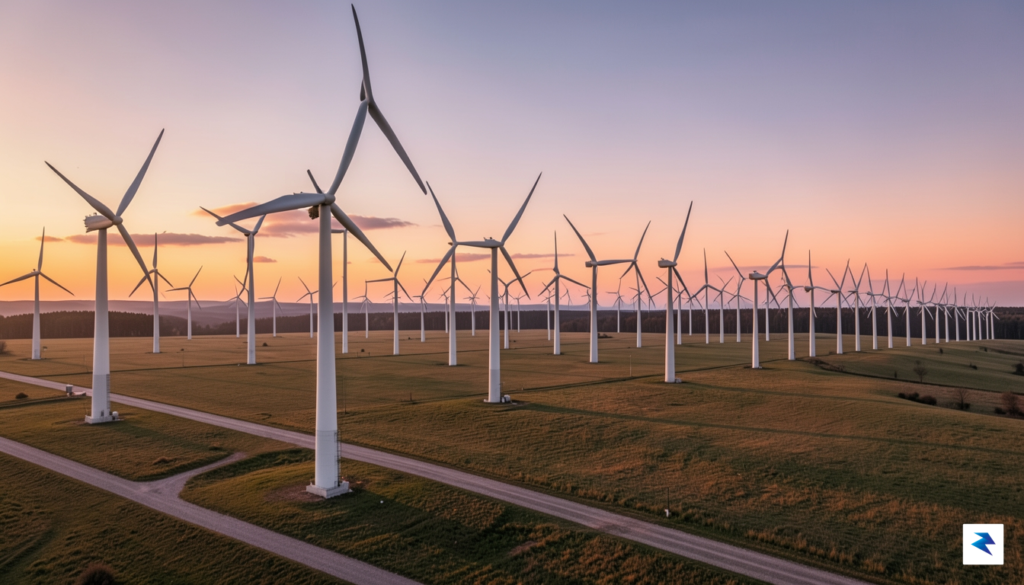
The United States energy landscape is currently defined by a historic transition, one that is moving away from a legacy reliance on carbon-heavy fossil fuels toward a more resilient, decentralized, and sustainable electrical grid. At the heart of this shift lies a staggering pipeline of 92 gigawatts (GW) of proposed renewable capacity, primarily consisting of utility-scale solar arrays and massive onshore and offshore wind farms. This volume of energy is not merely a collection of ambitious plans; it represents the critical infrastructure required to modernize a grid that is increasingly strained by rising electrification, the rapid expansion of data centers, and the growing demand from electric vehicles. Without the successful integration of these projects, the nation risks a significant supply-demand imbalance that could threaten both energy reliability and price stability for consumers.
To understand the sheer scale of these 92 GW, it is helpful to place the figure in the context of the total American power capacity. While the U.S. currently boasts a total nameplate capacity of roughly 1,200 to 1,300 GW, the 92 GW stuck in the current regulatory pipeline represents nearly 8% of the country’s entire existing fleet. More importantly, this represents the “clean” backbone of future energy production. If these projects were to come online simultaneously, they would be capable of powering tens of millions of homes, substantially reducing the carbon intensity of the grid while providing a hedge against the volatile fuel costs associated with natural gas and coal. The projects range from sprawling desert solar farms in the Southwest to expansive wind turbines catching Atlantic gusts, all of which are designed to replace aging, inefficient plants that are nearing their retirement dates.
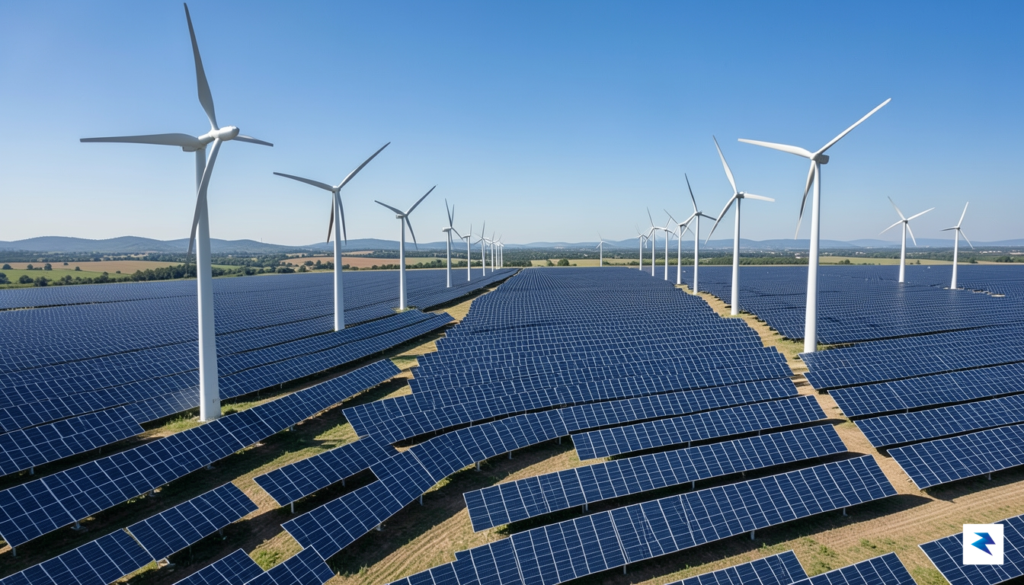
The 92 GW currently stalled by regulatory uncertainty is not just a statistical anomaly; it is a fundamental pillar of America’s future energy security that hangs in the balance.
Despite the obvious technological and economic benefits, the path to grid integration is becoming increasingly precarious due to mounting red tape. These projects are not simply plug-and-play; they require rigorous permitting, environmental impact assessments, and complex interconnection studies that have historically taken years to resolve. As the administration introduces new layers of bureaucratic oversight, the timeline for these 92 GW of capacity continues to stretch, effectively creating a bottleneck that prevents capital from flowing into the economy and keeps cleaner, cheaper energy off the grid. The risk is that as these developers face escalating costs and administrative delays, they may be forced to cancel projects altogether, leaving the country with a capacity deficit that will become increasingly difficult to fill as demand continues its upward trajectory.
Regulatory Hurdles: How Policy Shifts Are Impacting Renewable Development
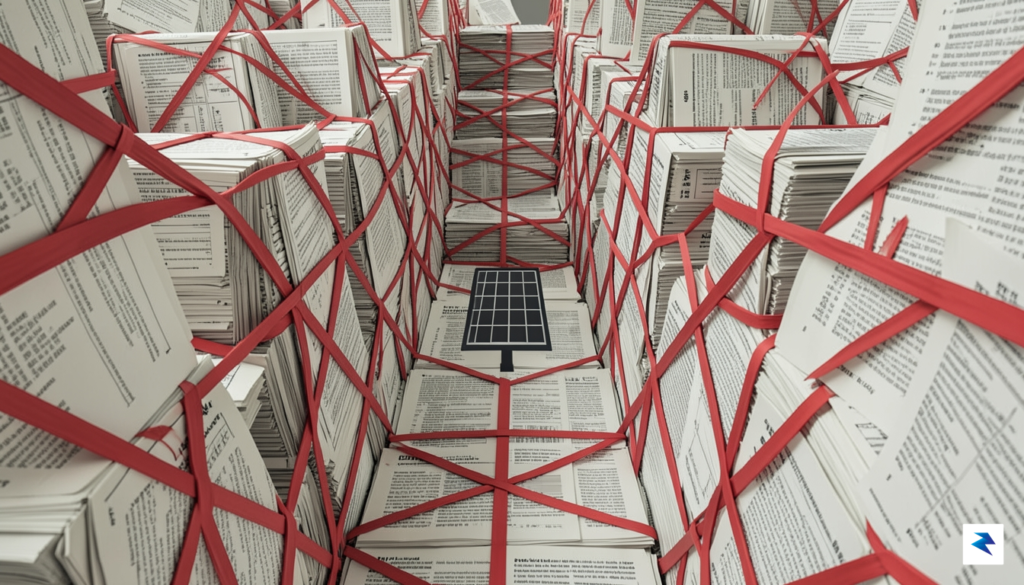
The current administration’s shift in regulatory oversight has transformed the landscape for large-scale energy development, turning what was once a streamlined path into a labyrinth of administrative friction. Central to this transition is the evolving application of the National Environmental Policy Act (NEPA), which serves as the primary gateway for major infrastructure projects. While environmental stewardship remains a critical pillar of governance, recent policy adjustments have effectively lengthened review cycles, forcing developers to navigate an increasingly complex gauntlet of filings, public comment periods, and cross-agency consultations. These procedural hurdles are not merely administrative paperwork; they represent fundamental shifts in how federal agencies weigh immediate economic and energy needs against long-term ecological assessments, often resulting in indefinite pauses for projects that were previously deemed viable.
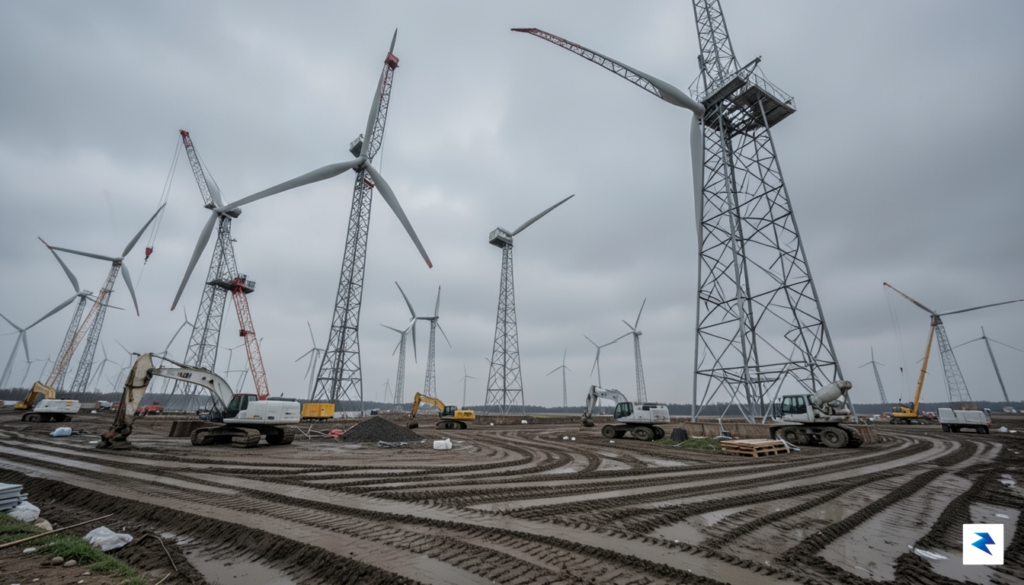
The manifestation of this “red tape” is perhaps most visible in the mounting uncertainty surrounding project timelines. When federal guidance on environmental mitigation becomes fluid or inconsistent, developers are left unable to secure the necessary financing or supply chain commitments required to break ground on a 92-gigawatt pipeline of new capacity. This uncertainty acts as a silent killer for renewable investment, as capital markets inherently favor predictability over the prospect of endless litigation or bureaucratic re-evaluation. Consequently, projects that are technically sound and economically necessary are being forced into a state of suspended animation, waiting for regulatory clarity that remains perpetually out of reach.
The true cost of regulatory stagnation is measured not just in delayed carbon reduction goals, but in the lost opportunity to modernize the grid and lower energy costs for millions of consumers.
Furthermore, the intersection of administrative oversight and local permitting has created a dual-layered bottleneck. By empowering agencies to conduct more granular, time-intensive reviews, the current policy framework has inadvertently encouraged a culture of risk aversion, where federal staff may hesitate to grant approvals for fear of future legal challenges. This systemic hesitation cascades down to the developer level, where the cost of capital accumulates daily during these prolonged waiting periods. Unless there is a concerted effort to harmonize federal review standards and prioritize the efficiency of the permitting process, the transition to a cleaner energy grid will continue to be obstructed by the very policies intended to govern its growth. Ultimately, the cumulative effect of these delays is a significant drag on the nation’s energy security, leaving nearly 100 gigawatts of potential power trapped in a cycle of administrative review.
Economic Implications: The $121 Billion Investment Risk

Beneath the complex debates surrounding permitting reform and grid connectivity lies a staggering financial reality: $121 billion in capital investment currently hangs in the balance. This figure represents more than just theoretical potential; it signifies massive injections of private equity, long-term commitments from institutional pension funds, and strategic capital expenditures from major energy corporations that are now effectively frozen. When regulatory red tape stalls these projects, the liquidity of these massive investments is paralyzed, forcing stakeholders to weigh the sunken costs of stalled development against the increasingly uncertain prospect of future returns. In an economic climate defined by stubborn inflation and high interest rates, the cost of waiting is punitive, as the debt service on these idle projects continues to accrue while the anticipated revenue streams remain indefinitely delayed.
For investors, the uncertainty introduced by shifting regulatory landscapes creates a “risk premium” that threatens to derail the broader transition toward modernized energy infrastructure. Private equity firms and infrastructure funds that have banked on the reliability of long-term power purchase agreements are now forced to re-evaluate their portfolios. If these projects cannot clear the bureaucratic hurdles within a reasonable timeframe, capital is likely to flee the sector in search of more stable regulatory environments, potentially triggering a ripple effect of divestment that could make future energy projects significantly more expensive to finance. This is not merely an issue of corporate profit margins; it is a fundamental challenge to the stability of the capital markets that underwrite the nation’s energy future.
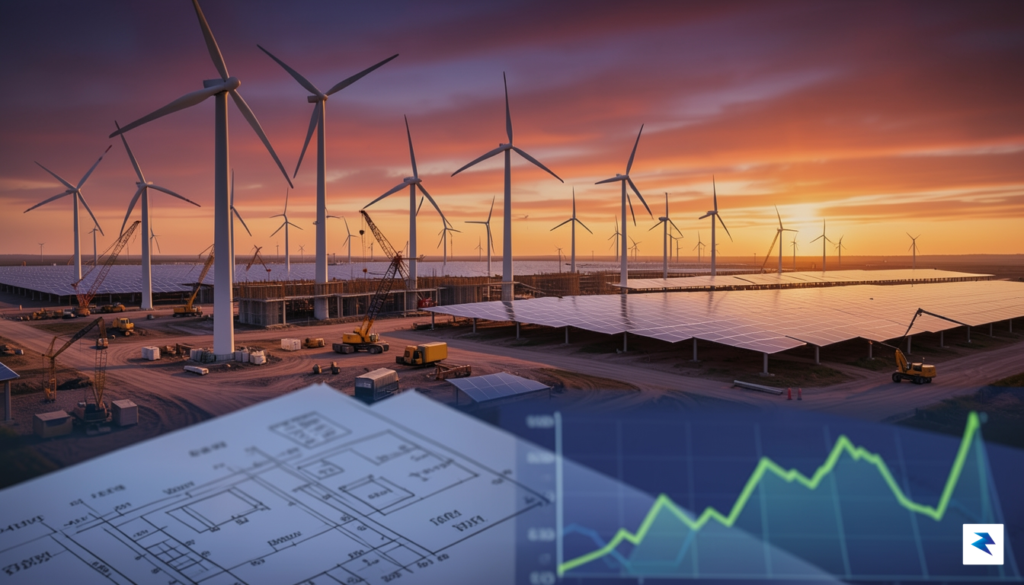
The economic fallout of this 92 GW bottleneck extends far beyond the boardroom, hitting rural communities particularly hard. These large-scale energy projects are frequently sited in rural areas, where they serve as critical engines for local job creation and tax base expansion. When construction is halted or indefinitely delayed by federal permitting gridlock, the promised “green-collar” jobs fail to materialize, and the expected tax windfalls that would otherwise support rural schools, road maintenance, and emergency services remain theoretical. The following consequences illustrate the depth of this local impact:
- Job Market Stagnation: Construction firms and local contractors lose out on thousands of high-wage, skilled labor positions, leading to decreased local spending power and economic fragility in regions that rely on industrial development.
- Erosion of Local Tax Bases: Municipalities that anticipated a significant boost in tax revenue find their budgets strained, as the property tax contributions from these energy assets remain stalled in the permitting phase.
- Investor Confidence Deficit: The inability to execute projects on a predictable timeline damages the reputation of specific regions, making them less attractive to future infrastructure investment and potentially stalling broader regional economic growth.
The true cost of regulatory paralysis is measured not just in gigawatts, but in the lost opportunity for long-term economic revitalization in the very communities that stand to benefit most from energy infrastructure investment.
Ultimately, the $121 billion risk is a cautionary tale regarding the friction between policy objectives and market execution. If the regulatory environment remains opaque or obstructive, the financial sector will inevitably price in that instability, leading to higher costs for consumers and a slower, less efficient transition to new electricity supply. Bridging the gap between the administration’s policy stance and the practical necessities of project deployment is now the most critical economic challenge facing the energy sector, as the current deadlock threatens to turn a promising era of investment into a costly period of stagnation.
Grid Stability and the Future of Energy Independence
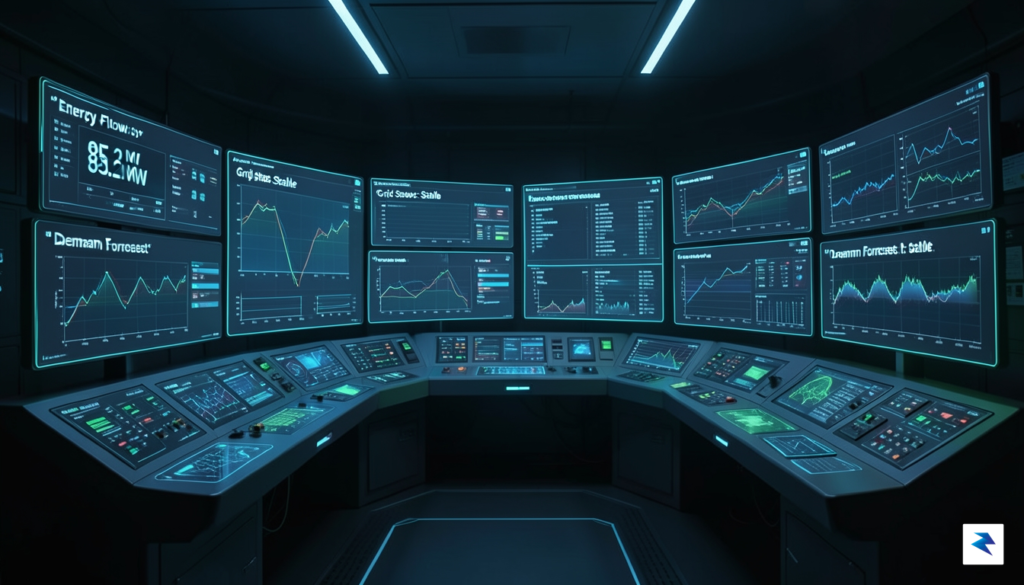
The debate over renewable energy often centers on the perceived volatility of wind and solar power, yet industry experts maintain that the true threat to grid reliability is not the integration of clean energy, but rather the stagnation of our power capacity. By threatening to stall 92 gigawatts of new generation, regulatory hurdles risk turning a diverse, robust power system into a brittle one. A modern grid requires a balanced portfolio; relying on legacy systems alone ignores the reality of peak demand cycles. Renewables, when paired with emerging storage technologies and smart-grid management, act as a vital buffer during high-stress periods, ensuring that the lights stay on when demand spikes rather than buckling under the pressure of an overtaxed, aging infrastructure.

Energy independence is frequently cited as a pillar of national security, yet true independence cannot be achieved by clinging exclusively to traditional, centralized generation methods. True resilience is found in decentralization and diversity. When we integrate 92 gigawatts of domestic wind and solar capacity, we effectively insulate the American economy from the volatile global fuel markets that often dictate energy prices. By fostering a domestic energy landscape that utilizes local resources, the nation reduces its vulnerability to geopolitical shifts and supply chain disruptions. Blocking these projects essentially forces the grid to remain tethered to the same aging infrastructure that has already proven insufficient to handle the demands of a 21st-century economy.
Diversification is the most effective hedge against system-wide failure; a grid that relies on a single source of power is inherently more fragile than one that draws from a multifaceted ecosystem of generation.
Furthermore, the physical state of our current electrical grid is a ticking clock. Much of the infrastructure responsible for distributing electricity was designed for a different era, and it is struggling to keep pace with the electrification of transportation and heating. Integrating new, clean capacity is not merely an environmental goal; it is a strategic necessity for grid modernization. Each of the 92 gigawatts currently held in regulatory limbo represents an opportunity to replace outdated, inefficient, and increasingly unreliable plants with agile, modern assets. If these projects remain stalled, we face the prospect of a grid that is not only less sustainable but fundamentally less capable of handling the unexpected stressors of extreme weather and rising demand. Ensuring our future-readiness requires a regulatory environment that prioritizes the rapid deployment of new capacity to keep pace with the evolving needs of the American public.
Navigating the Regulatory Maze: What Developers and Investors Need to Know

For project developers and capital allocators currently staring down the barrel of a 92-gigawatt backlog, the traditional playbook for energy infrastructure is no longer sufficient. When the regulatory environment shifts from a predictable administrative process to a volatile political landscape, the primary strategy must pivot toward aggressive risk mitigation and portfolio diversification. Industry leaders are increasingly opting for “shovel-ready” projects that have already cleared major environmental hurdles, even if they command a premium price tag, to avoid the indefinite limbo of federal permitting delays. By prioritizing projects with local support and minimal interstate transmission requirements, developers can circumvent some of the most cumbersome federal bottlenecks that currently plague large-scale renewable integration.
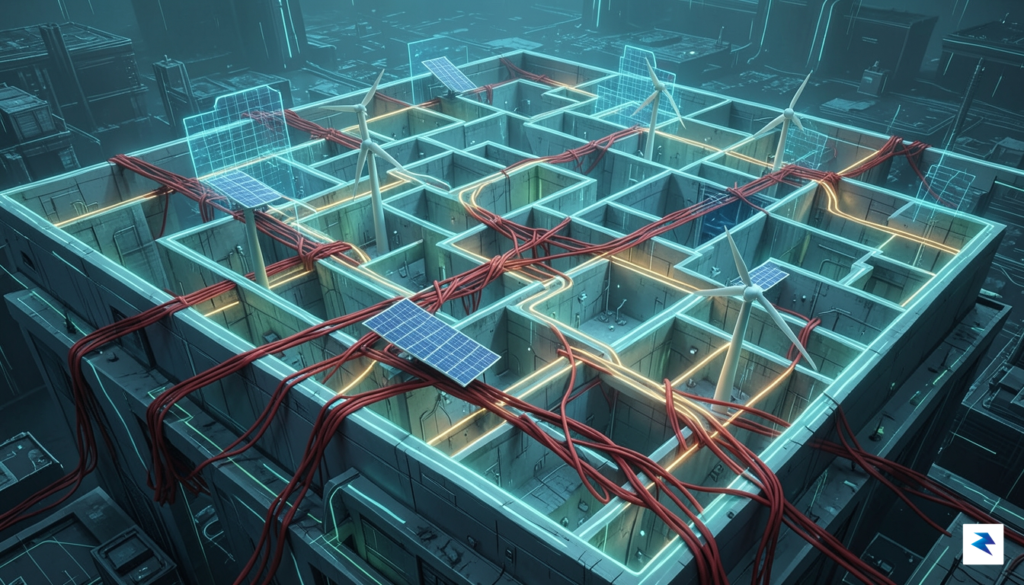
Beyond internal project management, the role of lobbying and strategic legal engagement has become a cornerstone of survival. Industry trade groups are no longer merely advocating for broad policy goals; they are actively funding legal challenges against arbitrary administrative pauses that lack scientific or economic justification. Investors are advised to scrutinize the legal standing of their prospective projects, ensuring that contracts include robust force majeure clauses and protections against extended regulatory “stalling” tactics. This legal-first approach is essential because, in the current climate, the difference between a profitable asset and a stranded investment often comes down to the strength of the underlying regulatory documentation and the ability to hold federal agencies accountable for mandated timelines.
Anticipating Policy Volatility and the Bipartisan Path Forward
Despite the current headwinds, the long-term outlook for the energy transition remains anchored in the stubborn reality of market demand and bipartisan infrastructure necessity. While political rhetoric may fluctuate, the fundamental need to modernize an aging electrical grid is a shared objective across most states, regardless of their political leanings. Strategic stakeholders are watching for signs of bipartisan reform in the permitting space, as both sides of the aisle increasingly recognize that a stalled energy sector threatens domestic manufacturing and national security. Future legislative efforts are likely to focus on streamlining categorical exclusions for renewable projects, potentially decoupling them from the most restrictive environmental reviews that were originally designed for fossil fuel-based infrastructure.
The transition to clean energy is no longer a matter of ‘if’ but a matter of ‘how fast.’ While short-term regulatory friction can create significant capital inefficiency, the underlying economic drivers—falling technology costs and overwhelming consumer demand—make the full deployment of these 92 gigawatts inevitable in the long run.
Ultimately, navigating this maze requires a disciplined, long-horizon perspective that views current political volatility as a temporary obstruction rather than a structural failure of the energy market. By building robust legal defenses, diversifying project locations to hedge against regional policy shifts, and maintaining a focus on the undeniable economic benefits of electrification, investors can survive this period of stagnation. The transition is not a straight line, but for those who possess the patience and the foresight to outlast the current bottleneck, the eventual modernization of the grid represents one of the most significant investment opportunities of the century.