Is Your AI Chatbot Selling Your Health Data? New Legislation Aims to Stop It
The Growing Threat to Personal Health Privacy Every time you type a symptom into a search engine, consult an AI-powered wellness chatbot, or…
The rapid ascent of generative artificial intelligence has fundamentally altered the creative landscape, transforming how music is composed, produced, and distributed. While these tools offer unprecedented possibilities for experimentation, they have simultaneously birthed a complex crisis regarding intellectual property, artist likeness, and the definition of creative labor. As AI-generated tracks—many of which sound uncannily like established stars—flood streaming platforms, the industry has reached a critical juncture where the line between technological evolution and digital plagiarism has become increasingly blurred. This environment has forced stakeholders to grapple with a pressing question: How do we preserve the sanctity of human artistry in an era where algorithms can mimic it with startling precision?
In response to this growing instability, TIDAL has emerged as a vanguard for artist protection by implementing rigorous new policies designed to curb the monetization of AI-generated content. Rather than shying away from the controversy, the platform has taken a firm, proactive stance to ensure that its ecosystem remains a space for authentic human expression. By explicitly targeting content that utilizes AI to impersonate the voices or styles of real-world artists, TIDAL is effectively creating a barrier against the “deepfake” music trend that has plagued other services. This move is not merely a technical update to their terms of service; it is a profound declaration that the platform prioritizes the rights and royalties of human creators over the convenience of algorithmically generated filler.
The core of TIDAL’s policy shift lies in the distinction between creative tool-assisted composition and deceptive mimicry. By cutting off monetization for AI-generated impersonations, the platform protects the intellectual property of artists while fostering a sustainable economy for legitimate musical talent.
It is important to understand the nuance within this policy, as TIDAL is not necessarily banning all forms of AI-assisted production, but is instead drawing a hard line against identity theft. The platform’s crackdown focuses on the unauthorized use of an artist’s signature vocal timber or recognizable stylistic traits that serve to mislead listeners or dilute the value of the original artist’s work. This targeted approach allows for a healthy middle ground where producers can still leverage AI for background elements or sound design, while simultaneously safeguarding the unique, irreplaceable identity of the human performer. By setting these boundaries, TIDAL is signaling a major shift in the streaming industry, effectively challenging its competitors to adopt higher standards of accountability and ethical oversight in the age of generative media.

TIDAL’s aggressive stance against AI-generated music centers on a dual-layered enforcement strategy designed to preserve the integrity of their catalog. At the core of this initiative is a sophisticated suite of automated detection tools that continuously monitor incoming uploads for synthetic patterns indicative of voice cloning and algorithmic mimicry. By leveraging advanced acoustic fingerprinting and machine learning models, the platform can now isolate tracks that attempt to pass off AI-synthesized vocals as the work of human artists. Once the system flags a track as an unauthorized impersonation, the policy mandates an immediate cessation of monetization, effectively severing the revenue stream for bad actors who seek to exploit the reputation and likeness of established performers.

The financial ramifications for distributors and labels are equally rigorous. Under these new guidelines, TIDAL reserves the right to withhold royalties generated by flagged content, ensuring that those who profit from deceptive practices are held accountable. This fiscal penalty serves as a deterrent, signaling that the platform is prioritizing the protection of its creator ecosystem over the rapid accumulation of AI-generated volume. Furthermore, the removal process is often swift; once a track is identified as a violation of their updated terms, it is purged from the platform to prevent further unauthorized consumption and exposure.
“By stripping the financial incentive from AI-generated impersonations, TIDAL is fundamentally shifting the economic landscape for synthetic content, placing the value of human artistry back at the center of the streaming experience.”
Despite the precision of these automated systems, the platform acknowledges the inherent risk of false positives. To mitigate this, TIDAL has established an appeals process that allows independent artists and producers to challenge the removal of their content. If a creator believes their track was flagged in error—perhaps due to a unique vocal style or the use of legitimate, non-impersonating synthesis tools—they can submit documentation to prove the authenticity of their work. This mechanism is critical, as it balances the need for strict quality control with the necessity of supporting legitimate artistic innovation.
Ultimately, this policy forces a long-overdue legal and ethical conversation regarding the definition of ‘likeness’ in the digital age. As AI models become increasingly proficient at mimicking human cadence, timbre, and emotional nuance, the boundary between homage and identity theft continues to blur. TIDAL’s policy acts as a proactive measure, asserting that a human artist’s name and voice are proprietary assets that deserve legal protection, regardless of the technological sophistication used to replicate them. By enforcing these boundaries, the platform is setting a precedent that others in the streaming industry will likely feel pressured to follow, effectively redefining the standards for digital music rights.

For the professional music community, the rise of generative AI has felt less like a technological evolution and more like an existential threat to the sanctity of their craft. When algorithms can synthesize a singer’s unique vocal timbre or mimic the intricate stylistic nuances of a songwriter, the economic impact is immediate and devastating. Working musicians, who rely on their distinct artistic identity to cut through the noise of a saturated streaming landscape, have long feared that their professional brand would be diluted by a flood of low-effort, AI-generated counterfeits. By proactively cracking down on this content, TIDAL is not merely enforcing a policy; they are creating a necessary sanctuary for human-led creativity, effectively prioritizing the livelihood of the artist over the convenience of algorithmically generated filler.
Beyond the obvious economic concerns, there is a profound psychological toll associated with having one’s life work reduced to a set of data points for machine training. An artist’s style is the cumulative result of years of practice, emotional vulnerability, and lived experience; to see that essence automated by software feels like a profound violation of creative integrity. When platforms allow these deepfakes to thrive, they inadvertently signal that the human element of music is replaceable. TIDAL’s stance serves as a critical validation of the artist’s right to their own voice, offering a moral victory to those who have spent their careers refining a signature sound that cannot—and should not—be replicated by a server farm.
“The integrity of a musician’s brand is their most valuable asset in the digital age. By blocking AI-generated tracks from monetization, TIDAL is reinforcing the principle that artistry requires human intent, not just technical output.”
This initiative has received widespread support from major labels and independent artist unions alike, reflecting a rare moment of consensus in an industry often fractured by competing interests. Organizations representing songwriters and performers have long advocated for stricter guardrails, arguing that the unchecked proliferation of AI content erodes the value of human intellectual property. By aligning with these advocacy groups, TIDAL is helping to establish a new industry standard where brand ownership and creative authenticity are protected by default. This shift is essential in an era where streaming platforms are often criticized for prioritizing volume over quality; by curating a space that favors the human touch, the platform is investing in the long-term sustainability of the entire music ecosystem.

Ultimately, this policy shift represents a significant milestone in the ongoing struggle to protect creative labor. As AI continues to become more sophisticated, the distinction between genuine artistry and synthetic imitation will only become more blurred. By drawing a firm line in the sand, TIDAL is ensuring that the streaming experience remains a space where listeners can connect with the raw, unfiltered emotions of a human performer. This move empowers artists to continue innovating without the looming fear that their next hit record will be overshadowed by a soulless, algorithmically generated imitation, thereby safeguarding the future of the creative industry for generations to come.

Implementing a robust policy against machine-generated content is far easier to announce than it is to enforce. The sheer volume of music uploaded to streaming services every single day creates a digital haystack of monumental proportions, making the identification of artificial tracks a Herculean task. As generative models become increasingly sophisticated, they are capable of mimicking the nuances of human performance—such as subtle timing variations, breath control, and emotional dynamics—that once served as the gold standard for identifying human artistry. Consequently, streaming platforms are finding themselves in a high-stakes arms race, pouring significant capital into detection algorithms that must evolve almost daily to keep pace with the rapid advancements in synthetic audio production.
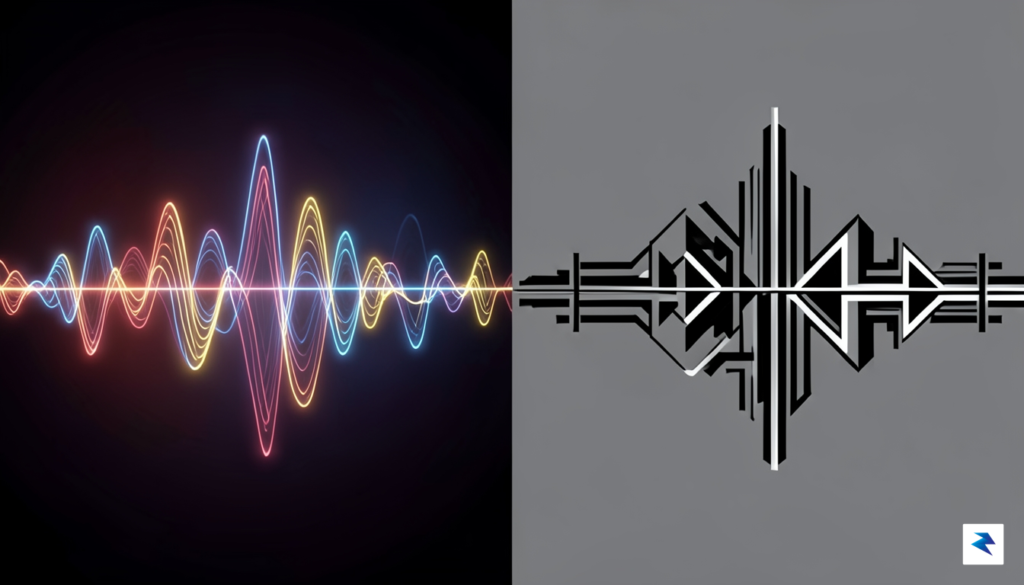
One of the primary hurdles lies in the nature of “hybrid” music, where artists use AI tools as mere assistants rather than primary creators. Distinguishing between a producer who uses artificial intelligence to refine a human-recorded vocal track and a system that generates a voice from scratch requires a level of forensic analysis that current software is only beginning to master. Furthermore, many modern AI models are trained on massive datasets that include copyrighted human performances, effectively “learning” to replicate the unique fingerprints of renowned artists. When detection software looks for deviations or mathematical patterns characteristic of AI, it often risks flagging legitimate, human-made experimental music, leading to the potential for false positives that could unfairly penalize authentic creators.
The challenge is not just in detecting the presence of AI, but in determining the degree of human intent behind every note.
Current detection tools predominantly rely on pattern recognition, scanning for repetitive artifacts or unnatural pitch corrections that are common in early-generation AI audio. However, as developers refine these models, they are successfully minimizing the “uncanny valley” of sound, producing audio that is nearly indistinguishable from high-fidelity human recordings. This technological progression forces platforms to look beyond the audio file itself, perhaps requiring metadata verification or watermarking technologies that have yet to see universal adoption across the music industry. Without a standardized, industry-wide protocol for identifying synthetic content, platforms are essentially playing a game of whack-a-mole, constantly updating their defensive measures only to have them bypassed by the next iteration of generative audio software.

TIDAL’s recent, decisive stance against AI-generated music that infringes on artist rights or mimics their style for monetization marks a pivotal moment in the digital music landscape. By drawing a clear line in the sand, the high-fidelity streaming service isn’t merely adjusting its internal policies; it is effectively issuing a challenge to the entire industry. This bold move places immense pressure on behemoths like Spotify, Apple Music, and YouTube to re-evaluate their own frameworks, compelling the sector to collectively confront the complex ethical, legal, and financial quagmires presented by generative artificial intelligence. The precedent set by TIDAL could very well dictate the terms of engagement for AI music across all platforms, shaping how artists are protected and how revenue is distributed in an increasingly automated creative world.
Currently, the approaches to AI-generated content vary significantly across major platforms, with none yet matching TIDAL’s explicit focus on monetization and artist impersonation. Spotify, for instance, has primarily focused on combating “artificial streaming” and deepfake audio that could mislead or misrepresent artists, leading to removals of AI-generated tracks for bot-driven streams rather than the content’s AI origin itself. Similarly, Apple Music’s guidelines lean towards maintaining authenticity and preventing fraudulent activity, without a specific, public-facing policy detailing how AI-generated musical compositions are handled. YouTube has arguably come closest to a disclosure standard, requiring creators to label certain types of synthetic or altered media, particularly those that are realistic or use a person’s voice, but a comprehensive framework for AI-generated music specifically, and its monetization, is still evolving. TIDAL’s direct targeting of AI impersonation and its monetization aspect is thus a significant escalation that demands a more unified industry response.
This fragmented landscape, however, makes the eventual adoption of a universal standard for AI disclosure increasingly likely, if not inevitable. As TIDAL carves out its position, the lack of consistency across

TIDAL’s recent decision to curb the monetization of AI-generated impersonations marks a pivotal shift in how streaming platforms are approaching the digital frontier. By effectively stripping away the financial incentive for flooding the ecosystem with deepfake vocal tracks and synthesized mimics, the platform is drawing a clear line between technological innovation and intellectual property theft. This policy is not intended to stifle the creative potential of machine learning; rather, it serves as a necessary guardrail to protect the livelihood of human musicians. As the industry matures, it is becoming increasingly clear that the future of music distribution relies on a human-centric model where authenticity acts as the ultimate currency.
The long-term outlook for the relationship between AI and professional music suggests a transition from a chaotic “wild west” toward a structured, ethical partnership. AI holds immense promise as a powerful tool for sound engineering, mastering, and even creative assistance, allowing artists to bypass tedious technical hurdles and focus on pure composition. When used responsibly, software can act as an extension of the artist’s intent rather than a replacement for their soul. For instance, AI-driven tools that assist in cleaning up audio or generating unique atmospheric textures can enhance a record without infringing upon the persona or rights of another performer. The industry must champion these supportive roles, ensuring that technology remains a servant to the creative vision rather than a shortcut to exploitation.
Ultimately, the enduring value of music lies in the human experience—the lived trauma, the fleeting joy, and the specific perspective that only a person can articulate. While an algorithm can replicate the cadence of a voice or the structure of a melody, it cannot replicate the intention or the emotional resonance that turns a song into a cultural touchstone. As we navigate this transition, platforms, labels, and creators must converge on a standard that prioritizes consent and attribution. By fostering an environment where human artistry is protected, we ensure that the next era of music remains vibrant, meaningful, and deeply connected to the people who create it.
The integration of AI into music should be viewed as an evolution of the artist’s toolkit, not an abandonment of the artist’s voice. True innovation will always require the heartbeat of human experience to give it lasting significance.
Moving forward, the industry’s success will be measured by its ability to integrate these powerful new technologies without sacrificing the integrity of the creative process. If we continue to favor transparency and ethical implementation, the marriage of AI and music could lead to an unprecedented golden age of production. However, this relies on a commitment to valuing the human creator above all else, ensuring that the digital tools we build serve to amplify our collective humanity rather than diminish it.
You must be logged in to post a comment.