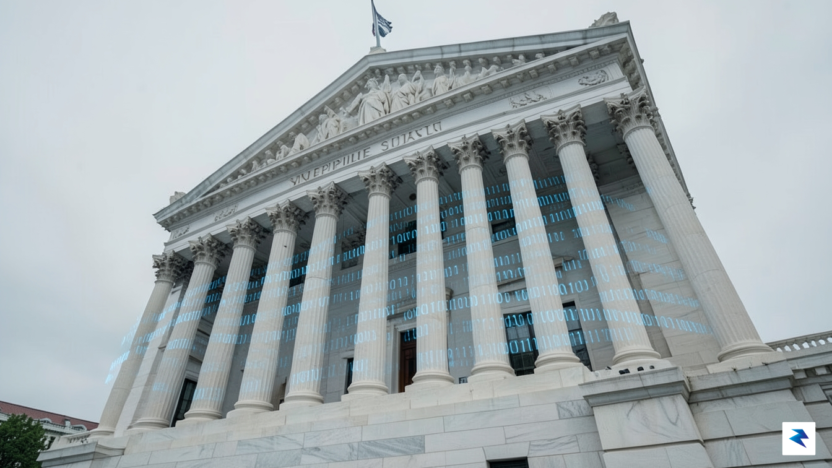
Understanding the Geofence Warrant Ruling

To understand the gravity of this recent judicial development, one must first grasp the mechanics of what has become known as a “geofence warrant,” or a reverse location search. Unlike traditional warrants that target a specific suspect based on established probable cause, a geofence warrant operates in reverse: law enforcement asks tech companies to provide a list of every mobile device that entered a specific geographic area during a designated timeframe. This digital dragnet effectively turns the ubiquitous tracking capabilities of modern smartphones into a tool for mass surveillance, casting a wide net that captures the movements of innocent bystanders, commuters, and residents who happen to be in the wrong place at the wrong time.
The Supreme Court’s landmark ruling serves as a powerful corrective to this practice, firmly establishing that individual privacy rights in the digital age cannot be sidelined by the mere convenience of bulk data collection. By curbing the unchecked use of these reverse location searches, the Court has signaled that the Fourth Amendment’s protection against unreasonable searches remains robust, even when the “search” occurs within the vast, invisible cloud of location history data. The decision emphasizes that the government’s interest in solving crimes does not grant it an open-ended license to monitor the movements of the general public without meeting the high constitutional threshold of individualized suspicion.

Consequently, this ruling mandates a fundamental shift in how law enforcement agencies approach digital evidence gathering. Moving forward, the era of “sweeping” data requests—where authorities could demand vast datasets from service providers with minimal oversight—is effectively drawing to a close. Instead, the Court has reinforced the necessity of targeted judicial oversight, requiring that warrants be narrowly tailored to specific individuals rather than broad, indiscriminate geographical zones. This move ensures that the judiciary acts as a meaningful gatekeeper, preventing the normalization of surveillance practices that would otherwise erode the expectation of anonymity in public spaces.
The Supreme Court’s decision represents a critical victory for digital civil liberties, affirming that the Constitution’s protections against unreasonable searches are not diminished simply because our lives are increasingly tracked by the devices in our pockets.
Ultimately, legal experts view this moment as a pivotal turning point for digital privacy in the United States. By codifying these restrictions, the Supreme Court has provided a necessary framework to balance the needs of modern law enforcement with the fundamental right to move through the world without being treated as a permanent digital suspect. This ruling not only protects current users of mobile technology but also sets a vital precedent for future technological advancements, ensuring that the legal system evolves to protect personal liberty as aggressively as the surveillance industry evolves to infringe upon it.
How Geofence Warrants Impact Digital Privacy
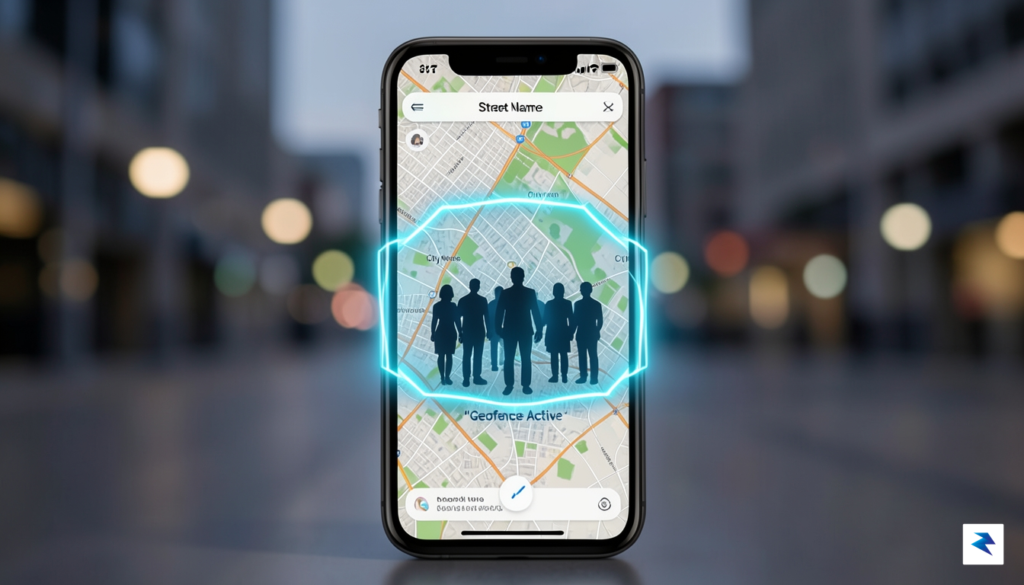
At the heart of the geofence warrant controversy lies the technical reality of how modern mobile devices track our movements. Tech giants maintain massive repositories of historical location data, such as Google’s “Sensorvault,” which logs the precise GPS coordinates, Wi-Fi connections, and Bluetooth signals of hundreds of millions of users. When law enforcement agencies issued a geofence warrant, they essentially cast a digital dragnet over a specific geographic area during a designated time window. Instead of targeting a specific suspect based on probable cause, investigators asked tech companies to search their databases and identify every single device that appeared within that virtual perimeter. This reverse-search process transformed private location history into a tool for mass surveillance, effectively turning the passive act of carrying a smartphone into an involuntary registration for police scrutiny.

The most alarming aspect of this practice was the inevitable “innocent bystander” problem. Because these warrants were not based on individualized suspicion, they routinely swept up the data of thousands of people who had absolutely no connection to a crime. Consider a person attending a protest, visiting a nearby medical clinic, or simply living in an apartment building within the designated zone; all of these individuals suddenly found their movements scrutinized by law enforcement. This indiscriminate collection of data forced tech companies to surrender the private lives of innocent citizens to the state, creating a chilling effect where the mere presence of a device could place someone under a cloud of suspicion. By design, these warrants shifted the burden of proof, forcing individuals to effectively prove their innocence after their movements were already flagged in a police database.
The core of the issue was not just the collection of data, but the erosion of the expectation of privacy in our physical movements, as these warrants treated the entire population within a geographic area as potential subjects of a criminal investigation.
Beyond the technical mechanics, the psychological impact of constant digital surveillance cannot be overstated. When citizens know that their every move is being recorded and that this record can be retroactively searched by authorities without a specific link to criminal activity, the natural result is self-censorship and a decline in public expression. This form of “panoptic” surveillance fundamentally alters the relationship between the individual and the state, eroding the feeling of anonymity that once defined life in a free society. By limiting these warrants, the Supreme Court has acknowledged that our digital footprints are not merely metadata to be harvested; they are deeply intimate reflections of our lives that deserve the full protection of the Constitution, regardless of the convenience they might offer to modern police work.
The Constitutional Conflict: Fourth Amendment vs. Digital Surveillance
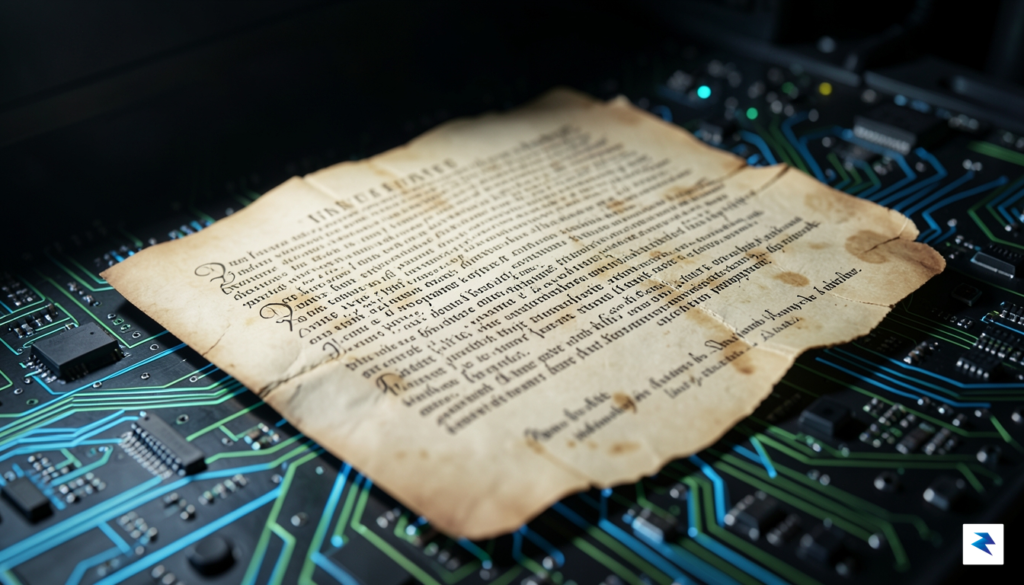
At the center of this legal milestone lies the foundational tension between the Fourth Amendment’s guarantee against unreasonable searches and the pervasive nature of modern digital tracking. Historically, the Fourth Amendment was interpreted through the lens of physical intrusion—police entering a home or seizing personal property. However, the rise of “geofence” warrants has forced the judicial system to confront a new reality where an individual’s location history is stored in the cloud, effectively turning every smartphone into a potential tracking device. The core legal debate hinges on the reasonable expectation of privacy standard, a principle that has struggled to keep pace as tech giants amass vast databases of movement data that essentially chronicle an individual’s life, associations, and personal habits.
The conflict pits the investigative necessity of law enforcement against the fundamental right of citizens to move freely without being subject to constant, warrantless surveillance. Law enforcement agencies have long argued that geofence warrants—which allow them to identify every device within a specific geographic area at a specific time—are essential tools for solving crimes in an era where suspects rarely leave physical footprints. Conversely, privacy advocates contend that this “reverse search” technique functions as a digital dragnet, capturing the private data of thousands of innocent people who happen to be in the wrong place at the wrong time. This creates a scenario where the mere act of walking through a park or visiting a clinic could subject an unsuspecting person to a police investigation, fundamentally altering the relationship between the government and the governed.
The Supreme Court’s decision acknowledges that digital data is not merely information, but an extension of the individual’s private life that demands higher levels of constitutional protection than traditional physical evidence.

Reconciling analog-era constitutional law with digital-era surveillance required the Court to fundamentally reframe how we define a “search.” By moving away from a strict focus on property rights and toward a focus on the sensitivity of the data itself, the Court has signaled that the Fourth Amendment is not a static relic, but a living safeguard. This decision clarifies that the government cannot bypass the probable cause requirement simply because the information is held by a third-party service provider. By imposing stricter limits on these warrants, the justices have effectively ruled that the convenience of digital evidence gathering does not supersede the constitutional mandate to protect citizens from indiscriminate monitoring. This shift ensures that as our digital footprints grow, our right to privacy—and the legal mechanisms meant to defend it—must evolve with the same sophistication as the technology tracking us.
What This Means for Law Enforcement and Tech Companies

The Supreme Court’s decision to curtail the use of geofence warrants marks a seismic shift in the digital investigative landscape, effectively ending an era where law enforcement could cast wide, location-based digital nets over unsuspecting populations. For police departments, this ruling necessitates a pivot back to more traditional, evidence-based investigative techniques that rely on individualized suspicion rather than bulk data collection. Investigators can no longer treat the digital movements of thousands of innocent citizens as a starting point for a criminal inquiry; instead, they must now demonstrate a specific, probable cause tied to a particular suspect before requesting sensitive location data. This return to foundational constitutional principles is likely to increase the workload for detectives, as they will need to cultivate informants, review surveillance footage, or follow physical evidence trails to establish the necessary threshold for legal data requests.
Simultaneously, technology companies find themselves navigating a new, more rigorous compliance environment. For years, major tech platforms were caught in a tug-of-war between government mandates and user trust, often struggling to reconcile vague, sweeping subpoenas with their own stated privacy policies. Now, these corporations are empowered—and arguably obligated—to push back against overly broad warrants that fail to meet the high bar set by the Court. We can expect to see a surge in legal challenges from big tech firms, which will likely adopt more robust internal vetting processes to ensure that any data handed over to authorities is strictly limited in scope and duration. This change shifts the burden of proof, requiring companies to act as a crucial buffer between the state’s digital surveillance apparatus and the individual’s right to keep their whereabouts private.

Beyond immediate operational changes, this ruling sets the stage for a prolonged era of litigation regarding the definition of “reasonable expectation of privacy” in the age of persistent tracking. While the current decision provides a significant victory for civil liberties, the nuance of how “geofence” is defined will undoubtedly be tested in lower courts as law enforcement attempts to develop new workarounds. We should anticipate future legal battles over whether other forms of metadata, such as search history or app-specific behavior patterns, deserve similar protections. As the legal community dissects the implications of this ruling, it becomes clear that the dialogue between innovation and constitutional rights is far from over. This decision serves as a critical precedent, signaling to both the public and the state that the digital realm is not an exempt zone from the Fourth Amendment’s protections against unreasonable searches.
The core of this ruling is the recognition that our digital footprints are not merely metadata to be harvested at will, but deeply intimate reflections of our personal lives that require robust judicial oversight.
A Roadmap for Future Digital Privacy Protections

While the recent Supreme Court decision represents a monumental shift in how law enforcement accesses our digital trails, it is vital to recognize that this ruling functions more as a guardrail than a complete prohibition. The court has effectively raised the bar for what constitutes a reasonable search, yet it does not eliminate the ability of authorities to conduct digital surveillance entirely. Because this ruling focuses on the specific mechanics of geofence warrants, it leaves open various other avenues for data acquisition, such as voluntary disclosure by tech companies or the purchase of location information from third-party data brokers. Consequently, this victory should be viewed as a foundational step toward broader reform rather than the final chapter in the fight for digital autonomy.
To truly secure our personal data in an era of ubiquitous tracking, the United States must move beyond piecemeal judicial interventions and toward comprehensive federal privacy legislation. Currently, the legal landscape is a patchwork of state-level regulations that leave citizens in different jurisdictions with varying levels of protection. A unified federal standard would establish clear, enforceable rules regarding how corporations collect, store, and sell granular location data. By mandating transparency and imposing strict limits on the commercialization of our movements, lawmakers could address the root cause of the surveillance problem: the massive, unregulated ecosystem of data mining that makes geofence warrants possible in the first place.

Taking Charge of Your Digital Footprint
Until robust legislative protections are fully realized, individuals must take proactive steps to minimize their exposure and reclaim control over their location history. Digital surveillance often relies on the “default” settings of the devices we carry every day, which are frequently configured to maximize data harvesting for advertising purposes. By taking manual control of these settings, you can significantly shrink the digital breadcrumb trail that law enforcement or malicious actors might otherwise exploit. Consider the following actionable strategies to enhance your personal security:
- Audit your location permissions: Go through your smartphone’s system settings and revoke location access for any application that does not strictly require it to function. Opt for “While Using the App” rather than “Always Allow.”
- Disable location history: Major service providers often maintain a centralized log of everywhere you go. Deactivate these features in your account settings to prevent the long-term archival of your movements.
- Limit personalized advertising: Many devices allow you to reset your advertising ID or opt out of interest-based tracking, which helps decouple your physical location from your online behavioral profile.
- Use privacy-focused alternatives: Whenever possible, utilize browsers, search engines, and mapping tools that prioritize data minimization and do not store or sell your geographic history.
The ultimate goal of privacy advocacy is to ensure that the convenience of modern technology does not come at the cost of our fundamental right to move through the world anonymously.
Ultimately, while the Supreme Court has provided a significant victory, the responsibility of maintaining privacy remains a shared endeavor between the courts, Congress, and the end-user. As technology continues to evolve, the definition of a “reasonable expectation of privacy” will be tested time and again. By staying informed, advocating for stronger national data standards, and practicing rigorous digital hygiene, we can build a future where our movements remain our own, protected from both corporate overreach and warrantless government intrusion.