
Why European Crypto Firms Are Migrating to Dubai Amidst MiCA Uncertainty
The Shifting Landscape of Global Crypto Regulation The global digital asset ecosystem is currently navigating a period of unprecedented…


In the rapidly evolving landscape of digital regulation, the drive to protect intellectual property has shifted toward aggressive, automated enforcement. While the European Union’s Copyright Directive and the Digital Services Act (DSA) were designed to modernize the internet, they have inadvertently birthed a significant technical and civil liberties challenge known as “overblocking.” At its core, overblocking occurs when automated filtering systems—deployed by platforms to preemptively identify and remove copyrighted material—erroneously flag and suppress legitimate content. Because these algorithms are designed to prioritize the prevention of infringement above all else, they frequently fail to distinguish between illicit piracy and content protected by exceptions such as parody, criticism, commentary, or news reporting.

The reliance on these algorithmic gatekeepers is not merely a technical inconvenience; it represents a profound shift in how information flows across European digital spaces. When a system is programmed to “err on the side of caution,” the burden of proof effectively flips. Instead of rightsholders proving that a piece of content is infringing, individual creators and publishers are forced to navigate complex, often opaque appeal processes to restore their legitimate work. This creates a “chilling effect” where users self-censor, fearing that their creative output will be silenced by a machine that lacks the nuance to understand the context of human expression. As a result, the vitality of the public sphere is diminished, with significant amounts of educational and cultural discourse disappearing behind a veil of automated censorship.
The systemic failure to distinguish between infringement and fair use undermines the fundamental rights of European citizens to access information and participate in the digital economy.
For European internet service providers (ISPs) and hosting platforms, this situation is becoming unsustainable. ISPs find themselves caught in a regulatory vice: they are pressured by rightsholders to implement increasingly invasive monitoring tools, yet they are also held responsible for the collateral damage these tools inflict on their users. The lack of transparency in how these filters operate makes it nearly impossible for providers to offer meaningful recourse to those who have been unfairly silenced. Consequently, ISPs are now pushing back, arguing that if they are to be forced into the role of copyright police, the rightsholders demanding these stringent measures must also be held accountable for the errors and economic losses caused by their automated systems. This demand for accountability highlights a critical tension: the need to protect creative rights must not come at the expense of the open, expressive, and accessible internet that European law claims to defend.

For European Internet Service Providers, the current regulatory landscape has transformed them from neutral conduits of information into the de facto frontline of copyright enforcement. This shift places ISPs in an incredibly precarious position: they are legally required to process an overwhelming volume of takedown requests, yet they lack the resources—and the legal expertise—to definitively adjudicate the validity of every claim. When a rightsholder submits a request, the ISP is often forced to choose between the high cost of potential litigation for failing to act or the reputational damage and legal fallout of suppressing legitimate, non-infringing content. This “shoot first, ask questions later” environment creates an atmosphere of fear, where the safest path for an ISP is to comply with every demand, regardless of how questionable the underlying claim may be.
The technical challenge of managing this deluge of requests is immense, often relying on automated filtering systems that are notoriously prone to errors. These algorithms, designed to flag potential copyright infringements, frequently struggle to distinguish between illegal pirated material and content protected by fair use, parody, or transformative intent. When these automated systems mistakenly trigger a block, the resulting “collateral damage” is significant, effectively silencing voices and removing lawful information from the public sphere. ISPs argue that because they are merely the infrastructure providers, they should not be held responsible for the inaccuracies inherent in the automated tools they are forced to deploy at the behest of aggressive rightsholders.
The core of the ISP argument is that accountability must follow the power to initiate action; if a rightsholder has the power to demand a block, they must also bear the legal and financial responsibility for the consequences when that block is proven to be erroneous.
To address this imbalance, industry advocates are increasingly calling for a framework that shifts the burden of liability away from the service provider and toward the entity issuing the claim. Under the current system, the risk of overblocking is essentially offloaded onto the ISP, while the rightsholder faces little to no penalty for submitting unfounded or malicious takedown notices. By introducing mechanisms that hold rightsholders accountable for damages caused by their erroneous requests, ISPs hope to incentivize greater care and accuracy in the enforcement process. Such a shift would not only protect the integrity of the open internet but would also ensure that the costs of copyright enforcement are borne by those who stand to gain the most from it, rather than by the intermediaries tasked with keeping the digital world connected.

The contemporary digital landscape is increasingly governed by a “shoot first, ask questions later” approach to copyright enforcement. Automated filtering systems, often deployed by major platforms under pressure from rightsholders, operate with a speed and scale that far outpaces human oversight. While these algorithms are ostensibly designed to protect intellectual property, they frequently function as blunt instruments, lacking the nuance required to distinguish between blatant piracy and legitimate creative expression. Because these systems are programmed to prioritize the avoidance of liability for platforms, they are inherently biased toward over-enforcement, effectively turning the internet into a space where content is guilty until proven innocent.
One of the most profound failures of these automated systems lies in their inability to comprehend the legal doctrine of fair use. Copyright law is not a binary set of rules; it relies heavily on contextual analysis, such as whether a work is transformative, educational, or satirical. Algorithms, however, operate on pattern matching rather than legal interpretation. They can identify a snippet of copyrighted audio or video, but they remain functionally blind to the intent behind its use. Consequently, documentaries that utilize news footage, video essays that critique media, and transformative remixes are frequently silenced by automated triggers. By failing to account for these nuances, algorithmic enforcement does not just remove infringing content; it actively stifles the cultural discourse and creative innovation that copyright law was originally intended to foster.

Furthermore, this reliance on automation has created a dangerous legal vacuum regarding accountability for false takedowns. When a platform’s filter incorrectly removes a creator’s work, the burden of correction is almost always placed on the individual, who must navigate opaque and often unresponsive appeals processes. There is rarely a mechanism to penalize rightsholders for submitting automated claims that target non-infringing material, leading to a system where the risk of overblocking is essentially offloaded onto the public. Without clear regulatory mandates to hold claimants accountable for the damage caused by these “false positives,” the chilling effect on free expression will only continue to intensify.
The automation of copyright enforcement has shifted the standard of justice from a judicial process involving human discretion to an algorithmic process defined by risk mitigation for corporations, leaving individual creators with little recourse against erroneous censorship.
Ultimately, the ethical implications of this shift are profound. By delegating the adjudication of property rights to machines, we are effectively outsourcing the governance of our digital public square to proprietary software. If we do not demand transparency and meaningful accountability for the errors inherent in these systems, we risk cementing a reality where the “right to be heard” is perpetually subordinate to the technical limitations of an automated filter. The demand from European ISPs for accountability is not merely a technical or commercial dispute; it is a vital call to restore balance to a system that has become dangerously skewed against the rights of the individual.
To address the growing issue of overblocking, industry stakeholders are calling for a fundamental shift in how digital copyright enforcement is governed. At the heart of this advocacy is the demand for a standardized, robust verification mechanism that forces rightsholders to substantiate their claims before content is removed. Currently, the automated nature of many takedown systems allows for “shoot first, ask questions later” tactics, which frequently sweep up legitimate, non-infringing material. ISPs argue that by implementing a mandatory pre-verification stage, we could significantly reduce the volume of erroneous notices that currently clog the digital landscape and stifle free expression.
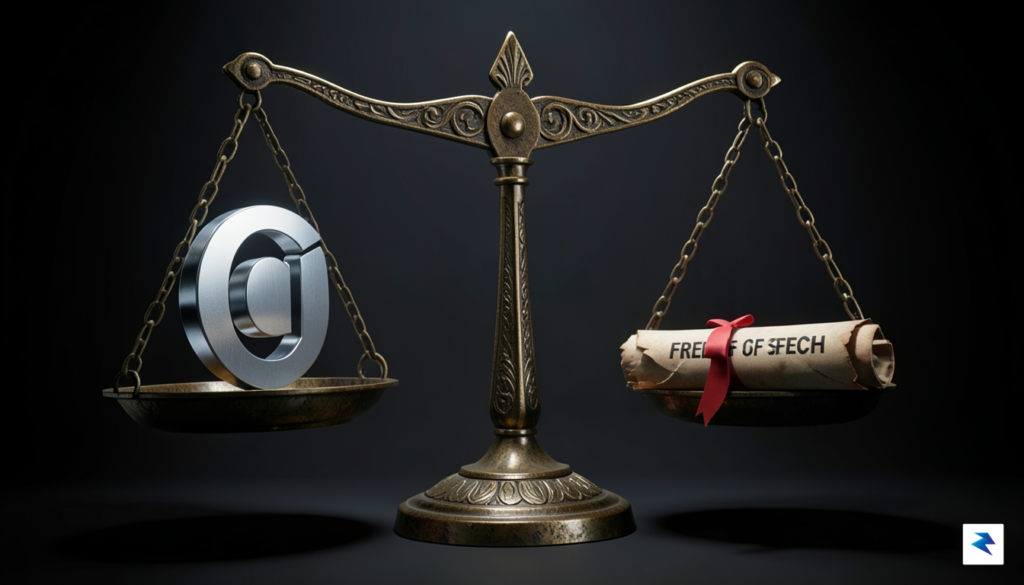
Furthermore, there is an urgent need for a transparent and legally binding appeals process that empowers users and content creators to challenge unjustified restrictions. ISPs are proposing that any entity issuing a takedown request must also provide an accessible pathway for the affected party to contest the decision without navigating a complex or expensive legal labyrinth. This procedural fairness would ensure that the burden of proof is not unfairly shifted onto the individual user. Without such safeguards, the current ecosystem remains skewed, essentially granting private entities the power to censor content without meaningful oversight or accountability.
By introducing a “loser-pays” model for copyright claims, the financial risk associated with frivolous or inaccurate takedown requests would fall squarely on the claimant rather than the service provider or the user.
Perhaps the most controversial, yet necessary, proposal involves a “loser-pays” financial model. Under this framework, rightsholders who systematically issue inaccurate or malicious takedown notices would face meaningful financial consequences for the damage caused to both the platform and the content creator. This would act as a powerful deterrent against the current practice of automated, indiscriminate enforcement. By internalizing the costs of their errors, rightsholders would be incentivized to invest in more precise identification technologies, ultimately fostering a digital environment where copyright protection and public access can coexist without constant friction.

The intensifying debate surrounding overblocking is far more than a mere technical dispute over automated filters; it represents a fundamental challenge to the structural integrity of the open internet. As European regulators grapple with the consequences of aggressive copyright enforcement, they are effectively choosing between a future defined by rigid, algorithmically-curated digital spaces and one that prioritizes the dynamic exchange of ideas. The current tension—pitting the protection of intellectual property against the preservation of digital expression—has reached a breaking point where the collateral damage to legitimate content is no longer a sustainable cost of doing business. If the EU intends to maintain its status as a global leader in digital rights, it must move beyond the era of “take down first, ask questions later” and embrace a more nuanced regulatory framework.
Moving forward, European legislative trends are likely to shift toward mandatory transparency and liability standards that hold rightsholders accountable for the accuracy of their enforcement requests. ISPs are increasingly pushing for a legal environment where they are not forced to act as the final arbiters of speech, a role they are neither equipped nor intended to fulfill. We should expect future policies to focus on the burden of proof, potentially requiring claimants to demonstrate actual infringement before demanding the wholesale removal of content. By shifting this responsibility, legislators can protect both the infrastructure providers and the end-users whose lawful creative output is frequently caught in the dragnet of automated copyright bots.

Ultimately, the sustainability of the digital ecosystem depends on our ability to distinguish between genuine piracy and the lawful exercise of freedom of speech.
Ultimately, the most critical element in this evolution is the implementation of a robust “human-in-the-loop” oversight mechanism. Automated systems, no matter how sophisticated their machine learning models become, lack the cultural and contextual nuance necessary to interpret fair use, parody, or transformative work. Relying solely on software to police the internet inevitably leads to the censorship of marginalized voices and the stifling of innovation. By mandating human review for disputed removals, the European Union can ensure that copyright enforcement does not become an instrument of unintentional mass censorship. Protecting the open internet requires us to value human judgment over algorithmic efficiency, ensuring that the digital commons remains a space for expression rather than a walled garden of sanitized, risk-averse content.
You must be logged in to post a comment.