The Evolution of WhatsApp Identity: Beyond Phone Numbers
For over a decade, WhatsApp has relied on a rigid, phone-number-based architecture that defined the platform’s identity. When the app first launched, tying an account to a SIM card was a masterstroke of simplicity, effectively eliminating the need for complex usernames or password-protected logins. However, as WhatsApp has evolved from a simple messaging replacement into a global communication hub used for commerce, community groups, and professional networking, this reliance on personal phone numbers has increasingly become a point of friction. Users have long been forced to share their primary, private contact information just to initiate a conversation with a service provider, a local merchant, or a stranger in a large group chat.
The limitations of this legacy model are significant, particularly concerning digital privacy and boundary management. By design, the old system compelled users to expose their phone numbers to anyone they messaged, creating inherent risks for spam, unwanted contact, and the erosion of digital anonymity. In an era where data privacy is paramount, the inability to interact with others without disclosing a piece of personally identifiable information that is often linked to one’s financial and legal identity has been a glaring security gap. This necessitated a shift in how the platform handles user discovery, pushing WhatsApp to modernize its approach to cater to a more privacy-conscious global audience.
The introduction of unique usernames marks a fundamental turning point in the platform’s history, signaling its transition toward a more flexible and user-centric communication model. By allowing individuals to create a handle that acts as an alias, WhatsApp is finally decoupling the social identity from the physical SIM card. This evolution provides a critical layer of separation between a user’s private life and their public-facing interactions. Whether you are participating in niche interest communities or conducting transactions with small businesses, you can now connect with others using a pseudonym that doesn’t reveal your actual digits. This change not only enhances personal safety but also makes the act of sharing contact information smoother, as a memorable handle is far easier to communicate than a ten-digit string.
The move toward username-based identities reflects a broader industry trend where privacy is no longer a luxury feature, but a foundational requirement for any messaging service operating at scale.
Ultimately, this update is about reclaiming agency over how we are discovered and contacted online. By moving beyond the phone-number-only paradigm, WhatsApp is empowering users to curate their digital presence with greater precision. As the platform continues to integrate more features—from business catalogs to advanced community management tools—the ability to maintain a distinct, secure identity will remain essential for fostering trust and ensuring that users remain in control of their personal information in an increasingly interconnected world.
How to Secure Your Unique WhatsApp Username
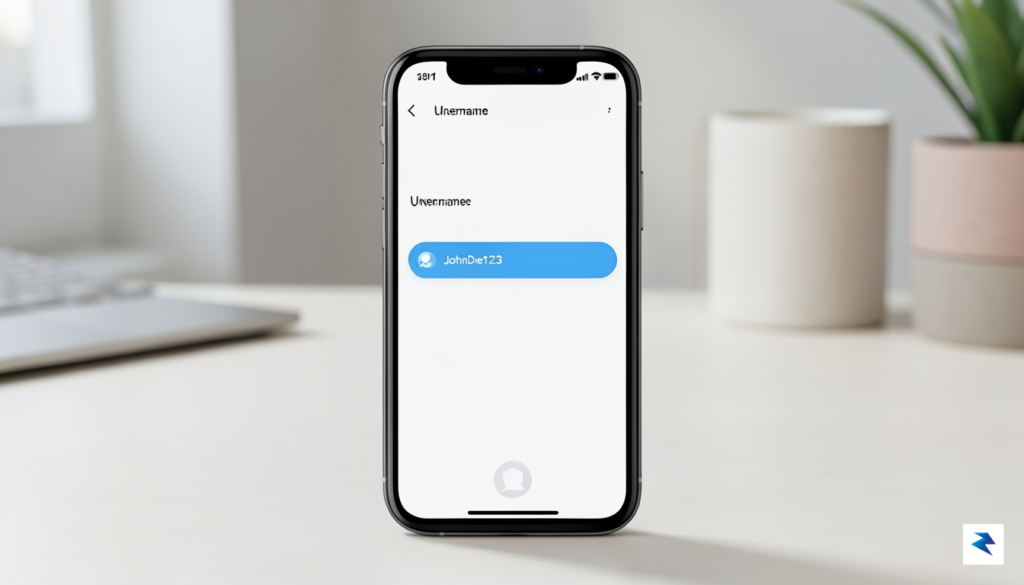
Securing your digital footprint on WhatsApp has never been more critical, especially as the platform transitions toward a more identity-focused experience. To begin the process, navigate to your WhatsApp Settings menu, then tap on your Profile section where your current display name and photo are visible. Look for the newly introduced Username field, which serves as the gateway to claiming your unique identifier. Once you select this option, you will be prompted to enter your desired handle, keeping in mind that this string must be between 3 and 35 characters long. It is essential to choose a name that is easy to remember, professional, and consistent with your presence on other social media platforms, as this will be the primary way people find you without needing your phone number.
When crafting your handle, remember that WhatsApp permits the use of alphanumeric characters, including letters, numbers, and specific allowed symbols like underscores or periods to help distinguish your identity. Because this feature operates on a strict first-come, first-served basis, it is highly recommended that you act as quickly as possible to prevent squatters from claiming your preferred name. If you attempt to save a username that is already taken, the system will immediately notify you, requiring you to experiment with variations or additional characters until you find an available combination. Once you have settled on a unique, available name that meets the platform’s community guidelines, simply confirm your choice to lock it into your account profile permanently.
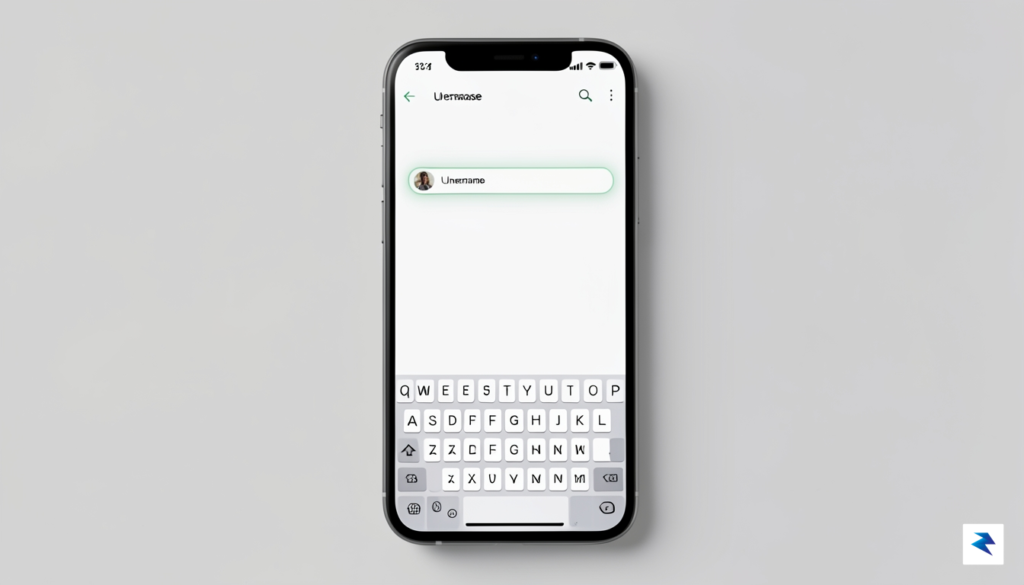
Pro-Tip: Since your username is a public-facing element of your account, consider choosing something that is timeless. Avoid using temporary trends or overly complex character strings, as your handle will likely become your primary professional contact point on the app.
Before finalizing your selection, take a moment to double-check for any typos or formatting errors, as frequent changes might not be permitted or could confuse your existing contacts. After you hit save, your unique handle will be linked to your account, allowing friends, family, and potential business partners to search for you by name rather than exposing your private phone number. This shift not only enhances your privacy by adding an extra layer of abstraction between your personal data and the public but also simplifies the process of networking. By following these steps now, you ensure that your digital identity remains under your control, effectively future-proofing your communication strategy as WhatsApp continues to evolve into a more interconnected social environment.
Privacy and Security: What Changes for Your Account?
For years, the reliance on phone numbers as the primary identifier on WhatsApp has been a point of friction for privacy-conscious users. By decoupling your identity from your personal mobile number, the introduction of unique usernames serves as a critical buffer, transforming how you connect with others. Previously, sharing your contact information meant handing over your digits—a piece of data often linked to your financial accounts, physical address, and broader digital footprint. With this new feature, you can now interact with acquaintances, local businesses, or community groups without exposing your primary phone number, effectively creating a layer of abstraction that keeps your private life separate from your public interactions.
While your phone number remains the underlying tether for account verification and security, it no longer needs to be the first thing you hand out to a new contact. This shift significantly reduces the risk of unwanted solicitation or data scraping, as users can now cultivate a professional or casual persona through a handle that does not inherently grant access to their private communication line.
The transition toward username-based discovery acts as a digital firewall, ensuring that you control exactly how much of your personal identity is visible to strangers at the point of initial contact.
This creates a more controlled environment where privacy is the default, rather than a setting you have to hunt for in the deeper menus of the application.

Navigating Potential Risks and Best Practices
Despite these clear privacy advantages, the transition to usernames introduces new vectors for malicious activity that users must navigate with caution. The most prominent concern is the threat of impersonation; because usernames can be visually similar or deceptive, bad actors might attempt to mimic public figures, businesses, or even your friends to initiate phishing scams. Without the grounding reality of a phone number, it becomes easier for an attacker to build a fraudulent profile that appears legitimate. To mitigate these risks, it is essential to exercise healthy skepticism when receiving unsolicited messages from “new” contacts, even if their username appears familiar or professional.
Furthermore, consider these proactive steps to keep your account secure in the era of handles:
- Verify identities: If you are unsure about a contact, cross-reference their handle with their known social media profiles or official company websites.
- Adjust visibility settings: Take advantage of granular privacy controls to limit who can find you by your username, ensuring that you remain discoverable only to people you actually intend to connect with.
- Enable two-step verification: Since your phone number remains the root of your account, ensure that your multi-factor authentication is active to prevent account takeover attempts, regardless of whether someone discovers you via your handle or your digits.
Ultimately, while usernames represent a major leap forward for personal privacy, they shift the burden of security slightly toward the user. By staying vigilant against impersonation and managing your discovery settings, you can enjoy the convenience of a unique handle while maintaining the high standard of security that WhatsApp users expect.
Why WhatsApp is Shifting Toward Username-Based Discovery
For years, WhatsApp has functioned primarily as a digital extension of our phone address books, tethering every interaction to a physical SIM card and a private mobile number. However, the introduction of usernames signals a profound shift in the platform’s identity, moving it away from a strictly private messaging app and toward a broader social discovery engine. By adopting this model, WhatsApp is finally aligning its infrastructure with the rest of the Meta ecosystem—including Instagram and Facebook—effectively dismantling the “walled garden” approach that once isolated WhatsApp users from the wider social web. This strategic pivot allows the platform to compete more directly with the likes of Telegram and Discord, where identity is defined by a unique handle rather than a string of digits.
The primary advantage of this evolution lies in the reduction of friction for both personal and professional networking. Previously, connecting with a new acquaintance or a local business required sharing sensitive private phone numbers, a barrier that often discouraged casual outreach. With usernames, users can now maintain a layer of anonymity, sharing a simple handle to initiate a conversation without exposing their primary contact information to the public. This is a game-changer for small business owners and creators who rely on WhatsApp for client communication; it transforms the app into a professional hub where discovery is as fluid as it is on a dedicated social media feed. Instead of circulating business cards with personal mobile numbers, professionals can now offer a clean, memorable handle that keeps their private lives distinct from their public-facing operations.
By decoupling identity from phone numbers, WhatsApp is effectively lowering the barrier to entry for community building, allowing users to join groups and interact with brands without sacrificing their digital privacy.
Furthermore, this shift facilitates a more robust environment for group discovery and large-scale community management. On platforms like Discord, the ability to search for and join communities via unique tags has been the cornerstone of their growth for years. By implementing a similar username system, WhatsApp is positioning itself to become a more effective host for public interest groups, hobbyist communities, and open forums that require high-volume engagement. This move not only simplifies the onboarding process for new members but also integrates WhatsApp into the search-driven discovery habits that modern internet users expect. Ultimately, as the boundaries between social media and private messaging continue to blur, this update ensures that WhatsApp remains a relevant, versatile tool in an increasingly interconnected digital landscape.
Best Practices for Choosing a Sustainable Username

Selecting a digital handle is more than just a quick setup process; it is an exercise in personal branding that requires foresight and careful consideration. Because your username serves as your primary digital calling card, choosing one that stands the test of time is paramount. You should prioritize clarity and simplicity, steering clear of transient trends, slang, or hyper-specific references that might feel outdated in a few years. While it might be tempting to include a current hobby or a fleeting pop-culture reference, these elements often lose their relevance quickly, forcing you to eventually abandon a handle you worked hard to build. Aim for a username that reflects your name, your professional identity, or a timeless concept that will remain applicable regardless of how your interests or career paths evolve over the coming decade.
Consistency is the bedrock of a strong online presence, so strive to maintain the same handle across all your social media platforms. When you use a uniform username on WhatsApp, Instagram, LinkedIn, and X, you make it significantly easier for friends, family, and professional contacts to locate you without confusion. This cross-platform cohesion builds a sense of authority and reliability, as people instantly recognize your digital footprint across different ecosystems. Before finalizing your choice, take a moment to search for your preferred handle on other major networks to ensure it is available or at least consistent with your existing profiles. If your primary choice is taken, resist the urge to add long strings of random numbers or excessive underscores, as these clutter your identity and make it difficult for others to type your name accurately from memory.
A truly sustainable username is one that balances personal authenticity with professional accessibility, ensuring that you remain recognizable without relying on complex character strings or temporary fads.
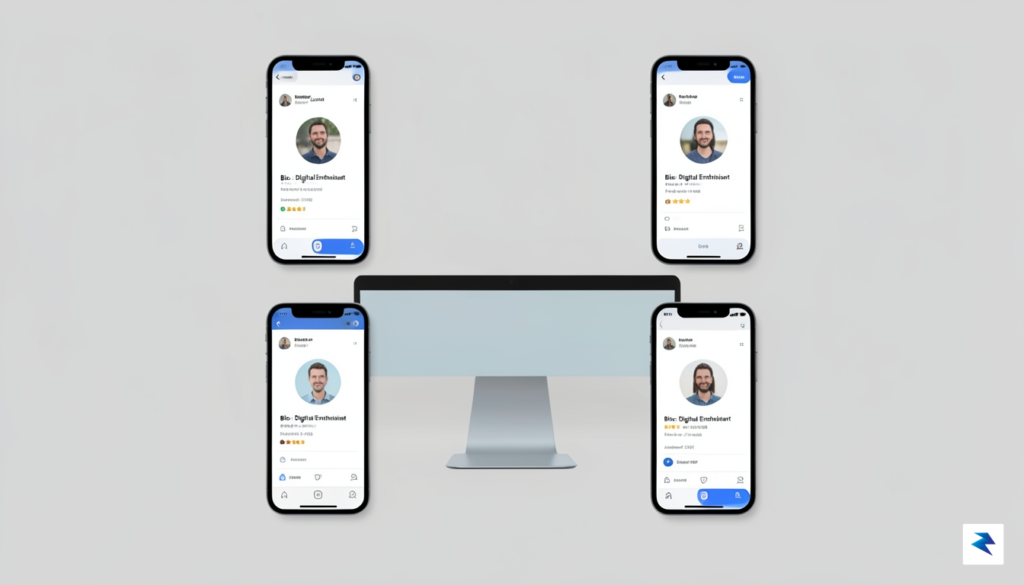
Beyond aesthetics, you must approach handle selection with a strong sense of ethical responsibility. Avoid choosing a username that closely mirrors the names of well-known public figures, brands, or organizations, as this can lead to accusations of impersonation and may even result in your account being suspended or reclaimed by the platforms themselves. Furthermore, consider the implications of “handle squatting”—the act of claiming high-value usernames solely to hold them for future sale or to prevent others from using them. Engaging in these practices not only creates unnecessary friction within the online community but also violates the terms of service for most modern messaging applications. By selecting a handle that is uniquely yours and respectful of others’ digital space, you contribute to a more stable and trustworthy environment for everyone on the platform.