
The Constitutional Foundation of Birthright Citizenship

At the heart of the American legal framework lies the 14th Amendment, which serves as the bedrock for the nation’s commitment to birthright citizenship. Ratified in 1868, the amendment was designed to dismantle the exclusionary practices of the past by establishing a clear, objective rule for inclusion. Its opening sentence, the Citizenship Clause, declares: “All persons born or naturalized in the United States, and subject to the jurisdiction thereof, are citizens of the United States and of the State wherein they reside.” This language was intentionally broad, intended to ensure that citizenship could no longer be denied based on race, ancestry, or the arbitrary whims of political leaders, effectively codifying the principle of jus soli—the right of the soil—into the supreme law of the land.

This principle of jus soli functions as more than just a procedural rule; it is a fundamental safeguard against the expansion of executive power. By anchoring citizenship to the physical fact of birth within American borders, the Constitution removes the ability of the government to determine the status of an individual based on the political climate or the legal standing of their parents. When citizenship is treated as an inherent right rather than a privilege granted by the state, it creates a stable, egalitarian foundation for society. This structure prevents the creation of a permanent underclass of non-citizens, ensuring that anyone born on American soil is automatically afforded the same rights, duties, and protections as any other member of the national community.
The Citizenship Clause transformed the American identity from a collection of fragmented, state-dependent statuses into a unified national identity that is protected from interference by the executive branch.
Because this mandate is etched directly into the Constitution, any effort to alter or repeal it through executive order faces insurmountable legal barriers. The Supreme Court has historically viewed these attempts as a direct challenge to the separation of powers, as changing the definition of citizenship would require a constitutional amendment—a rigorous, democratic process that intentionally demands broad national consensus. By upholding this interpretation, the judiciary reinforces the idea that an individual’s fundamental relationship with their country is shielded from the fluctuations of partisan politics. Consequently, birthright citizenship remains a resilient pillar of American democracy, protecting the promise of inclusion that has defined the nation for over 150 years.
The 14th Amendment: A Historical Imperative
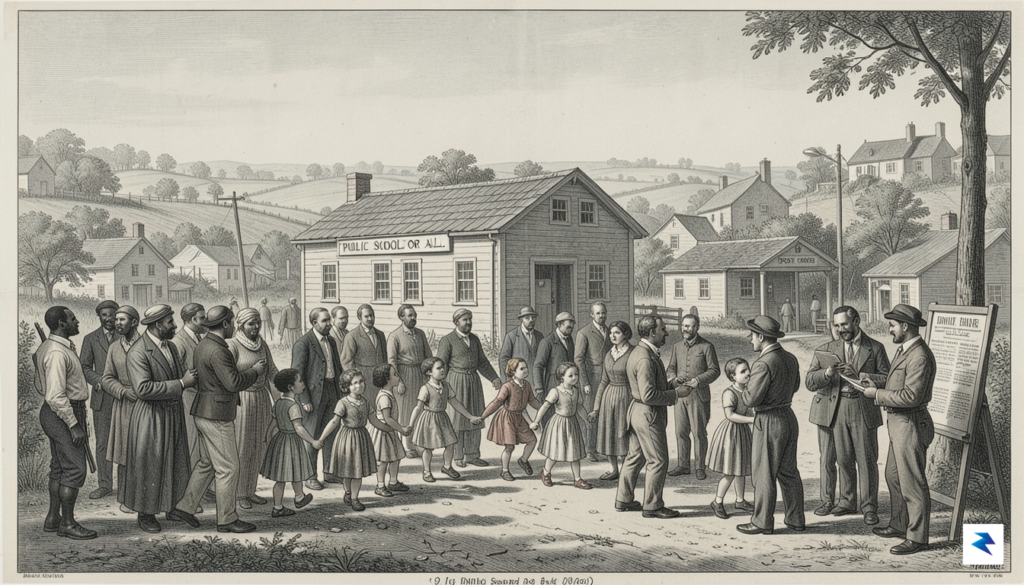
To grasp the foundational significance of birthright citizenship, one must look back to the aftermath of the Civil War, a period defined by the urgent need to redefine the American social contract. Before the 14th Amendment, the Supreme Court’s infamous 1857 ruling in Dred Scott v. Sandford had solidified an exclusionary vision of the nation, declaring that Black individuals, whether enslaved or free, could not be considered citizens of the United States. This decision effectively stripped an entire population of their legal protections, fueling the systemic dehumanization that characterized the antebellum era. By explicitly denying citizenship to those of African descent, the Court created a legal vacuum that the 39th Congress sought to dismantle permanently through the formalization of the 14th Amendment.

The legislative intent behind the 1868 ratification was profoundly clear: to replace the arbitrary, race-based definitions of belonging with a universal, birth-based standard that could never again be manipulated by political whims or discriminatory state laws. Members of the 39th Congress aimed to establish a bedrock of equality that would protect the rights of formerly enslaved people and their descendants, ensuring they were recognized as full participants in the American experiment. By enshrining the Citizenship Clause into the Constitution, the architects of the Amendment declared that sovereignty resided with those born on American soil, regardless of their parentage or previous social status. This deliberate shift was intended to strip states of the power to delineate citizenship, thereby centralizing the definition under federal protection.
“All persons born or naturalized in the United States, and subject to the jurisdiction thereof, are citizens of the United States and of the State wherein they reside.”
This simple yet revolutionary sentence transformed the nature of American identity, shifting the criteria for citizenship from a matter of lineage or racial classification to one of territorial birth. By setting this universal standard, the Amendment provided a safeguard against the resurgence of the exclusionary logic that had previously fractured the union. It was not merely a reaction to the past, but a proactive measure designed to anchor the concept of equal protection within the Constitution itself. Consequently, this historical imperative remains the cornerstone of modern citizenship, ensuring that the promise of belonging is an inherent right rather than a privilege granted by the government.
Legal Challenges to Executive Authority

The structure of American jurisprudence operates on a strict hierarchy, placing the Constitution as the supreme law of the land, followed by federal statutes, and finally, executive orders issued by the President. When an executive action attempts to unilaterally alter a fundamental constitutional guarantee, it triggers a direct conflict with this foundational order. The attempt to end birthright citizenship—a principle explicitly enshrined in the 14th Amendment—represented an effort to override a constitutional mandate through a mere stroke of a pen. Because the Constitution dictates the scope of governmental power rather than the other way around, the judiciary serves as the ultimate arbiter, ensuring that no executive action can bypass the rigorous amendment process required to change our founding document.
During the ensuing legal challenges, proponents of the executive order argued that the President possesses the authority to interpret the 14th Amendment’s Citizenship Clause in a way that excludes certain individuals from protection. They posited that the phrase “subject to the jurisdiction thereof” granted the administration sufficient latitude to redefine who qualifies for citizenship at birth. However, this interpretation faced immediate and overwhelming resistance from legal scholars and the courts. The judiciary consistently maintained that the historical intent and the plain text of the 14th Amendment were designed specifically to codify the principle of birthright citizenship, leaving no room for executive reinterpretation based on modern policy preferences.
The Supreme Court has long operated under the principle that the executive branch cannot unilaterally strip away rights that have been firmly established by the Constitution’s text and over a century of legal precedent.
The judiciary views this matter as largely settled, largely because the 14th Amendment was ratified to ensure that citizenship is a birthright, not a privilege granted at the discretion of the state. By attempting to use an executive order to narrow the scope of the amendment, the administration encountered the “non-delegation doctrine” and the clear limitations on executive power. Courts do not permit the executive to redefine constitutional terms when doing so would undermine the very rights those terms were meant to protect. Consequently, the judiciary’s rejection of this attempt was not merely a procedural ruling, but a reaffirmation of the separation of powers. It serves as a stark reminder that while the President holds significant authority in matters of foreign policy and administrative implementation, that power remains strictly subordinate to the immutable protections afforded by the Constitution.

The Supreme Court’s Ruling and Its Implications

In a decisive 6-3 ruling, the Supreme Court has effectively rebuffed efforts to undermine the foundational principles of the 14th Amendment, providing a significant victory for the preservation of constitutional stability. By upholding the long-standing interpretation of birthright citizenship, the Court affirmed that the text of the Constitution is not a malleable tool for executive overreach, but rather a fixed standard that guards against the whims of shifting political landscapes. The majority’s reasoning centers on the clear, unambiguous language of the Citizenship Clause, which declares that all persons born or naturalized in the United States, and subject to the jurisdiction thereof, are citizens. By refusing to entertain narrow, politically motivated re-readings of this clause, the justices signaled that the judiciary will serve as a bulwark against attempts to erode established civil rights through administrative fiat.

The implications of this 6-3 split extend far beyond the immediate legal dispute, offering a profound lesson on the resilience of the rule of law. When the executive branch attempts to unilaterally alter the criteria for citizenship, it risks sparking a constitutional crisis that could destabilize the social contract for millions of Americans. By maintaining the status quo, the Court has effectively lowered the temperature of this volatile debate, steering the country away from the chaos that would inevitably result from a sudden, non-legislative revocation of rights. This decision reinforces the principle that fundamental shifts in citizenship policy require the rigorous, democratic process of constitutional amendment or legislative action, rather than the quick stroke of a pen from a single administration.
The Supreme Court’s adherence to established precedent serves as a vital safeguard, ensuring that the rights of future generations remain insulated from the fluctuating political priorities of the present day.
Furthermore, this ruling acts as a critical precedent for any future challenges that might seek to jeopardize the status of vulnerable populations. By grounding their decision in the historical and legal weight of the 14th Amendment, the justices have made it significantly more difficult for future litigants to argue that citizenship is a revocable privilege rather than a birthright. This provides a sense of permanent legal certainty for families across the country, ensuring that children born on American soil are protected by the same guarantees regardless of the political climate in Washington. Ultimately, the Court has clarified that while political priorities may change with every election cycle, the core commitments of the Constitution remain immutable, shielding the nation’s promise of equality from the cyclical tides of partisan ideology.
The Future of Citizenship Policy in the U.S.
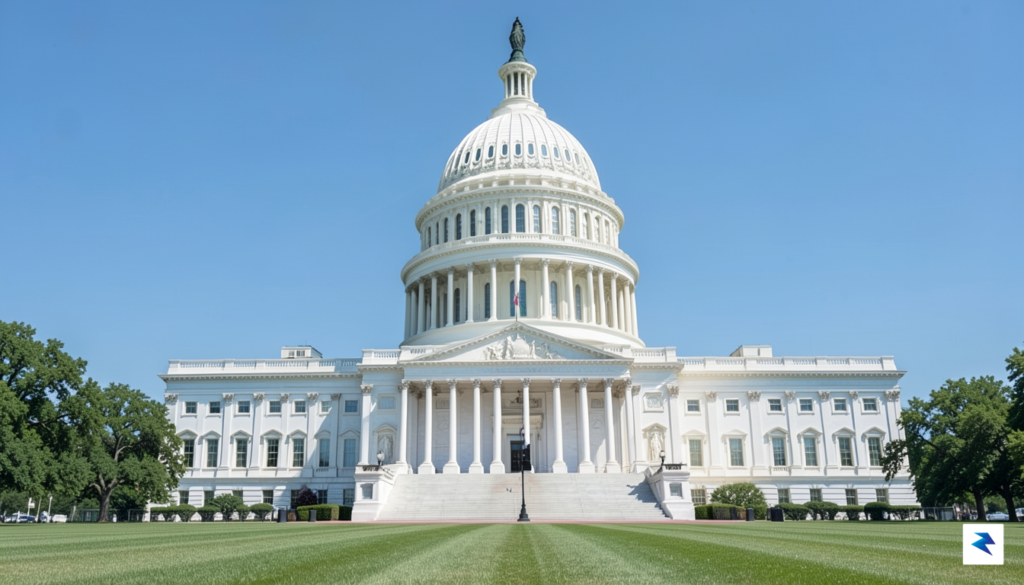
Birthright citizenship serves as a foundational pillar of the American social contract, acting as a powerful mechanism for integration and national stability. By ensuring that children born on U.S. soil are granted the full rights and responsibilities of citizenship, regardless of their parents’ status, the nation has historically avoided the creation of a permanent, disenfranchised underclass. This inclusive approach reflects a deliberate constitutional choice to prioritize the stability of the republic over transient political sentiments. As we look toward the horizon, it remains clear that this principle is not merely a legal technicality, but a vital component of the diverse, ever-evolving identity of the American people.
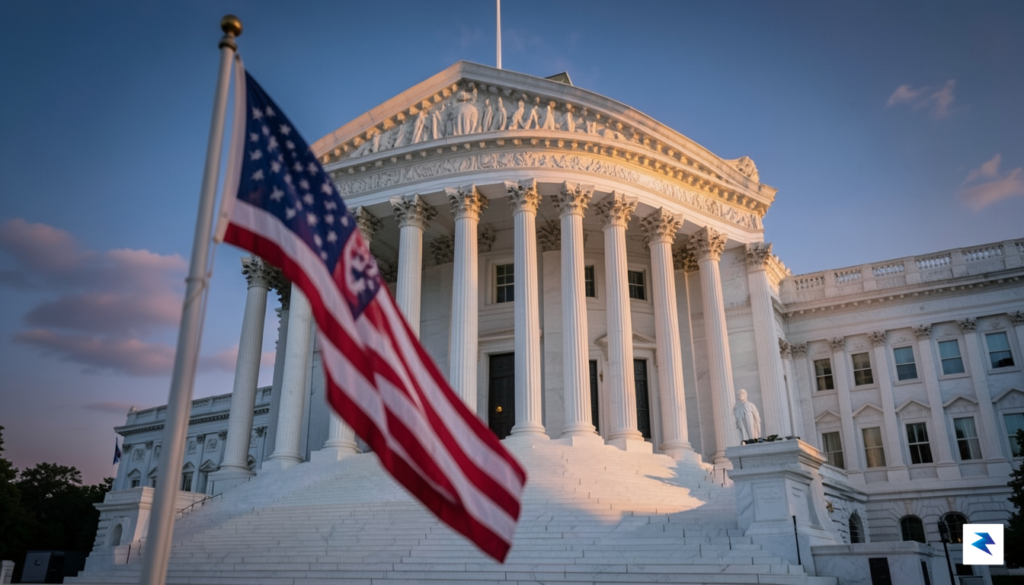
Despite the legal clarity provided by current jurisprudence, the political debate surrounding immigration policy and national identity is unlikely to subside. Future efforts to alter the landscape of citizenship may manifest in two primary ways: through aggressive legislative attempts to redefine the scope of birthright or through the arduous, rarely successful path of proposing a constitutional amendment. While some policymakers may advocate for stricter limitations based on parental status, any such move would face the formidable hurdle of the 14th Amendment’s original intent. Consequently, the discussion will likely shift from the courtroom to the halls of Congress and the public square, where the values of the nation will continue to be tested and debated.
The resilience of the Constitution lies in its ability to anchor the nation amidst the shifting tides of political ideology, ensuring that fundamental rights are not subject to the whims of contemporary majorities.
Ultimately, the vitality of our democracy depends on our collective commitment to the endurance of constitutional protections. These safeguards are essential, as they provide a stable framework that prevents the erosion of civil rights during periods of intense social or political friction. As citizens and observers of the democratic process, it is our responsibility to engage in informed discourse that respects the weight of these legal precedents while acknowledging the complexity of immigration policy. By upholding the integrity of the Constitution, we protect the very mechanisms that allow the United States to continue its experiment in representative government, ensuring that the promise of belonging remains accessible to the generations of tomorrow.