
Why the Supreme Court Upheld Birthright Citizenship
The Constitutional Foundation of Birthright Citizenship At the heart of the American legal framework lies the 14th Amendment, which serves as…

The Model Context Protocol (MCP) represents a fundamental shift in how artificial intelligence interacts with the vast, fragmented digital ecosystem. At its core, MCP is an open-source standard designed to provide a universal language for AI applications, allowing them to connect seamlessly to external systems such as databases, internal APIs, and collaborative tools. Previously, integrating an AI model with a specific platform required building bespoke, one-off connectors that were difficult to maintain and rarely portable. By establishing a common interface, MCP effectively bridges the gap between the static knowledge of a Large Language Model (LLM) and the dynamic, real-time data residing in our most critical business applications.
For years, developers have struggled with the persistent issue of “data silos,” where information locked behind proprietary APIs remains inaccessible or cumbersome for AI agents to retrieve. Building custom integrations for every new tool is not only time-consuming but also creates a fragile infrastructure prone to breaking whenever an upstream service updates its API. MCP solves this by acting as a universal adapter, creating a standardized way for AI models to query information and perform actions without needing to understand the unique intricacies of every individual software platform. This architectural evolution allows developers to focus on building intelligent features rather than spending their time writing boilerplate code for endless connection points.
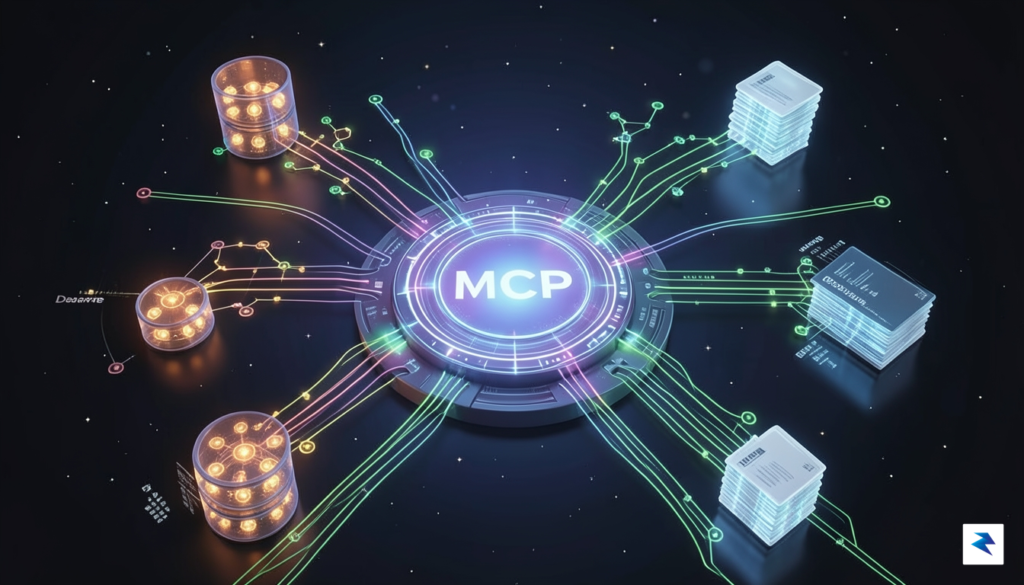
By decoupling the AI interface from the underlying data source, the Model Context Protocol ensures that as long as a platform supports the standard, any AI model can immediately interact with its content.
The benefits of this standardization extend far beyond technical convenience; they significantly accelerate developer velocity and ensure long-term cross-platform compatibility. When a developer builds an integration using MCP, they are essentially future-proofing their application against the rapid pace of change in the AI industry. This modular approach means that if a team decides to switch from one LLM provider to another, or if they add new data sources to their stack, the core integration logic remains intact and functional. By fostering a shared ecosystem, MCP enables a more collaborative environment where tools, data, and models can finally speak the same language, ultimately leading to more capable, context-aware AI agents that can traverse complex digital environments with ease.

The introduction of a hosted MCP server by X marks a pivotal moment for the platform, signaling a clear and decisive shift towards becoming an AI-first ecosystem. For years, developers keen on leveraging X’s vast, real-time data streams faced an uphill battle. Accessing the platform’s information often involved navigating a complex labyrinth of API rate limits, stringent authentication protocols, and an ever-evolving landscape of endpoints that could shift without much warning. This historical friction not only hampered innovation but also created significant barriers to entry for anyone looking to build robust, data-intensive applications, especially those requiring the kind of high-volume, low-latency access that modern AI tools demand.
With the launch of its dedicated MCP server, X is fundamentally redesigning this developer experience. The server acts as a powerful abstraction layer, effectively shielding developers from the underlying complexities of X’s proprietary API endpoints and data architectures. Instead of grappling with intricate, platform-specific calls and data formats, developers can now interact with a standardized, high-performance interface. This not only simplifies the integration process dramatically but also ensures a more stable and predictable environment for data acquisition, enabling developers to focus their energy on building intelligent applications rather than wrestling with infrastructure.
This strategic move ushers in a new era, transitioning from informal, often unsanctioned data ‘scraping’ to legitimate, protocol-based integration. Historically, many innovators, driven by the immense value of X’s real-time information, resorted to scraping – a method that is not only resource-intensive and prone to breakage but also frequently violates terms of service. The MCP server offers a sanctioned, robust, and reliable pipeline for data, legitimizing access and fostering a healthier, more collaborative developer ecosystem. This shift guarantees better data quality, improved reliability, and, crucially, compliance, providing a solid foundation for enterprise-grade AI solutions.
[IMAGE: A conceptual diagram showing data flowing seamlessly from X’s platform through an MCP server to various AI applications, with icons representing real-time sentiment analysis, trend tracking, and social intelligence.]
The impact on developers specializing in AI is profound and transformative. AI agents thrive on clean, current, and comprehensive data to learn, analyze, and make predictions in real time. The MCP server delivers precisely this kind of stream, opening up unprecedented opportunities for innovation. Developers can now more easily build sophisticated tools for instantaneous sentiment analysis, understanding public mood and reactions as they unfold. They can create highly accurate trend trackers that identify emerging topics and viral content with unparalleled speed, providing invaluable insights for businesses and researchers alike. Moreover, the enhanced access facilitates the development of powerful real-time social intelligence platforms capable of predicting events, gauging public opinion shifts, and understanding complex social dynamics, all powered by X’s massive information flow.
Ultimately, X’s investment in a hosted MCP server is more than just a technical upgrade; it’s a profound declaration of intent. It unequivocally positions X as a foundational platform for the next wave of AI innovation. By providing this critical infrastructure, X isn’t merely making its vast ocean of data accessible; it is actively inviting, enabling, and empowering developers to build the intelligent applications of tomorrow. This strategic pivot solidifies X’s role as a key player in the artificial intelligence landscape, setting the stage for a new generation of data-driven agents to thrive on its platform.

For years, developers looking to integrate X’s platform data into their applications faced a daunting gauntlet of custom middleware and complex architectural requirements. Previously, building an AI-driven tool required writing extensive boilerplate code just to manage OAuth authentication, handle intricate pagination logic, and manually parse raw JSON responses into a format usable by large language models. This traditional approach was not only time-consuming but also fragile, as minor updates to the platform’s API structure could frequently break existing integrations, forcing developers to spend more time on maintenance than on actual feature innovation.
The introduction of the Model Context Protocol (MCP) server marks a transformative shift in how developers interact with the platform’s data ecosystem. By utilizing a standardized communication layer, this new server essentially provides a plug-and-play architecture that eliminates the need for bespoke middleware. Instead of crafting unique handlers for every API endpoint, developers can now rely on the MCP server to act as a bridge, translating complex platform requests into a streamlined, AI-ready format. This abstraction layer significantly accelerates development cycles, allowing teams to prototype and deploy intelligent agents in a fraction of the time it once took.
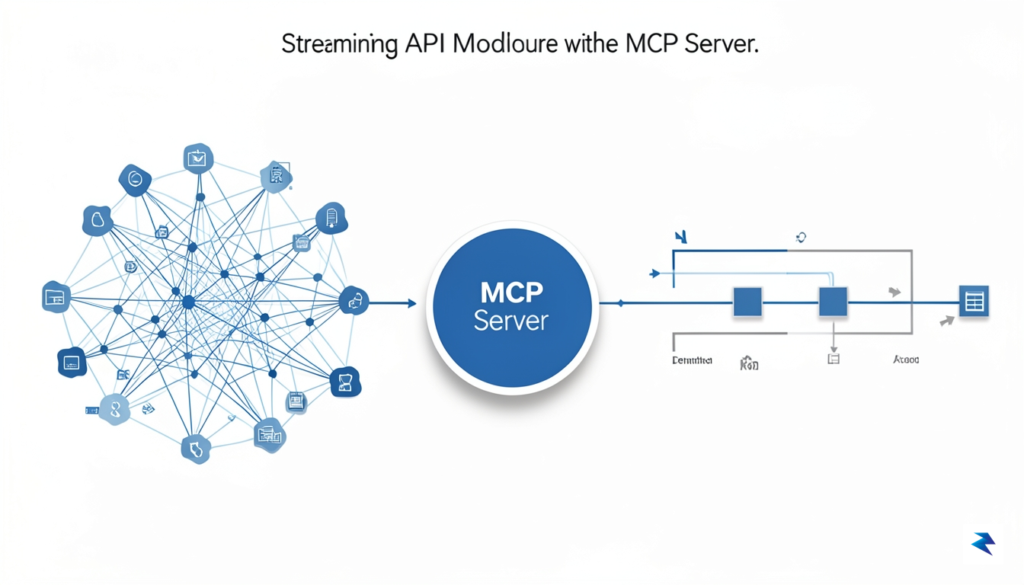
Beyond simply reducing the volume of code, the MCP server fundamentally offloads the most tedious aspects of API lifecycle management. Managing rate limits and data formatting has historically been a significant burden for developers, often requiring the implementation of custom caching layers or sophisticated request-throttling algorithms to avoid service interruptions. The hosted MCP server assumes the responsibility for these operational hurdles, effectively sanitizing data streams and ensuring that the information reaching your AI model is clean, consistent, and compliant with current platform limits.
The shift toward an MCP-based integration model effectively turns a complex, high-maintenance data pipeline into a stable, standardized utility, freeing developers to focus entirely on the logic and value of their AI applications.
Furthermore, this transition empowers developers to focus on the high-level logic of their applications rather than the minutiae of network protocols. Because the server handles the heavy lifting of authentication and data serialization, the resulting codebases are notably leaner and easier to audit for security vulnerabilities. By adopting this modern standard, developers can ensure their tools are more resilient to future updates, as the underlying MCP protocol is designed to provide a consistent interface even as the platform’s internal APIs evolve. Ultimately, this change represents a move away from fragile, custom-built solutions toward a robust, industry-standard ecosystem that lowers the barrier to entry for building sophisticated AI tools.

The introduction of an MCP server for the platform marks a pivotal shift from static data consumption to dynamic, agentic interaction. By standardizing how AI models communicate with the platform’s vast data stream, developers are no longer limited to simple scraping or passive reading; they can now build sophisticated agents that function as autonomous participants in the digital conversation. These agents can digest massive volumes of real-time discourse, identify emerging trends before they hit mainstream headlines, and execute complex workflows that bridge the gap between social data and actionable intelligence.
The versatility of this integration opens the door to a new generation of utility-focused software. For instance, an autonomous research assistant could continuously monitor specific niche discussions, filtering through the noise to compile daily briefings on technical breakthroughs or regulatory shifts. Similarly, market sentiment trackers can now provide financial analysts with nuanced, real-time gauges of public opinion, allowing for a deeper understanding of how social dynamics influence asset volatility. Beyond research, we are likely to see interactive engagement bots that move beyond scripted responses; instead, they will be capable of synthesizing platform-wide context to provide genuinely helpful, personalized assistance to users in real time.

By treating social interaction as a programmable interface, developers can move from creating tools that simply “see” data to tools that “reason” and “respond” within the ecosystem.
The true power lies in the transition from observation to action. An agent equipped with MCP capabilities can perform multi-step tasks, such as cross-referencing a new announcement against historical posts, verifying data points through external APIs, and summarizing the findings—all within a single, seamless interaction loop. This eliminates the friction of manual data aggregation and empowers users to leverage the platform as a living, breathing knowledge base. However, this increased autonomy necessitates a steadfast commitment to responsible AI development. As these agents gain the ability to interact with the platform more fluidly, building in robust safety guardrails—such as rate-limiting, authentication protocols, and transparent attribution—is not just a technical requirement, but an ethical imperative. By prioritizing security and user privacy from the outset, developers can ensure that this new era of integration fosters a more informed and capable digital environment for everyone.
While the introduction of an MCP server significantly lowers the barrier for integrating AI agents with the platform, seamless connectivity should never be conflated with a “set it and forget it” security posture. Developers must approach this integration with a defense-in-depth mindset, acknowledging that granting an AI agent access to platform data and actions introduces new potential attack vectors. The responsibility for data privacy, credential management, and scope limitation rests firmly on the implementer. Without a rigorous security framework, organizations risk exposing sensitive information or inadvertently allowing autonomous agents to perform unauthorized actions that could jeopardize user trust and platform integrity.
The foundation of a secure integration begins with robust authentication management. Developers should strictly adhere to the principle of least privilege, ensuring that the API keys and tokens utilized by the MCP server have the most restrictive permissions necessary to complete their intended tasks. Avoid the common pitfall of using administrative or “god-mode” credentials for routine agent operations. Furthermore, credentials should never be hardcoded in application files; instead, utilize secure environment variables or dedicated secret management services. By rotating these keys regularly and auditing their usage patterns, teams can mitigate the impact of a potential credential leak and ensure that agent behavior remains predictable.

Key Takeaway: Security is not a one-time configuration but an ongoing lifecycle. Always treat AI-driven interactions with the same level of scrutiny as traditional API-based application traffic.
Beyond initial setup, long-term stability relies on proactive monitoring and strict adherence to platform rate limits. Automated AI agents can easily overwhelm API endpoints if they enter an infinite loop or are triggered by high-frequency user requests, potentially leading to service degradation or account suspension. Implement robust logging and observability tools—such as distributed tracing or real-time event monitoring—to gain granular visibility into every action performed by the agent. If an agent’s behavior deviates from the expected baseline, automated alerts should trigger a kill-switch mechanism to isolate the system before damage occurs.
Furthermore, developers must remain vigilant regarding data privacy and regulatory compliance, particularly when handling user-generated content or private interactions. It is essential to implement data filtering layers that sanitize inputs and prevent the leakage of PII (Personally Identifiable Information) into AI model training sets or persistent logs. By clearly defining the boundary of what an agent can read, write, and delete, developers can ensure that their implementation remains compliant with platform policies and broader data protection standards. Taking these precautions not only protects the platform but also fosters a sustainable ecosystem where innovation can thrive without compromising security.
You must be logged in to post a comment.