The Evolution of the Cybercab: From Vision to Reality
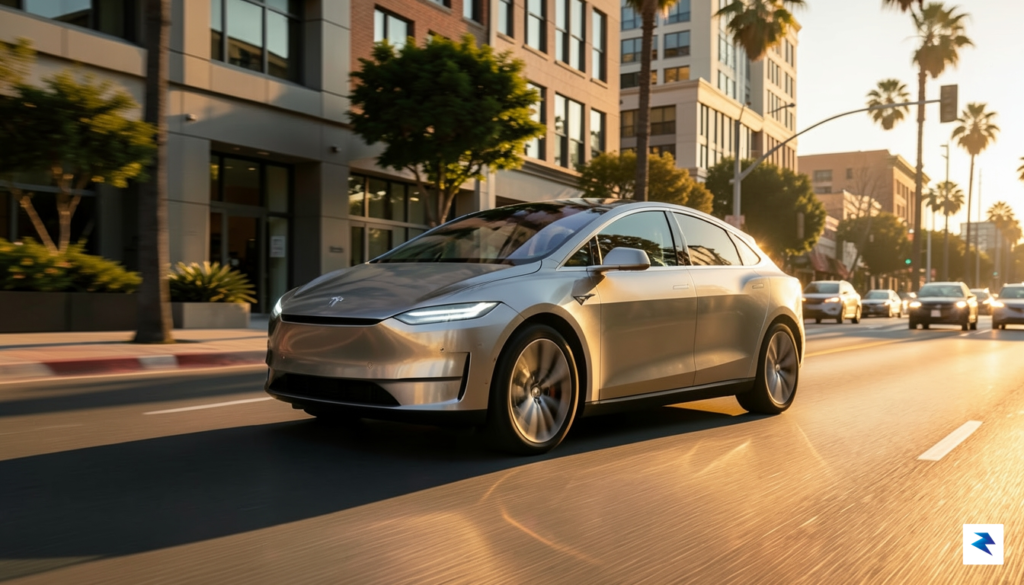
For nearly a decade, the promise of a dedicated, autonomous Tesla robotaxi has served as the cornerstone of the company’s long-term master plan. What began as a series of aspirational slides in investor presentations and bold predictions during visionary keynotes has finally transitioned from the realm of abstract theory into the tangible, gritty reality of public road testing. The recent deployment of the Cybercab in Austin—a vehicle striking for its complete lack of a steering wheel or pedals—marks a profound departure from the experimental phase. It signals that Tesla is moving beyond merely refining software for existing hardware and is instead betting on a future where the vehicle itself is purpose-built to eliminate the human element entirely.
To understand the gravity of this shift, one must contrast the Cybercab with the current iteration of Tesla’s Full Self-Driving (FSD) system. While FSD has historically been an iterative software project designed to assist human drivers in consumer vehicles like the Model 3 or Model Y, the Cybercab represents a fundamental pivot in strategic architecture. Retrofitting consumer cars with advanced sensors and neural networks was a necessary bridge, providing Tesla with billions of miles of real-world training data. However, those vehicles were inherently designed for human intervention, featuring the traditional ergonomics of a driver-centric cockpit. The Cybercab, by contrast, removes these redundant controls, signaling a design philosophy where the interior space is optimized exclusively for passengers, prioritizing comfort and utility over the requirements of a manual pilot.
This transition to a dedicated platform is arguably the most significant milestone in the company’s history. By detaching the robotaxi experience from the limitations of legacy automotive design, Tesla is attempting to solve the economic puzzle of autonomous ride-sharing. A purpose-built vehicle allows for a more streamlined manufacturing process, lower maintenance costs, and a cabin experience that feels more like a mobile lounge than a traditional car. Furthermore, testing these units in a live environment like Austin provides the rigorous stress-testing necessary to prove that an AI-driven machine can navigate complex urban infrastructure without the safety net of a human standby driver.
The leap from assisted driving to fully autonomous transit is not merely a software upgrade; it is a total redesign of the relationship between the vehicle, the passenger, and the road.
Ultimately, the Austin trials are the crucible in which this vision will be tested against the unpredictability of human traffic, weather patterns, and local regulations. While skeptics have long pointed to the delays in the robotaxi timeline as evidence of the inherent difficulty of the task, the presence of these pedal-less vehicles on public streets provides a concrete answer to those doubts. By moving from the digital simulation of neural networks to the physical streets of Texas, Tesla is effectively initiating the final, and most difficult, chapter of its original master plan: turning a speculative technological dream into a functional, ubiquitous, and driverless reality.
Designing for Autonomy: Removing the Controls
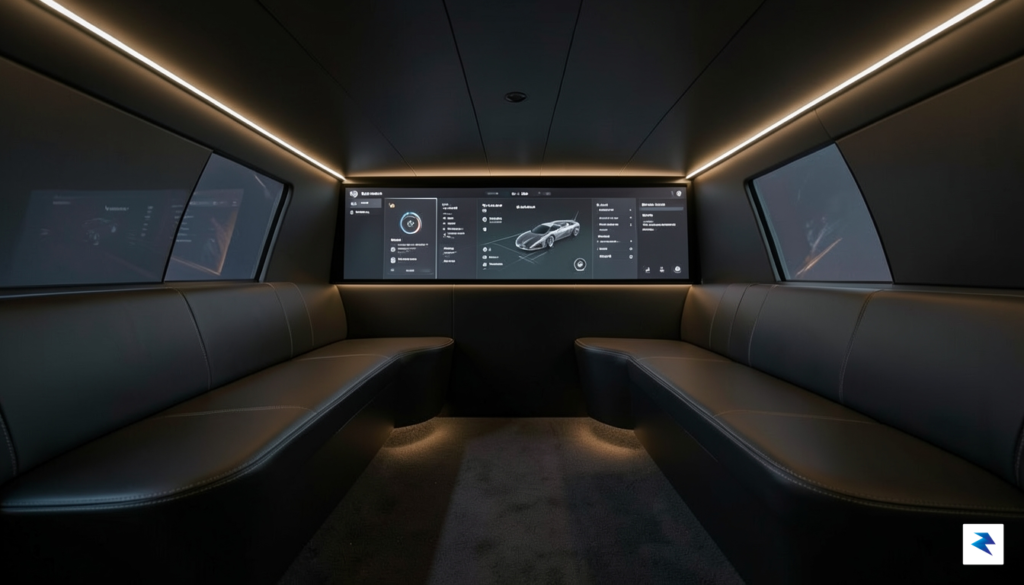
The decision to eliminate the steering wheel and pedals from the Cybercab represents far more than a minimalist aesthetic choice; it is a fundamental architectural commitment to the reality of full autonomy. When engineers strip away the mechanical interfaces traditionally used for human intervention, they are essentially closing the loop on a system designed to operate exclusively through software logic. By removing the physical ability for a passenger to override the vehicle, Tesla is signaling an unprecedented level of confidence in its neural networks and sensor suites. This design shift forces the vehicle to rely entirely on its perception stack, ensuring that there is no ambiguity regarding who—or what—is in command of the driving task at any given moment.
From an ergonomic perspective, this transition transforms the cabin from a cockpit into a dedicated lounge space. Without the need to accommodate a driver, the interior volume is reclaimed, allowing for a more communal and spacious seating arrangement that prioritizes passenger comfort over operational accessibility. This shift necessitates a complete rethinking of interior safety protocols and user interfaces, as the vehicle must now communicate its intentions to passengers through digital feedback rather than physical steering adjustments or brake feel. In this environment, the passenger becomes a passive participant, liberated from the burden of road awareness and free to utilize the transit time for productivity, rest, or entertainment.
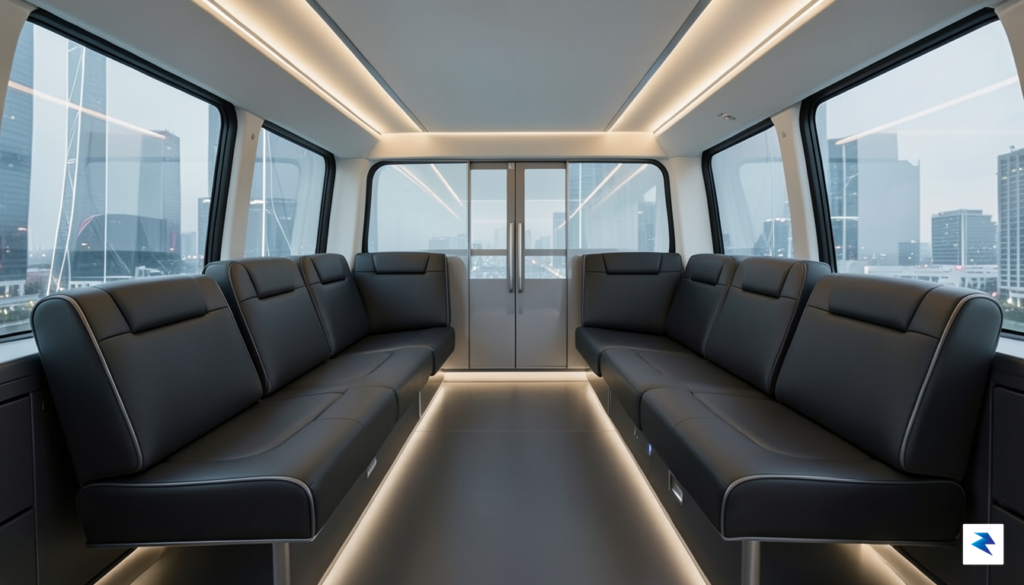
Technically, the removal of manual controls serves as a critical safety barrier against human error during autonomous operations. In traditional semi-autonomous systems, the “handoff” between machine and human is often identified as a major failure point, where a distracted or unprepared driver may be unable to regain control quickly enough in an emergency. By design, the Cybercab eliminates this precarious transition entirely. Because the vehicle is physically incapable of being steered by a human, the software is never tasked with managing a split-second handoff; instead, the system is engineered to gracefully execute a “minimum risk maneuver”—such as pulling over safely—should any critical fault occur. This uncompromising approach ensures that the vehicle remains a closed, controlled ecosystem, effectively preventing the dangerous unpredictability that arises when human intuition conflicts with algorithmic processing.
The removal of manual overrides is not a reduction in capability, but an elevation of safety: by eliminating the flawed link of human intervention, the vehicle forces the software to handle every conceivable edge case with absolute, unwavering consistency.
Ultimately, this architectural evolution signals that the vehicle has moved beyond the “driver-assist” era and into a phase of true autonomous transit. This is an engineering philosophy that prioritizes the reliability of the computer over the fallibility of the operator. As these vehicles begin testing on public streets in Austin, they will demonstrate whether this vision of a pedal-less, wheel-less future can successfully navigate the complexities of real-world traffic, setting a new benchmark for how we design the machines that move us.
The Regulatory Landscape and Safety Hurdles
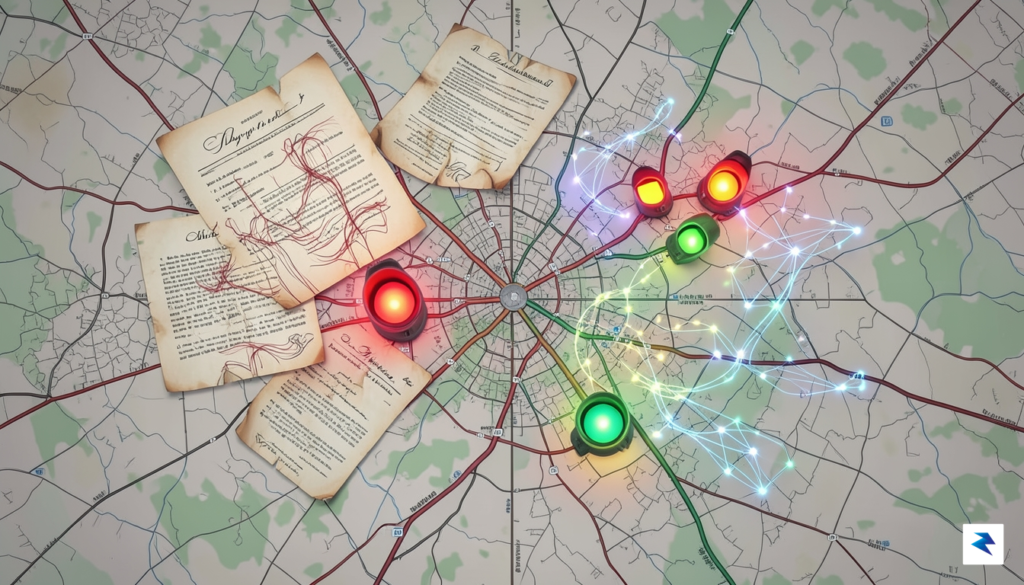
Deploying a vehicle that entirely lacks pedals and a steering wheel represents a radical departure from the long-standing automotive paradigm where a human is always the ultimate failsafe. As Tesla begins testing its Cybercab in Austin, the company is effectively forcing a collision between cutting-edge innovation and a regulatory framework that was originally written for human-operated machines. Under current National Highway Traffic Safety Administration (NHTSA) standards, vehicles are expected to meet specific Federal Motor Vehicle Safety Standards (FMVSS) that mandate physical interfaces like brake pedals and steering columns. To bypass these requirements, manufacturers must secure specific exemptions, a process that requires demonstrating that the autonomous system is at least as safe—if not safer—than a human driver, while simultaneously providing a robust plan for how the vehicle handles edge-case scenarios where software might falter.
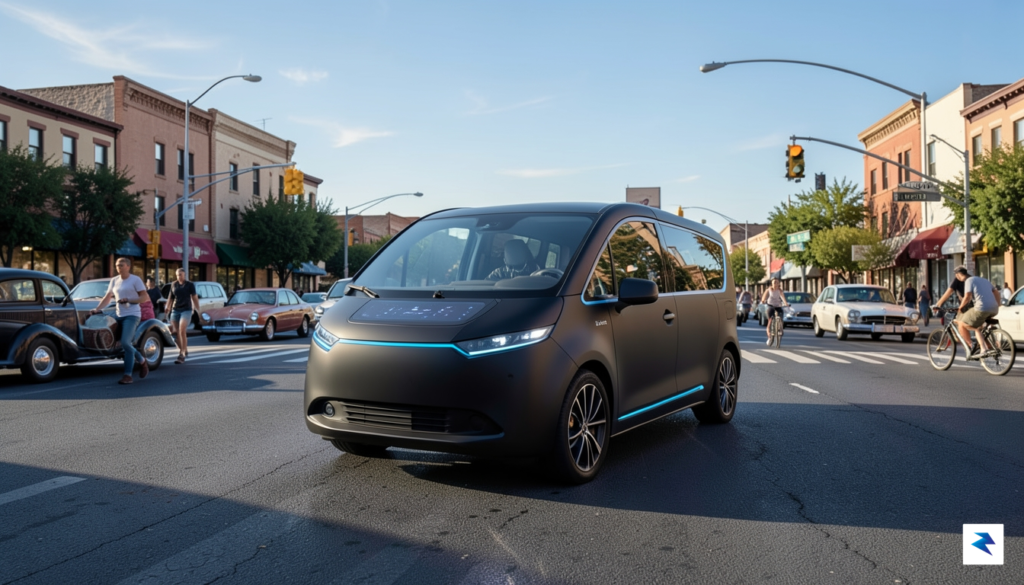
The engineering challenge of replacing physical overrides with digital redundancies is immense, but the legal hurdle is arguably even steeper. Without a human to intervene, the vehicle must rely on sophisticated remote monitoring systems that allow human operators to observe the car’s progress from a centralized command center. This introduces a complex web of liability and data privacy concerns; regulators must determine who bears the burden of responsibility when an automated system makes an error without a driver present to take charge. Furthermore, municipal transit policies in Texas are being put to the test, as local authorities must coordinate with state and federal agencies to ensure that these vehicles can coexist with traditional traffic, cyclists, and pedestrians without compromising public safety.
“The transition to a pedal-less future is not merely a software upgrade; it is a fundamental shift in how we define road safety and legal accountability.”
To obtain the necessary permits for public testing, Tesla must undergo an exhaustive vetting process that includes rigorous simulation data, closed-course testing, and incremental rollouts. Regulators are looking for proof that the Cybercab’s perception systems—cameras, sensors, and AI processing—can handle the unpredictability of human behavior, from jaywalking pedestrians to aggressive drivers in neighboring lanes. This creates a high-stakes environment where every mile logged in Austin serves as a critical piece of evidence. If the company can prove that their remote oversight and redundant software architectures provide a reliable safety net, it could pave the way for a new era of ride-sharing that prioritizes efficiency and accessibility over the traditional, manual control model. As this testing progresses, the industry will be watching closely to see if current laws can evolve fast enough to accommodate a vehicle that no longer requires a pilot.
How Austin Became the Proving Ground
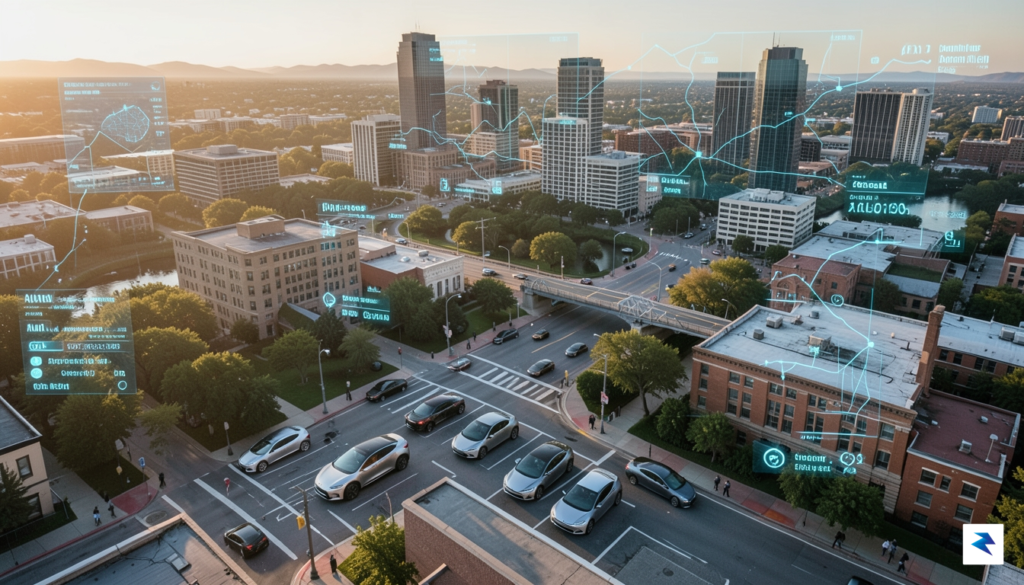
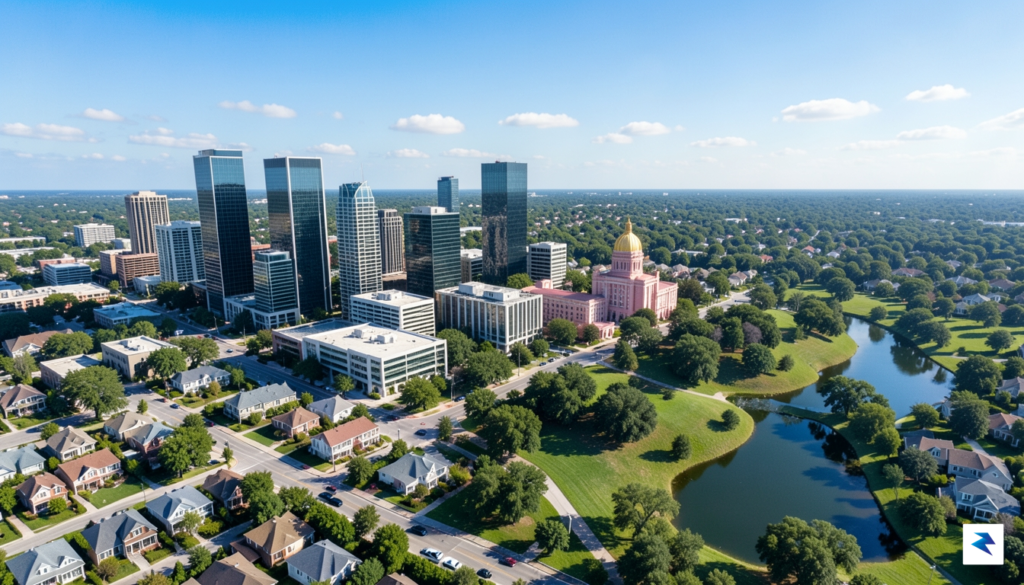
Austin’s emergence as a premier proving ground for autonomous vehicles is no mere coincidence; it represents a strategic convergence of environmental, technological, and regulatory factors that make it an ideal crucible for advanced testing. The city boasts an enviable climate, offering extended periods of clear, mild weather that significantly minimizes testing downtime and allows for consistent, year-round data collection—a critical advantage for refining complex AI algorithms. Beyond the predictable sunshine, Austin has solidified its reputation as a burgeoning tech hub, attracting a highly skilled workforce and fostering an ecosystem rich with innovation, further accelerating the development of cutting-edge self-driving technology within its urban landscape.
Crucially, Texas’s legislative landscape has historically adopted a forward-thinking, less restrictive approach to autonomous vehicle regulation, effectively creating a sandbox for innovation that some other states have been slower to embrace. This regulatory encouragement, combined with Austin’s distinctive urban planning, sets it apart from more traditionally gridded metropolises. Unlike the uniform street grids found in cities like New York or Chicago, Austin presents a more organic, sprawling layout, characterized by a dynamic mix of winding suburban roads, bustling downtown arteries, and rapidly evolving new developments. This varied infrastructure is invaluable for training AI to navigate a broad spectrum of real-world scenarios rather than a predictable, standardized environment.
The city’s rapid growth, while a boon for its economy, has concurrently created a complex and often unpredictable traffic environment that serves as an excellent stress test for autonomous systems. Navigating Austin’s notorious congestion on major thoroughfares like I-35 and Mopac, dealing with the unpredictable ebb and flow of university and downtown traffic, and safely interacting with a diverse population of pedestrians, cyclists, and scooter riders, provides an unparalleled learning opportunity. These everyday challenges, including sudden lane changes and the occasional aggressive driver, expose autonomous systems to the full gamut of human driving behaviors and urban complexities, pushing the AI to develop robust and reliable decision-making capabilities.
Furthermore, Austin’s climate, while generally favorable, also introduces specific environmental variables that are critical for comprehensive AI training. While abundant sunshine is common, the city is also prone to sudden, intense thunderstorms and even flash floods, which demand that autonomous vehicles can detect and safely react to extreme weather conditions, impaired visibility, and slick surfaces. The unique topography of the Texas Hill Country, with its varying elevations, sharp curves, and dense tree cover creating challenging shadow patterns, further enriches the testing environment. From narrow residential streets to multi-lane highways and constantly evolving construction zones, Austin’s infrastructure provides a rich, diverse, and perpetually changing canvas upon which AI can learn, adapt, and ultimately master the intricate complexities of autonomous operation.
The Broader Implications for the Robotaxi Industry
The commencement of testing for Tesla’s pedal-less, wheel-less Cybercab marks a pivotal inflection point that extends far beyond the company’s own product roadmap. By removing the manual controls that define traditional vehicle operation, Tesla is signaling a decisive move toward a purely utility-based transport model. If this pilot program successfully demonstrates safety and reliability, it threatens to fundamentally upend the existing ride-sharing duopoly held by companies like Uber and Lyft. These platforms currently rely on the gig economy—a model defined by human labor and the overhead of driver compensation. In contrast, a proprietary, Tesla-operated autonomous fleet could theoretically slash operational costs, allowing for a price-per-mile rate that human-driven services simply cannot match without incurring significant losses.
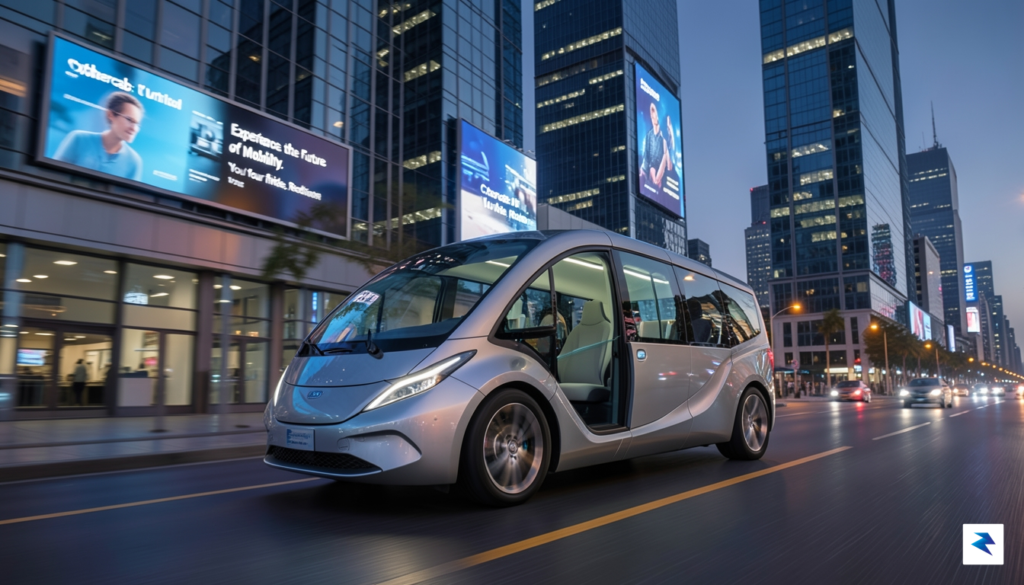
This shift also places immense pressure on established autonomous players like Waymo. While Waymo has already achieved significant milestones in public robotaxi deployment, Tesla’s approach leans heavily on a vertically integrated, mass-market manufacturing strategy. If Tesla manages to scale production of the Cybercab while maintaining its aggressive cost targets, the competitive landscape will likely pivot from service-based competition to a battle of infrastructure and fleet density. For the consumer, this transition represents a potential paradigm shift away from personal vehicle ownership. When a low-cost, on-demand autonomous vehicle is available at a moment’s notice, the financial burden of insurance, maintenance, and parking for private cars begins to look increasingly obsolete for urban dwellers.
The true disruption of the autonomous era will not be the technology itself, but the transition from car ownership as a status symbol to mobility as a low-cost, seamless utility.
Furthermore, the long-term economic scalability of this network hinges on Tesla’s ability to solve the “edge cases” of urban driving without human intervention. Current ride-hailing models are essentially brokerage services connecting passengers to independent contractors, but a Cybercab fleet functions as a closed-loop system where the software, hardware, and maintenance ecosystem are controlled by a single entity. This creates a high barrier to entry for competitors who lack a similar level of vertical integration. As the testing phase in Austin progresses, the industry will be watching closely to see if Tesla can translate its vision of high-volume, low-cost autonomy into a reliable network that operates with fewer disruptions than the human-driven alternatives that currently define the market.