Tesla’s Pedal-Less Cybercab: A New Era for Autonomous Ride-Sharing
The Evolution of the Cybercab: From Vision to Reality For nearly a decade, the promise of a dedicated, autonomous Tesla robotaxi has served as…


The cybersecurity landscape has undergone a seismic shift as artificial intelligence evolves from a productivity assistant into the primary engine for sophisticated, identity-based cyber warfare. For years, organizations operated under the assumption that a robust network perimeter—a digital fortress of firewalls and gateways—was sufficient to keep intruders at bay. However, as enterprises transition toward decentralized, cloud-native environments, these traditional perimeters have effectively dissolved. In this new era, the human identity itself has become the last remaining perimeter, and unfortunately, it is the one most easily compromised by intelligent, adaptive AI models.
Gone are the days when cybercriminals relied solely on blunt, automated scripts and static phishing templates. Today’s threat actors leverage generative AI to craft hyper-personalized attacks that are indistinguishable from legitimate communication. By training models on massive datasets of stolen credentials and behavioral patterns, attackers can now mimic the writing styles of executives, bypass biometric voice authentication, and generate deepfake video content that manipulates internal stakeholders into disclosing sensitive data. This transition from brute-force automation to intelligent, context-aware deception marks a dangerous inflection point in the history of enterprise security.

Identity has rapidly become the most valuable currency on the dark web, far outpacing the worth of raw credit card numbers or simple database dumps. Because a valid, authenticated identity provides the keys to the kingdom—granting access to internal systems, SaaS applications, and privileged cloud infrastructure—it is the ultimate prize for modern attackers. PwC’s recent warnings regarding the surge in AI-driven attacks serve as a critical wake-up call for CISOs who may still be relying on legacy identity verification methods. The reality is that if a system relies on static passwords or even standard multi-factor authentication, it is essentially defenseless against an AI-driven adversary capable of intercepting session tokens or social engineering human targets in real-time.
The core of the modern security challenge lies in the fact that AI-powered threats do not just attack systems; they impersonate the trusted individuals who operate them, turning the very fabric of organizational trust into an attack vector.
To combat this, security leaders must move beyond reactive measures and embrace a strategy rooted in identity-centric security. This approach requires continuous verification, where every interaction—whether human or machine—is scrutinized by AI-driven defense systems that can detect anomalies in behavior rather than just matching static credentials. As the barriers to entry for sophisticated cybercrime continue to lower, the gap between traditional security models and AI-enabled threats will only widen. Recognizing the gravity of this shift is not just a technical necessity; it is a fundamental requirement for business continuity in an increasingly hostile digital ecosystem.
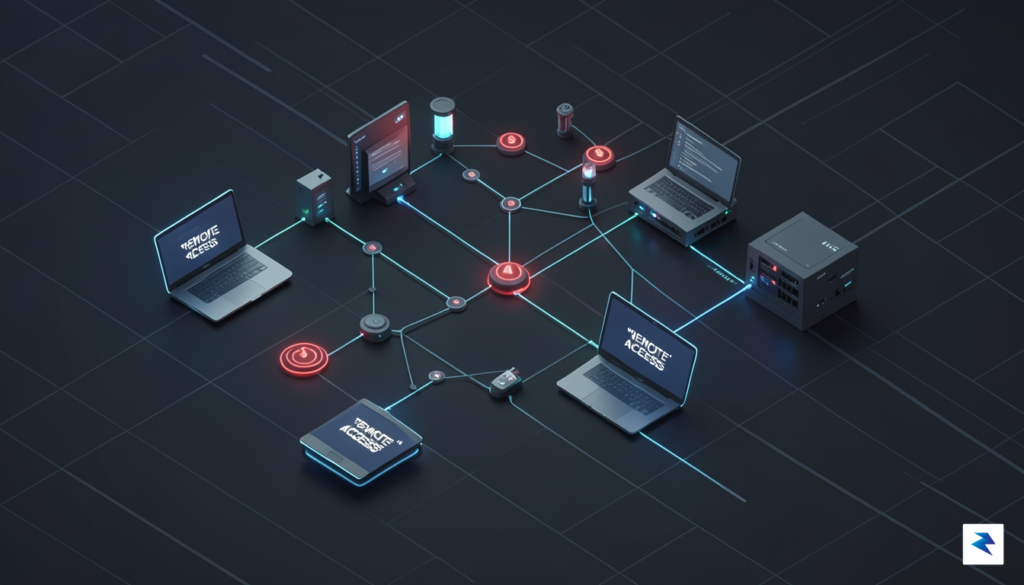
The rapid decentralization of the modern enterprise has fundamentally shifted the security paradigm. As organizations embrace the Internet of Things (IoT), remote workstations, and distributed edge gateways, they are inadvertently creating a massive, fragmented attack surface that is notoriously difficult to defend. Unlike centralized data centers, which benefit from high-level visibility and uniform security policies, edge devices often operate in relative isolation. This lack of centralized oversight makes them prime targets for AI-driven reconnaissance tools, which can autonomously scan and identify unpatched firmware or misconfigured protocols far faster than any human operator could detect.
The inherent fragility of these devices stems from a combination of legacy architecture and physical exposure. Many edge components rely on outdated firmware that is rarely—if ever—updated, leaving them susceptible to well-documented exploits that automated AI bots can leverage in seconds. Furthermore, because these devices are frequently deployed in remote or semi-public locations, they lack the physical security controls found in hardened server rooms. An attacker who gains physical or remote access to a single low-power sensor or gateway essentially secures a “beachhead” inside the perimeter, bypassing traditional firewalls that were designed to guard the front door while ignoring the millions of side windows now left open.
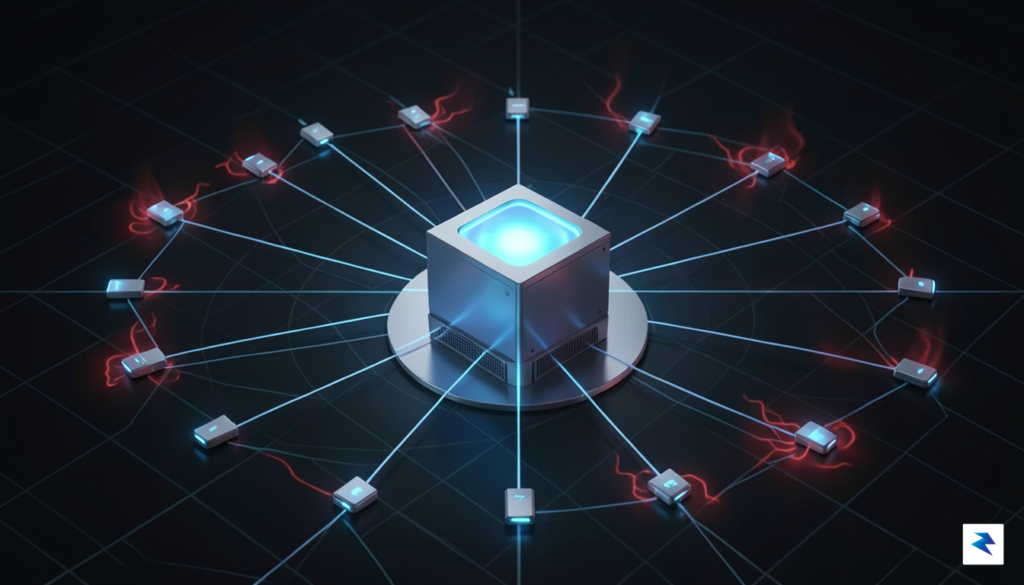
The “Edge-to-Core” vulnerability represents a critical blind spot in modern enterprise security, where the compromise of a peripheral device acts as a gateway for lateral movement into the sensitive, centralized corporate network.
Once a foothold is established, the risk escalates from a localized issue to a systemic threat through lateral movement. Attackers use these compromised edge devices as stealthy launchpads to probe the internal network, often masquerading as legitimate traffic to avoid triggering behavioral-based security alerts. Because these devices are already “trusted” components of the infrastructure, they can collect authentication tokens, harvest credentials, or serve as relays for man-in-the-middle attacks. This “Edge-to-Core” path is particularly dangerous because it allows malicious actors to slowly elevate their privileges, moving from an insecure IoT thermostat or remote router deep into the heart of the organization where the most valuable intellectual property resides.
Ultimately, the surge in AI-powered identity attacks means that static security perimeters are no longer sufficient to stop sophisticated adversaries. Attackers are now using machine learning models to map out these complex, edge-heavy architectures in real-time, identifying the weakest links with surgical precision. To mitigate this, organizations must shift toward a Zero Trust architecture, where no device—regardless of its role or location—is inherently trusted. Without a rigorous, automated strategy for patching, monitoring, and segmenting these edge assets, enterprises will remain perpetually vulnerable to the next wave of autonomous, identity-based incursions.
Modern cybercriminals are no longer relying on brute-force scripts that can be easily flagged by simple rate-limiting rules. Instead, they are deploying sophisticated AI models that automate credential stuffing at an unprecedented scale. By ingesting massive datasets of leaked credentials, these algorithms can predict which password combinations are most likely to work across various platforms, while simultaneously rotating through thousands of residential IP addresses to evade security filters. This mechanical precision allows attackers to bypass traditional lockout policies, as the AI learns to pause, mimic irregular login intervals, and avoid triggering the patterns that legacy threat detection systems use to identify malicious traffic.
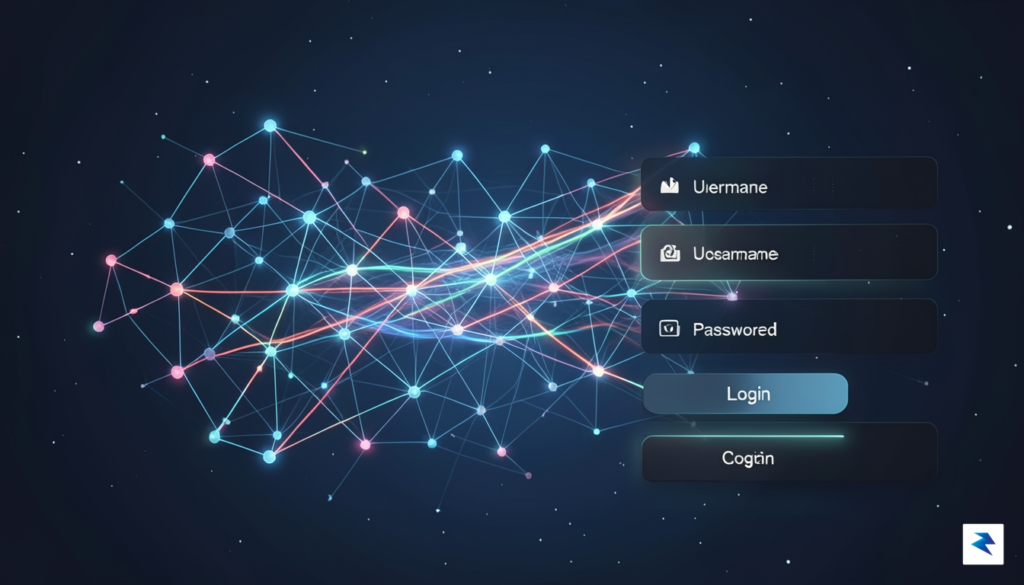
Beyond simple credential harvesting, AI is being weaponized to construct synthetic identities that appear entirely legitimate to automated verification systems. Attackers use generative adversarial networks (GANs) to create non-existent but highly convincing personas, complete with fabricated government-style documents, social media histories, and biometric data. These synthetic profiles are then used to bypass “Know Your Customer” (KYC) checks and multi-factor authentication (MFA) protocols that rely on identity verification. Because these identities are not stolen from real people but are built from scratch by an algorithm, they often lack the “flagged” history associated with compromised accounts, allowing them to infiltrate enterprise systems and remain dormant until the attacker decides to strike.
The true danger of AI in identity theft is its ability to learn and adapt in real-time, effectively turning the security protocols meant to protect us into weapons that validate the intruder.
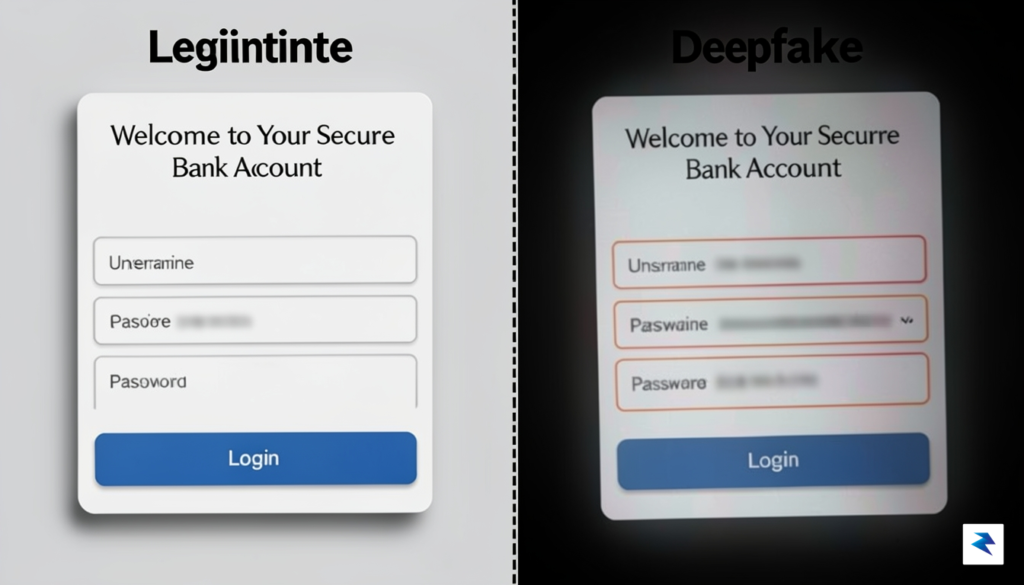
Perhaps the most alarming development is the use of real-time deepfake technology to conduct social engineering attacks. By leveraging large language models (LLMs) combined with voice and video synthesis, bad actors can mimic the likeness and speech patterns of executives or trusted IT administrators during live authentication challenges. When an employee receives a phone call from a “supervisor” whose voice and cadence are perfect, the human element of security becomes the weakest link. These AI-driven tools can bypass voice-based authentication systems and provide the necessary social context to convince an internal user to grant unauthorized access or reset an MFA token. Because these tools are constantly refined through machine learning, they quickly overcome the static, rule-based defenses that organizations have relied upon for decades, rendering traditional perimeter security increasingly obsolete in the face of such adaptive threats.

The modern enterprise operates on a foundation of digital trust, where the integrity of user identities serves as the primary gateway to critical assets. When AI-driven attacks—such as deepfake-enabled social engineering or automated credential stuffing—successfully bypass traditional perimeter defenses, the fallout extends far beyond the immediate technical breach. A compromised identity is not merely a single point of failure; it is a fundamental collapse of an organization’s security architecture. This breach of trust can lead to immediate operational paralysis, as businesses are forced to take systems offline to audit access logs, reset credentials, and investigate the scope of the intruder’s movement within the network.
Beyond the operational friction, the financial implications are increasingly severe. The regulatory landscape has shifted dramatically, with governing bodies adopting a much stricter stance on how corporations safeguard user credentials and personal data. Under frameworks like GDPR, CCPA, and emerging cybersecurity disclosure requirements, an identity breach often serves as the catalyst for massive regulatory fines and protracted legal scrutiny. Organizations are no longer evaluated solely on their technical preparedness, but on their demonstrable ability to implement robust identity governance. Consequently, the cost of a single identity-centric failure can now encompass legal fees, remediation expenses, and the long-term erosion of brand equity that is difficult to quantify but impossible to ignore.

Identity-centric security is no longer an isolated IT challenge; it has evolved into a critical board-level business risk that dictates the long-term viability and reputation of the modern enterprise.
Because these threats are now weaponized by artificial intelligence, the speed and scale of identity attacks have outpaced traditional manual defense mechanisms. This evolution forces a transition in how leadership views cybersecurity: it is no longer a cost center to be managed, but a strategic imperative that requires constant oversight. Boards of directors are now being held more accountable for the resilience of their identity infrastructure, as investors and stakeholders demand transparency regarding how the company protects its digital front door. By failing to prioritize identity-centric security, organizations risk not only direct financial loss but also a permanent fracture in the relationship with their customers—a loss of confidence that can be far more damaging than the initial breach itself.

To effectively counter the surge of sophisticated, AI-driven identity threats, organizations must move beyond the perimeter-based security models of the past. Relying on legacy protocols is no longer sufficient when adversaries utilize generative AI to craft hyper-realistic phishing emails and deepfake voice or video attacks. Instead, companies must adopt a Zero Trust architecture that operates on the core principle of “never trust, always verify.” This framework mandates that every access request, whether originating from inside or outside the corporate network, must be authenticated, authorized, and continuously validated before granting access to sensitive data or applications.

A cornerstone of this defensive shift is the transition to phishing-resistant Multi-Factor Authentication (MFA). Traditional methods, such as SMS-based codes or push notifications, are increasingly vulnerable to AI-powered interception and social engineering tactics. By implementing FIDO2 and WebAuthn standards, organizations can leverage hardware security keys or platform authenticators that utilize public-key cryptography. This effectively eliminates the risk of credential theft, as these methods are cryptographically bound to the legitimate service and cannot be easily spoofed by AI-generated phishing sites or man-in-the-middle attacks.
True resilience in the AI era is not defined by the strength of a single wall, but by the agility of a system that assumes compromise is inevitable and responds accordingly.
Beyond authentication, organizations must integrate User and Entity Behavior Analytics (UEBA) to detect the subtle anomalies that signal a compromised identity. AI-driven threats often attempt to mimic legitimate user behavior, but they rarely replicate the precise, nuanced patterns of human activity perfectly. UEBA solutions leverage machine learning to establish a baseline of “normal” behavior for every user and device, flagging deviations—such as unusual access times, atypical geolocation shifts, or mass data exfiltration—for immediate investigation. This proactive monitoring allows security teams to identify and neutralize a breach in real-time, often before the attacker can escalate their privileges or move laterally across the network.
While identity is the primary target, the physical and logical entry points to the network must also be hardened. Robust firmware management and automated patching are critical components of a comprehensive defense strategy, particularly for edge devices that often serve as the weakest link. Many AI-led attacks specifically hunt for unpatched vulnerabilities in routers, IoT devices, and remote access gateways to establish a persistent foothold. By automating the patch management cycle, security teams can ensure that known exploits are closed immediately, drastically reducing the available attack surface for automated reconnaissance scripts.
You must be logged in to post a comment.