The Science Behind the Humidity-Heat Index Spike
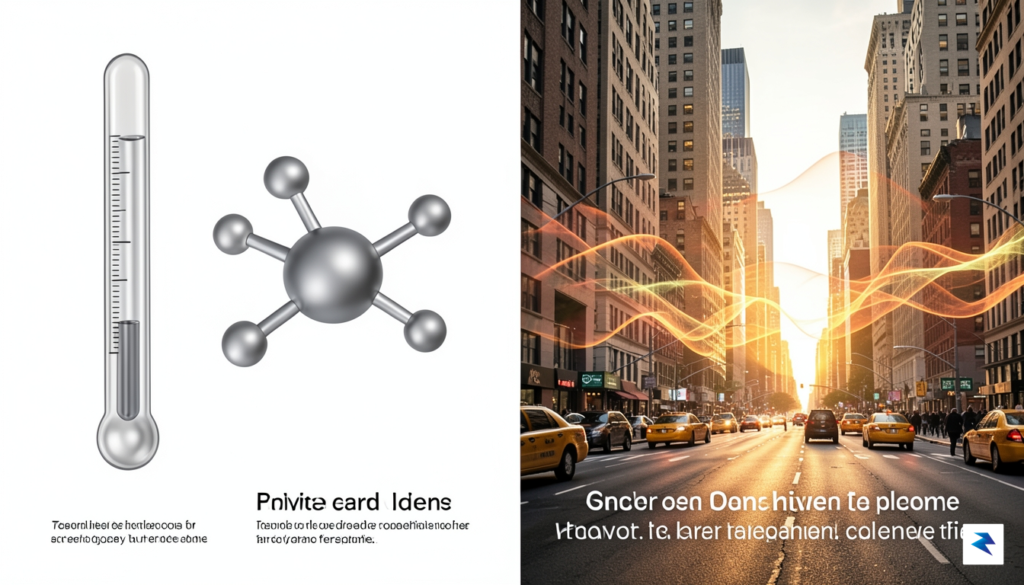
When meteorologists report that New York is experiencing temperatures in the high 90s, they are referring to the ambient air temperature—the raw heat measured by a thermometer shielded from direct sunlight. However, human biology does not exist in a vacuum, and our perception of heat is dictated by the heat index, a metric that accounts for both air temperature and relative humidity. While a thermometer might read 95 degrees, the heat index reflects how that temperature actually feels to the human body when the air is saturated with moisture. In the Northeast, we are currently seeing this index climb into the triple digits, effectively tricking our systems into believing the environment is far more hostile than the raw data suggests.
The primary reason this phenomenon is so dangerous lies in the mechanics of human thermoregulation. Under normal conditions, our bodies cool themselves through the evaporation of sweat from the skin’s surface. This process requires the surrounding air to be capable of absorbing that moisture; however, when humidity levels are excessively high, the air is already saturated with water vapor, leaving little room for our perspiration to evaporate. Consequently, sweat simply beads up and rolls off the skin without providing the necessary cooling effect. This forces the body to work significantly harder, shunting blood toward the skin’s surface in a desperate attempt to dump heat, which places immense strain on the cardiovascular system.
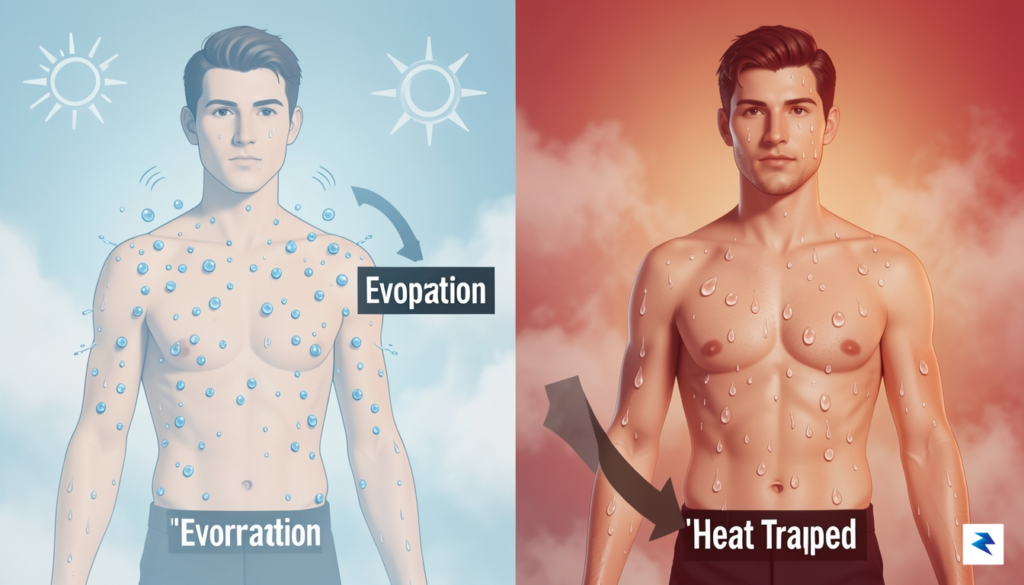
The current meteorological setup over the Northeast is creating a perfect storm for this moisture retention. A persistent high-pressure system—often referred to as a “heat dome”—is acting like a lid over the region, trapping stagnant air and preventing the typical sea breezes or cool fronts from flushing out the moisture. This air mass is being fueled by an influx of water vapor pushed inland from the Atlantic Ocean and the Gulf of Mexico, turning the urban landscape into a localized greenhouse. Unlike the dry, arid heat of Phoenix, where the low moisture content allows sweat to evaporate almost instantly—thereby providing a natural cooling mechanism—the New York atmosphere acts as a thermal blanket that prevents any relief, regardless of how much we hydrate or attempt to cool down.
The danger of humid heat is that the body loses its primary method of self-regulation. In Phoenix, the air is an ally to your sweat glands; in New York, the humidity is an adversary.
Ultimately, the danger in this comparison is that residents often underestimate the severity of 95 degrees with 80% humidity compared to 105 degrees in the desert. In the arid Southwest, the risk is often dehydration, but in a humid climate like New York, the risk is heatstroke. Because our cooling mechanism is compromised by the environment, our core temperatures can rise rapidly and silently. By understanding that the moisture in the air is actively preventing our bodies from maintaining a safe internal equilibrium, we can better appreciate why the current conditions are not merely uncomfortable, but a legitimate public health crisis that demands immediate caution.
Urban Heat Islands: Why New York City Traps Temperature
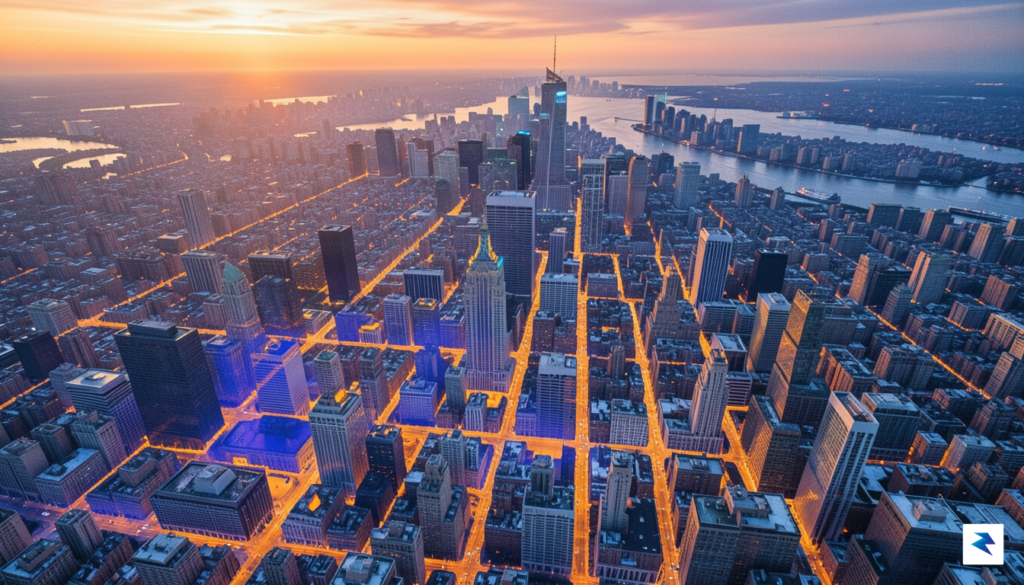
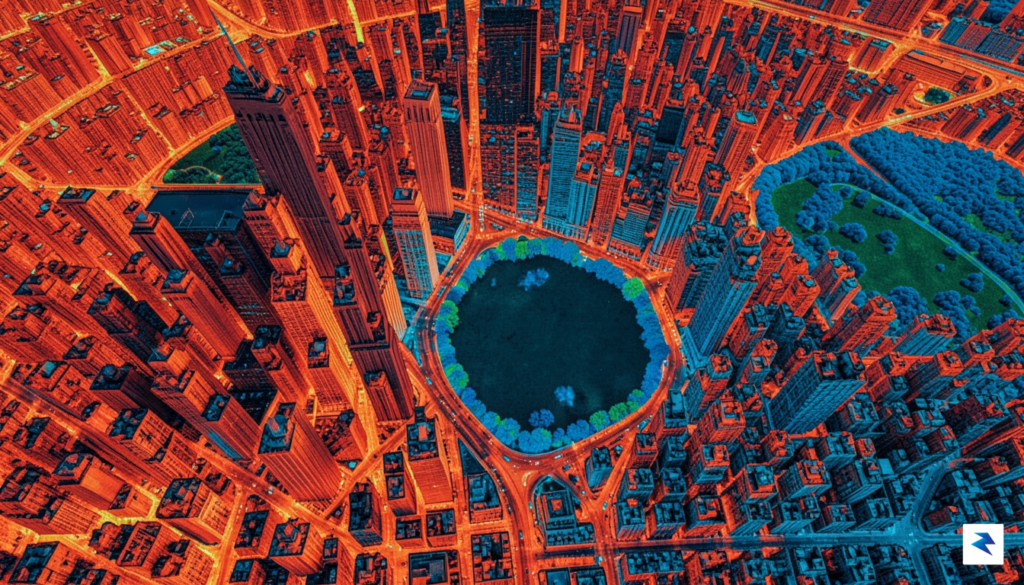
At its core, New York City functions as a colossal heat sink, a phenomenon urban planners identify as the Urban Heat Island (UHI) effect. Unlike rural areas where vegetation and soil naturally regulate surface temperatures through evapotranspiration, the five boroughs are dominated by materials that serve a very different purpose. The city’s ubiquitous infrastructure—dense clusters of steel, glass, concrete, and dark asphalt—acts as a massive thermal battery, relentlessly absorbing solar radiation throughout the daylight hours. While a forest canopy might reflect sunlight and provide cooling shade, the gray-and-black palette of the urban landscape does the exact opposite, trapping heat within the very structures that form our daily environment.
The danger is compounded by the physical geometry of the city itself. Narrow streets lined with towering skyscrapers create “urban canyons” that not only block cooling breezes but also trap heat near the ground level. As the sun sets and the sky clears, the materials that spent the entire day baking in the sun begin to release that stored thermal energy back into the surrounding air. Consequently, the city does not experience the natural reprieve of a cool evening; instead, the concrete walls and dark pavement continue to radiate heat long after midnight. This prevents the urban atmosphere from shedding the day’s thermal load, creating a persistent, stifling environment that keeps the city trapped in a cycle of unnatural warmth.
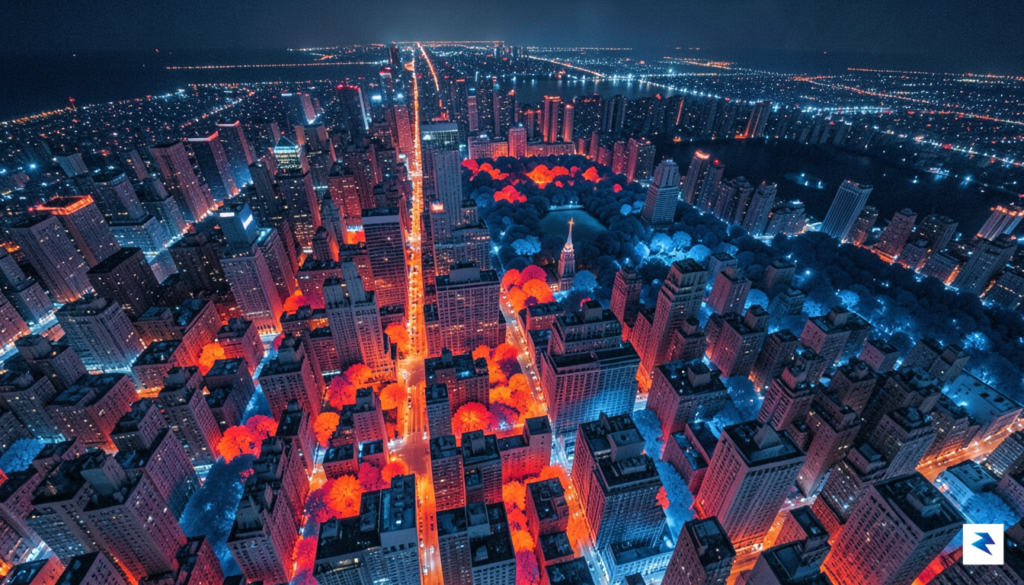
This thermal retention is significantly exacerbated by a lack of natural cooling mechanisms, specifically in the city’s most densely populated neighborhoods. In areas where the canopy cover is minimal and green space is a luxury, there is little to no vegetation to offer relief. Trees are not merely aesthetic additions; they are vital pieces of infrastructure that provide shade and release moisture into the air, effectively acting as natural air conditioners. Without this biological cooling, the heat island effect intensifies, leaving residents in neighborhoods with high building density to endure ambient temperatures that can be several degrees higher than in the greener outskirts of the metropolitan area.
The most dangerous aspect of the urban heat island is not the midday peak, but the failure of temperatures to drop overnight, depriving the human body of the vital recovery period needed to survive extreme heat.
The health implications of this phenomenon are becoming increasingly dire as heat waves become more frequent and prolonged. When nighttime temperatures remain elevated, the human body is denied the physiological rest required to recover from the stress of daytime heat exposure. For vulnerable populations, including the elderly and those without access to reliable air conditioning, this creates a compounding health crisis. Without the ability to cool down during the night, the risk of heat-related illness and cardiovascular strain escalates dramatically, turning the city’s own architecture into a silent, persistent threat to public health.
Health Risks and How to Stay Protected in Extreme Conditions
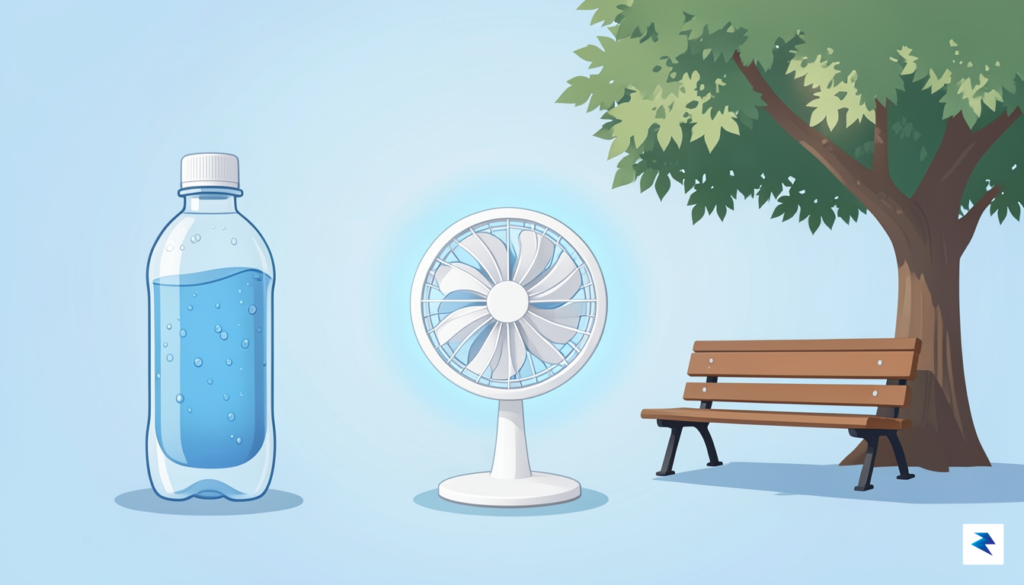
When temperatures climb to levels typically reserved for the desert Southwest, the human body undergoes significant physiological stress. High humidity, a staple of the New York summer, drastically impairs the body’s primary cooling mechanism: sweat evaporation. As the air becomes saturated with moisture, sweat clings to the skin rather than evaporating, causing your internal core temperature to rise rapidly. Recognizing the early warning signs of heat-related illness is critical for survival. Heat exhaustion often manifests as heavy sweating, rapid pulse, dizziness, fatigue, and muscle cramps. If these symptoms are ignored, the condition can escalate into heat stroke—a life-threatening medical emergency characterized by a high body temperature, confusion, loss of consciousness, and a complete cessation of sweating. If you or someone around you shows signs of heat stroke, call emergency services immediately, as delay can lead to permanent organ damage or fatality.
Proactive Strategies for Indoor and Outdoor Safety
Managing your immediate environment is the first line of defense against record-breaking temperatures. During the hottest parts of the day—typically between 10:00 a.m. and 4:00 p.m.—keep your shades, blinds, or curtains drawn to block out direct solar radiation, which acts as a greenhouse heater for your home. If you lack central air conditioning, utilize cross-ventilation during the cooler early morning hours, but seal your windows tight once the outside air becomes hotter than the air inside. Fans can provide relief, but remember that they move air rather than cooling it; they are most effective when placed near an open window at night to draw in cooler air or when used in conjunction with a damp cloth or misting to facilitate evaporative cooling.
Hydration is not just about volume; it is about balance. Drinking excessive amounts of plain water without replenishing electrolytes can lead to hyponatremia, a dangerous condition where sodium levels in your blood become critically diluted.
To maintain proper electrolyte balance, incorporate mineral-rich snacks or sports drinks that provide sodium, potassium, and magnesium, especially if you are sweating profusely. Avoid caffeine and alcohol, as both act as diuretics and can accelerate dehydration. Beyond personal habits, we must extend our care to the wider community. New York City provides a network of cooling centers, such as libraries and community centers, which are essential for those without climate control at home. Check on your neighbors, particularly the elderly or those with underlying health conditions, who may be less sensitive to the physiological onset of heat stress. A simple knock on the door or a quick phone call can ensure that vulnerable individuals are not trapped in a dangerous, overheating environment, turning a potential tragedy into a manageable situation through collective vigilance.
Long-Term Climate Trends and Future Urban Resilience
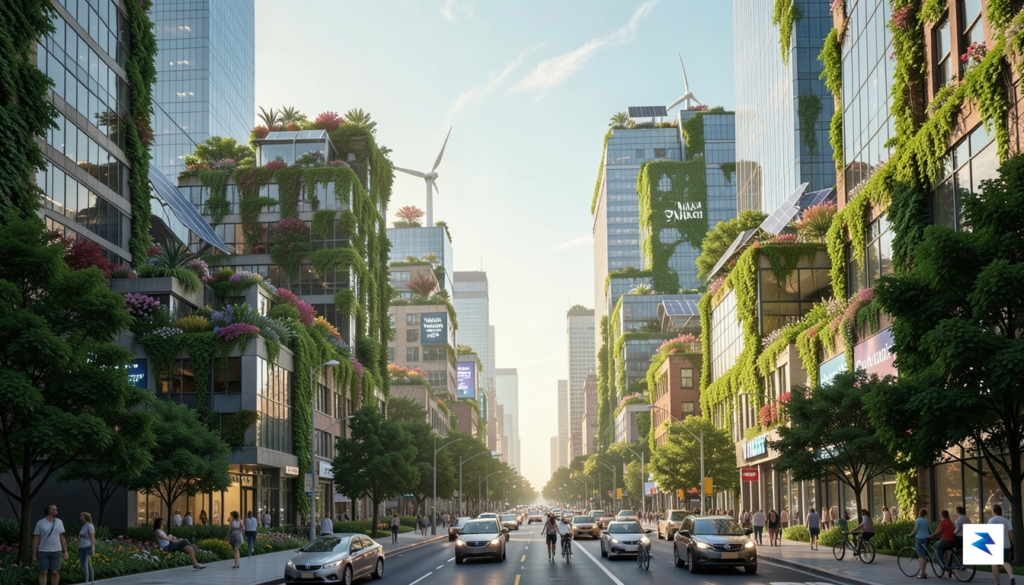
The current surge in record-breaking temperatures across the Northeast is not merely a transient weather anomaly; it is a clear manifestation of a rapidly shifting climate. Over the last decade, meteorological data has shown a consistent trend toward more frequent, intense, and prolonged heat waves in the New York metropolitan area. These events are no longer isolated surprises but are becoming a seasonal fixture, exacerbated by the urban heat island effect, where dense concentrations of asphalt, concrete, and steel absorb and radiate solar energy long after the sun sets. As these baseline temperatures continue to creep upward, the city is finding itself in a position where the humidity—often the silent partner in New York’s heat—transforms a standard summer day into a dangerous environmental hazard that rivals the arid climates of the Southwest.
To combat this “new normal,” urban planners are aggressively pivoting toward infrastructure solutions that prioritize cooling. Initiatives such as the widespread installation of “cool roofs”—highly reflective coatings that bounce sunlight back into the atmosphere—are being paired with ambitious tree canopy expansion programs. By increasing vegetation, the city creates natural cooling centers that reduce surface temperatures through shade and evapotranspiration. Furthermore, the implementation of permeable pavements is being explored to manage not just the intense rainfall often associated with changing weather patterns, but also to reduce the heat-retaining capacity of the city’s massive ground surface area. These physical interventions are essential, yet they must be integrated into a broader strategy that rethinks how the city holds heat.
“The challenge of the coming decade is not just surviving the heat, but redesigning the urban fabric to resist it, ensuring that our streets and homes serve as refuges rather than radiators.”
Beyond physical infrastructure, the resilience of the energy grid remains a critical bottleneck. As air conditioning demand spikes during these extreme events, the strain on local power substations increases, creating a precarious situation where a grid failure could coincide with the peak of a heat wave. Modernizing the grid to handle these surges through decentralized energy storage and smarter demand-response systems is essential for preventing rolling blackouts. Ultimately, fostering a resilient city requires a dual approach: individual actions, such as energy conservation and participation in community cooling programs, must be synchronized with robust public policy. By aligning legislative mandates for green building standards with grassroots efforts to protect vulnerable populations, New York can begin to mitigate the most severe impacts of a warming world.