
Oil Prices and Diplomacy: Understanding the Impact of Iran-U.S. Talks
The Geopolitical Nexus: How Diplomacy Impacts Global Energy Markets Global energy markets operate as a sensitive barometer for the state of…
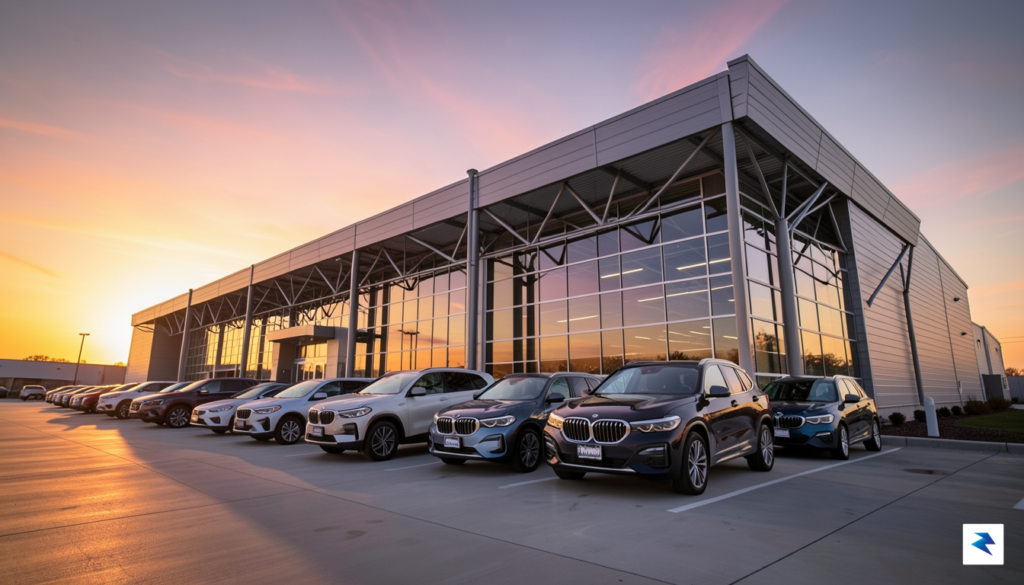
In a bold move that defies the prevailing narrative of caution currently sweeping the automotive industry, BMW has solidified its long-term vision by announcing a dedicated production line for a new electric SUV at its sprawling Spartanburg, South Carolina, manufacturing hub. While several global competitors are actively hitting the brakes on their electrification timelines due to fluctuating demand and profitability concerns, BMW is choosing to lean into its domestic footprint. This strategic expansion is not merely a reaction to short-term market trends; rather, it is a calculated bet on the long-term transformation of the American automotive landscape. By integrating advanced EV assembly directly into the heart of its largest global factory, BMW is signaling that it views the United States not just as a consumer market, but as a primary engine for its technological future.
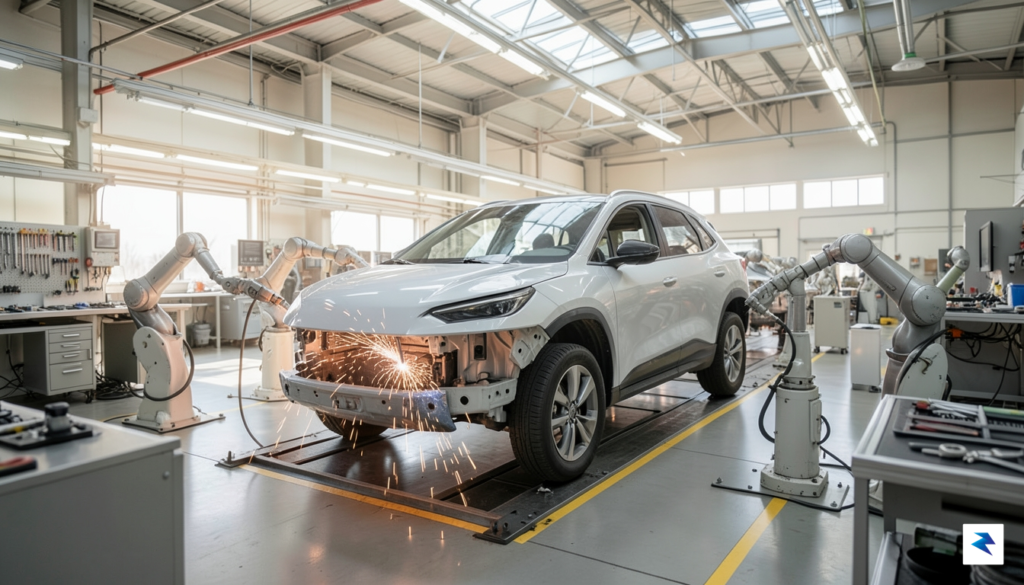
The decision to expand domestic production offers a crucial buffer against the volatility of international logistics and global supply chain disruptions. By manufacturing these sophisticated electric vehicles on American soil, BMW effectively shortens the distance between the factory floor and the end consumer, mitigating the risks associated with overseas shipping and geopolitical uncertainty. This move also aligns with the evolving regulatory environment in the U.S., where local production is increasingly tied to consumer tax incentives and infrastructure development. Consequently, the company is positioning itself to be more agile in responding to the specific preferences of American drivers, who continue to show a strong appetite for high-performance, premium electric SUVs.
The expansion of the Spartanburg plant represents more than just industrial growth; it is a foundational commitment to the stability of the North American electric vehicle supply chain and a direct response to the rising demand for localized, sustainable mobility solutions.
Furthermore, this commitment highlights a fundamental difference in BMW’s fiscal strategy compared to rivals who are currently reeling from the high costs of EV development. While others may be scaling back due to immediate quarterly losses, BMW is leveraging its proven manufacturing expertise to optimize production efficiencies and drive down costs over time. By investing heavily in the infrastructure of South Carolina today, the company is ensuring that it will be well-prepared to capture market share as the transition to electrification inevitably accelerates. This forward-looking approach effectively transforms potential market headwinds into a competitive advantage, proving that BMW intends to lead the luxury electric segment through persistence and strategic scale rather than reactionary retreats.
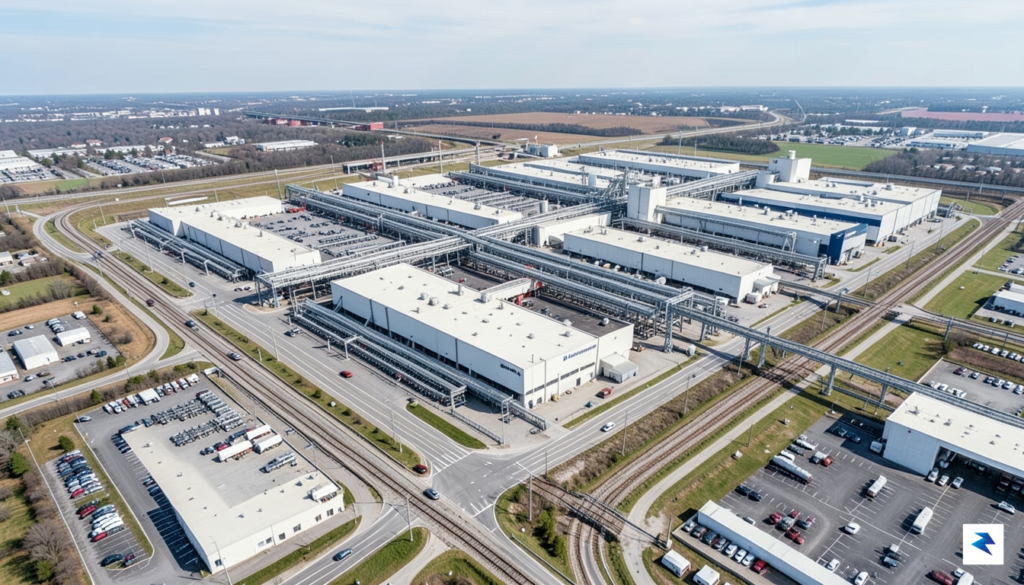
Since its inauguration in 1994, the BMW manufacturing facility in Spartanburg, South Carolina, has evolved from a fledgling satellite plant into the undisputed crown jewel of the automaker’s global production network. For decades, this site has served as the primary assembly hub for the company’s extensive lineup of X-model Sports Activity Vehicles, exporting thousands of premium automobiles to markets across the globe. By consistently maintaining high-volume throughput and rigorous quality standards, Spartanburg has proven that American manufacturing can compete on the world stage, effectively cementing its role as the backbone of BMW’s international strategy.
The decision to anchor the next generation of electric vehicle production in South Carolina is not merely a geographic convenience; it is a calculated response to the unique logistical and labor advantages inherent to the region. The Spartanburg site benefits from a mature, highly skilled workforce that has spent years refining the complex assembly techniques required for luxury platforms. Furthermore, the proximity to a robust logistics chain—including access to major interstate corridors and the Port of Charleston—allows BMW to streamline the movement of finished vehicles and incoming components. This infrastructure creates a self-sustaining ecosystem that is difficult to replicate elsewhere, making it the ideal laboratory for the brand’s most ambitious technological pivot.
Transitioning from the internal combustion engine to high-voltage electric propulsion requires a fundamental reimagining of the traditional factory floor. To facilitate this shift, BMW has embarked on an extensive, multi-year infrastructure overhaul at the Spartanburg site, focusing on the integration of advanced battery assembly lines and specialized robotic systems. These upgrades are not limited to the assembly line itself; they extend to the implementation of sophisticated software and safety protocols necessary for handling high-voltage energy storage systems. By retrofitting existing production lines while simultaneously constructing new specialized modules, the company is ensuring that the facility remains agile enough to produce both traditional and electric models in parallel during this critical transition period.
The evolution of the Spartanburg plant represents a strategic shift where localized production meets global innovation, ensuring that BMW remains a leader in the competitive EV landscape for the decades to come.
Ultimately, the investment in South Carolina signifies more than just a change in drivetrain technology; it is a profound commitment to the future of automotive engineering in North America. By centralizing the assembly of its electric SUV fleet in Spartanburg, BMW is effectively de-risking its supply chain and shortening the distance between raw components and the final showroom floor. As the automotive industry navigates the turbulent waters of electrification, the Spartanburg facility stands as a testament to the idea that heritage and innovation can coexist, providing a stable foundation for the company’s transition into a cleaner, electrified future.
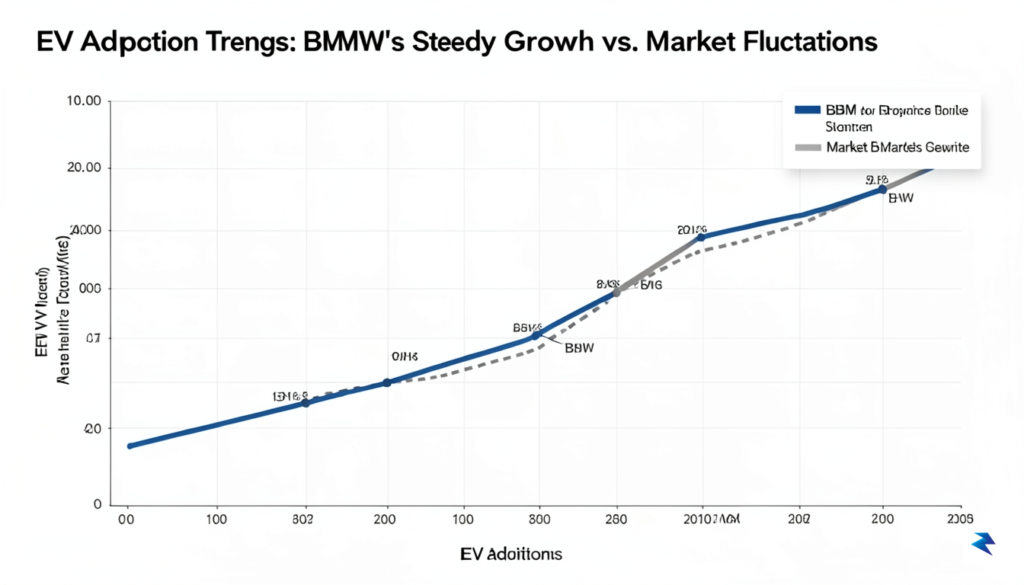
The global automotive landscape is currently caught in a complex state of flux, characterized by cooling consumer demand and a notable deceleration in the rapid adoption rates that defined the previous few years. While several major manufacturers have opted to scale back their electrification targets or delay ambitious infrastructure projects in response to these fiscal pressures, BMW has chosen a decidedly different path. By pressing forward with the construction of a dedicated electric vehicle production facility in South Carolina, the company is signaling that it views the current market volatility not as a permanent retreat, but as a temporary, necessary phase of industry maturation. This strategic divergence suggests that BMW is prioritizing long-term structural positioning over the immediate, often reactionary, pressures of quarterly financial reporting.
It is impossible to ignore the stark contrast between BMW’s bold expansion and the significant financial losses reported by many of its competitors, who have struggled to balance the high capital expenditures of EV production with sluggish retail demand. While others are grappling with narrowing margins and the high cost of battery supply chain integration, BMW has leveraged its existing manufacturing expertise to streamline its transition. By integrating electric models directly into its highly flexible Spartanburg plant ecosystem, the company effectively mitigates some of the financial risks that have sidelined less agile rivals. This balanced approach—investing heavily in the future while maintaining the stability of its internal combustion and hybrid product lines—allows BMW to navigate macroeconomic headwinds without compromising its broader electrification timeline.
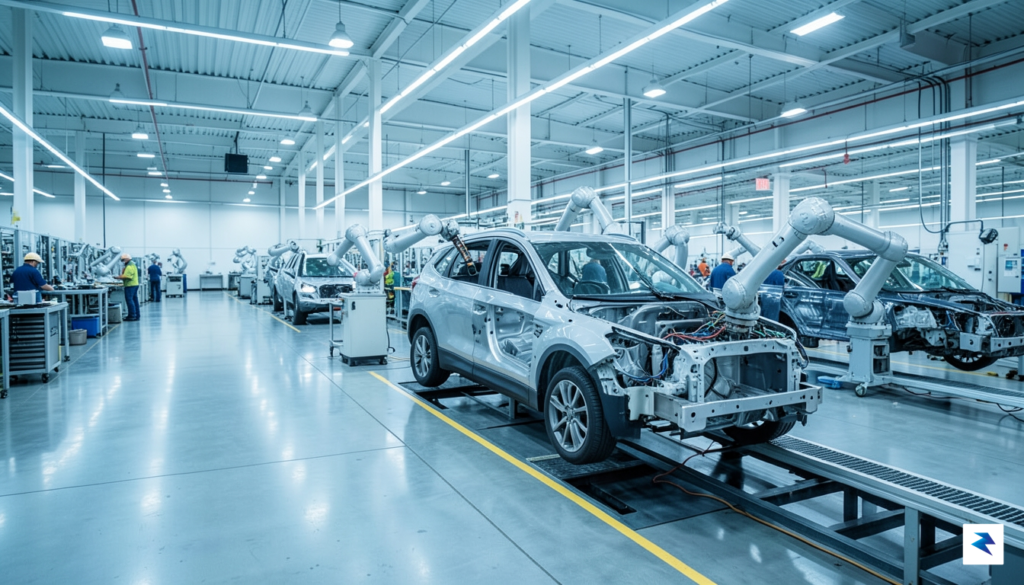
Ultimately, the decision to double down on domestic production in the United States reflects a calculated assessment of the risk-versus-reward dynamic in the current economic climate. Acknowledging that the transition to electric mobility will be non-linear, BMW is banking on the idea that the infrastructure and supply chain networks built today will become the primary competitive advantages of tomorrow. Rather than retreating in the face of uncertainty, the company appears to be betting that consumer demand will eventually stabilize and align with the regulatory mandates shifting toward cleaner energy. This long-term foresight demonstrates a commitment to sustainable growth, ensuring that when the market inevitably swings back toward higher EV adoption, the brand will be fully equipped to lead the charge rather than playing catch-up.
BMW’s strategy is a testament to the belief that the future of mobility is not defined by short-term market fluctuations, but by the persistent, structural shift toward electrification that requires unwavering investment today.
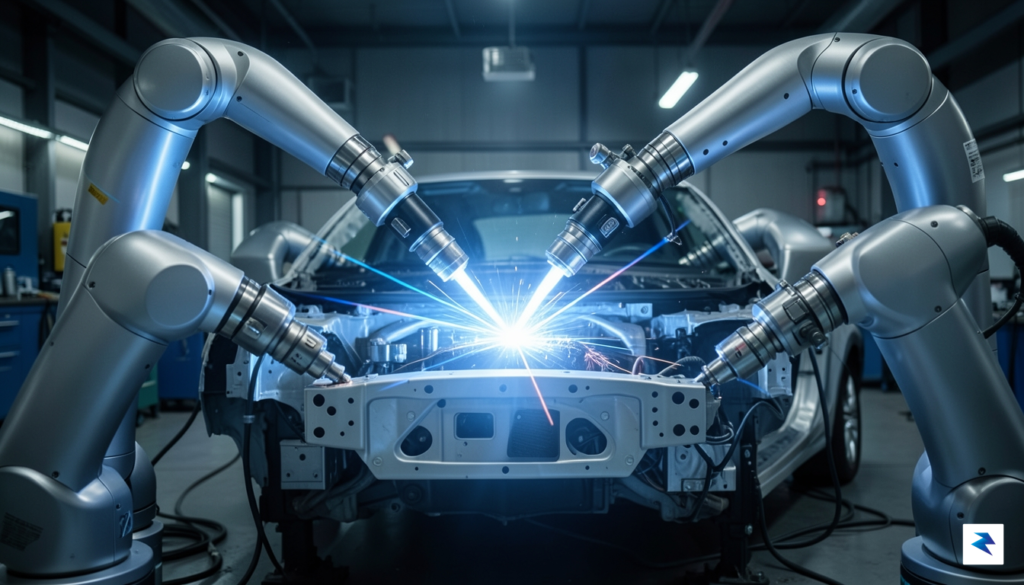
Transitioning a legendary manufacturing powerhouse like the Spartanburg facility into a dedicated hub for next-generation electric vehicles requires far more than simply replacing combustion engines with electric motors on the assembly line. It represents a fundamental technological overhaul that touches every facet of production, from the initial stamping of metal to the final software verification. To achieve this, BMW is weaving artificial intelligence into the very fabric of the factory floor. By deploying predictive analytics and machine learning algorithms, the plant can now monitor thousands of assembly variables in real-time, identifying potential bottlenecks or quality deviations before they ever impact the final vehicle. This AI-driven oversight ensures that as the complexity of electric vehicle architecture increases, the precision of the manufacturing process keeps pace.
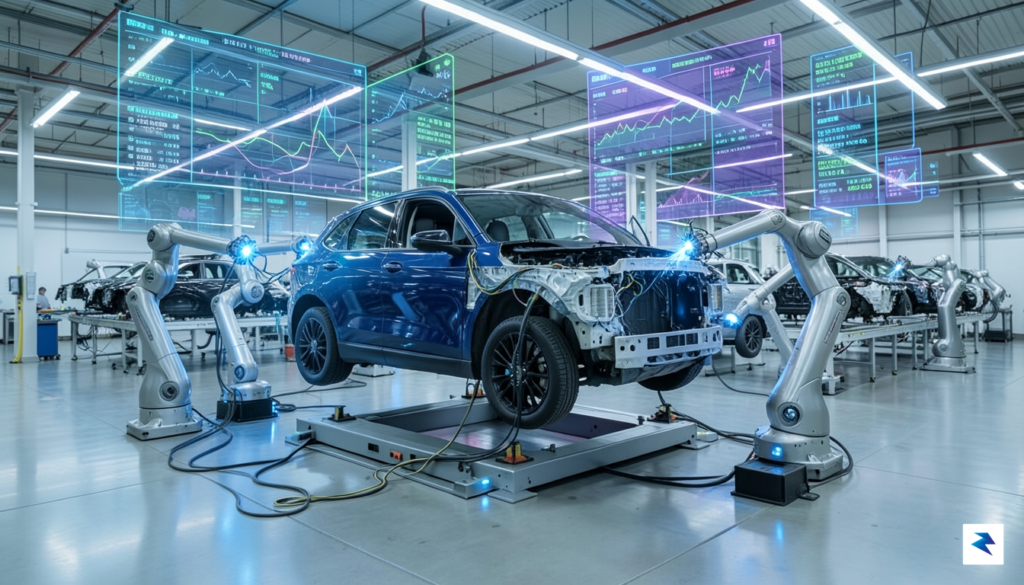
Central to this evolution is the industry-wide shift toward highly flexible, modular EV platforms. Unlike traditional vehicle frames, which were often purpose-built for specific engine types, these new modular architectures allow BMW to streamline the assembly of diverse models on a single line. By standardizing the chassis core while maintaining the ability to rapidly integrate different battery capacities and electric powertrain configurations, the plant gains unprecedented agility. This modular approach not only reduces production lead times but also allows the facility to adapt quickly to future battery chemistry breakthroughs or shifts in consumer demand without requiring a complete factory teardown.
While robotics and AI provide the mechanical backbone of the facility, the human element remains the most critical component of this technological leap. The complexity of high-voltage battery assembly and the intricate wiring of software-defined vehicles demand a level of expertise that traditional automotive training simply cannot provide. Consequently, BMW has invested heavily in an extensive upskilling program for the Spartanburg workforce. Employees are undergoing rigorous certification processes that cover everything from safe high-voltage handling to the nuances of onboard diagnostic software integration.
The transition to electric mobility is not just an engineering challenge; it is a commitment to evolving the skills of the people who make these vehicles possible, ensuring that every technician is as comfortable with a laptop as they are with a torque wrench.
This commitment to training ensures that the plant is not merely prepared for the EVs of today, but is actively future-proofed for the digital vehicles of tomorrow. By merging advanced automation with a highly skilled, tech-literate workforce, BMW is setting a new benchmark for how legacy production facilities can successfully navigate the complicated transition to a zero-emissions future. This synthesis of hardware and software expertise creates a resilient production ecosystem, positioning the South Carolina plant as a global leader in the sustainable automotive landscape.

The decision to expand electric vehicle production in South Carolina represents far more than a simple shift in factory output; it serves as a massive economic catalyst for the entire Southeast. By pouring billions of dollars into high-voltage battery assembly and state-of-the-art vehicle manufacturing, BMW is effectively anchoring a sprawling network of suppliers and secondary industries that will fuel regional growth for decades. This investment creates a ripple effect, fostering thousands of high-skilled jobs that demand specialized expertise in robotics, software engineering, and sustainable energy management. As local workers transition from traditional internal combustion production to advanced EV manufacturing, the regional labor force becomes increasingly resilient and globally competitive.
Beyond the immediate job creation, this commitment forces a paradigm shift among regional supply chain partners. Small and medium-sized manufacturers across the state are now incentivized to pivot toward the needs of an electrified future, investing in the proprietary components and raw materials required for battery-powered platforms. This evolution helps secure the region’s status as a critical node in the global automotive landscape, ensuring that South Carolina remains a primary destination for future industrial innovation. Consequently, the local economy becomes less dependent on legacy automotive technology, positioning itself as a leader in the inevitable transition toward clean transportation.
The long-term success of this electrification strategy hinges on the symbiotic relationship between BMW’s manufacturing prowess and the local supply chain’s ability to scale high-tech production at a rapid pace.
From a competitive standpoint, this move is a strategic necessity to maintain parity with aggressive rivals like Tesla and Mercedes-Benz. By localizing the production of its newest electric SUVs, BMW successfully mitigates the logistical challenges and costs associated with trans-oceanic shipping, while simultaneously navigating the complex regulatory landscape of the American market. This localization is a direct response to the intensifying pressure to capture market share from domestic EV pioneers. By embedding its supply chain deep within the U.S. economy, BMW effectively shields itself from global trade volatility and ensures a more consistent flow of inventory to meet the growing consumer appetite for premium electric vehicles.
Ultimately, this industrial expansion serves as a bellwether for the future of the American EV market. As legacy automakers continue to integrate electrification into their core operations, the United States is rapidly transforming from a passive consumer of foreign electric technology into a primary manufacturing hub. BMW’s presence in South Carolina proves that the transition to electric mobility is not merely an environmental trend, but a fundamental restructuring of the global automotive economy. By betting on the American workforce to build the next generation of premium electric SUVs, the company is ensuring its relevance in a market that demands both luxury and cutting-edge, sustainable engineering.
You must be logged in to post a comment.