
Proton’s Lumo 2.0: A Major Leap for Privacy-Focused AI
The Evolution of Privacy-Centric AI The rapid integration of generative AI into our daily digital workflows has fundamentally altered how we…
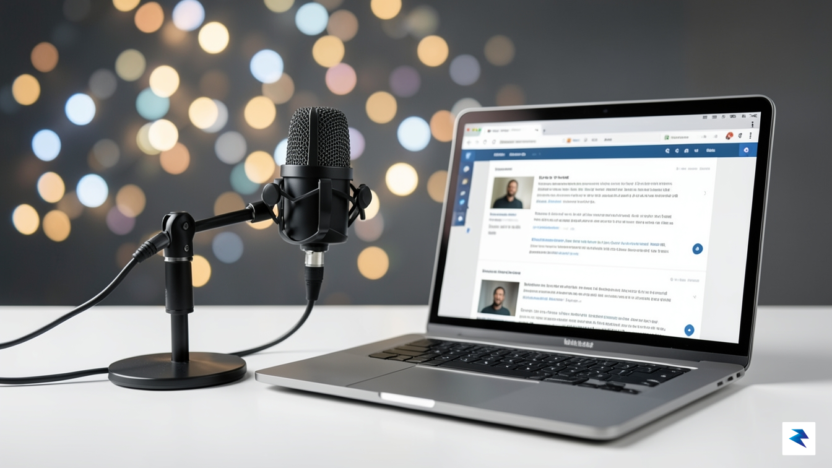
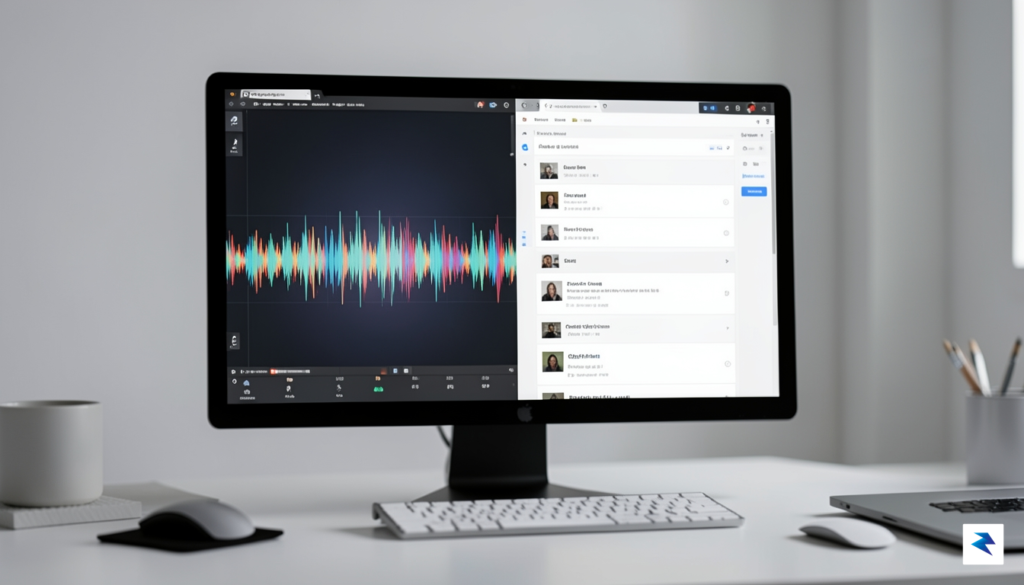
For years, Riverside carved out its reputation as the gold standard for high-fidelity remote recording, serving as the go-to studio for podcasters and video creators who demanded professional-grade audio and video quality. By prioritizing local recording technology, the platform effectively solved the common frustrations of choppy internet connections and compressed audio files. However, in an increasingly crowded creator economy, even the best recording software is no longer sufficient on its own. The modern creator is expected to be a multi-hyphenate, managing presence across social media, video platforms, and written channels simultaneously, which has pushed Riverside to evolve from a specialized recording tool into an expansive, all-in-one ecosystem.
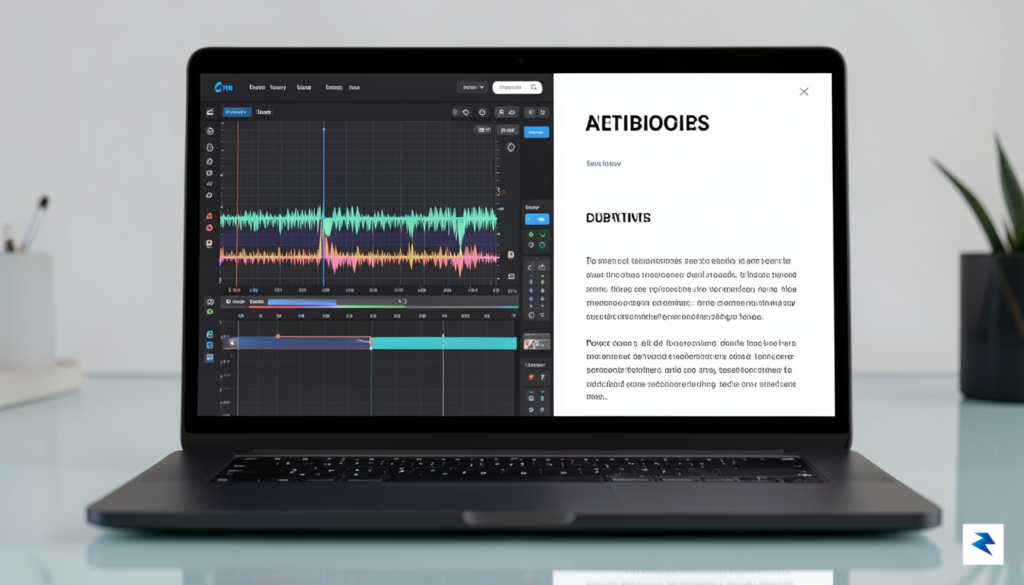
The strategic shift toward integrating newsletter publishing marks a profound pivot in how the platform views the lifecycle of a creator’s work. By embedding the ability to generate written content directly into the workflow, Riverside is essentially dismantling the silos that have traditionally separated spoken-word media from long-form writing. This evolution is a direct response to the industry-wide trend of “content repurposing,” where creators are no longer content with simply hitting “publish” on a single audio file. Instead, they are looking for ways to maximize the mileage of every conversation, and by facilitating the transition from script to screen to inbox, the platform is effectively becoming the central nervous system for a creator’s entire content strategy.
The true value of a creator’s archive lies in its portability; by transforming audio insights into readable newsletters, creators can meet their audience wherever they prefer to consume information—whether that is through their headphones or their inbox.
This expansion into the newsletter space is a calculated move designed to drive deeper audience retention and cross-platform synergy. Podcasting is inherently ephemeral, often relying on algorithmic discoverability that can be difficult to control. In contrast, newsletters offer a direct line of communication between the creator and the community, bypassing volatile social media algorithms and fostering a loyal subscriber base. When a creator uses a single tool to record a podcast and then immediately leverages that same content to craft a newsletter, they create a cohesive narrative thread that keeps followers engaged throughout the week. Ultimately, this move transforms the platform into an indispensable command center, ensuring that creators spend less time juggling disconnected software and more time focused on the creative work that actually builds their brand.

The transformation from spoken word to written content begins the moment you hit the stop button on your recording. Riverside’s new AI engine immediately initiates a high-fidelity transcription process, converting your audio and video files into precise, searchable text. By leveraging advanced speech-to-text technology, the platform captures not just the words spoken, but the nuances and context of the conversation, ensuring that no critical insight is lost during the conversion process. This initial step serves as the foundation for the entire workflow, eliminating the need for third-party transcription services or tedious manual note-taking.
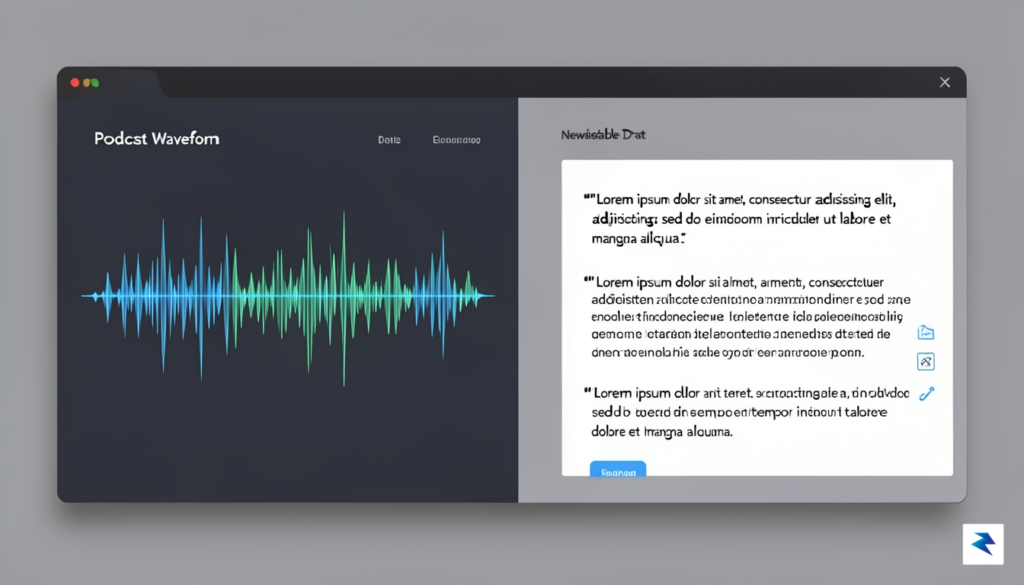
Once the transcript is generated, the platform’s Large Language Models (LLMs) take over to bridge the gap between raw data and polished prose. Rather than simply summarizing the text into a generic list of bullet points, these models are designed to synthesize the material into a structured, engaging newsletter format that retains the unique personality of the creator. By analyzing your recording’s specific tone, tempo, and vocabulary, the AI crafts a draft that feels like a natural extension of your voice. You can provide specific prompts to the model, allowing it to emphasize certain takeaways, structure arguments, or adopt a more casual or authoritative tone depending on your audience’s preferences.
The true power of this integration lies in its ability to understand context; it doesn’t just paraphrase the transcript, it intelligently reformats the narrative to suit the reading habits of a newsletter subscriber.
For creators who may not have a background in technical publishing or copywriting, the interface is designed to be intuitive and accessible. Users are presented with a clean, drag-and-drop editor where they can refine the AI-generated draft before it ever hits the inbox. You have full control over the layout, enabling you to insert images, adjust headers, or modify specific paragraphs to better align with your brand identity. This streamlined approach significantly reduces the friction typically associated with post-production content creation, allowing you to repurpose your podcast episodes into written assets in a matter of minutes rather than hours.
By automating the heavy lifting of drafting and formatting, Riverside allows creators to focus on their primary strength—engaging their audience—while maintaining a consistent multi-channel presence. The integration essentially acts as an automated editor, ensuring that your long-form recordings are consistently transformed into high-value written content that is optimized for reader retention. This cohesive workflow ensures that your subscriber base stays informed and connected, even when they don’t have the time to listen to a full-length episode, ultimately maximizing the reach and impact of every recording session.

The modern creator is often trapped in a relentless cycle of content production, where the demand for consistency across diverse platforms feels like a full-time job without a break. Podcasters, in particular, face a unique hurdle: they invest hours into high-quality audio production, only to find that their reach is restricted to those who have the time to sit and listen. This creates a significant content gap, where valuable insights, expert interviews, and nuanced discussions are buried within long-form audio files that search engines cannot easily index or catalog. When creators attempt to bridge this gap manually, the workload often becomes unsustainable, leading to burnout and fragmented messaging across social channels.
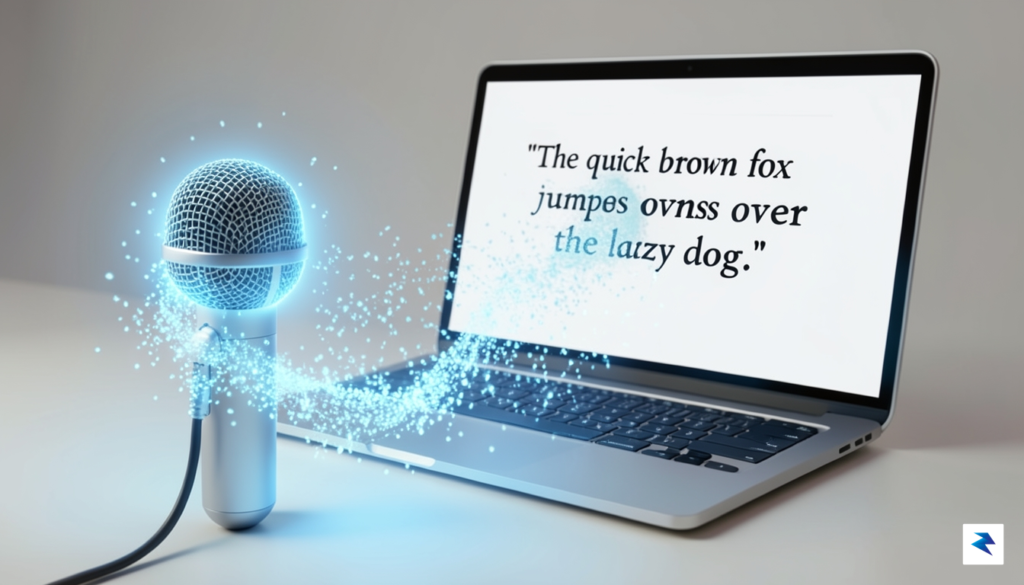
By leveraging integrated tools to automatically transcribe and synthesize audio into newsletters, podcasters can effectively double their output without doubling their labor. This transition from audio to written format is not merely about convenience; it is a strategic move to capture audiences who prefer to scan, read, or digest information during moments when listening is not an option. Furthermore, written content provides a substantial boost to search engine optimization (SEO). While audio files are notoriously difficult for search algorithms to parse, text-based articles and newsletters are easily indexed. By converting your podcast episodes into structured, readable content, you turn every episode into a searchable asset that continues to drive traffic to your platform long after the initial release date.
The most successful creators are those who treat a single recording session as the foundation for a multi-channel ecosystem, rather than a standalone product.
To implement this effectively, creators should adopt a framework that prioritizes accessibility and reader loyalty. Start by identifying the most compelling takeaways from your audio recording—the “golden nuggets” that provide the most value to your audience. When these insights are formatted into an engaging newsletter, you provide your subscribers with a curated experience that encourages deeper engagement. This process fosters a sense of intimacy and authority, as readers can revisit your points at their own pace, highlight key sections, and share your ideas through text-based social media platforms. By aligning your audio strategy with written deliverables, you build a more robust digital footprint that respects the time of your audience while significantly expanding your discoverability across the web.
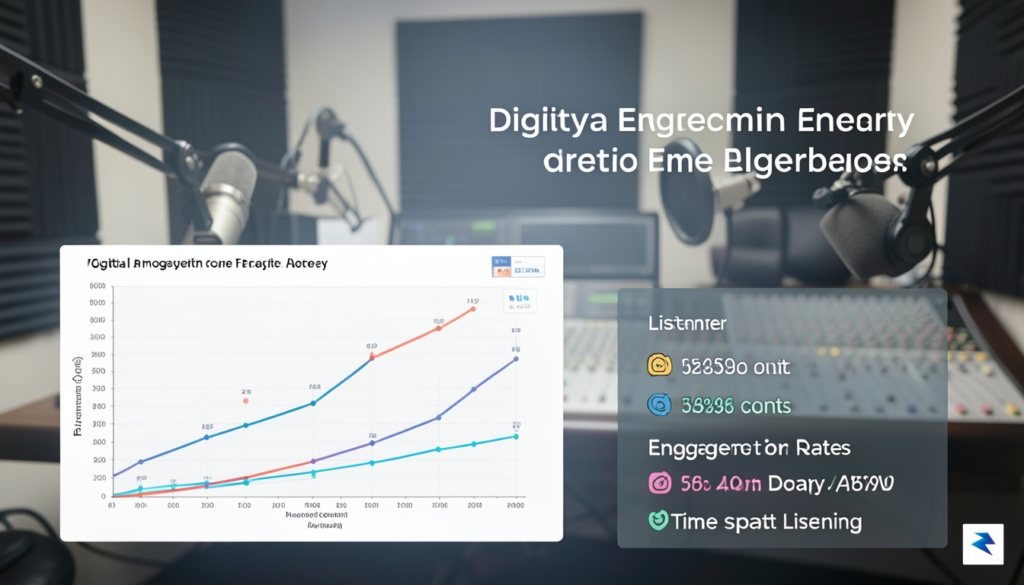
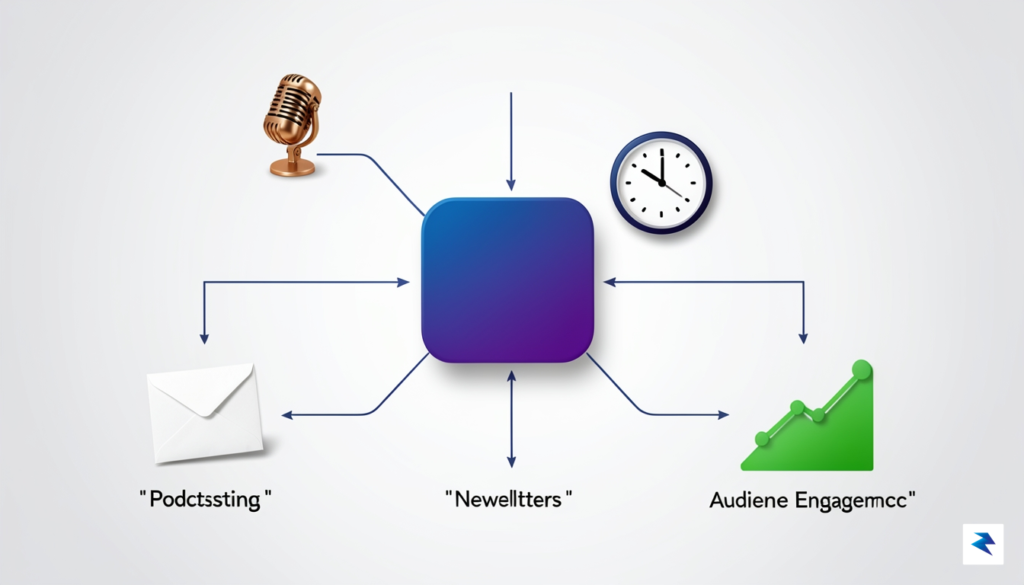
For the independent podcaster, time is not just money; it’s the very currency of creation and growth. Juggling recording, editing, sound design, and promotion already demands an immense commitment, often leaving little bandwidth for ancillary, yet critical, tasks. The new integration within the Riverside platform directly addresses this bottleneck by fundamentally streamlining the process of newsletter creation. Instead of navigating between disparate tools—one for audio production, another for email list management, and yet another for content generation—creators can now orchestrate their entire content lifecycle from a single, familiar dashboard. This consolidation dramatically reduces context-switching, eliminates redundant manual work, and frees up precious hours that can be reinvested into crafting even more compelling audio content or engaging directly with their community.
Beyond mere convenience, this unified approach empowers podcasters to truly own their audience relationship, a critical asset in today’s platform-dominated digital landscape. Relying solely on algorithm-driven discovery or social media feeds leaves creators vulnerable to shifting policies and unpredictable reach. An email list, however, provides a direct, unmediated channel to one’s most dedicated listeners, ensuring that important announcements, new episode alerts, or exclusive content always land directly in their inbox. This direct line of communication fosters a deeper connection, builds trust, and cultivates a loyal community that is less susceptible to the whims of external platforms. By simplifying the capture and engagement of these vital email subscribers, Riverside helps creators build a resilient foundation for their brand.
“In an increasingly algorithm-driven world, owning your direct relationship with your audience through an email list isn’t just a best practice; it’s an essential safeguard for long-term independence and growth.”
Furthermore, the ability to effortlessly transform podcast episodes into engaging newsletters significantly bolsters audience retention and opens new avenues for monetization. A well-crafted newsletter can serve as a powerful companion to the audio experience, providing detailed show notes, behind-the-scenes insights, or follow-up resources that enrich the listener’s journey. This consistent, multi-format engagement keeps the podcast top-of-mind, encouraging regular tune-ins and converting casual listeners into devoted fans. Moreover, with a directly owned email list, podcasters gain unparalleled control over their monetization strategy, whether it’s promoting premium content, securing targeted sponsorships, selling merchandise, or even soliciting direct listener support—all without the need for additional staff or the overhead of managing multiple, costly third-party software subscriptions.
Ultimately, this integration facilitates a potent “content flywheel” effect, maximizing the impact of every single piece of content produced. A single podcast recording now automatically generates not only an audio file but also a ready-to-publish textual summary or article for a newsletter. This written content then serves to promote the original audio, driving traffic back to the podcast and potentially attracting new listeners who prefer reading or discover content via different channels. This continuous loop—audio leading to text, text leading back to audio and new engagement—creates a self-reinforcing system where each component amplifies the others. The result is a stronger, more pervasive brand presence and increased audience engagement, all stemming from the initial creative effort, effectively turning one piece of content into a multi-faceted marketing and engagement tool.
The strategic expansion of Riverside into the newsletter space marks a significant pivot in the digital media landscape, signaling the dawn of the “creator operating system” era. For years, creators were forced to juggle a fragmented stack of tools—using one platform to record high-fidelity audio, another to edit video, and a third to distribute written newsletters to their subscribers. By collapsing these functions into a single ecosystem, Riverside is challenging the traditional boundaries of specialized software. This shift puts them in direct competition with giants like Substack, which has long dominated the written word, and Descript, which has pushed the boundaries of AI-driven media editing. The competition is no longer just about who has the best feature set, but about who can offer the most seamless, end-to-end workflow for a busy creator.
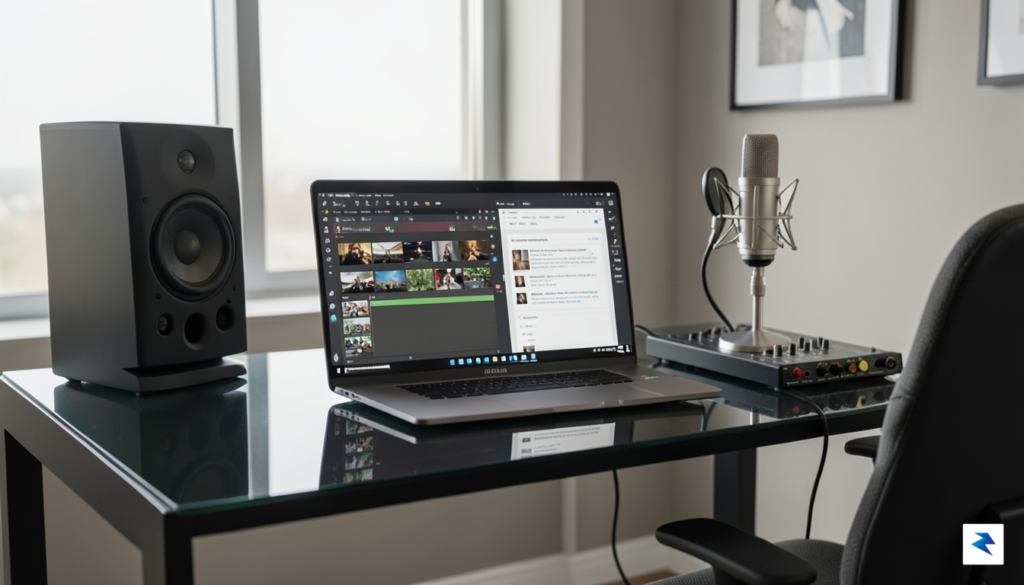
As these platforms integrate advanced artificial intelligence, the technical barrier to entry for producing professional-grade content is rapidly evaporating. We are moving toward a future where a single creative vision can be deployed across multiple mediums with minimal friction. For instance, an AI-powered suite can now transcribe a podcast, summarize the core arguments into a formatted newsletter, and generate social media snippets simultaneously. This capability transforms the role of the creator from a manual laborer—who must edit, format, and distribute content piece by piece—into an editor-in-chief who curates and refines automated output. Consequently, the focus of the industry is shifting away from technical proficiency and toward high-level strategy and storytelling.
The consolidation of content tools is fundamentally changing the creator economy: efficiency is no longer just a perk, it is the primary competitive advantage.
Looking ahead, we can expect to see a wave of platform consolidation as companies scramble to own the entire lifecycle of a creator’s output. Platforms that remain siloed—focusing exclusively on one medium—risk becoming legacy tools in an environment that demands cross-platform agility. This consolidation will likely lead to more robust monetization models, as creators will have a unified view of their audience engagement across audio, video, and text. Ultimately, this integration empowers creators to build deeper, more resilient relationships with their communities. By reducing the logistical burden of multi-channel publishing, these platforms are effectively democratizing the ability for individuals to launch and sustain full-scale media businesses without needing an expansive production team.
You must be logged in to post a comment.