
How Satellite Imagery Is Mapping Earthquake Destruction in Venezuela
The Critical Role of Satellite Imagery in Disaster Response In the immediate aftermath of a seismic event, every second functions as a…
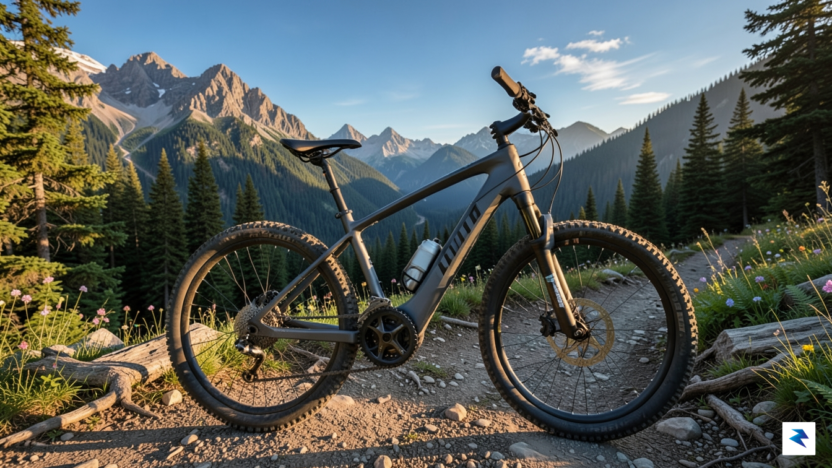
For over a century, the derailleur has reigned supreme as the primary mechanism for shifting gears on bicycles. While this external system is a marvel of mechanical simplicity, it was never truly designed to withstand the immense torque generated by modern high-performance e-bike motors. Exposed to the elements, mud, grit, and the occasional trail-side rock, the derailleur is inherently fragile and requires constant tuning to maintain crisp shifting. When you combine this vulnerability with the raw power of a mid-drive motor—which constantly pulls on the chain under tension—the result is accelerated wear, frequent chain drops, and a maintenance cycle that often feels like a constant battle against mechanical degradation.
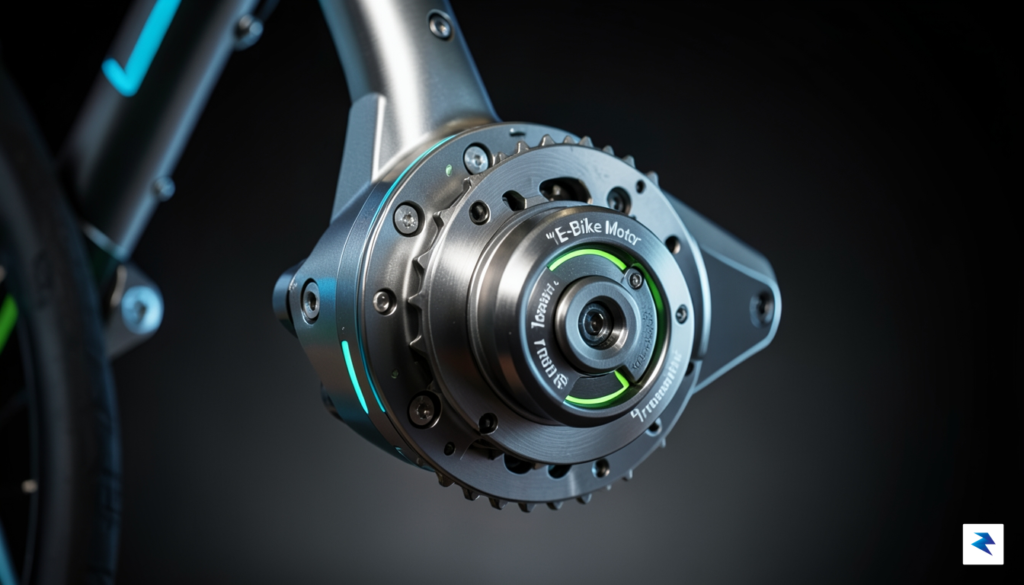
Enter the Motor Gearbox Unit (MGU), a technological leap that effectively retires the traditional derailleur in the world of high-end e-mobility. By consolidating the electric motor and the transmission into a single, sealed, and cohesive housing mounted at the crank, the MGU eliminates the need for external cogs and delicate shifting hardware. This architecture moves the entire drivetrain inside a protected environment, shielded from the external contaminants that typically wreak havoc on traditional gear systems. Because the gear changes now occur internally within the unit, the chain remains perfectly aligned, drastically reducing friction and the frequency of mechanical failure.
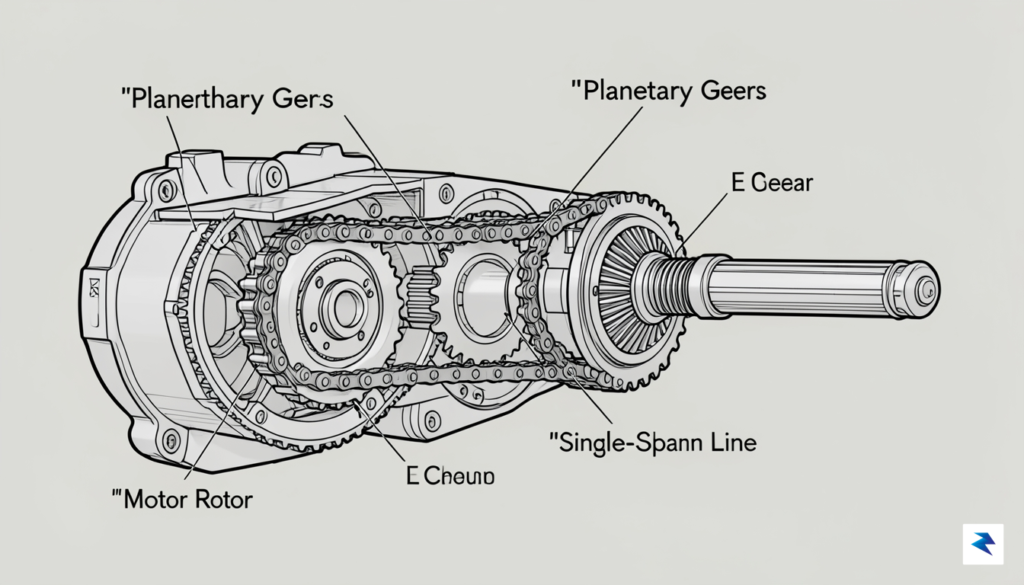
This paradigm shift offers more than just durability; it fundamentally changes how a rider interacts with their machine. With an MGU, shifting becomes instantaneous and can even occur while the bike is stationary, a feat impossible for any derailleur-based system. Because the motor and gearbox communicate in real-time, the system can momentarily synchronize torque delivery during a shift, resulting in seamless, butter-smooth transitions under any load. This level of integrated gear management effectively turns the bike into a smart, self-contained propulsion system rather than a collection of disparate parts.
The integration of the gearbox into the motor housing isn’t just an upgrade; it is the final evolution of the bicycle drivetrain, prioritizing reliability and intelligence over the exposed, high-maintenance mechanics of the past.
Ultimately, the move toward MGU technology signifies a transition from reactive maintenance to proactive performance. By stripping away the external moving parts that have plagued cyclists for decades, engineers have created a platform that is quieter, more efficient, and significantly more robust. For the daily commuter or the aggressive mountain biker, this means spending less time in the workshop and more time enjoying a refined, consistent ride that remains unaffected by the harsh realities of the trail or the city street.
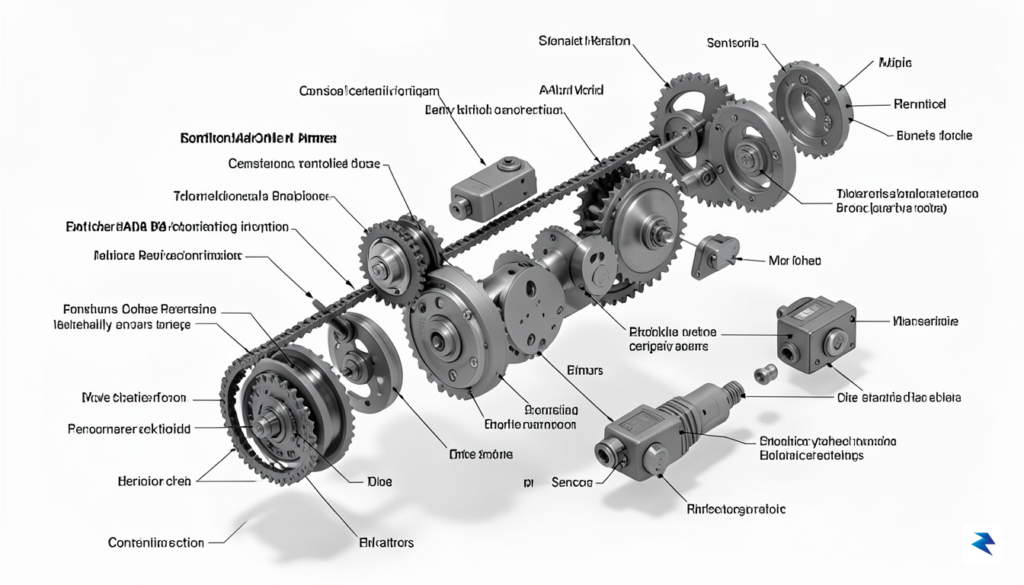
At the core of this technological evolution is the electronic Continuously Variable Transmission (eCVT), a sophisticated system that fundamentally reimagines how power is transferred from the motor to the rear wheel. Unlike traditional derailleurs, which force the chain onto distinct, fixed-size cogs to change gearing, an eCVT system operates without discrete “steps.” Instead, it utilizes a planetary gearset or a variator mechanism that allows for an infinite range of gear ratios within its operating parameters. By removing the physical limitations of fixed teeth and metal links, the system creates a fluid, uninterrupted flow of power that adapts to the terrain rather than forcing the rider to adapt to the bike’s mechanical constraints.
The magic of this system lies in its ability to keep the electric motor spinning within its “sweet spot”—the precise RPM range where it achieves maximum efficiency and torque. In a standard drivetrain, the motor often struggles when a rider is between gears, forcing it to work harder than necessary or draw excessive current from the battery. With an eCVT, the transmission micro-adjusts the ratio in real-time, ensuring that the motor maintains its optimal cadence regardless of the rider’s speed or the steepness of the climb. This constant optimization not only extends the overall range of the battery but also significantly reduces the mechanical wear and tear that typically occurs during the grinding, high-torque shifts common on traditional mountain bikes.
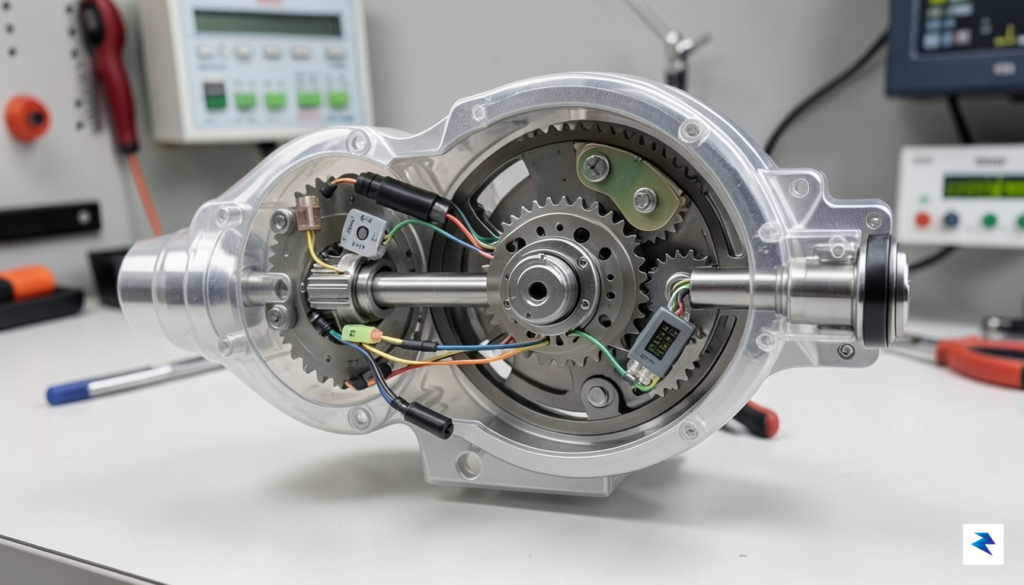
To achieve this level of precision, the system relies on an intricate network of high-speed electronic sensors that monitor cadence, torque input, and wheel speed hundreds of times per second. As the rider pedals, these sensors analyze how much effort is being applied and how quickly the crank is turning, feeding this data into a sophisticated control unit. The computer then instantly calculates the ideal gear ratio to match the rider’s desired effort level, adjusting the transmission through an electronic actuator. Because this happens instantaneously, the rider never feels a “clunk” or a drop in power; the transition is so smooth that it feels as if the bike is reading the rider’s mind, providing the perfect amount of resistance and propulsion for any given second.
The primary advantage of the eCVT isn’t just convenience; it is the total elimination of drivetrain friction and the maximization of energy efficiency through seamless, intelligent gear management.
By automating the shifting process, the eCVT also removes the risk of human error, such as cross-chaining or shifting under heavy load, which are the primary causes of chain snaps and derailleur damage. The system effectively seals the drivetrain inside a robust housing, protecting the sensitive gears from mud, grit, and water, which further preserves efficiency over the life of the bike. Ultimately, this integration of sensor-driven intelligence and mechanical fluidity represents a massive leap forward for e-mobility, transforming the bike from a collection of separate parts into a cohesive, highly efficient machine that optimizes every watt of energy produced.
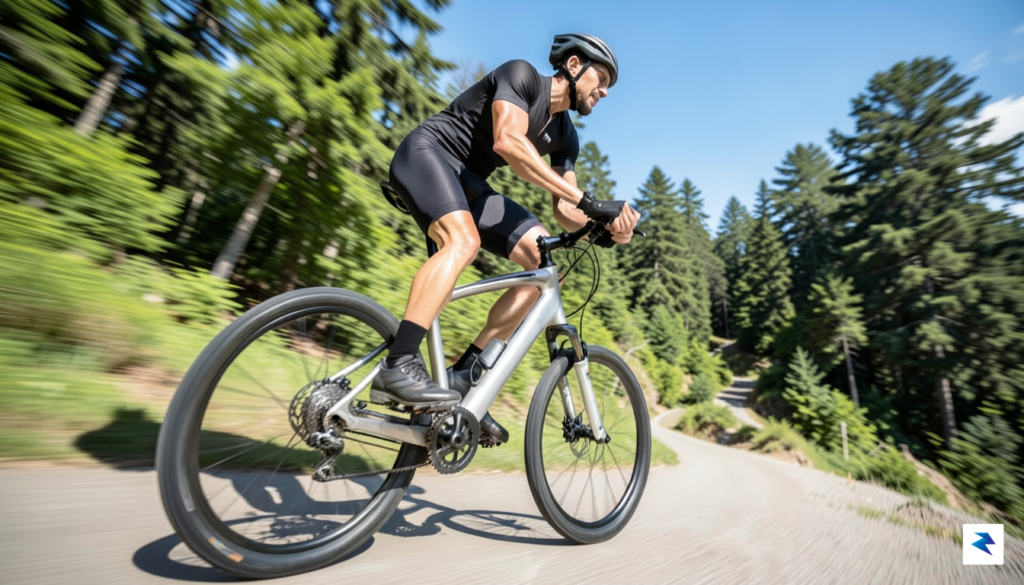
At the heart of an exceptional cycling experience lies the concept of cadence efficiency—the delicate balance between your pedaling speed and the physical output required to move the bike forward. Professional cyclists have long understood that maintaining a consistent cadence, typically measured in revolutions per minute (RPM), is the secret to enduring long rides without premature muscle fatigue. When your legs spin at an optimal, steady rhythm, your cardiovascular system operates more efficiently, and your muscles are spared the grueling strain of mashing heavy gears. However, achieving this “sweet spot” on a traditional bicycle is often disrupted by the constant, unpredictable changes in terrain, wind resistance, and elevation.
The integration of Motor Gearbox Unit (MGU) technology fundamentally transforms this dynamic by automating the relationship between your effort and the drivetrain. Instead of forcing the rider to constantly anticipate upcoming inclines and manually cycle through a mechanical derailleur, the system intelligently monitors your pedaling cadence in real time. As soon as the motor detects that your RPM is dropping or spiking due to a shift in grade, it seamlessly adjusts the gear ratio. This ensures that your legs are always spinning within your pre-selected comfort zone, effectively smoothing out the ride regardless of whether you are tackling a steep mountain pass or cruising along a flat suburban path.
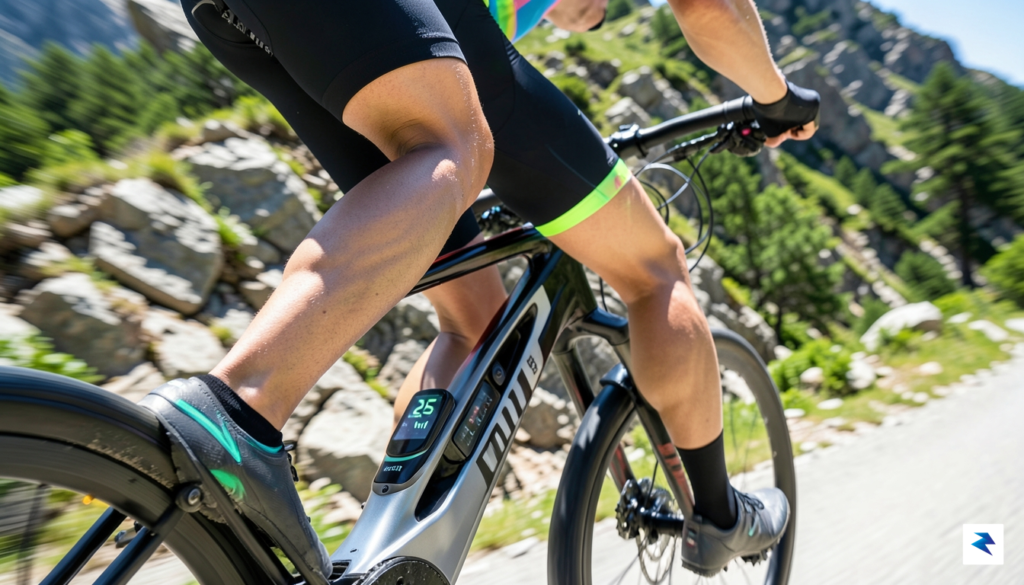
Consider the traditional struggle of approaching a sharp, steep climb on a standard e-bike. Under normal circumstances, you might find yourself frantically clicking through shifters, hoping to find the right gear before your momentum dies or your legs hit a wall of resistance. This manual dance often leads to jerky gear transitions, loud mechanical clanking, and moments of lost power that interrupt your flow. With automated cadence management, these interruptions become a relic of the past. The MGU provides an incredibly fluid transition that feels almost telepathic; you simply keep pedaling at your preferred intensity, and the system handles the mechanical complexity behind the scenes.
The true luxury of modern e-bike technology isn’t just about raw power; it is about the elimination of friction between the rider’s intent and the bike’s mechanical response.
This ergonomic shift does more than just make riding easier; it significantly reduces the repetitive stress typically associated with manual shifting. By preventing the need to “mash” the pedals during sudden steep sections, the system protects your joints and maintains a consistent heart rate, which is a massive boon for endurance riders and commuters alike. When the bike does the heavy lifting of gear management, you are free to focus entirely on the path ahead, the scenery, or the pure joy of the movement. Ultimately, this technology turns every ride into a smooth, effortless experience that prioritizes the rider’s physiological well-being over mechanical maintenance.
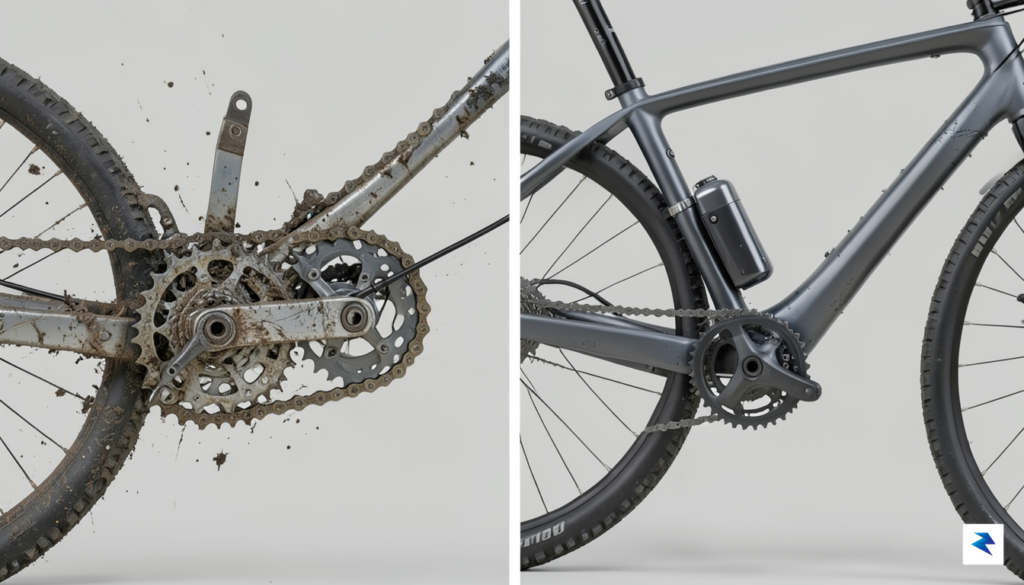
For most e-bike riders, the mechanical frustration of a traditional drivetrain is a constant shadow hanging over every ride. Exposed derailleurs, delicate hangers, and multi-speed cassettes are inherently vulnerable to the harsh realities of the trail and the city street. A single rock strike or a minor tip-over in a parking lot can bend a derailleur cage, leading to inconsistent shifting, dropped chains, and the dreaded mid-ride mechanical failure. By integrating the transmission directly into the motor unit, the Motor Gearbox Unit (MGU) effectively eliminates these fragile external components, creating a streamlined system that is as resilient as it is efficient.
The primary advantage of this internal design lies in its total protection from environmental hazards. Traditional external drivetrains act as magnets for mud, grit, and road salt, all of which function like sandpaper on your chain and sprockets. Over time, this abrasive mixture accelerates wear, necessitating frequent cleanings and prematurely shortening the lifespan of your drivetrain components. In contrast, the MGU houses its gear-shifting mechanism within a sealed, weather-tight enclosure. Because the gears are safely tucked away, they remain impervious to the elements, ensuring that your shifting performance stays crisp and consistent regardless of whether you are riding through a torrential downpour or dusty, sun-baked trails.
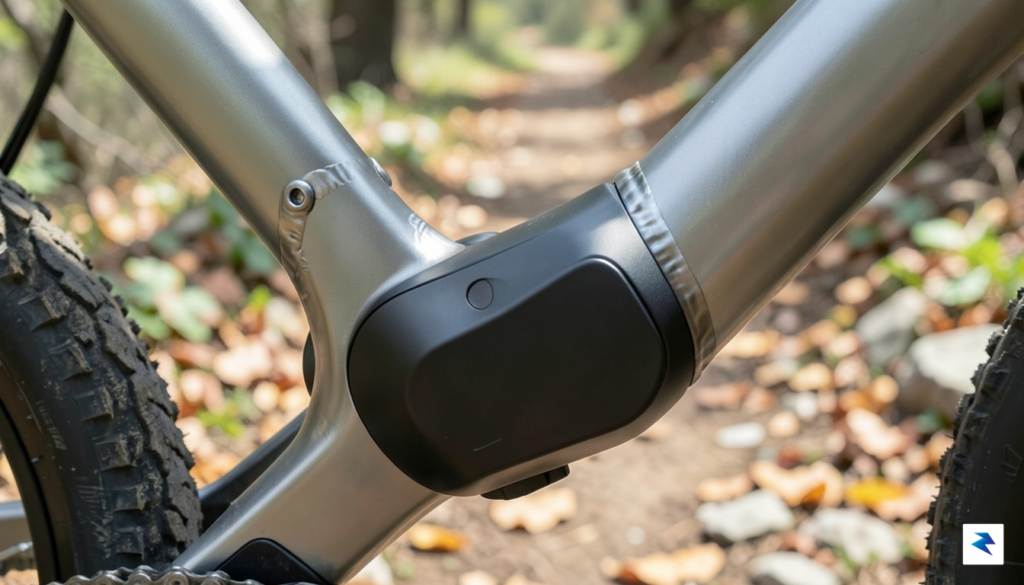
This radical simplification of the drivetrain does more than just improve reliability; it fundamentally changes the long-term economics of e-bike ownership. When you remove the need for complex, wear-prone external gears, you drastically reduce the frequency of tune-ups and the necessity for costly replacement parts. The typical rhythm of replacing chains, cassettes, and derailleur cables every few hundred miles is replaced by a much lower-maintenance cycle, allowing riders to focus on the journey rather than the next trip to the workshop. By moving away from the “disposable” nature of traditional bike components, the MGU offers a more sustainable path forward, where the machine is built to last for thousands of miles with minimal intervention.
The true beauty of the MGU lies in its “set it and forget it” nature; by housing the transmission internally, the system effectively shields the most sensitive mechanical parts from the very environment that usually destroys them.
Ultimately, shifting toward an enclosed transmission represents a maturation of e-bike technology. As the industry moves away from repurposing mechanical bicycle parts—which were originally designed for human-powered, lightweight racing—it embraces systems engineered specifically for the unique demands of high-torque electric motors. By shedding the weight and complexity of the external derailleur, manufacturers are providing riders with a more robust, reliable, and user-friendly experience that stands up to the rigors of daily use, proving that sometimes the best way to move forward is to remove the parts that hold us back.

As Motor Gearbox Unit (MGU) technology transitions from a novel concept to a proven industry standard, we are witnessing a fundamental shift in how e-bikes are conceptualized and engineered. By combining the motor and the transmission into a single, sealed unit, manufacturers are finally moving away from the fragile, exposed components that have plagued cycling for decades. For the commuter, this means a bike that requires almost zero maintenance beyond basic tire pressure checks, effectively replacing the greasy, high-maintenance derailleur with a robust internal system. In the mountain biking world, this integration allows for better weight distribution and a lower center of gravity, while cargo bikes stand to benefit from the sheer durability required to haul heavy loads without the constant risk of snapping chains or bending delicate shifting mechanisms.
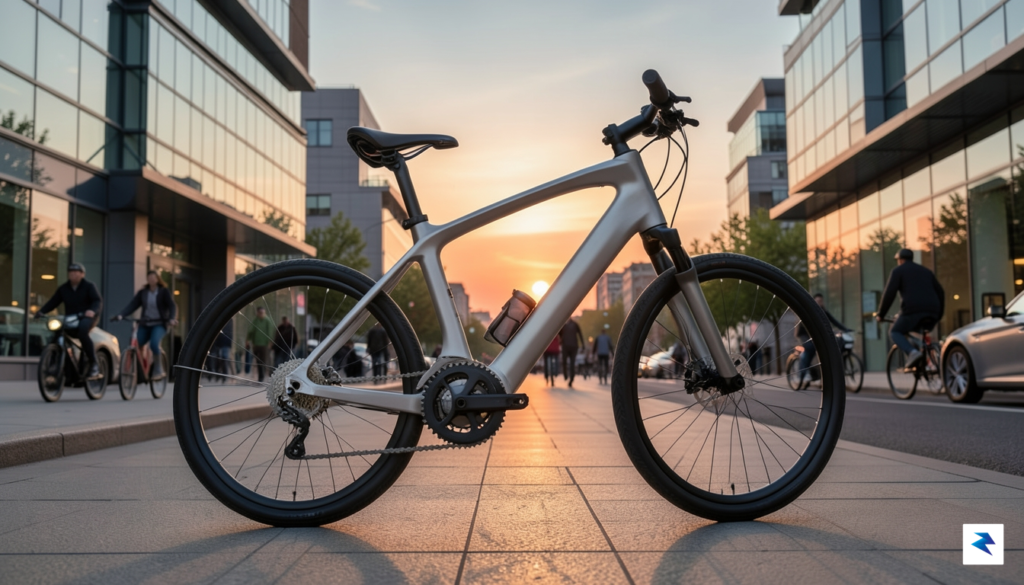
Beyond the mechanical benefits, the true revolution lies in the digital experience. Because the drivetrain is electronically controlled, manufacturers can offer unprecedented levels of personalization through over-the-air software updates and smartphone integration. Imagine a rider adjusting their shifting cadence, throttle response, or torque curves directly from an app to suit their specific terrain or physical fitness level. This level of customization transforms the bike from a rigid piece of hardware into a dynamic tool that evolves alongside the user. As these systems communicate more effectively with sensors, the bike may eventually begin to anticipate gear changes based on incline, pedal pressure, and rider cadence, creating a truly seamless “set-it-and-forget-it” riding experience that feels almost intuitive.
The integration of motor and gearbox technology isn’t just about efficiency; it is about lowering the barrier to entry for millions of potential cyclists who are intimidated by the mechanical complexity of traditional bicycles.
Ultimately, the democratization of cycling hinges on how easy and reliable we can make the technology. For many casual riders, the prospect of navigating complex gear ratios and performing frequent roadside repairs is a significant deterrent to replacing a car with an e-bike. By simplifying the interface and shielding the complex mechanics within a durable, integrated housing, the MGU approach promises to make cycling more approachable for everyone. As these systems become more affordable and widespread across various bike categories, we can expect to see a surge in adoption, as the focus shifts from managing the machine to simply enjoying the journey. This evolution represents more than just a technological upgrade; it is a vital step toward a future where e-bikes serve as the primary, stress-free mode of transportation for the masses.
You must be logged in to post a comment.