Tech Founder Corruption Verdict: What It Means for Indonesia’s Startup Future
The High-Profile Verdict: Understanding the Case The legal proceedings against the high-profile tech entrepreneur centered on allegations of…
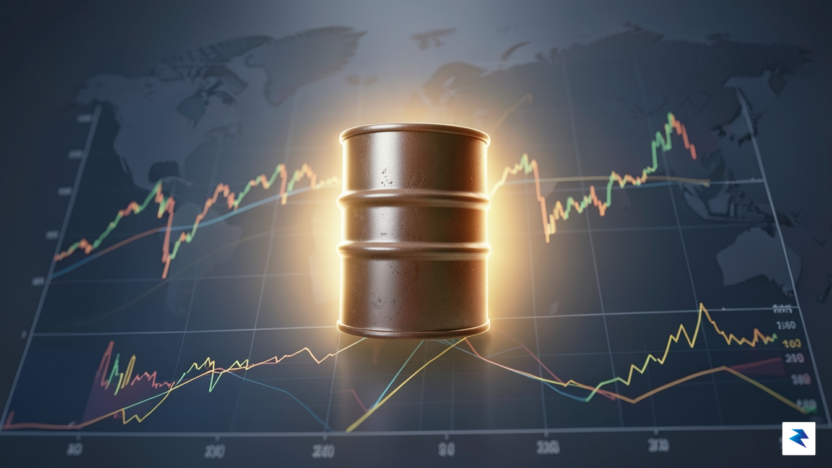
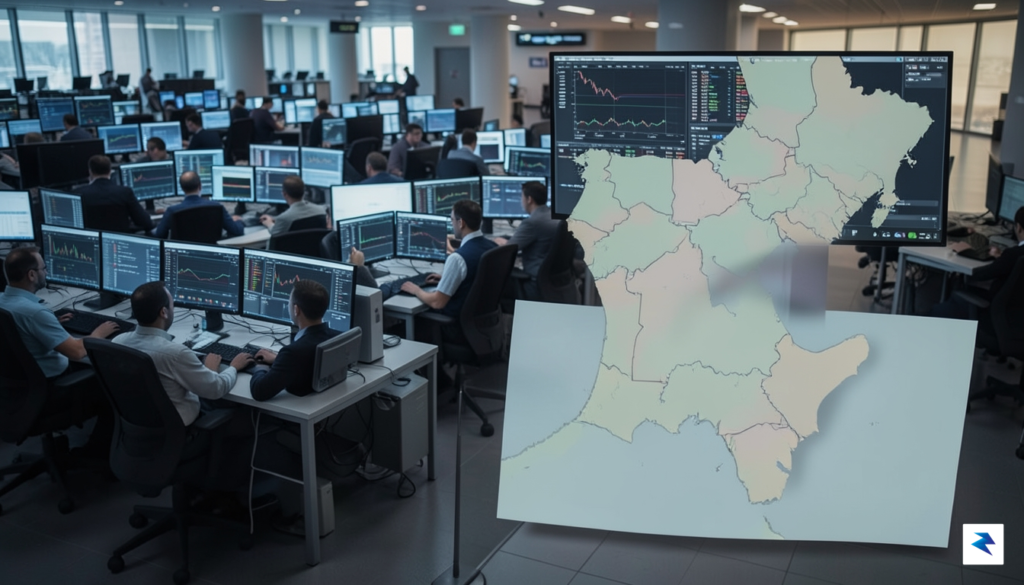
Global energy markets operate as a sensitive barometer for the state of international relations, consistently reacting to the ebb and flow of diplomatic discourse. At the heart of this dynamic is the concept of the “geopolitical risk premium,” a surcharge embedded into the price of a barrel of crude oil that accounts for the potential disruption of supply chains. When nations like Iran and the United States engage in high-stakes negotiations, the market immediately prices in the probability of either sanctions relief—which could return millions of barrels to the global supply—or a further escalation of hostilities that might endanger transit routes like the Strait of Hormuz. Consequently, traders are not merely buying and selling oil based on industrial demand; they are effectively hedging against the outcomes of clandestine meetings and public declarations.
The transition from diplomatic deadlock to active dialogue serves as a critical stabilizer for market sentiment. When communication channels open, the inherent anxiety that drives speculative trading often dissipates, leading to a cooling effect on prices. Conversely, the absence of clear diplomatic progress fosters an environment of profound uncertainty, which is essentially the lifeblood of volatility. In this vacuum, market participants tend to assume the worst-case scenario, pushing prices upward as a defensive measure. This reflexive behavior demonstrates that the perception of stability is often just as impactful on the global economy as the physical movement of oil tankers across the ocean.
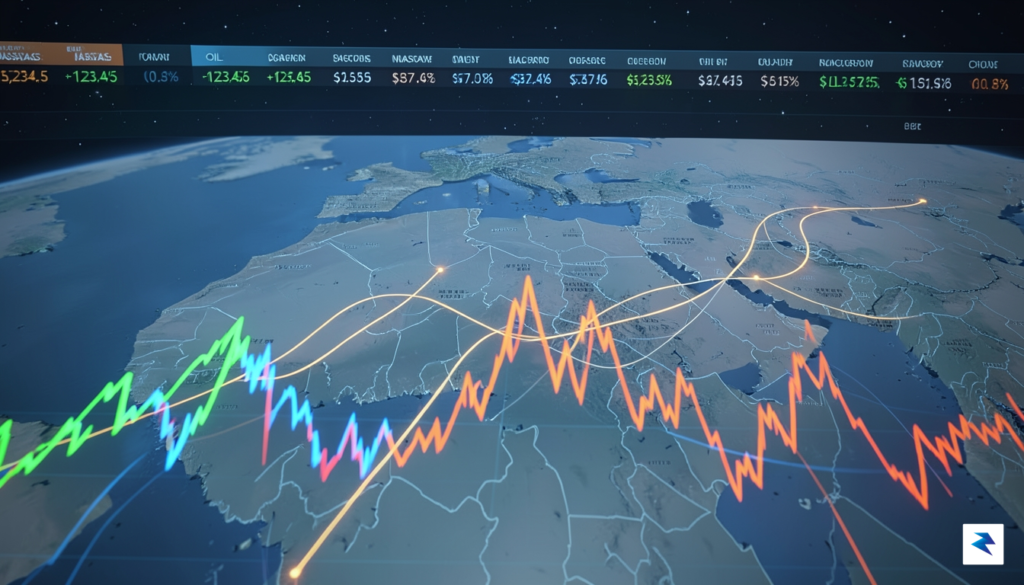
Modern energy trading is further complicated by the integration of sophisticated trading algorithms that react in milliseconds to geopolitical headlines. These automated systems are programmed to scan international news wires for keywords related to conflict or peace, triggering buy or sell orders long before a human analyst can digest the implications of a specific policy shift. Because these algorithms thrive on high-frequency data and sentiment analysis, a single tweet or a leaked diplomatic memo can spark massive fluctuations in crude pricing. This creates a feedback loop where sentiment, rather than raw supply-and-demand fundamentals, becomes the primary driver of daily price action.
The integration of automated trading means that today’s energy markets don’t just react to the news—they anticipate it, often amplifying the market response to diplomatic shifts by orders of magnitude.
Ultimately, the correlation between diplomacy and energy costs highlights the fragility of our interconnected global infrastructure. As long as key oil-producing regions remain central to international power struggles, the price of gasoline at the pump will remain inextricably linked to the success or failure of diplomatic envoys. Investors and consumers alike must therefore recognize that while local supply levels are important, the most significant shocks to the market are frequently manufactured in the boardrooms and negotiation halls of foreign ministries, far removed from the actual oil rigs and refineries.
The geopolitical friction between Washington and Tehran has functioned as a perennial barometer for global energy markets for decades. Historically, every inflection point in this relationship—ranging from the implementation of restrictive sanctions to the brink of direct military engagement—has served as a high-stakes stress test for global supply chains. When rhetoric intensifies, energy traders often preemptively bake a “risk premium” into the price of crude, fearing that maritime choke points like the Strait of Hormuz could be compromised. This reflexive market behavior underscores how deeply the world’s economic stability is tethered to the diplomatic climate in the Persian Gulf, where even the mere prospect of supply disruption can trigger rapid, vertical spikes in barrel prices.
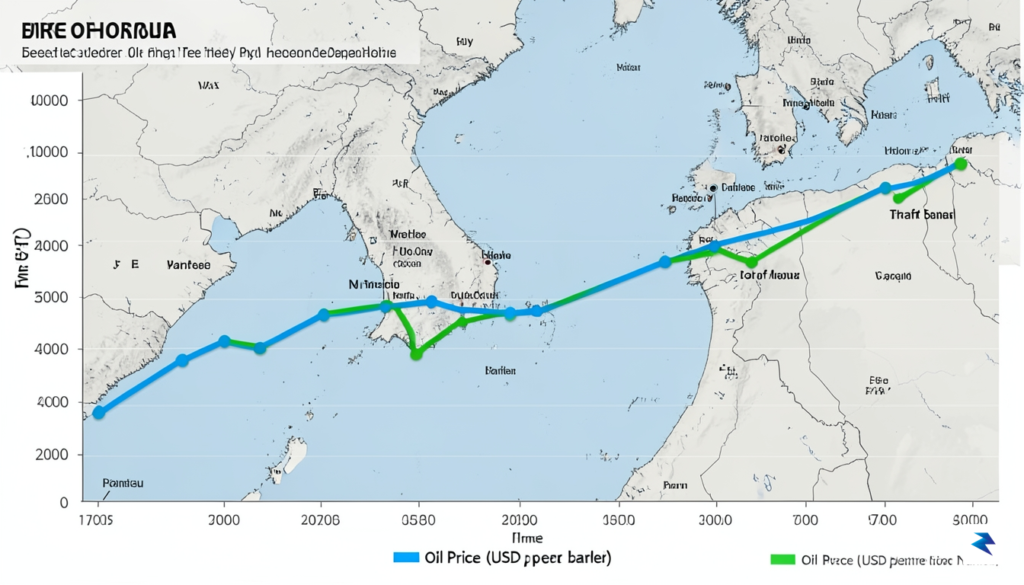
During previous escalations, such as the period following the 2018 withdrawal from the Joint Comprehensive Plan of Action, the market reacted with acute volatility as Iranian export volumes were restricted by renewed sanctions. These existing sanctions remain the bedrock of the current supply landscape, effectively capping Iran’s ability to inject significant liquidity into the global market. Because the world has grown accustomed to a “sanctions-heavy” status quo, the current market reaction is notably more measured than in past cycles. While prices have ticked higher in anticipation of new diplomatic efforts, traders appear to be balancing the fear of supply shocks against the reality that much of the Iranian output is already accounted for in existing global inventory models.
The current market sentiment reflects a shift from reactive panic to strategic caution, as participants recognize that supply chains have become more resilient to isolated geopolitical shocks than they were a decade ago.
The resilience of today’s market is also largely attributed to the diversification of energy sources and the strategic reserves held by major consuming nations. Unlike the oil shocks of the 1970s or the early 2000s, global energy infrastructure is now better equipped to absorb sudden shifts in production capacity. However, this should not be mistaken for total immunity. If upcoming negotiations fail to yield a tangible de-escalation, the accumulated pressure on shipping lanes and the persistence of long-term sanctions could force a structural shift in pricing. For now, the market is betting on diplomacy, watching closely to see if the current talks can provide a pathway to supply stability or if the region is set to cycle back into a period of heightened uncertainty.

The modern energy landscape operates on a lean, “just-in-time” philosophy that leaves very little room for error. In an era where efficiency is prioritized, global oil inventories have been systematically drawn down to cut storage costs, meaning that the market lacks a significant buffer to absorb sudden disruptions. When production facilities are running at high utilization rates, any hint of diplomatic friction—such as the renewed dialogue between Tehran and Washington—acts as a catalyst for immediate price volatility. Because there is no surplus sitting in tanks ready to flood the market, even the mere possibility of a supply interruption forces traders to price in a “risk premium,” reflecting the reality that our global system has effectively traded resilience for leaner operational margins.
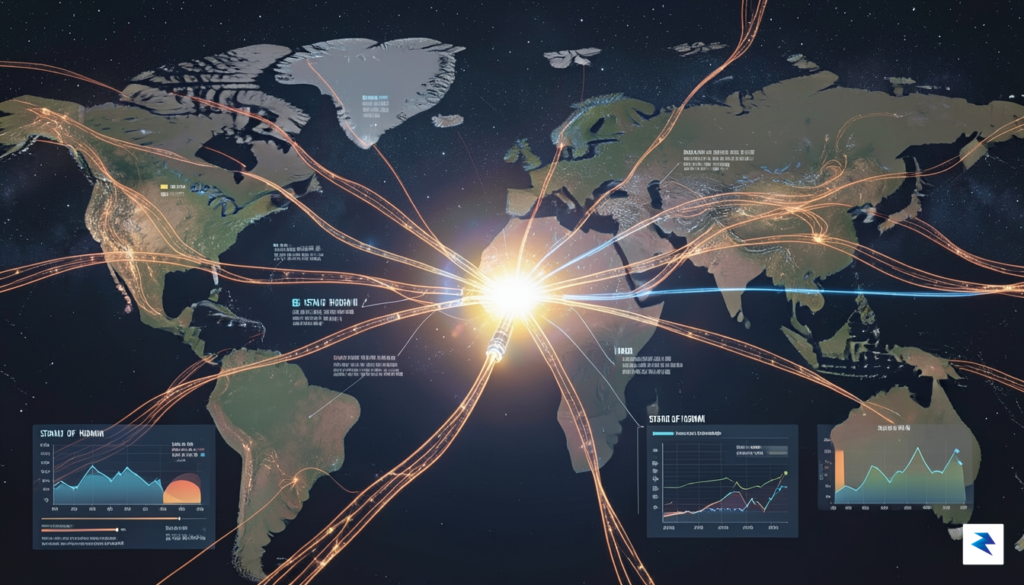
This fragility is most acutely felt when analyzing the geography of energy transit. Strategic chokepoints, most notably the Strait of Hormuz, serve as the jugular vein of the global economy, with a massive percentage of the world’s seaborne oil passing through this narrow waterway daily. Because these transit routes are geographically fixed and finite, they cannot be bypassed or scaled up on short notice. When geopolitical tensions escalate, the market immediately identifies these bottlenecks as potential points of failure, turning diplomatic rhetoric into tangible supply chain anxiety. Investors understand that an incident in these corridors would not just be a localized event; it would trigger a cascading effect that would ripple through every refinery and gas station across the globe.
The sensitivity of oil prices to diplomatic news is a direct function of how tightly coupled our global infrastructure has become. When the margin for error is razor-thin, the mere perception of risk becomes as potent as a physical shortage.
Furthermore, the lack of transparency regarding global state-held reserves often exacerbates these price swings. While commercial inventories are tracked with relative precision, the geopolitical maneuvering behind strategic petroleum reserves remains opaque, making it difficult for the market to gauge how much protection truly exists against a prolonged supply crisis. This uncertainty creates a feedback loop where market participants, lacking clear data, lean heavily on diplomatic signals to forecast future availability. Consequently, a single, optimistic statement about U.S.-Iran talks can trigger a rapid re-pricing of assets, as traders scramble to adjust their positions against the backdrop of an inherently fragile, interconnected global supply chain that values stability above all else.
When the delicate machinery of international diplomacy falters, the resulting volatility in crude oil markets rarely remains confined to trading floors or geopolitical briefing rooms. Instead, it triggers a “pass-through” mechanism that systematically elevates costs across the global supply chain. As oil serves as the foundational energy source for transportation and industrial processes, any upward tick in price acts as a tax on economic activity. When producers, refiners, and distributors face higher overhead, these expenses are inevitably pushed down the line, eventually reaching the end user in the form of higher prices for goods and services.
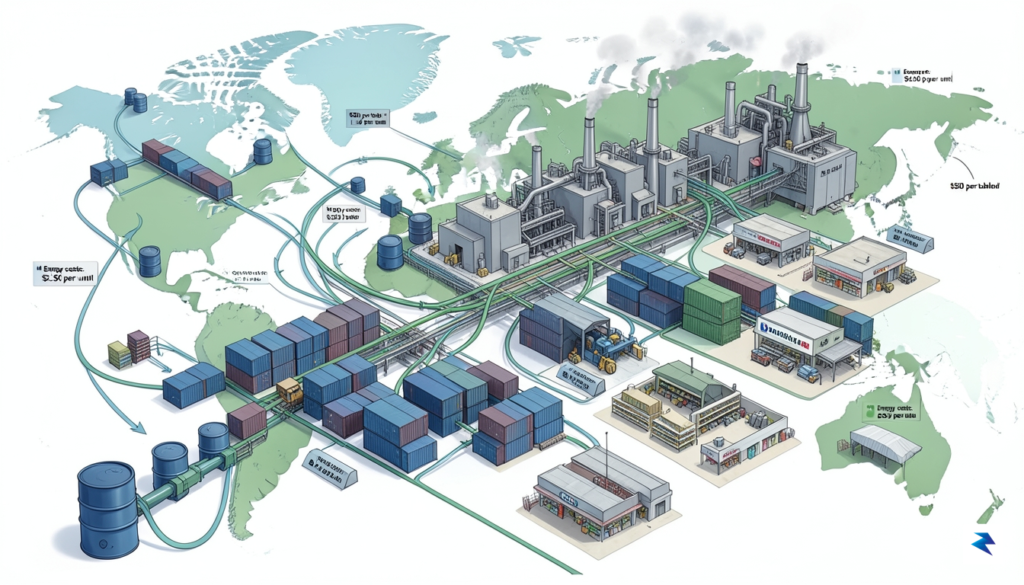
Energy-intensive industries are the first to feel the sting of these fluctuations. For the aviation and maritime shipping sectors, fuel remains one of the largest single operating expenses. When geopolitical tensions—such as those currently surrounding U.S.-Iran relations—threaten to constrict supply, airlines and logistics firms must either absorb the margin erosion or implement fuel surcharges. Because these companies move the vast majority of the world’s commercial products, their increased operational costs effectively inflate the price of everything from fresh produce to electronics. By the time a manufactured good arrives at a retail warehouse, the cumulative energy cost of raw material extraction, factory production, and long-haul transportation has been baked into the final sticker price.
For the average consumer, the connection between a diplomatic summit in a distant capital and the cost of daily life can feel abstract, yet the impact is deeply tangible. Inflationary pressure is rarely uniform; rather, it manifests in the widening gap between stagnant wages and the rising cost of essential commodities. When oil prices climb, households see the immediate effect at the gas pump, but the secondary effects are often more insidious. As transportation costs rise, the “food miles” associated with every item in a grocery basket become more expensive, leading to higher prices at the checkout counter. Ultimately, our domestic economy remains tethered to the stability of global energy markets, making consumer purchasing power a direct hostage to the success or failure of international negotiations.
The true cost of energy uncertainty is not found in the price of a barrel alone, but in the cumulative pressure it places on the household budget as it ripples through every layer of the global economy.
This reality underscores why stakeholders across every sector monitor diplomatic developments with such intensity. Whether it is a manufacturing firm adjusting its quarterly budget or a family planning its monthly grocery spend, the underlying dependency on stable energy markets is absolute. Until renewable transitions provide a meaningful buffer against these fluctuations, the geopolitical climate will continue to serve as a primary driver of the cost-of-living index, proving that in a globalized market, peace and prosperity are inextricably linked to the predictability of energy supplies.
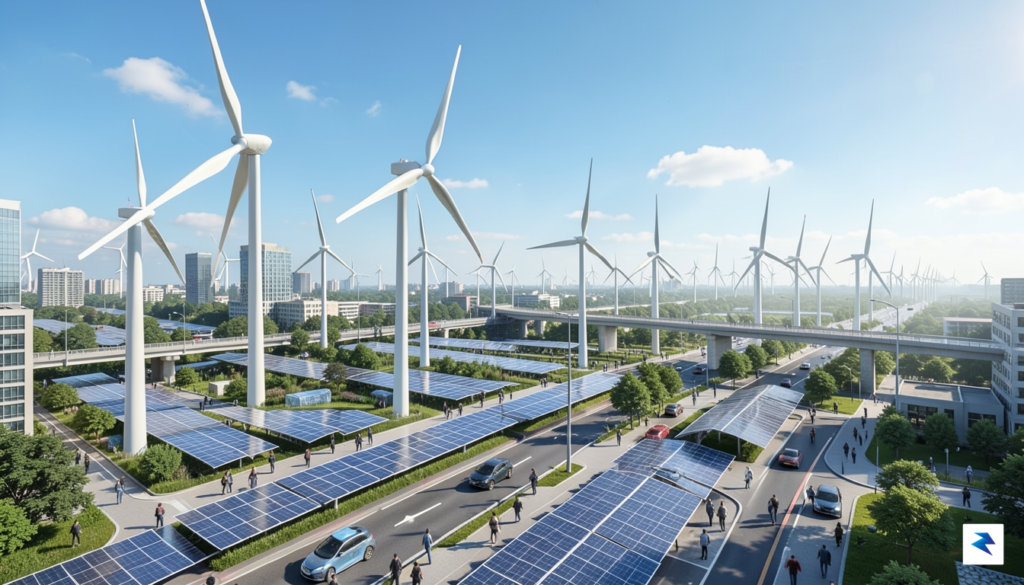
The persistent volatility in global oil markets, often tethered to the fragile diplomatic ties between major producers like Iran and the United States, serves as a stark reminder of the risks inherent in our current energy infrastructure. As we look toward the future, the global economy must transition from a model of reactive crisis management to one of proactive systemic resilience. This requires a fundamental shift in how nations perceive energy security, moving away from a reliance on the stability of a few volatile regions and toward a more diversified, localized portfolio of power generation.
Central to this transition is the accelerated adoption of renewable energy technologies. By scaling up wind, solar, and geothermal capacity, countries can significantly diminish the leverage that geopolitical tensions hold over their domestic energy costs. When an economy derives a larger percentage of its electricity from home-grown, inexhaustible sources, it effectively decouples its day-to-day operations from the unpredictable fluctuations of international oil markets. This shift does not happen overnight, but it acts as a permanent structural hedge against the supply chain disruptions that have historically caused inflation and economic instability.
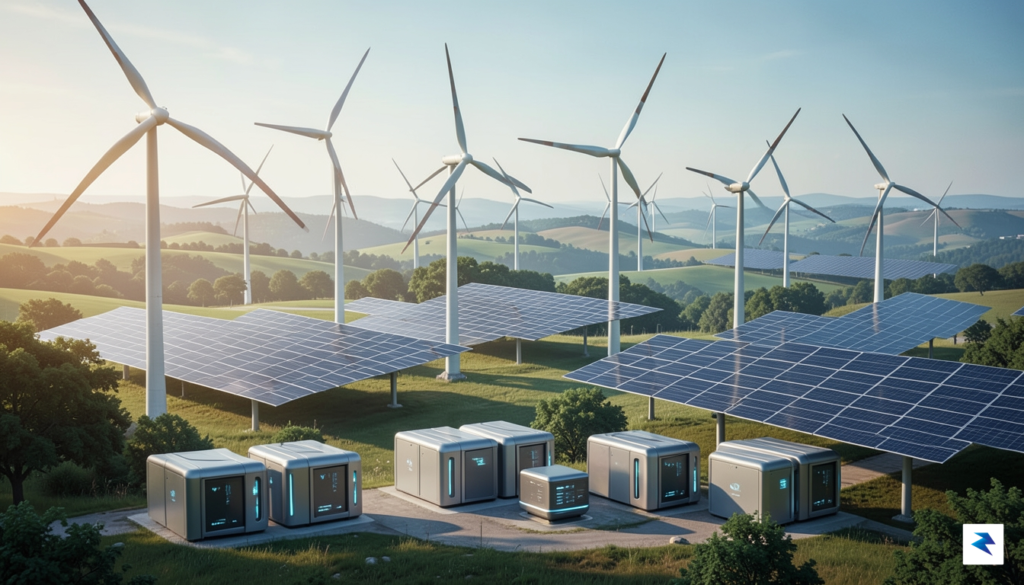
While the long-term goal is a total transition to sustainable energy, the interim period demands robust mechanisms to absorb shocks. Strategic energy reserves remain a critical tool in this effort, providing a necessary buffer against sudden supply crunches or diplomatic breakdowns. However, the future of these reserves must be more sophisticated; they should be managed not just as emergency stockpiles, but as dynamic assets integrated into a broader, agile energy strategy that can respond to the unique needs of a decentralized grid. Investing in infrastructure that allows for more flexible storage and distribution is just as vital as the diplomacy that keeps trade routes open.
True energy independence is achieved when a nation’s economic stability is no longer contingent upon the geopolitical whims of external actors, but rather secured through technological diversification and internal resource management.
Ultimately, while technological and infrastructure advancements provide the foundation for resilience, diplomacy remains an essential bridge for global economic health. We operate within an interconnected world where total autarky is neither feasible nor desirable. Therefore, the goal is not to abandon international cooperation but to minimize the destructive consequences of its failure. By balancing aggressive investments in clean energy with prudent strategic reserves and a commitment to diplomatic dialogue, the global market can evolve into a system that is far less susceptible to the tremors of geopolitical conflict.
You must be logged in to post a comment.